
News 15-09-2026
One Katya, Two Katya…
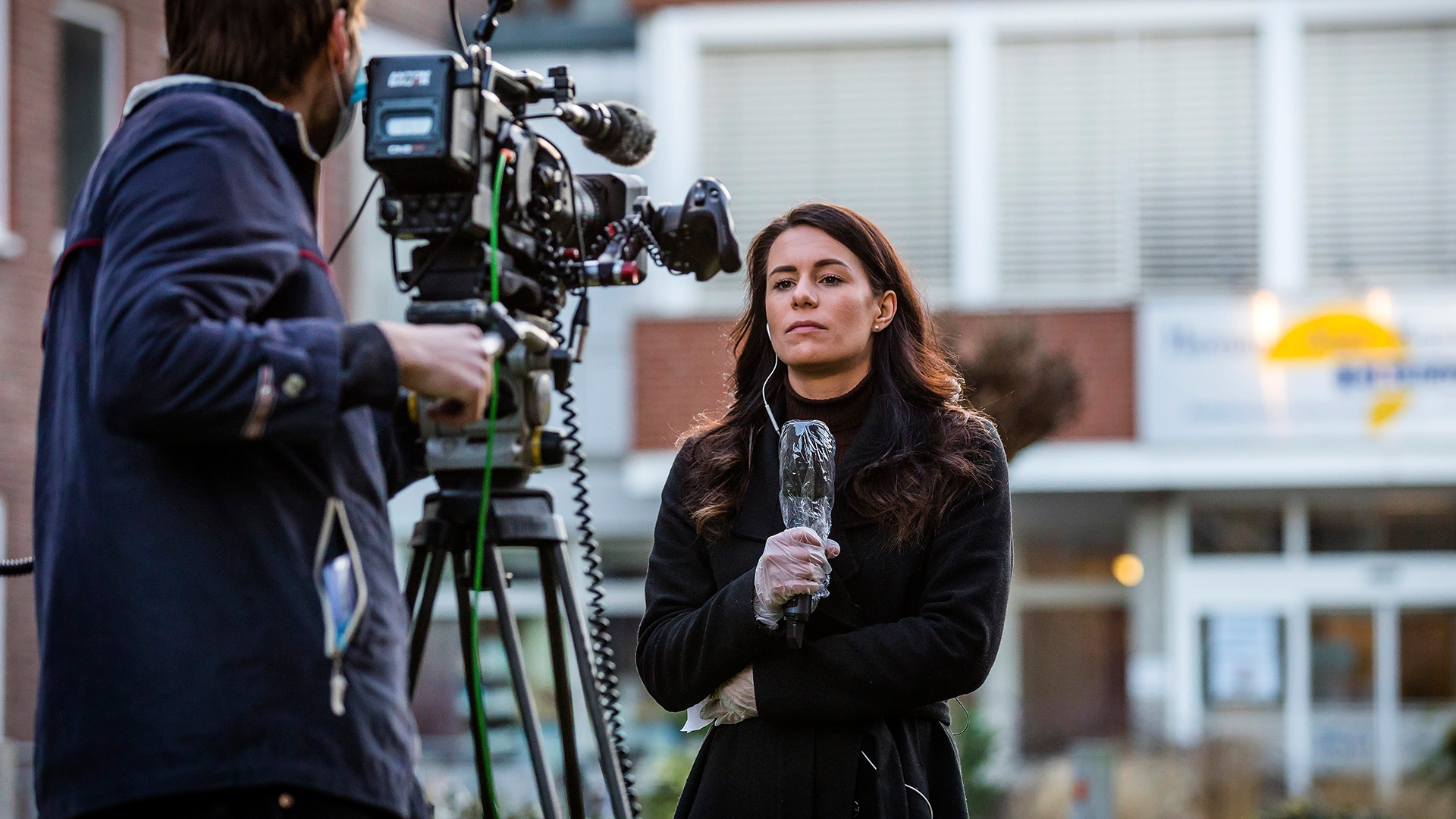
The video runs a few seconds: a young woman in a knit sweater stands against the Russian tricolor, then walks with the same flag past the Bundestag - Berlin wind, tourists, Norman Foster's glass dome overhead. The caption is friendly, the tone homey. The account is called "Katya." Katya admires Vladimir Putin, dislikes NATO, and wants to be noticed.
She was noticed.
No Katya ever existed. For nearly a year the name belonged to Angelique Geray, a fearless reporter for the German broadcaster RTL and the magazine Stern, who specializes in what the profession dryly calls participant observation and what in practice means living someone else's life in order to be trusted. The result came out at the end of the summer: a documentary called Putins Wegwerfagenten, "Putin's Disposable Agents," first on the streaming service RTL+ in August, then in an expanded ninety-minute version on RTL on September 2. A team of seven spent roughly a year on it.
After Russia invaded Ukraine in February 2022, European countries expelled several hundred Russian diplomats in total, and the station operating under diplomatic cover went out the door with them. Infrastructure built over decades was dismantled in a matter of months. You cannot replace a career intelligence officer quickly. What you can do, it turned out, is hire more or less anyone - through a messaging app, for small money, for a single job. The term "disposable agent," Wegwerfagent, literally "throwaway agent," has been showing up in German counterintelligence documents and in the press for about three years now.
Geray built Katya slowly and in earnest. The idea was simple: to understand how pro-Russian networks in Germany actually operate by becoming the bait. Not to investigate how people are recruited, but to get recruited. This was no throwaway account. It took months to build an audience organically, make acquaintances, accumulate comments, become one of the crowd on the pro-Russian scene of German-language social media. There are, surprisingly, more people there than is generally assumed, and they are not just pensioners nostalgic for East Germany.
Then the offers started.
Innocent ones at first. Photograph a building. Pick up a parcel. Register a SIM card. The pay is small but immediate, and in crypto. The film shows how the staircase is built: each step is only slightly higher than the last, and a person climbs it without noticing that they stopped being on the outside a long time ago and are now inside a new and ghostly reality. The requests grew more specific. Film facilities around Germany. Take a look at the Christian Democratic Union, the chancellor's governing party - specifically, collect contacts and personal data. At the ILA air show in Berlin, where defense-industry executives gather, obtain their business cards and details. Keep tabs on nongovernmental organizations. "Find missing DHL parcels," a phrase that sounds like an errand out of ordinary life, right up to the moment you remember that two years ago in Leipzig, prepared parcels were meant to ignite aboard aircraft in transit.
The logic of the system is assembled out of small pieces. Communication runs almost entirely through Telegram. The client never identifies himself. The contractor knows only his own fragment of the assignment: photograph the door, deliver the package, buy the card. The whole thing is put together far away in Moscow, beyond the reach of German criminal law. If the contractor is caught, and he is caught fairly quickly, because he is inexperienced, leaves traces, and is frequently just stupid, it emerges that there is no one to charge but him. He is the entire offense. The people who hired him throw him away like a disposable hygiene product, which is where the name of the phenomenon comes from.
They look for such people by uncomplicated markers: shortage of money, hard circumstances, a criminal record. No spy-novel romance here. No elegant James Bond plots, none of the traditional four to eight thousand euros a month Moscow once paid its agents to keep them on the hook, not even ideology, as in the textbook case of Julius and Ethel Rosenberg.
Katya's story includes one thoroughly comic episode. At some point her channel caught the attention of Jovica Jovic, a member of the Sahra Wagenknecht Alliance (BSW), the left-populist party that split from the Left and advocates for immediate talks with Moscow and against arms deliveries to Ukraine. Jovic has around thirty-five thousand TikTok followers; the reporters describe him as one of the more prominent figures on Germany's pro-Russian scene. First he messaged Katya, then he called her, then he met her in person. And he began offering advice on how to grow the channel. The tip now being retold by every outlet in Europe was this: Katya should dance on a NATO flag, trampling it underfoot. The audience will love it.
Their conversation also turned to the question of who, exactly, is behind all this. Geray asked him directly: is Russian intelligence running the campaign? Jovic's answer, as RTL renders it, went roughly like this: nobody ever knows that. Meaning, he isn't supposed to know, but in practical terms he does. And, so that no misunderstanding could remain, he added that the reason he does not say out loud that the Russian services are involved is that he is smart.
Later, when Geray stopped being Katya and came to him under her own name with a camera and a microphone, Jovic denied everything. No ties to Russian intelligence, no role in a disinformation campaign. The BSW played dumb, saying Jovic is a rank-and-file member who holds no office in the party and that the matter would be looked into.
As a scene it is wonderfully well-plotted: a politician advising an invented girl to dance on a flag, a ready-made metaphor for the whole deranged German pro-Russian milieu, a pointless online amateur theater company living on views and likes. It would be merely funny if the other side of the funny amateur theatricals were not grown-up violence.
Stefan Thuman founded the Bavarian company Donaustahl, which manufactures drones for Ukraine. He was not a public figure, the reporters did not find him quickly, and he is speaking to the press for the first time. According to the investigation, he was followed by at least two suspected disposable agents working in Russia's interests. When one of them was detained, a machete was found on him (at this point I personally think of the ice axe they killed Trotsky with). Thuman has been living in hiding ever since.
From advice about dancing on a flag to a machete is a distance the participants cover without noticing. They are not supposed to notice it; that is the point of compartmentalization. The person filming a factory entrance on his phone has no obligation to know what will happen at that entrance a month later. Legally this makes him nearly innocent. Practically, it makes him entirely replaceable. There's nothing not to like.
The reporters reconstructed the story of the parcels that were supposed to ignite in cargo holds at Leipzig/Halle airport. They traveled to Lithuania and met a defendant whom prosecutors consider another throwaway contractor. The overall picture they draw is a hybrid strategy in which cheaply hired helpers, cyberattacks, espionage, sabotage, and propaganda all sit in the same box, while the link to the actual Moscow client is nearly impossible to prove. That is the important part: instead of the ringing spy stories of the early 2000s, what we get is an opaque networked mechanism that yields very little in the way of scandal. Lowlifes bought up at wholesale prices.
About a year into the investigation, "Katya" was exposed. First Angelique Geray received in the mail a photograph of herself, taken shortly before - a universal language requiring no translation. Then the threats came, directed both at her personally and at the broadcaster. A voicemail message informed her that if she tried to run, she would take a bullet. The trail leads toward a hacking group known for attacks on European websites, and then goes cold. The second journalist on the project was never identified by them. Omnipotence has its limits.
This is not Geray's first investigation of this kind. Before the Russian material, she spent a year inside the German and Austrian neo-Nazi scene under the name Isabel, posing as a caregiver for the elderly. That work produced award-winning reports in Stern and on RTL, a podcast, a book, and above all a criminal case: eight young people, some of them minors, have been on trial since March in the Hamburg Higher Regional Court on charges that include membership in a terrorist organization and attempted murder. The group collapsed because the journalist reported it to the authorities.
In May of this year, the Süddeutsche Zeitung described a twenty-six-page document from the Federal Criminal Police Office, compiled from the messages on the defendants' seized phones. According to the paper, it indicates that Geray at times stepped out of the observer's role and tried to influence events in order to obtain more material. The memo notes that in a chat about an attack on a man the participants believed to be a pedophile, she proposed going along and filming something. That case is still before the court and there is no final clarity. This is what the level of risk in investigative journalism looks like: there is no "giving all sides a hearing" out there, there is you, staking your life to get at the truth. You are the bait. You are not in the newsroom with a coffee and a keyboard, you are with terrorists or Russian agents, at night, alone.
German counterintelligence maintains that recruitment of this kind is continuous and that thousands of people receive such offers, most of whom will never tell anyone. Identifying them all is impossible, because there is nothing to identify: no agent network, no cell, no safe houses. There is an ad, a payment, and a person willing to sell himself for a hundred euros.
The most unsettling thing about Putin's Disposable Agents is not the threat on the answering machine. It is the cheapness. The Cold War was expensive: agents, legends, years of preparation, exposure as catastrophe. What Angelique Geray describes costs about as much as a used phone. Failure here is not a catastrophe but part of the business model of yet another Russian hybrid war, in which hundreds of disposable Katyas fight against their own countries for handouts from distant, invisible clients.
News 16-08-2026
Jimothy
Seattle's symbols have traditionally been objects of local pride - Boeing, Amazon, Microsoft, coffee, salmon, Kurt Cobain. In July the list gained a likable raccoon with a congenital spinal deformity who lives somewhere inside the city limits, in Ballard. The choice, it has to be said, was unanimous - a rare case around here of nobody in town arguing with anybody.
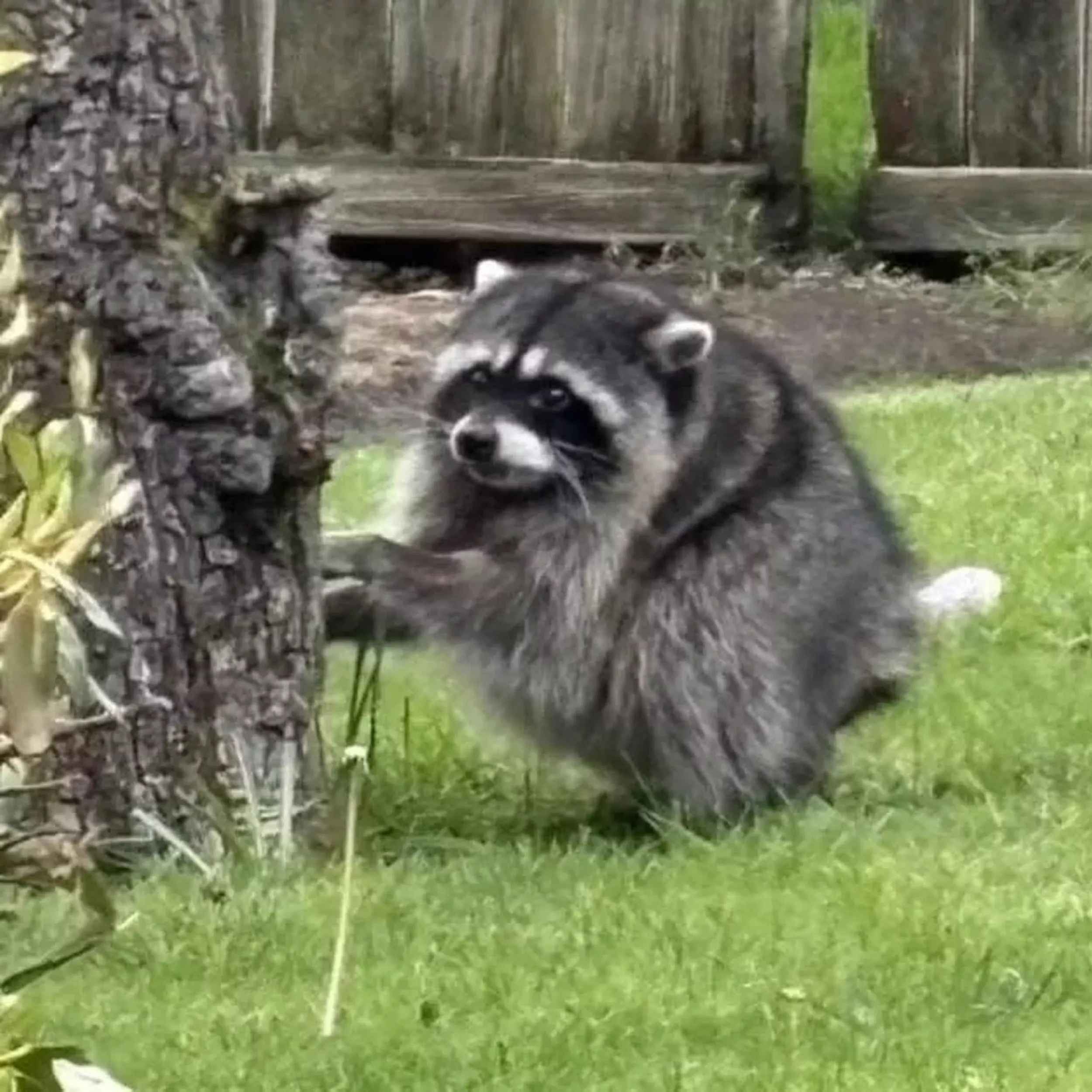
It started on the evening of July 13. Kiana Hall was out walking with her husband in Ballard, near the local Goodwill, when she noticed something moving under a parked car, assumed it was a cat (she likes cats, which is why she started filming), was wrong, and kept filming anyway. In the five-second clip, a creature crosses the grass with an ordinary raccoon face, long legs, a stubby tail and a fluffy sphere where the torso should be: as though the animal had been taken by the nose and the tail and squeezed slightly, and had not objected. The voice off camera delivers the line that became the motto of the whole summer: "What am I looking at?" She came up with the name on the spot, while writing the caption - he simply looked like a Jimothy. By the end of the week the video had seven million views, and by now more than ten if you count the reposts. Hall, who works in marketing, later summed up her own condition this way: "I'm confused, but I'm pleased."
Ballard is the northwest corner of Seattle, and until 1907 it was a city in its own right, the sixth largest in the state. Sawmills and a fishing fleet worked here, Ballard was known as the shingle capital of the world, and Norwegians, Swedes, Danes and Finns came for that work - the climate suited them, so did the fjord-like channels, so did the salmon. What remains from those years is the Nordic Museum, the statue of Leif Erikson (the Scandinavian seafarer of the tenth and eleventh centuries, considered the first European to reach North America, roughly 500 years before Columbus; his father, Erik the Red, founded the settlement in Greenland), the largest May 17 parade outside Norway, and the famous locks, where people come in summer to watch the salmon run. From more recent decades there are breweries, a Sunday farmers market and expensive housing. Old cedars grow in the backyards, and raccoons like to live in them.
Once Jimothy became popular, the veterinarians immediately canvassed by local TV stations converged on a diagnosis: short spine syndrome, a congenital anomaly in which the vertebrae fuse and shorten while the legs stay their normal length - hence the proportions. The important part of the whole story is that Jimothy appears to be perfectly healthy: he does not limp, he is not in pain, he climbs fences and forages as well as the rest of them. Another Ballard resident, Ben Trammell, posted old footage of a very small Jimothy walking along the top of a fence with his mother and two littermates; by his account the mother watched the odd kit especially closely, steadied him, and sometimes simply carried him. A neighbor, Dmitriy Ishimskiy, showed clips from the summer of 2025: Jimothy sitting on his fence and digging around for food. He also admitted that he had not seen the animal for about six months and had been wondering all that time what had become of him. Jimothy's sex, incidentally, has never been established and nobody intends to establish it.
Names and titles arrived quickly. "Hot Jimothy Summer," after the "hot girl summer" meme. "Short king," the standing compliment for men who are not tall; Jon Stewart used it on "The Daily Show," offering his verdict that this is what Jimothy is. "Saint Jimothy" and "King Jimothy," with the iconography to match: halos, stained glass, hagiographic panels. "In Jimothy we trust," a rewrite of the motto on the dollar. "Protect him at all costs," the standard formula of internet tenderness, left under one of the clips by the official account of the Slim Jim meat snack brand, which moved the whole thing definitively into the category of national folklore.
The street artist Andrew Miller painted a wall in the alley beside the Ballard Clay pottery studio on Market Street as early as July 17: Jimothy is shown foraging, and by a happy coincidence there is a garbage can next to the wall. Miller, as it happens, also painted the mural at Mike's Chili Parlor, Ballard's oldest diner, and he knows exactly what he is doing: in an interview he said he grew up on stories about the Wheedle and on the forest creatures from local TV commercials, and that images like these live in a city's memory for decades. Another Seattle artist, Ryan Henry Ward, known here simply as Henry, made an acrylic painting of Jimothy and put it up for charity auction - it went for about $6,500 to benefit the Ballard Food Bank. Then something nobody had planned happened: Amazon, T-Mobile, Alaska Airlines and the running shoe company Brooks made matching donations of the same size. In a week the raccoon raised more for feeding people in need than a mid-sized city charity campaign does.
The city made it official on July 26. In Bergen Place Park in Ballard, city councilmembers Alexis Mercedes Rinck and Dan Strauss read out a proclamation declaring the summer of 2026 "Jimothy Summer." An art competition was held on the spot: dozens of entries, a show of hands to vote, and the winner was Virginia McFadden's stained glass "Saint Jimothy," which was hung in City Hall for the summer; Kayla Carabes's oil painting "Jimothy Takes Seattle" was displayed alongside it. The University of Washington granted the raccoon an honorary doctorate - he is now Dr. Jimothy. Washington State University, UW's traditional rival on the other side of the state, promptly declared Jimothy one of its own. Governor Bob Ferguson named him "Washingtonian of the Day" on August 1, for resilience. Google put an easter egg in search: type "Jimothy" and a raccoon ran across the screen (they seem to have taken it down).
Alaska Airlines reminded passengers that raccoons, Jimothy included, are not permitted on flights. Orlando International Airport added "visit Jimothy" to the list of summer suggestions for travelers. The tire manufacturer Goodyear posted something to the effect of: if Jimothy is crossing the road, your brakes had better work - check your tread. (The technique has a name, newsjacking: you take somebody else's viral story and attach your product to it.)
The games industry reacted quickly and cheerfully too. It began when the official World of Warcraft account posted a render of what Jimothy would look like inside the game. From there it went down the chain. RuneScape drew him in its old pixel style. Dead by Daylight produced a sinister version with glowing eyes. The Sims posted a Sims-world interpretation that, judging by the reaction, came out slightly frightening. Halo hid Jimothy in two in-game locations, in one of them wearing armor. Warner Bros. Games reported that Jimothy had reached Gotham. Among Us drew him next to a crewmate. Dungeons & Dragons published a full stat block, formally entering the raccoon into the rules of a tabletop game. The detective noir Mouse: P.I. For Hire redrew him in the style of 1930s cartoons. Even Blizzard gave in to fan pressure and announced that Jimothy would be added to World of Warcraft for real, as a battle pet, in an upcoming patch. The announcement was short: you asked, Jimothy answered.
An economy developed as well. Within days Etsy and Amazon filled with Jimothy goods: T-shirts, mugs, stickers, pins, magnets, vinyl decals for cars, badge reels (particularly popular with nurses), 3D-printed figurines, handmade needle-felted statuettes, crochet patterns and Lego build kits. The National Bobblehead Hall of Fame and Museum released what it called the first officially licensed Jimothy figure: six inches, limited edition, shipping in December, with $1,000 of the proceeds going to a Seattle animal shelter. The word "licensed" should be taken with a sense of humor here. Several people tried to register rights to the image, but it turned out that a wild raccoon has no owner, and therefore nobody can hold any rights to him. Jimothy is public domain in the most literal sense available.
Alongside the business and the marketing there has been a serious discussion. Professor Helen Deutsch of UCLA, who teaches a course on disability aesthetics and the history of ideas about the normal body, observed that people have always been fascinated by departures from familiar form, and that the distinction that matters here is between staring and wonder. What she dislikes in the current reaction to Jimothy is one note that keeps turning up in the coverage - "even he deserves love." Jimothy is not heroically overcoming anything: he simply lives the way he can, and he manages it well enough.
A Seattle elementary school teacher, meanwhile, plans to use him in class with second and third graders - the conversation about looking different being easier to have through a raccoon than through people.
Jimothy is a wild animal. Looking and filming are fine; approaching and feeding are not. A fed raccoon loses its caution, comes out toward people and cars, and that can end badly. City health officials note that rabies is not common among raccoons here, but that the possibility cannot be ruled out entirely. Wildlife protection organizations have issued statements of their own, to the effect that the best way to show Jimothy any affection is to leave him alone.
A year ago an older animal of similar build was filmed in the same blocks, and people nicknamed him Danny DeVito; some think he is Jimothy's parent, and some still mistake the old footage for new. Raccoons live three to five years, while stories about the strange round raccoon in Ballard go back longer than that. So it is possible that there is not one Jimothy but a whole family line that has only now been noticed. He comes out at night to check whether anyone has left cat food on the porch, and disappears for the day. He demonstrates that happiness is not a matter of good looks. Better to stay yourself and be strange.

.webp)
News 11-06-2026
The Hundred-Thousand-Dollar Question for Washington State
There is a number making the rounds in Olympia this week, and it is doing what big round numbers do: flattering some people, insulting others, and explaining almost nothing on its own.
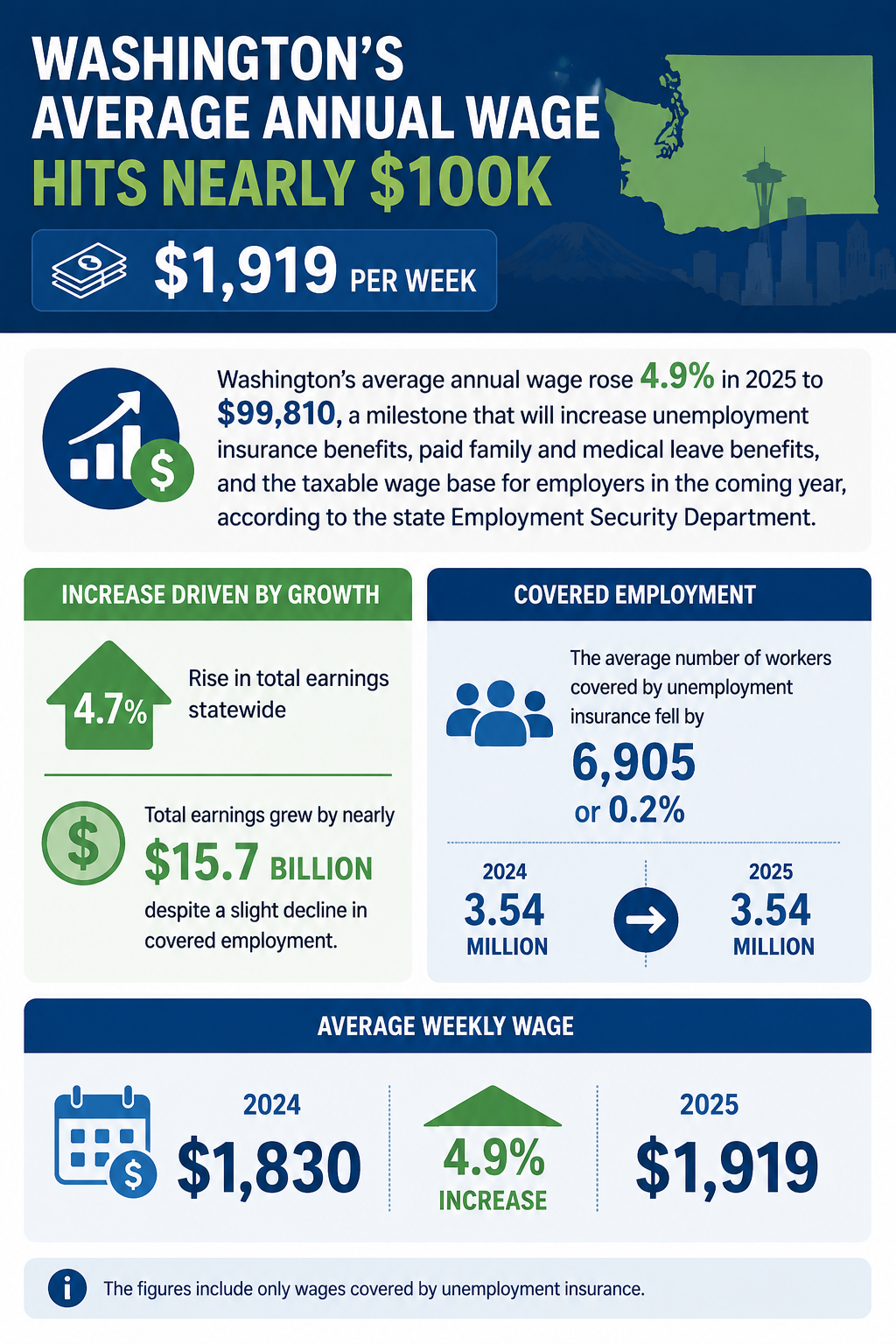
The number is $99,810. That is what the average worker in Washington State earned in 2025, according to figures released by the state Employment Security Department — a 4.9 percent jump from the year before, and close enough to six figures that the headlines have already rounded up. Broken into weekly installments, it comes to $1,919, the kind of paycheck that, a generation ago, would have signaled unambiguous arrival. The state's average annual wage was $89,138 as recently as 2023. It has gained more than ten thousand dollars in two years, a pace that would be cause for celebration if the story behind it were as simple as the arithmetic.
It is not. Consider one detail buried in the same release: total wages in the state grew by nearly $15.7 billion last year, while the number of workers covered by unemployment insurance actually fell — by 6,905 people, a small but telling decline. The pie got dramatically larger; the number of people sharing it got smaller. An average, after all, is just a sum divided by a count, and there are two ways to push it upward. One is for everyone to get a raise. The other is for the people at the bottom of the distribution to quietly disappear from it.
Washington in 2025 experienced some of both. The sectors that drove the wage gains tell their own story: professional, scientific, and technical services — the consultants, the engineers, the people whose business cards say things like "principal" and "staff" — saw average wages rise 12.5 percent. Finance and insurance climbed 8.7 percent; the information sector, which is the statistical drawer where much of the tech industry lives, rose 8.4 percent. These are the best-paid corners of the state's economy, and they got better paid faster than anyone else. When the highest wages grow the fastest, the average rises like a hot-air balloon, whether or not anyone on the ground feels lifted.
Meanwhile, the ground itself has been shifting. Washington's unemployment rate, which sat at 4.4 percent in January 2025, climbed steadily through the year and crossed 5 percent in early 2026 — the highest level since 2021, according to the Employment Security Department's own monthly reports. By April it had reached 5.2 percent, after four consecutive months of job losses. Anneliese Vance-Sherman, the department's chief labor economist, has been narrating this slide with the careful understatement of her profession: the labor market, she said this spring, "has been losing momentum over the past couple years," and the rising unemployment rate signals "an increasingly challenging labor market for job seekers." What makes the trend stranger is that for much of this period the national rate was moving the other way. In December 2025, when Washington's rate ticked up, the country's ticked down. A state that has long prided itself on outperforming the national economy found itself, for the first time in years, underperforming it.
Part of the explanation sits in the glass towers of South Lake Union and Redmond. More than 11,000 tech workers in Washington lost their jobs between May 2025 and April 2026, according to research from the workforce-intelligence firm Revelio Labs shared with KUOW — second in the nation, behind only California. Microsoft cut roughly 2,000 Washington positions in a single May 2025 round and thousands more over the following months; Amazon's October announcement of 14,000 corporate cuts included more than 2,300 in Washington, and the company followed with an even larger global round in early 2026. A Bloomberg analysis found that more than 40 percent of the Washington layoffs in one wave targeted software engineers — people who had, in some cases, been instructed months earlier to lean harder on the AI tools that their employers were spending historic sums to build. At a Seattle City Council hearing this June, an Amazon Web Services engineer named Patrick Schloesser did the math out loud: his company spending $200 billion on capital this year, mostly data centers and AI, while laying off 30,000 corporate employees in eight months. The companies dispute the causal chain; the spreadsheet does not much care.
Here is where the story folds back on itself, in a way that feels almost designed by a novelist with a taste for irony. Washington indexes its social safety net to the average wage. The new $99,810 figure will be used to recalculate unemployment benefits for claims opened on or after July 5, 2026: the minimum weekly benefit rises by $17, to $383, and the maximum by $56, to $1,208. The maximum weekly Paid Family and Medical Leave benefit climbs from $1,647 to $1,727 for claims filed in 2027. The taxable wage base — the slice of each employee's pay on which employers owe unemployment taxes — grows from $78,200 to $82,000. Which means that the wage growth produced, in part, by eliminating jobs will now fund somewhat more generous support for the people whose jobs were eliminated. The laid-off Amazon engineer drawing the new maximum benefit next fall will be collecting a check whose size was inflated by the very dynamics that put her on unemployment. There is a certain bleak elegance to it, like a machine that lubricates itself with its own friction.
And then there is the question of where, exactly, the average Washingtonian lives — because statistically speaking, she lives almost nowhere. The federal Bureau of Labor Statistics, surveying the state's counties in early 2025, found average weekly wages ranging from $2,675 in King County to $903 in Wahkiakum, on the Columbia River — a nearly threefold spread inside one state. The state Office of Financial Management's longer view is just as stark: in 2023, King County's average wage of roughly $122,700 stood alone above the state average, with no other county even reaching it. Reporting by the Washington State Standard noted that in twenty-three of the state's thirty-nine counties, the average annual wage was under $60,000. The statewide average of $99,810 is, in this light, less a portrait of a typical worker than a kind of optical illusion produced by holding King County too close to the lens. A home health aide in Okanogan County and a cloud architect in Bellevue are averaged into the same number, and the number resembles neither of them.
Even in the place that produces the high wages, the high wages have a way of evaporating on contact with the cost of living. A study by Upgraded Points, drawing on Economic Policy Institute and Census data and reported by KOMO News last fall, calculated that a single adult in the Seattle-Tacoma-Bellevue metro needs $135,265 a year to live "comfortably" under the standard 50/30/20 budget rule — the sixth-highest threshold among large American metros. For two adults with two children, the figure was over $300,000. SmartAsset's 2026 update of its own version of this exercise puts Seattle among the handful of cities where six-figure incomes are simply the table stakes of financial stability. Set those benchmarks against the new state average and the milestone deflates: the average Washington worker, earning very nearly $100,000, falls some $35,000 short of what it takes for one person, with no children, to live comfortably in the state's economic engine room. The Employment Security Department, for its part, includes a quiet caveat in its release — the figures are not adjusted for inflation — which is the statistical equivalent of a wink.
None of this means the number is meaningless. For tens of thousands of households, the recalculated benefits will be the difference between a hard season and an impossible one; an extra $56 a week on an unemployment check is groceries, or a phone bill, or the co-pay that doesn't get skipped. For employers — especially the small ones in those twenty-three counties where the average wage is closer to $55,000 than $100,000 — the larger taxable wage base is a real cost, levied to insure against a labor market whose turbulence was generated mostly somewhere else. Washington's unemployment system is experience-rated, meaning a company's taxes rise with the benefits its former workers draw; the bill for the tech industry's restructuring will be itemized, eventually, across the whole economy.
What the number cannot do is settle the question it raises, which is what kind of prosperity this is. A state can grow richer on paper while growing more anxious in fact; it can post record average wages in the same twelve months that its labor economist describes a market "increasingly challenging for job seekers." Washington has always been a place of extravagant averages — the rainfall, the evergreens, the stock grants — and it has always asked its residents to do the private arithmetic of figuring out where they stand relative to the mean. This year the arithmetic is harder than usual. The average Washingtonian earns almost a hundred thousand dollars. She is also, depending on the county, the industry, and the month, earning half that, or twice it, or newly drawing $383 a week and refreshing a job board. The number is true. It is the singular noun — the average worker, as if there were one — that has stopped being honest.
News 09-02-2026
Echo — Cirque du Soleil: A World You Can Still Put Back Together
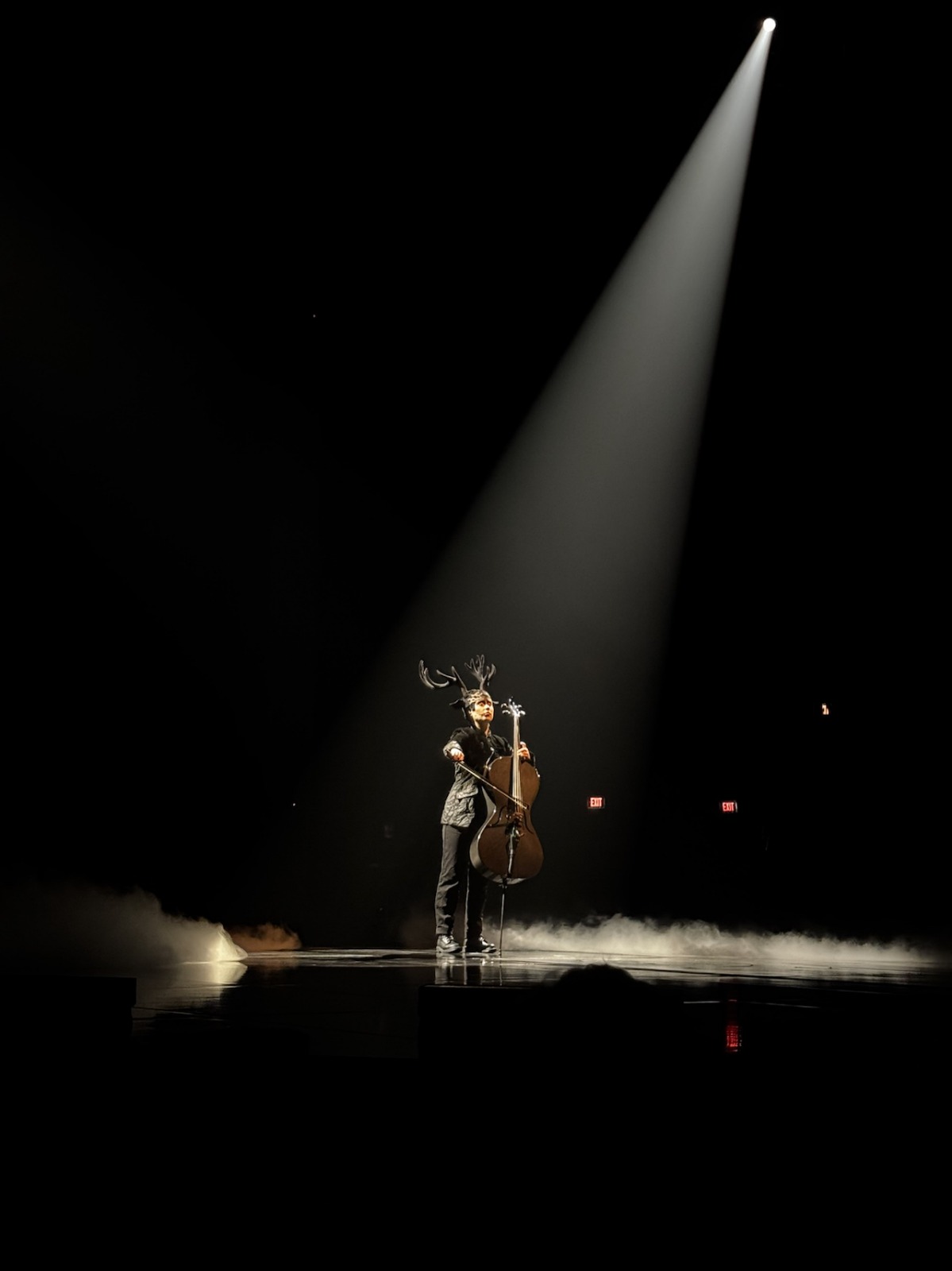
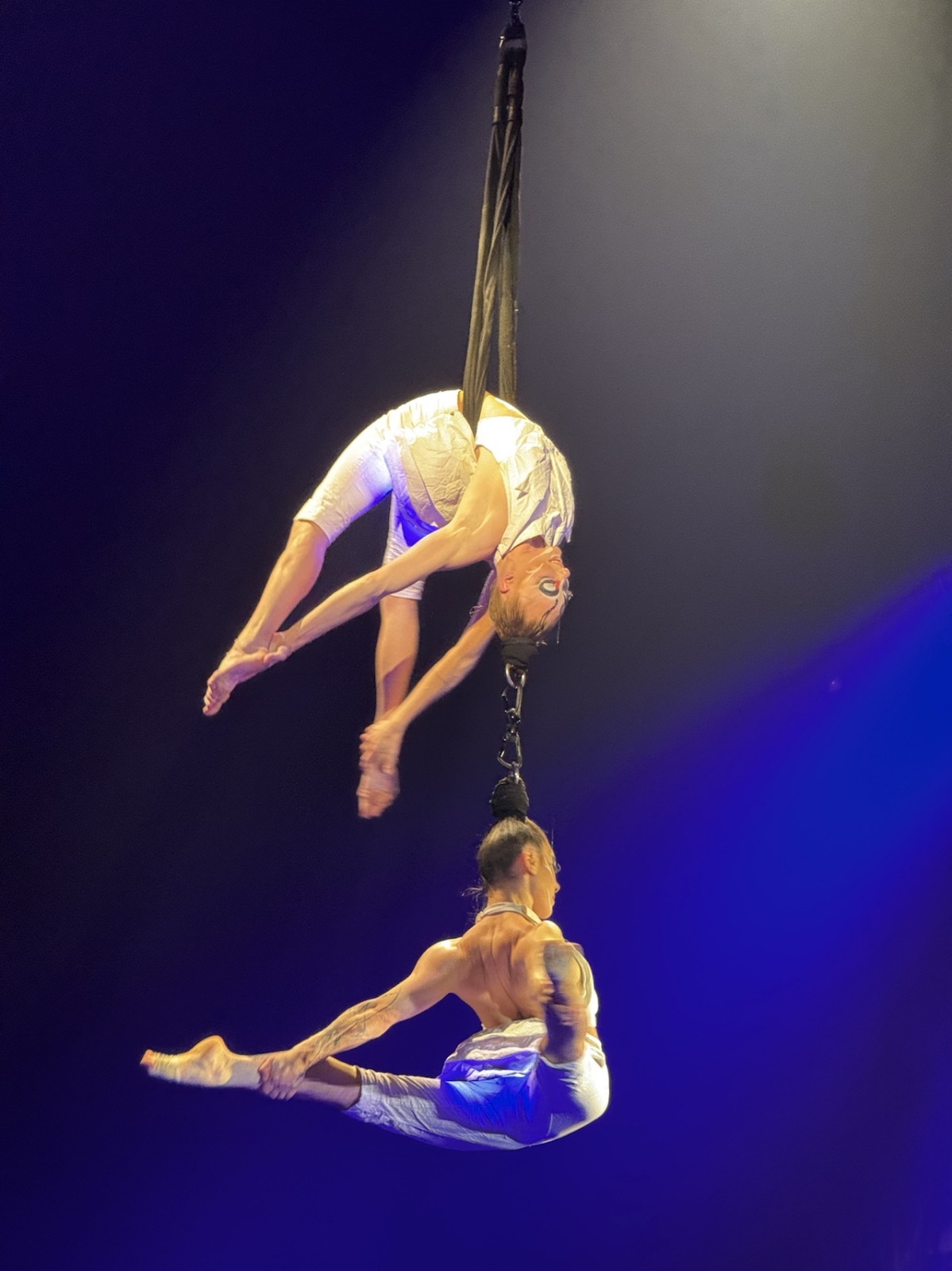
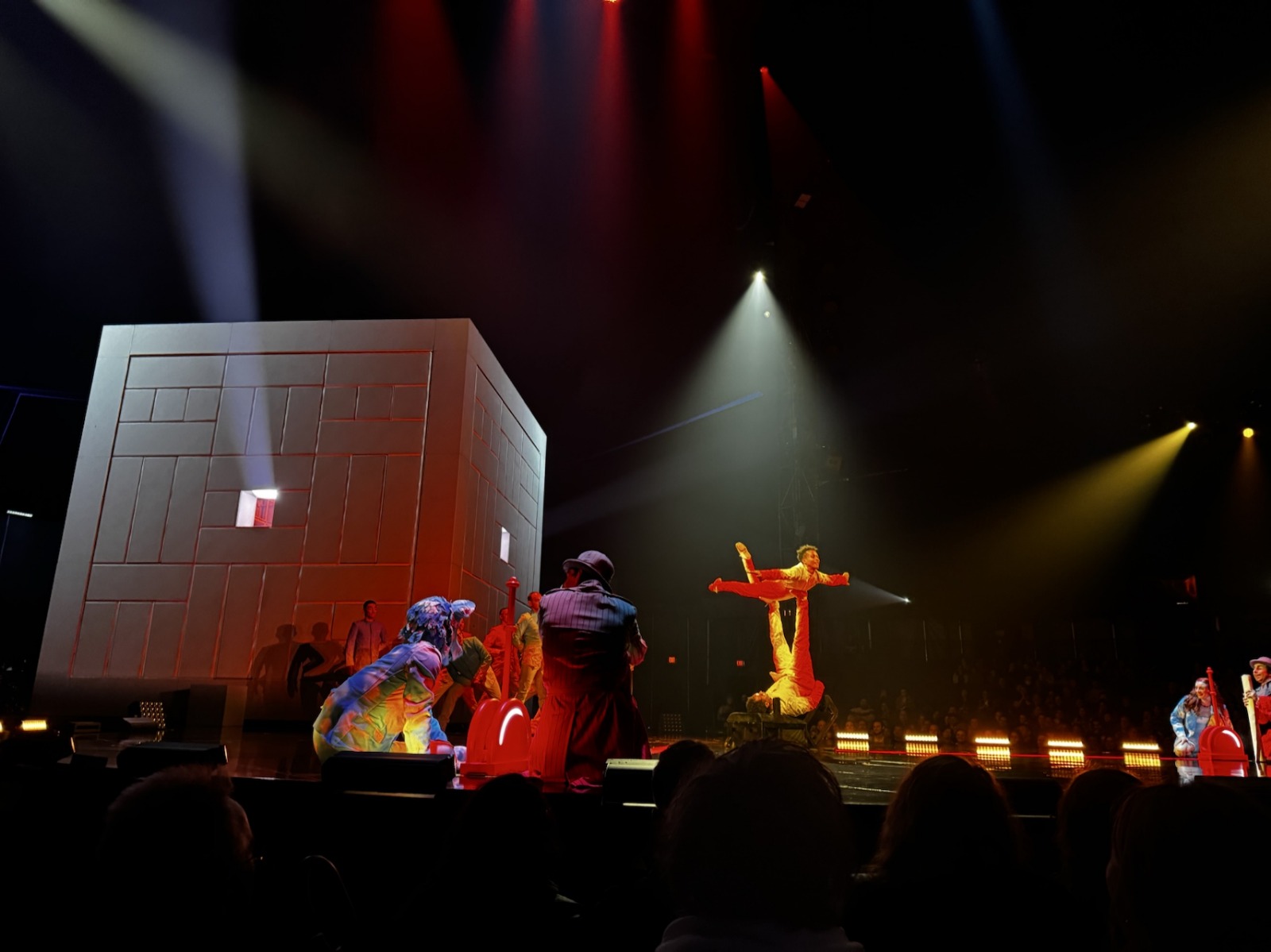
When you step into Echo, you’re not just entering a circus tent — you’re walking into a living, breathing question about the future. Created by Cirque du Soleil, this production blends breathtaking acrobatics, live music, and symbolic storytelling into an experience that feels both intimate and epic.
Currently playing in Redmond, Washington, Echo unfolds inside the iconic Grand Chapiteau, where the boundaries between stage, audience, and imagination seem to dissolve.
A Story Told Through Movement and Metaphor
At the heart of Echo is a young girl named Future — a curious observer and active participant at the same time. She represents hope, imagination, and humanity’s eternal desire to understand its place in the universe. By her side is Ewai, her loyal dog, who is far more than a companion. Ewai embodies instinct, joy, and an unbroken bond with nature, grounding the story in emotion rather than words.
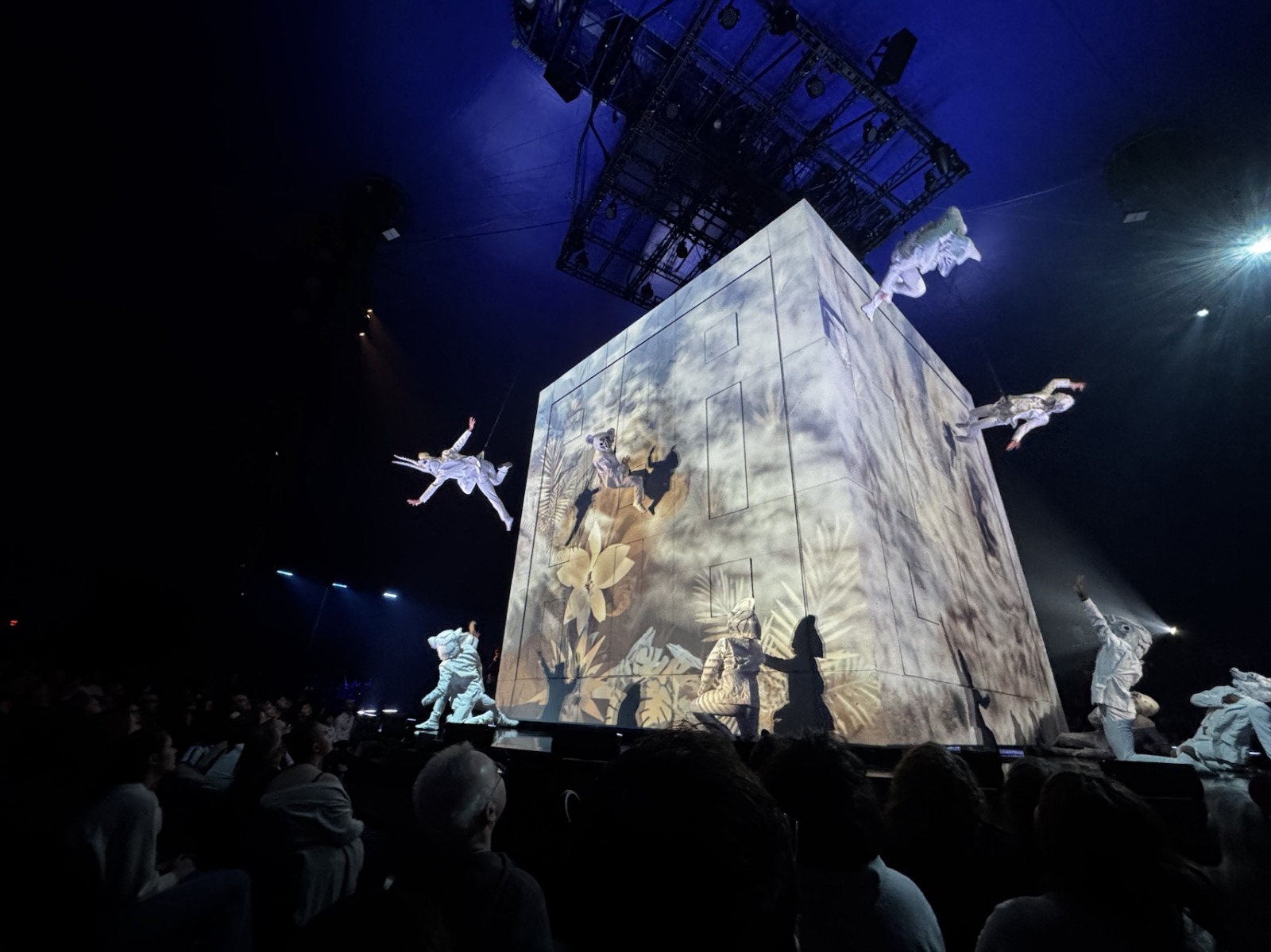
The world they inhabit revolves around a massive Cube — the visual and conceptual centerpiece of the show. Constantly assembled, dismantled, lifted, and balanced, the Cube acts as a metaphor for civilization itself: knowledge, systems, ambition, and fragility all wrapped into one evolving structure. Through it, Echo asks a deceptively simple question: can we build something new without destroying what already exists?
Along their journey, Future and Ewai encounter a cast of symbolic figures. The Cartographer is a thinker and guide, always searching for direction, mapping paths that may or may not hold. His presence reflects humanity’s reliance on knowledge — and the risks that come with it.
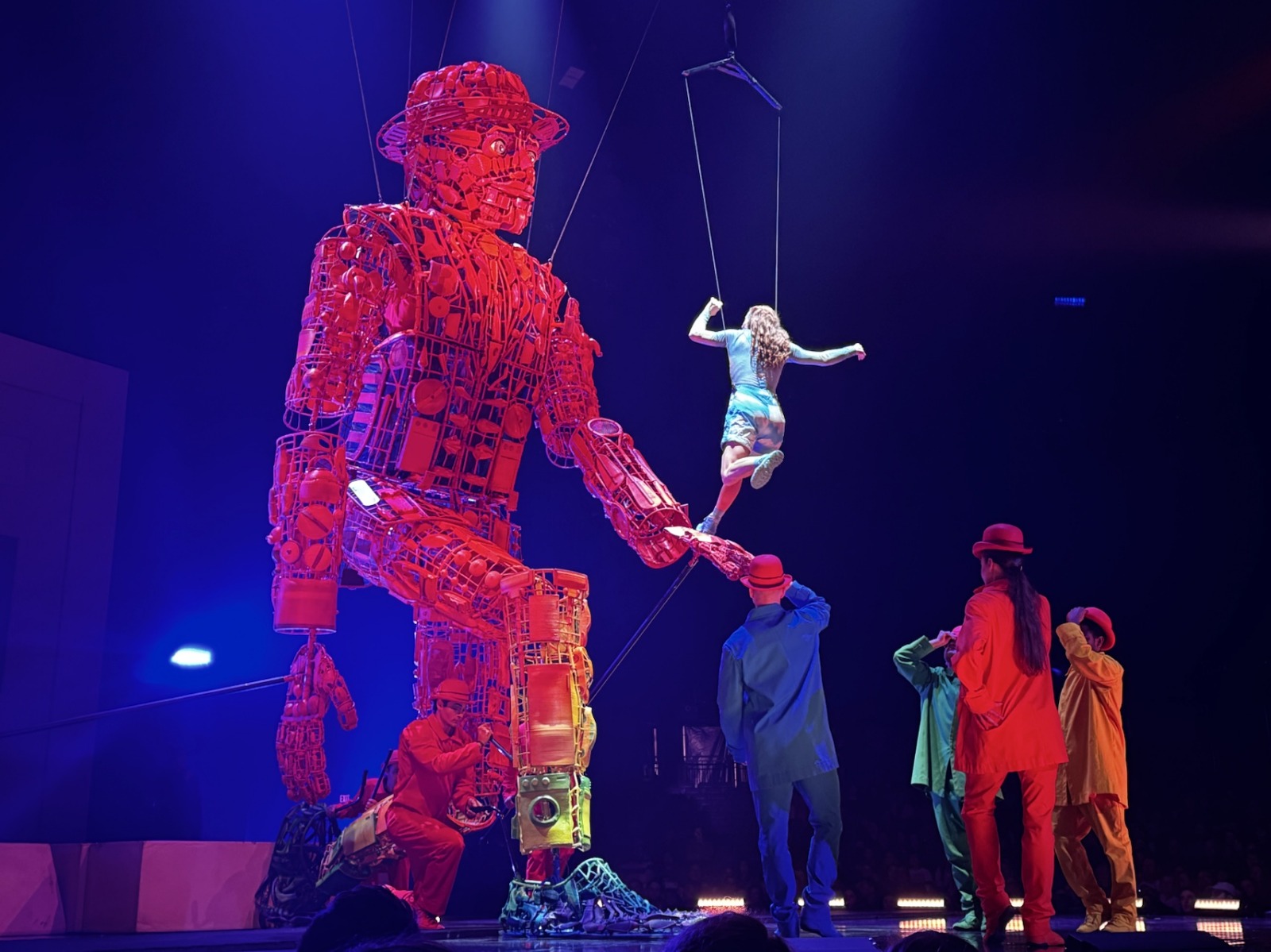
Then there are the playful, chaotic characters endlessly moving objects, dropping them, stacking them again. Their humor masks a deeper truth: even with good intentions, humans often create disorder. Echo treats this gently, with irony rather than judgment.
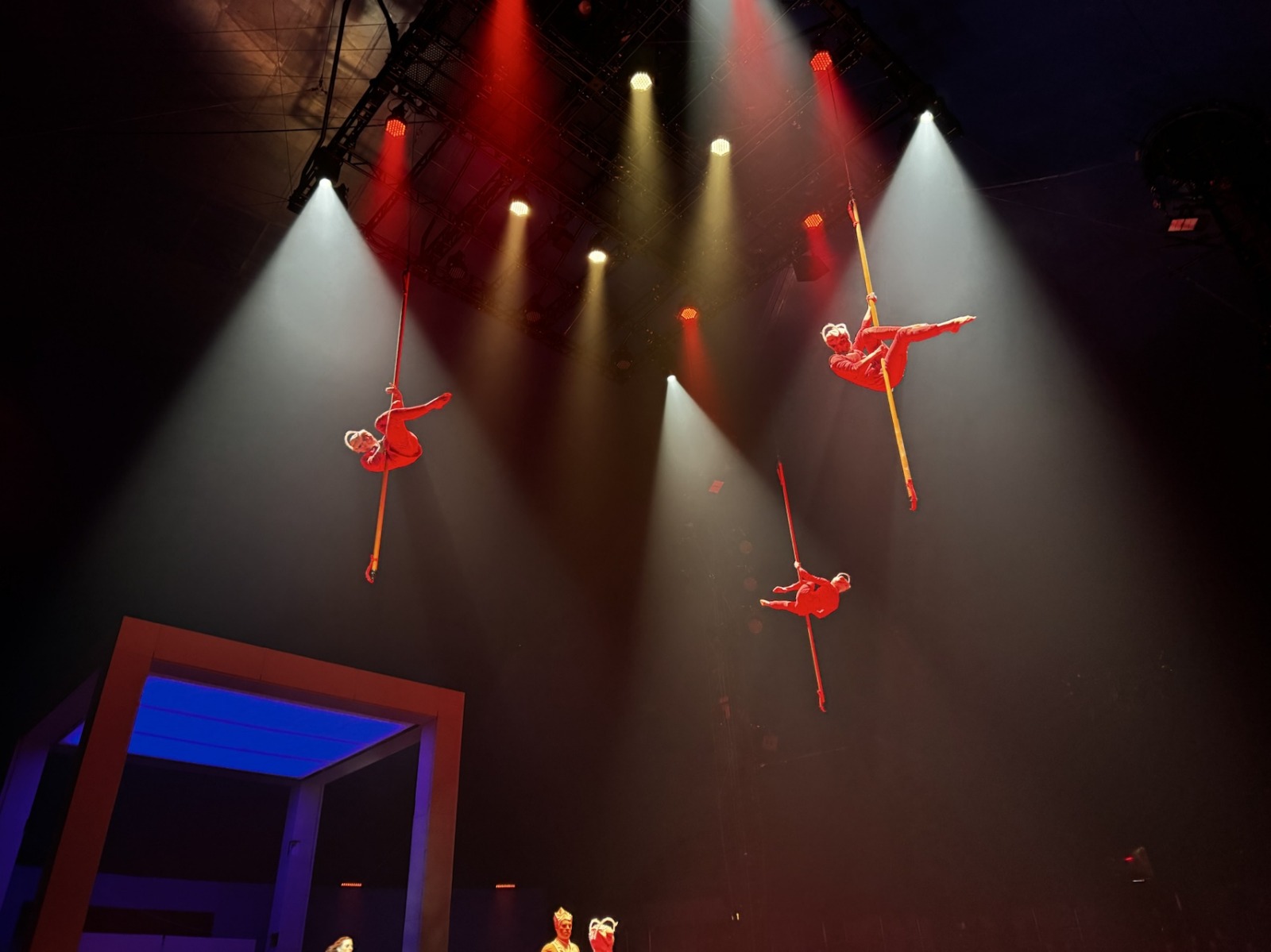
Equally important are the fragile, animal-like beings and nature spirits that drift through the performance. Dressed in pale, almost paper-like costumes, they move carefully, quietly, as if the world might break beneath them. Their vulnerability is intentional — a reminder that every human action reverberates through the natural world.
Music in Echo is not background — it is a character of its own. Live musicians and vocalists weave sound directly into the performance, guiding emotions from hushed wonder to soaring intensity. The score feels organic, as if the world itself is breathing along with the performers.
An Ending Without an Answer
Echo doesn’t conclude with a moral neatly tied in a bow. Instead, it leaves you with a feeling — a sense of possibility. The world, it suggests, is still unfinished. What comes next depends on whether we learn to listen to the echo of our own actions.
This is not a spectacle meant to be simply watched. It’s an experience meant to be felt — and remembered.
This is an article of Planet Seattle.


News 15-12-2025
"We are not smart enough…"
Part One. And the Ponies Just Keep Galloping
Last year's report from the Center for Strategic and International Studies (CSIS) aimed to "decode" and interpret Moscow's nuclear rhetoric. As Russia's war in Ukraine approached its one-year mark, Putin repeatedly threatened to use nuclear weapons, and it would have been good to understand why he was doing this and what could be done about this beauty. Well, for example, if it turned out that Putin was grabbing for the nuclear club when things were going badly at the front, this would have allowed for building at least some kind of strategy. Unfortunately, everything turned out much worse, and perhaps the Americans' main mistake was trying to analyze facts - this doesn't work with Russia. Therefore, based on the interpretation of Russia's nuclear vacillations, the report's authors came to a logical conclusion: "Hell knows what this all means, sir!" Analyst Lachlan Mackenzie suggested that if you try to analyze what appears in the media, "Russian threats seem disconnected and unrelated to each other." Former U.S. Deputy Secretary of State and Director of Policy Planning Heather Conley suggested listening only to Putin and taking his statements seriously, even if they're meant for domestic consumption: "Although Putin and Xi Jinping are autocrats... perhaps they're the ones we should believe." Between the options "all this is done to satisfy the domestic audience and reassure the Russian military elite" and "Putin himself believes that this way he can deter NATO troop deployment and win the war with Ukraine," the authors couldn't decide.
Nevertheless, the report contains much important information. Firstly, the authors described for history three phases of escalation in Russian nuclear rhetoric:
Phase I (February – July 2022): Russia's imitation of deterring NATO intervention in the first months of the war. Russian threats were mainly focused on deterring an allegedly planned NATO intervention in Ukraine and the implementation of a no-fly zone. Under this pretext, in late February, Putin ordered Russia's nuclear forces to move to a heightened combat readiness status, and a couple of months later stood them down, and after the convening of the UN Conference on the Review of the Treaty on the Non-Proliferation of Nuclear Weapons (NPT), Moscow quieted down for some time.
Phase II (August – October 2022): with Ukraine's successes on the front, nuclear rhetoric intensifies. When Ukrainian forces began their counteroffensive in August-September, Russian statements about the possibility of using nuclear weapons resurfaced. Putin stated that Russia would use "all available means to protect" the annexed Ukrainian territories, which many interpreted as a hint at the use of nuclear weapons. (I'll note that Putin didn't limit himself to rhetoric: during this time, there was a large-scale transfer of tactical nuclear weapons, which the Americans missed).
Phase III (November 2022 – early 2023): respite and further escalation. Under pressure from China and India, Russian threats to use nuclear weapons temporarily ceased. In late 2022, the G20 summit issued a statement on the inadmissibility of using nuclear weapons under any circumstances, and Moscow's responsive silence was interpreted by many as "Moscow was cooled down by this." It seemed like the danger had passed. But in January 2023, Putin suspended Russia's participation in the nuclear arms reduction treaty without any apparent reason. At this point, the authors reasonably stopped looking for logic in his actions.
Secondly, in the CSIS report, the section "Growing Support for the Ban on Nuclear Weapons" is worth noting. It begins with the statement that "while world leaders try to prevent Moscow from starting a nuclear war," the number of countries supporting the UN-developed draft treaty on the complete prohibition of nuclear weapons "continues to slowly increase and has reached 69 countries." And further: "the list of countries supporting this treaty still doesn't include any nuclear powers." Maybe they weren't invited? - No: many "nuclear" NATO members "attended the council meetings of these countries as observers, cautiously stating that they don't intend to join the treaty." Why? It turns out that the UN-developed draft treaty on the complete prohibition of nuclear weapons doesn't mention Russia at all. Not once! That is, in the UN, there's a fight against a spherical nuclear threat in a vacuum, but there's no Putin who's brandishing a nuclear club and withdrawing from treaties. (Are you also not surprised?) And the CSIS report correctly points out that the UN draft treaty "missed an opportunity to gain greater support by pointing out the danger of Russia's nuclear threats against Ukraine," which indicates "continuing disagreements between the idealistic global prohibition of nuclear weapons and pragmatism in the face of Putin's war. The TPNW may have moral authority on paper, but it has yet to clearly limit the actions of real nuclear forces, such as Russian ones." That's how you find out that the UN not only has problems with its head, but herds of pink ponies are parading in formation there, and there's still much to deal with regarding them.
Part Two. "Russia Launches Low-Yield Nuclear Strikes on Polish Infrastructure"
On October 18, 2024, the same Center for Strategic and International Studies released its next major study "Project Atom 2024." (The subtitle "Nuclear Deterrence: What Does Washington Think?" is almost symptomatic here: having despaired of finding any logic in Moscow's actions and statements, the experts decided to focus on a simpler task. But in reality, work on the study began in early 2024, when leading American nuclear weapons experts gathered in Washington to discuss the most unpleasant scenario: what to do if nuclear deterrence fails?)
The study's authors acknowledge that neither treaties nor old nuclear deterrence models developed during the Cold War work anymore, new approaches are needed that take into account both the changed balance of powers and the emergence of new players on the world stage. Deterring monkeys with nuclear grenades may end in failure. Should we prepare for nuclear war? Yes. ("But that's not certain"). So, what's this about?
At the center of the current confrontation is the real opponent. China. Russia is viewed as an unhinged but very serious player, capable not only of decisive actions but also of pushing China toward starting a nuclear conflict. This wasn't always the case, and American analysts view Putin's war with Ukraine as the turning point. "The failure of deterrence is rooted in 2014 when Russia annexed Crimea," notes Rebecca Davis Gibbons. In her opinion, it was the anemic Western reaction to the occupation of part of Ukraine that significantly influenced Moscow's subsequent strategic calculations and prompted it to begin nuclear blackmail.
Moving to the present, American experts are trying to rationalize Russian nuclear doctrine as conceptually amounting to "the use of tactical nuclear weapons under the pretext of de-escalating military actions." It would seem this only applies to Ukraine, but - no. As Ankit Panda notes: "Russia may be more inclined to go all-in and try to preemptively destroy U.S. nuclear forces." (At this point, you start to better understand Europeans' concern for their own security and the helplessness of claims that "we are protecting the West from Putin").
Meanwhile, Europe is strictly speaking absent from the confrontation formula: experts point to the unequivocal and overwhelming superiority of Russian nuclear forces over European ones. "European allies cannot count on British and French nuclear forces as a real alternative to the American nuclear umbrella." (Here it should be noted that although formally the effectiveness of the American missile defense system supposedly exceeds 80%, even one Russian nuclear bomb exploding on European and U.S. territory is considered a catastrophic scenario).
And what about China? Two directions are important here. On one hand, it's clear that Americans are extremely concerned about partnership with Russia: China coordinates its actions with Moscow, conducting joint naval exercises, Russia is ready to provide China with any resources to strengthen military and economic cooperation, both countries share a "vision of a multipolar world" opposing American hegemony. Well, everything is clear here, and this wouldn't cause concern if Beijing wasn't simultaneously building up its nuclear arsenal. Meanwhile, China views "reunification" with Taiwan as a key goal, and its leadership is ready to use military force (including nuclear weapons) to achieve it, and this is truly frightening.
Now - the most fascinating part. The document doesn't present direct evidence of China's readiness to use nuclear weapons, but part of the study is devoted to the "2027 scenario." This is a hypothetical scenario where the use of nuclear weapons is considered as a "last resort." The hypothetical scenario for the start of nuclear war considered by the Center for Strategic and International Studies looks like this.
In 2027, growing tensions around Taiwan lead to a large-scale military clash. The situation begins to escalate after pro-independence sentiments strengthen in Taiwan, and presidential candidates make statements supporting the island's independence. In response, China begins military preparations in Fujian province, bordering the Taiwan Strait.
During this same period, Xi Jinping and Putin hold a joint summit, where Putin expresses support for China's position on Taiwan. The countries announce joint naval exercises in the Pacific Ocean, which are to coincide with Russian military exercises near western borders, including both conventional and nuclear forces.
The U.S. and its allies, perceiving the situation as an immediate threat, strengthen their military presence in both regions and warn that "wars of conquest will be punished." The situation sharply escalates on May 14, when China begins missile strikes on Taiwan as part of preparation for a full-scale invasion. The next day, Russia strikes Polish transport infrastructure and attempts an invasion. The U.S. and allies successfully counter these actions: American and allied forces intercept Chinese landing ships, while Polish and Lithuanian forces repel the strikes and enter the Kaliningrad region.
In response to military failures, both Russia and China resort to using nuclear weapons. Russia launches low-yield nuclear strikes on Polish infrastructure and NATO forces, resulting in approximately a thousand casualties, including American military personnel. China delivers a 50-kiloton nuclear strike on a U.S. naval base in the Philippines, resulting in about 15,000 deaths.
Part Three. "Let Whatever Burns Burn, As Long As There Will Be No War"
The hypothetical scenario of the start of nuclear conflict described in part two, developed by CSIS, is an analytical exercise aimed at helping politicians and military strategists better understand the complexity of decision-making in extreme situations. The document's authors repeatedly emphasize that due to the absence of historical precedents for the use of nuclear weapons in conflicts between nuclear powers, any assumptions about the development of such events remain purely theoretical.
At the same time, in general, the authors view China as a rational economic partner who has so far demonstrated measured strategic decision-making. According to Ankit Panda's analysis, China "adheres to a more cautious approach to nuclear deterrence," and the main regional risk is associated with China's policy toward Taiwan. Russia, however, is viewed as "more inclined to take risks and more ready for preemptive actions" (and we've all repeatedly seen these "preemptive actions" - in Georgia, Ukraine, Syria).
Christopher Ford believes that even in the case of territorial gains, "Moscow lacks the economic, demographic, and material resources to hold them in the long term," and this too could push the irrational Putin toward unhealthy actions. This variant of starting a nuclear conflict is considered the most likely: beyond the "2027 scenario," experts primarily consider the scenario of unmotivated use of tactical nuclear weapons by Russia under the pretext of de-escalation.
And, let's say, Putin starts a nuclear conflict. What do the experts recommend? In the short term, in case such a scenario develops, they suggest the U.S. focus on preventing full-scale nuclear war, even if this requires certain tactical concessions. Meanwhile, the military response should be decisive enough to demonstrate readiness to protect allies, but not so aggressive as to provoke further escalation.
Based on Project Atom 2024, several response scenarios can be identified.
In case of a single use of tactical nuclear weapons, the "moderate scenario" is considered most likely. It assumes a "restrained but decisive reaction," including:
- A powerful conventional response against military targets
- No immediate nuclear response
- Intensive diplomatic campaign
- Complete international isolation
- Demonstrative increase in NATO nuclear forces' readiness.
In general, "the main goal [at this stage] should be preventing further nuclear escalation leading to large-scale nuclear exchange."
There's no consensus on what to do in case of multiple nuclear weapons use. Melanie Sisson suggests continuing conventional response: seeking diplomatic paths to de-escalation and readiness for compromises to prevent global catastrophe. Gregory Weaver's approach: inevitable nuclear response, use of tactical nuclear weapons against military targets, readiness for further escalation, and demonstration of determination to protect allies.
What will determine the response type? Formally, the main factor is the context. The reaction will depend on the scale of destruction, chosen targets, collateral damage, and military situation at the moment. Here, Ankit Panda makes an important observation: "the president's personality plays a critical role." A normal U.S. president "will seek to avoid the risk of full-scale nuclear war, even at the cost of losing allies' trust," and even 10 years ago one might not have worried about the sanity of American leadership. But now it's impossible to exclude the factor of the Trump factor: we remember how he boasted that he has a nuclear button on the first floor and can get down and press it at any moment.
However, that's a separate sad topic. Let's return to our subject. In the scenario where Putin unilaterally starts a nuclear war with tactical weapons, China's reaction is considered an important factor. Although Putin has repeatedly shown that he can ignore everyone, including Xi, the authors hope that China will take a rational position, and Putin's dependence on China will play a deterrent role.
Part Four. Ballet and Ceramics
What will follow? Under any scenario, the authors predict that one should expect complete international isolation of Russia, maximally harsh economic sanctions, increased NATO military presence in Europe, and a complete revision of the global nuclear deterrence system. The experts pay special attention to the question of U.S. allies. According to Ford, even if the U.S. doesn't respond with an immediate nuclear attack to a Russian strike, they must demonstrate readiness to protect allies by all means. (I'll add from myself that this reads almost like "When they start bombing, then call us, we'll definitely think of something." But on the other hand - what else can be done?)
Further follows a rather detailed list of recommendations for preventing such a scenario. I don't know how interesting all the details are (the study is actually significantly broader than just looking at China or Russia and considers possible reactions from a wide spectrum of countries, including other nuclear states), but I'll list the key points. U.S. leadership is recommended to:
- Strengthen preliminary planning and coordination with allies. Pay special attention to the necessity of conducting joint war games and exercises that will help better prepare for such scenarios.
- Discuss possible actions in crisis situations with allies in advance.
- Develop a more flexible nuclear arsenal, especially in terms of regional capabilities. This will allow for more response options in case of limited nuclear weapon use by an opponent.
- Strengthen strategic communications with both allies and potential adversaries. It's important to clearly indicate intentions and "red lines," while avoiding ambiguity that could lead to miscalculations.
- Pay special attention to maintaining ally unity. The document emphasizes that losing allies' trust could have more serious long-term consequences than tactical military failures.
The report notes that the main goal of all these measures is "not preparation for war, but its prevention through convincing deterrence and demonstration of readiness for decisive action if necessary."
What else? When discussing long-term prospects, the study reports that "economic restrictions, demographic problems, and limited material resources for maintaining long-term confrontation with technologically developed opponents" can drive Russia to the edge in the long term. But we know this ourselves: a couple of times per century, Russia is bound to collapse due to internal problems.
Well, that's about it. 90 pages in small print. The authors don't even ask the most important questions like "What can actually justify a nuclear strike?" or "If any outcome of nuclear war will be unconditionally worse than its cause, can one win a nuclear war?": in the world of Putins and Trumps, not seeking justifications and passing off the bombing of civilians as victory has become commonplace.
But, since we've ended up in a world where "red buttons" are in the hands of people bound neither by moral obligations nor treaties, the authors offer a choice between dying standing and living on your knees. Based on the pragmatic postulate that peace means when they're not bombing you, they essentially suggest living with the hope that Putin will use nuclear weapons against someone else and - only once. They propose not solving the problem but postponing it, hoping that somewhere in the distant perspective, Russia, like the USSR, will collapse from systemic problems.
The "preemptive strike" option isn't considered: if you kill tens of millions of people with the best intentions, you become the villain. And if you're fighting a monster, the line beyond which you yourself become a monster is always closer than it seems, so it's best not to even approach it.
I'll add from myself that an atomic bomb continues to be an atomic bomb, and somehow we need to stop calling it a weapon: this is self-deception. Nuclear arsenals are not weapons, but destroyer of worlds. Let's call it as such. And Russia will continue using it to its advantage: to scare, manipulate, divide and concur. And if that fails, Putin will have only two options: destroy millions of people or admit before the whole world that this was a bluff.
Therefore, the words of George Kennan, architect of the USSR "containment doctrine," remain valid: "The Kremlin's neurotic view of world politics is traditionally based on an instinctive sense of insecurity, fear of more competent, stronger, better organized society... Russian rulers have always felt that their power doesn't stand up to comparison with Western countries' political systems." This is how Kennan explained to President Truman that the Kremlin's aggressiveness was caused by Russia's primordial inferiority complex, it cannot be appeased by gestures of goodwill. As we know, this worked, and the authors of "Project Atom 2024" in a milder form essentially propose the same thing: strengthen, establish, develop...
I read that Robert Oppenheimer once said that not that there's no alternative to a nuclear war, but that we are not smart enough to see the alternative. Isn't that a scary thought?
