On February 22, 2026, Mexican security forces carried out a high-risk operation in the mountains of Tapalpa, Jalisco, targeting Nemesio Rubén Oseguera Cervantes, alias "El Mencho," the founder and leader of the Jalisco New Generation Cartel (CJNG). The raid—led by Army Special Forces and supported by six Air Force helicopters, the National Guard's Immediate Reaction Force, the National Intelligence Center (CNI), and the Attorney General's Office (FGR)—was the immediate trigger for a wave of violence across the country after El Mencho was critically wounded and later died during transfer to Mexico City.
Authorities say the operation followed tracking of a man linked to one of El Mencho’s romantic partners; federal forces also received complementary intelligence from the United States before arriving at the property. On arrival the security contingent came under heavy fire, initiating a firefight that left several cartel members dead and precipitated the capture attempt that ended with El Mencho mortally wounded.
Officials reported an overall toll of eight criminals killed, two detainees, and three soldiers wounded. Four CJNG members were killed at the scene while others died during or after transfer, including El Mencho. Security forces also seized an array of weapons, armored vehicles and rocket launchers capable of threatening aircraft, underscoring the cartel’s considerable firepower and operational capacity.
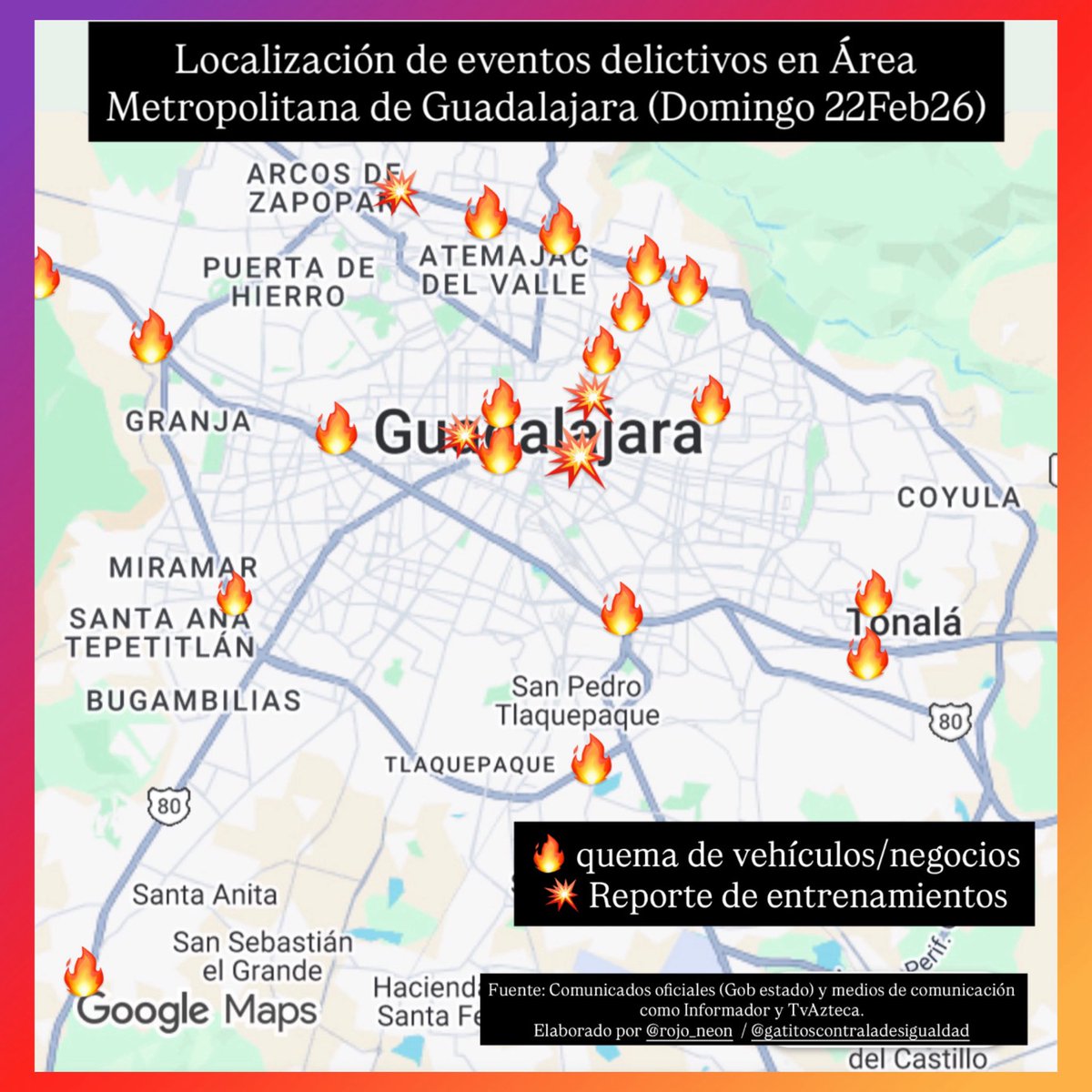
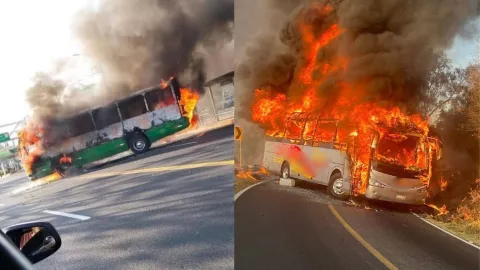
The CJNG responded immediately with a coordinated campaign of violence aimed at disrupting security operations and pressuring authorities. Tactics included massive road blockades using burning vehicles, arson attacks on well-known retail chains such as OXXO convenience stores and Farmacias Guadalajara, assaults on gas stations and Banco del Bienestar branches, and the torching of public transit buses—measures designed to paralyze movement and sow fear among the population.
Analysts note the attacks were synchronized across the cartel’s zones of influence, demonstrating operational coordination despite the loss of the leader. Experts such as David Saucedo said the violence had a political element as well: to cripple economic activity, damage the government’s reputation at home and abroad, and show the CJNG could inflict rapid, widespread disruption when targeted by state forces.
The scale of the unrest was large by objective measures: authorities recorded 252 roadblocks on February 22 across about 20 states, with Jalisco the hardest hit at 65 blockades. By night most had been cleared—229—but 23 remained active and partial closures persisted in some areas. Significant concentrations were reported in Michoacán (13 municipalities) and Guanajuato (multiple cities including León and Irapuato), while Oaxaca alone saw 14 burned vehicles across four municipalities.
Operational and security consequences were immediate: 23 inmates escaped from the Puerto Vallarta prison amid the chaos, and the Tapalpa firefight left three soldiers injured. Two suspects were detained in the aftermath even as authorities worked to reestablish control over highways, cities and key infrastructure disrupted by the CJNG’s actions.
By the morning of February 23 officials, including President Sheinbaum, reported that the country had woken with no active blockades, suggesting containment had progressed. The situation, however, remained volatile: by late morning armed groups in Michoacán had reignited violence in Apatzingán, Aguililla and Coalcomán, setting more vehicles alight and showing how quickly localized escalations could flare back up.
The unrest prompted a range of institutional and commercial reactions: the U.S. Embassy issued travel alerts for several Mexican states; Air Canada suspended flights at Puerto Vallarta; Mexico City’s Northern Bus Terminal halted westbound routes; Palacio de Hierro closed its Guadalajara store; and federal courts were allowed to declare a non-business day on February 23. These measures reflected concern about continuing instability and the immediate economic impact of the cartel’s campaign.
Looking ahead, experts outline three broad scenarios for the CJNG after El Mencho’s death: a negotiated internal succession, a limited factional dispute, or extreme fragmentation with violent infighting. Analysts warn that the cartel’s established line of succession appears disrupted—El Mencho’s son is serving life in the U.S., and other relatives lack consensus support—raising the risk of internal struggles or opportunistic attacks by rival groups. Intelligence agencies have named potential successors and power brokers, while public narcomantas and threats suggest the cartel is willing to engage in overt, high-level confrontation. The government’s operation removed Mexico’s most-wanted drug lord, but the immediate containment of violence leaves a larger, more uncertain danger: a succession battle that could destabilize criminal networks and provoke further violence, with heightened stakes given Guadalajara’s upcoming World Cup matches.
Comments for the news
How do U.S. Embassy travel alerts for Mexican states translate into actions or advisories by the U.S. Consulate in Seattle, and what services or guidance do they provide to Seattle’s Mexican and traveling communities? - U.S. Department of State travel alerts/advisories for Mexico originate with the U.S. Embassy in Mexico City and are published online; there is no "U.S. Consulate in Seattle" that issues separate travel warnings. In Seattle the practical response is: (1) the Consulate General of Mexico in Seattle (serving Mexican nationals) will inform its community and may issue guidance or consular services; (2) local U.S. government offices (State Department regional outreach, district staff for members of Congress) will point constituents to official State Dept. guidance; and (3) community groups, universities, employers, and travel agencies in Seattle relay advisories and may update travel policies. Services available to Seattle’s Mexican and traveling communities include consular assistance from the Mexican Consulate (passports, emergency help, repatriation advice), U.S. State Dept. emergency enrollment (STEP) for U.S. citizens traveling abroad, and local NGO/community-organization alerts. Emergency helplines, safety briefings, and coordination with local media or diaspora networks are common ways advice is transmitted.
Are there direct commercial flights between Seattle–Tacoma International Airport and Puerto Vallarta or Guadalajara that would have been affected by the Air Canada suspension, and how common are Seattle–Mexico routes for tourists and family travel? - Pre-pandemic and currently, SEA has seasonal and year-round direct flights to several Mexican destinations; historically SEA has had direct service to Puerto Vallarta (PVR) and sometimes Guadalajara (GDL) operated by U.S. carriers (Alaska Airlines, WestJet, others) on seasonal schedules. Air Canada’s suspension would affect its own Canada–Mexico routing and connecting passengers through Canadian hubs rather than direct SEA flights. Seattle–Mexico routes are common: many Seattle residents travel to Mexico for tourism, family visits, and conventions; SEA records high seasonal traffic to Mexican resort cities and Guadalajara is a major destination for family and cultural travel. Frequency varies by season and carrier; travelers also use connections through Vancouver, Los Angeles, or Mexico City.
Do Seattle-based fan groups, travel agencies, or ethnic community organizations organize trips to international events like the World Cup in Guadalajara, and how would sudden security crises there typically disrupt those plans? - Yes. Seattle-area fan clubs (sports supporter groups), specialized travel agencies, and Latino community organizations sometimes organize group travel packages for major events. Universities and alumni groups occasionally arrange trips too. A sudden security crisis typically disrupts plans by prompting cancellations, insurance claims, rebooking or evacuation assistance, and coordination with consulates. Organizers often rely on travel insurance, vendor/airline policies, and State Dept advisories; they may postpone or cancel, arrange safer alternate itineraries, or coordinate shelter/transport with local consulates. Costs and logistical complications (lost deposits, seat availability) are common effects.