Do you know where the expression used to refer to poor neighborhoods in American cities came from? The story begins with one steep street in Seattle, huge logs sliding down a hillside, and an astonishing woman with a parrot that could swear in several languages. That street didn’t just build a whole city — it gave America a new word and showed how places can change completely over time.
A giant log slide
In 1852 a man named Henry Yesler built Seattle’s first steam-powered sawmill. But there was a problem: the enormous trees grew high on the hills, while his mill was down by the bay. How do you get massive logs, each weighing more than an elephant, down the hill?
Yesler came up with a brilliant solution. He laid a special road right down the hillside. The loggers greased the road, and huge tree trunks slid (in English, “skid”) down straight to the mill. Imagine entire trees sliding down a hill like children on an icy sled hill in winter! Only instead of squeals of delight there was crashing and snapping, clouds of dust, and the shouts of workers.
They called that road Skid Road — literally “the road for skidding logs.” Today it’s called Yesler Way, and cars drive along it, but 170 years ago dozens of giant logs descended it every day from trees that were 300–400 years old.
The woman with character and her unusual parrot
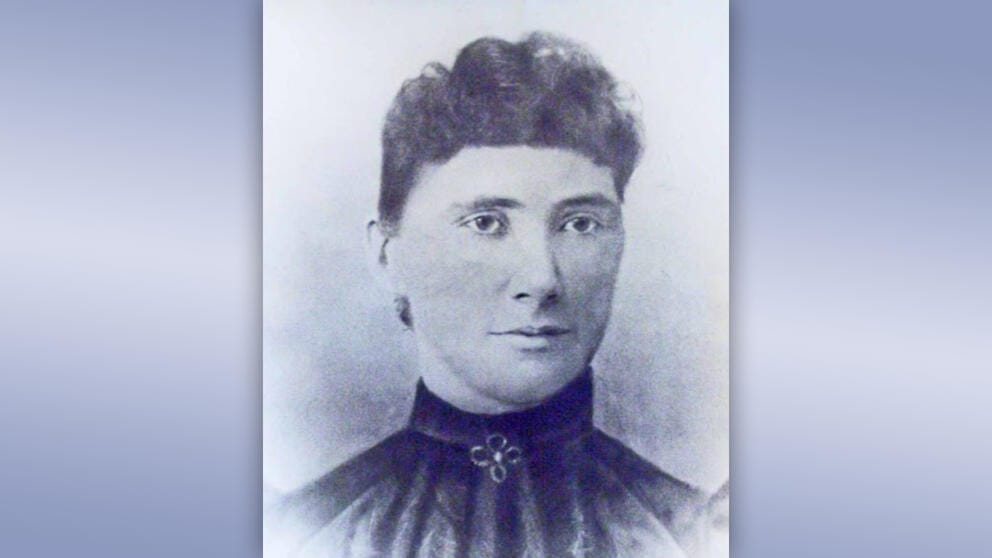
Along that noisy, dusty road the first buildings of Seattle began to appear. One of the most famous establishments was opened by a woman named Mary Ann Conklin. Everyone called her “Mother Damnable” — and not without reason! She was known for her sharp temper and very coarse language, words that polite society didn’t repeat.
Mary Ann ran a restaurant and boarding house — a place to eat and sleep. Her clients were tough loggers with callused hands, sailors from distant lands, and prospectors dreaming of striking it rich. These were rough, often unpolished people, and Mary Ann was the only woman who could make them listen.
But the most astonishing thing was her parrot. The bird could swear in several languages! It heard the speech of sailors from around the world and remembered the most colorful expressions in English, Spanish, and the local Indigenous language. Visitors came not only to eat but also to hear what the parrot would squawk that day.
Despite the roughness, Mary Ann’s establishment became one of the first places in Seattle where people gathered, shared news, and found work. She fed the hungry and gave shelter to the homeless. When the Great Fire of 1889 swept through Seattle and burned much of the city center, places like her boarding house helped people survive hard times and rebuild the city.
How the log road became a poor district
Over time the forests around Seattle were exhausted. Sawmills closed or moved elsewhere. Skid Road was no longer needed for logs, but the neighborhood around it remained. Buildings that had been erected quickly and cheaply for loggers began to decay. People who had lost their jobs, penniless sailors, and those with nowhere else to go started to arrive.
The area became poor and dangerous. People in other parts of Seattle began to say, “He’s gone down to Skid Road,” meaning that someone had fallen, lost everything. Gradually the expression evolved into “skid row” (pronounced almost the same) and spread across America. Now “skid row” in any American city means a poor, blighted district.
So one road in Seattle lent its name to an entire phenomenon! When today in New York, Los Angeles, or Chicago someone mentions “skid row,” few remember that it originally referred to a specific street where logs slid down to Henry Yesler’s mill.
The old road’s new life
But the story doesn’t end there. In the late 20th and early 21st centuries Seattle changed dramatically. The city became a hub for new technologies — headquarters for Microsoft, Amazon, Boeing landed here. Programmers and engineers began buying old buildings in the historic center and turning them into trendy offices, cafés, and galleries.
Today the neighborhood around the original Skid Road is coming back to life. Old brick buildings that remember the days of Mary Ann and her parrot are now worth millions of dollars. Restaurants, museums, and art studios open in them. Tourists come specifically to see the place where Seattle’s story began.
Still, homeless people live nearby — a reminder that poverty problems haven’t disappeared. The city tries to help, building shelters and opening soup kitchens. History repeats itself: just as Mary Ann once fed hungry loggers, people in the area today help those in need.
What one street’s story tells us
The story of Skid Road teaches us important things. First, places can change completely. A log slide became a center of poverty and later a trendy neighborhood. Life does not stand still, and what seems permanent can change in a few decades.
Second, even rough, difficult places can be important. Mary Ann, with her sharp tongue and swearing parrot, created a place where people found food, shelter, and community. She wasn’t a genteel lady from a wealthy home, but she helped build the city.
Third, words have histories. When we say “skid row,” we echo the story of logs sliding down a hill in 1852. Language preserves memory of the past, even when we don’t think about it.
And the story also shows that women participated in building America, even when their names were forgotten by history books. Mary Ann Conklin didn’t command armies or invent machines, but without people like her cities wouldn’t have survived. She fed the city’s builders, and that was important work too.
So the next time you hear “skid row” in a book or film, remember the steep street in Seattle, the huge logs sliding down, and the remarkable woman with a parrot that swore in three languages. That whole rough, noisy, astonishing story is hidden in two simple words.