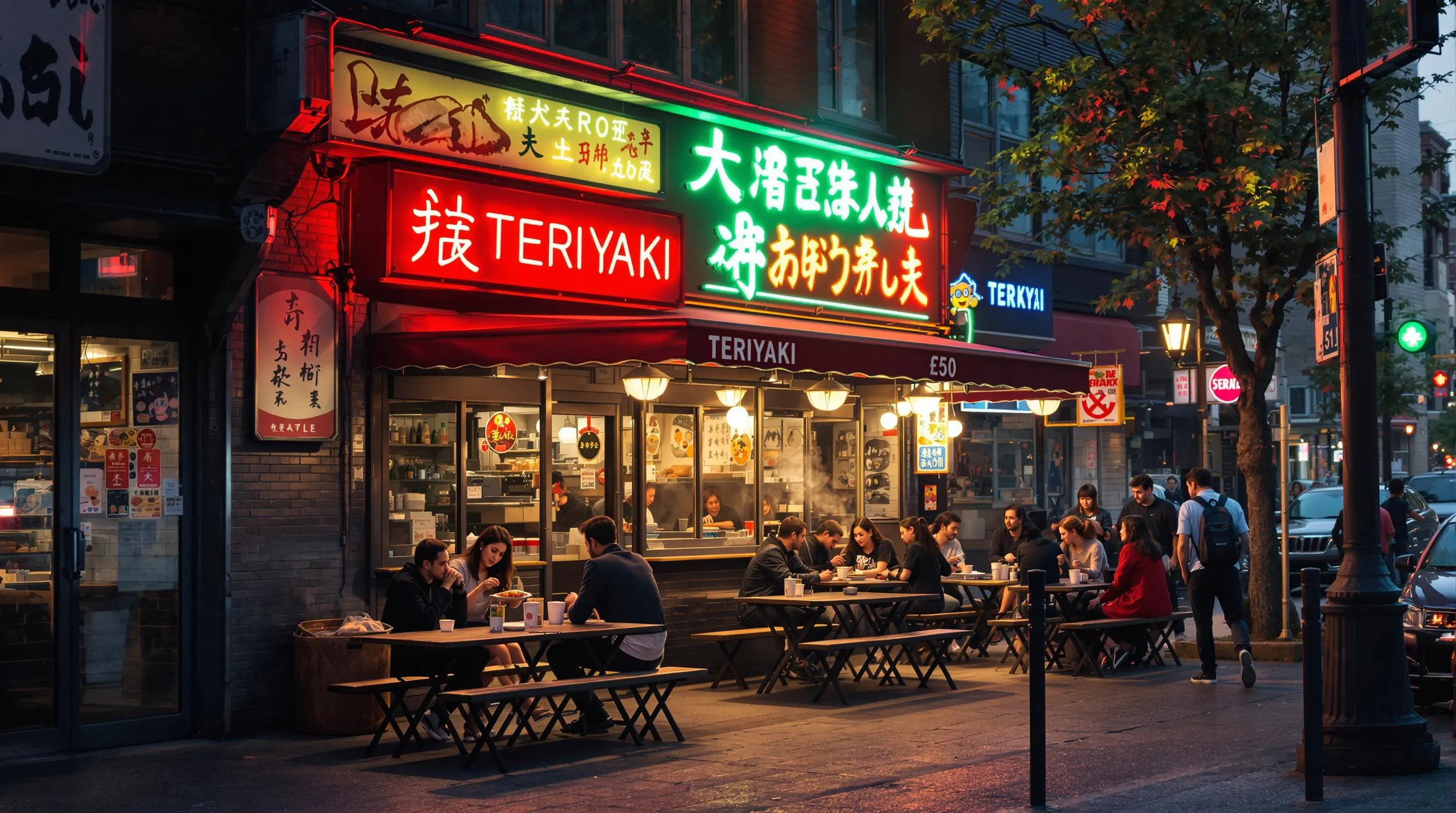
Imagine opening the door to a tiny restaurant and being greeted by a magical smell: something sweet and salty at the same time, sizzling on a hot griddle. The cook waves a spatula, and pieces of chicken in a glossy brown sauce dance over the heat. A few minutes later a plate appears before you with rice, salad and that fragrant chicken. It costs just a few dollars, and it’s so delicious you want to keep coming back. Welcome to the world of Seattle teriyaki — a culinary wonder that changed a whole city, though few people know the story.
In the 1970s something unusual happened in Seattle. Families from Japan and Korea came to this rainy city on the Pacific coast seeking a better life. They didn’t have much money, they didn’t always speak English well, but they had something valuable: recipes from home and a huge willingness to work. And they came up with an idea that seemed simple but proved brilliant: open small restaurants that cooked fast, tasty, and cheap. Thus began a quiet revolution that turned Seattle into the “teriyaki capital” of America.
The man who started it all: the story of Toshiro Kasahara
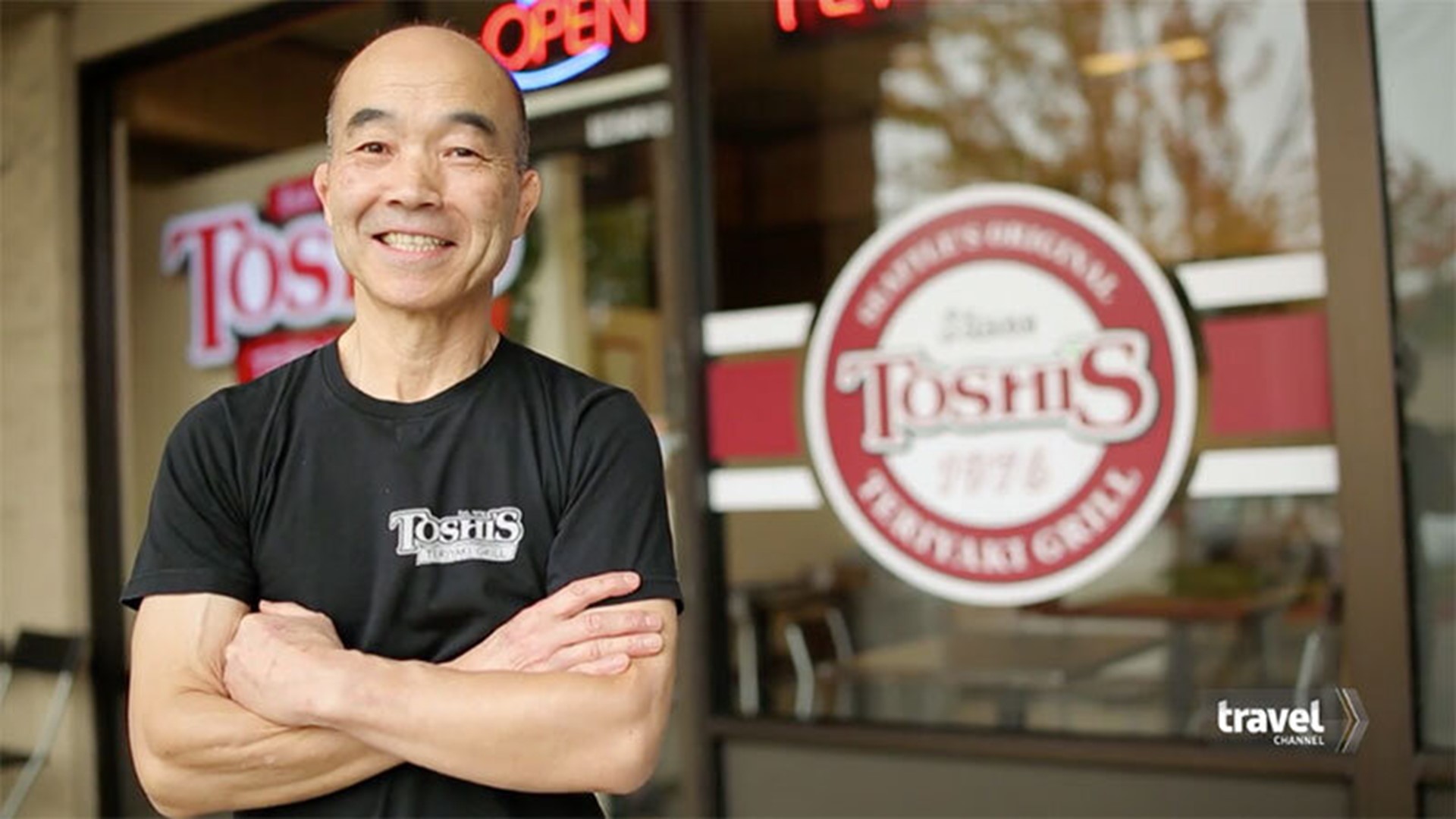
In 1976 a Japanese immigrant named Toshiro Kasahara opened a restaurant he simply called “Toshi’s Teriyaki.” It was a tiny spot where you could grab a quick meal. Kasahara understood something important: Americans liked Japanese food, but it often seemed too expensive or unfamiliar. He decided to make teriyaki — a traditional Japanese dish — more accessible and understandable to ordinary people.
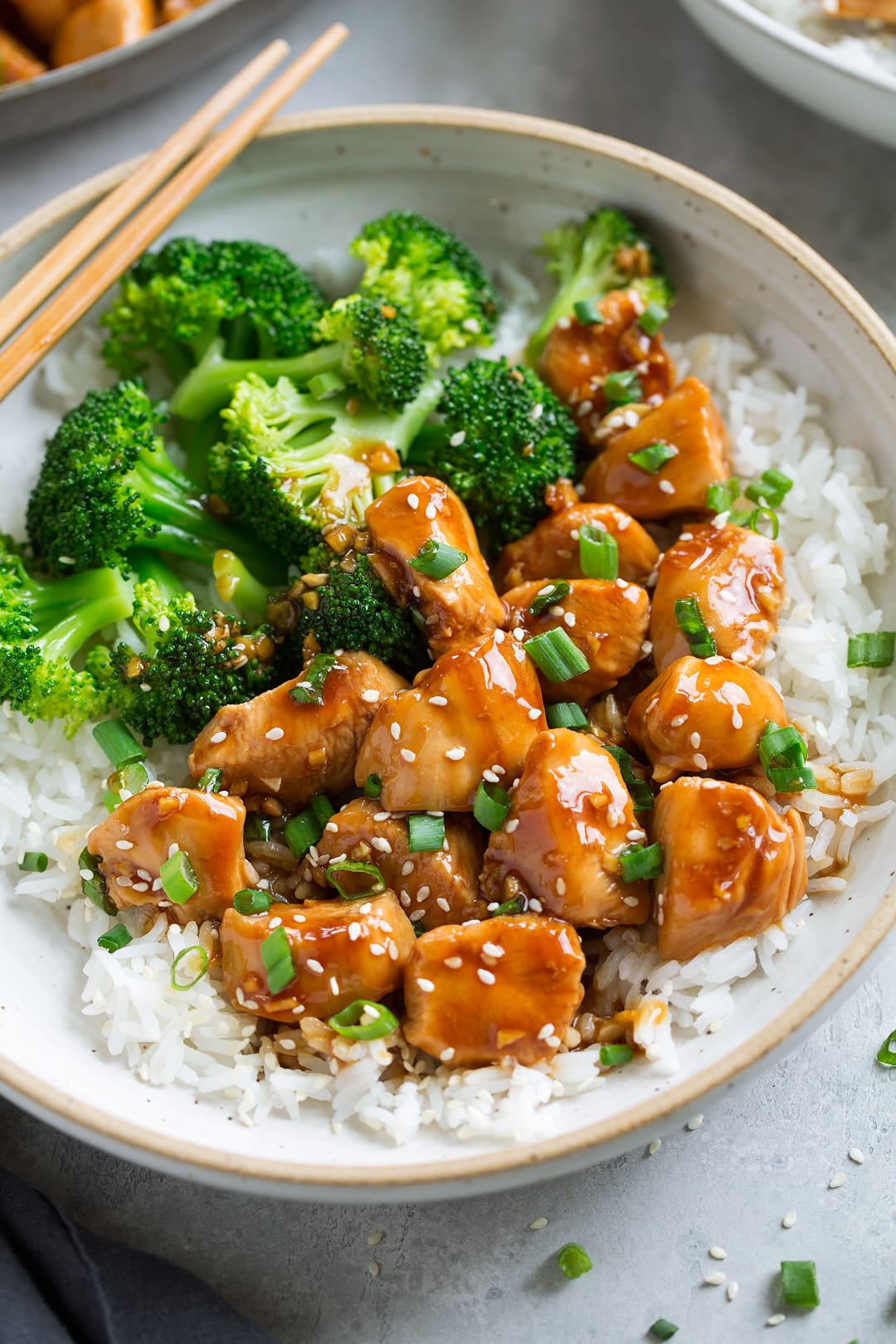
But Kasahara didn’t just copy a Japanese recipe. He created something new — “Seattle-style teriyaki.” His sauce was sweeter than traditional Japanese versions. Portions were larger. And most importantly — he served teriyaki in a special way: chicken (or beef) on a bed of rice, with a fresh salad on the side, all in a convenient takeout box. Price? Less than a meal at a typical American diner. It was like your grandmother taking a traditional pie recipe and tweaking it slightly to suit your family’s tastes — something familiar, yet distinct.
The idea worked incredibly well. People loved the food. Students, laborers, office workers — all lined up at Kasahara’s small counter window. They kept coming back because it was tasty, fast, and honest: you paid a little and got real food made with care.
The wave that changed the city
When other immigrants saw Kasahara’s success, they realized: this was an opportunity. Family after family began opening their own teriyaki shops across Seattle. In the 1980s and 1990s these little establishments sprouted like mushrooms after rain — fitting for rainy Seattle! Each family invested everything in their restaurant: their savings, their hopes, their labor.
Usually it worked like this: a family rented a tiny space, sometimes just 200–300 square feet. They installed a large flat griddle, a few tables, maybe a window counter. The husband cooked on the grill, the wife took orders and packaged food, sometimes the children helped after school. They worked 12–14 hours a day, six or seven days a week. It was hard work, but it gave families a way to make a living, send kids to college, and become part of American society.
And remarkably: each restaurant was a little different. One made the sauce a bit spicier, another added more garlic, a third used a special way of slicing the chicken. Each had its regular customers who swore that this place made the best teriyaki in town. It was like every neighborhood having its “best” pizzeria, and people arguing over whose pie was better.
Seattle teriyaki: what makes it special
If you ever find yourself in Japan and order teriyaki, you’ll be surprised: it’s not the same as in Seattle! Traditional Japanese teriyaki is a method of cooking: fish or meat is grilled and glazed with a sauce made from soy sauce, sweet rice wine (mirin), and sugar. The sauce is thinner, less sweet, and the dish is usually served as part of a larger meal with many small dishes.
Seattle teriyaki is a different story. Here’s what makes it unique:
Features of Seattle teriyaki:
| Characteristic | Traditional Japanese | Seattle style |
|---|---|---|
| Sauce | Thin, balanced | Thick, very sweet |
| Main ingredient | Often fish | Usually chicken or beef |
| Serving | Part of a multi-course meal | All on one plate/box |
| Side dishes | Various small items | Rice and green salad with ginger dressing |
| Price | Moderate or high | Very affordable |
| Where eaten | Seated in a restaurant | Often taken to go |
This transformation is a beautiful example of how food travels and changes. Immigrants took something from their culture and adapted it to a new place, new tastes, new needs. They created a hybrid — something both Japanese and American, traditional and new. It’s like when your family moves to a new city and starts mixing old family traditions with new ones you discover there.
How teriyaki changed Seattle
By the late 1990s Seattle had more teriyaki restaurants per capita than almost any other American city. By some counts there were over 200! That’s more than Tokyo or Osaka on a per-resident basis. Seattle became the teriyaki city.
But the impact of this movement went far beyond food. Teriyaki shops became places where different cultures met. American customers learned about Japanese and Korean culture through food and conversations with restaurant owners. Immigrants learned English by talking with customers. Children of immigrants, working in family restaurants, learned entrepreneurship and hard work.
These little restaurants also changed the urban landscape. They appeared in neighborhoods that didn’t have many dining options, making those areas livelier and more attractive. Office workers knew they could get a good lunch near work. Students could eat well for cheap. Families found a quick dinner option when there was no time to cook.
And importantly: teriyaki restaurants became a symbol of how immigrants can successfully integrate into American society while keeping ties to their roots. Many owners were able to send their children to university. Some of those children became doctors, engineers, teachers. Others continued the family business, but with new ideas and education.
A legacy that continues
Today Seattle teriyaki is part of the city’s identity, like the Space Needle or Starbucks coffee. People who grew up in Seattle often say teriyaki is the taste of their childhood. When they leave the city they miss those little spots with their special sauce and friendly owners.
But the story of Seattle teriyaki is not just about food. It’s about people who arrived in a foreign country without much money or connections and created something valuable. They didn’t ask for charity or special privileges. They simply worked hard, cooked good food, and treated their customers honestly. And the city rewarded them with love.
This story teaches us a few important things. First, cultures shouldn’t be frozen and unchanging — they’re alive, they mix and create something new and beautiful. Second, small actions by ordinary people can change a whole city. Toshiro Kasahara didn’t plan to start a cultural movement — he just wanted to open a good restaurant. But his idea inspired hundreds of other families, and together they changed Seattle.
And third, the story reminds us that behind every small restaurant, shop, or business are real people with real dreams. Next time you step into a small family restaurant — whether teriyaki, a pizzeria, or something else — remember you may be watching someone’s dream in action. You’re seeing people who took a risk, worked tirelessly, and created something special for their community.
Seattle teriyaki is a reminder that the best changes often start simply: with a good idea, hard work, and a desire to share something valuable with others. And sometimes those changes smell wonderful, sizzle on a hot griddle, and are served with rice and salad.