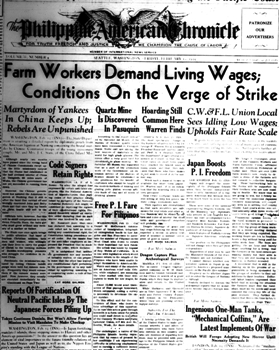
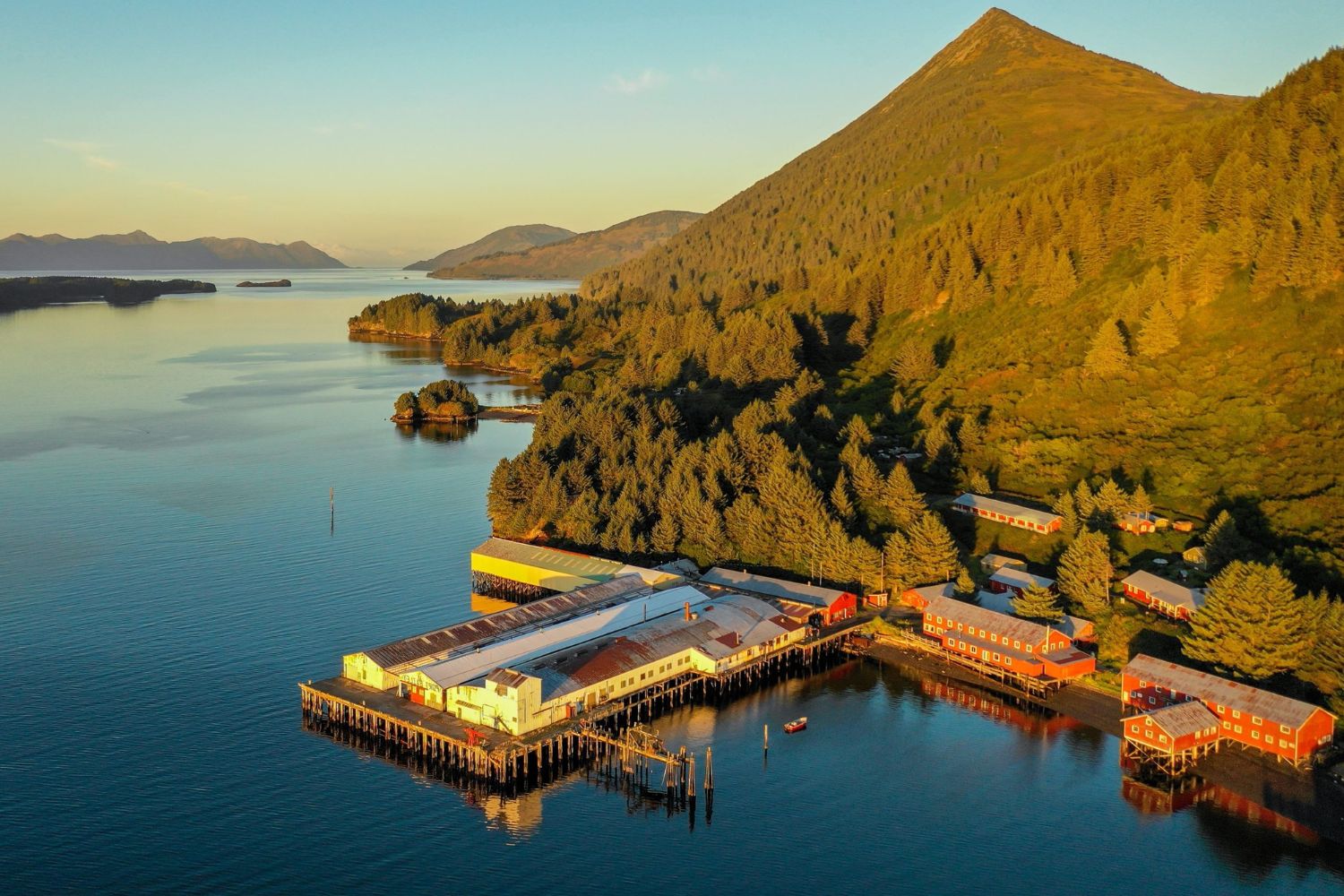
In 1933 something unusual happened in America's cold fish canneries. Workers who cleaned and packed salmon for 18 hours a day suddenly stopped. They didn't shout or break things. They simply stood up, folded their arms and said, "Enough." In their pockets were letters from sisters and daughters in distant Philippines. Those letters gave them the courage to change everything.
This story didn't begin with anger, but with love. And it didn't end with one side's victory, but with the birth of a whole community that still lives on.
Manong: older brothers who left for a dream
In the early 1900s thousands of young Filipinos arrived in America. They were called "manong" — a Tagalog word meaning "older brother" or "respected elder." Most were between 16 and 25. They left mothers, younger brothers and sisters at home to earn money.
Why did they leave? At that time the Philippines had few schools, and education was expensive. The manong dreamed that their younger sisters and brothers could study and become teachers, doctors or nurses. One worker named Carlos wrote home: "I sleep on a hard bunk and eat fish every day, but when I receive your letter saying you got an A in math, I forget all the bad things."
The manong worked in canneries in Alaska and Washington state. In summer, when the salmon ran, they labored almost without sleep. Their hands were cut by sharp knives and fish bones. In winter many were left without work or money. But each month they sent home almost everything they earned — sometimes up to 80% of their wages.
A strike that began with dignity
By 1933 their patience had run out. Cannery owners paid the manong less than white workers for the same work. Filipinos were given the dirtiest and most dangerous tasks. They were forced to live in cramped barracks where two people sometimes shared one bunk — one by day, the other by night.
But the most hurtful thing was something else. Supervisors treated the manong like children or worse. They yelled at them, called them insulting names, and forbade them from speaking their native language. For people who were respected "older brothers" in their own country, this was unbearable.
In the summer of 1933 the workers united. They formed a union — an organization that protects workers' rights. Their leader was a young man named Virgil Duyungan. He was short, but when he spoke everyone listened. Virgil said, "We are not asking for charity. We demand respect and fair pay for our labor."
The strike lasted several weeks. The canneries stopped. The salmon spoiled. The owners were angry and tried to intimidate the workers. But the manong stood together. In the evenings they sat by fires, sang songs in Tagalog and read each other's letters from home. One girl wrote to her father: "Papa, the teacher said I could go to college if I work hard. Is that true?" Those words gave them strength to continue.
From scandal to treasure: the birth of a community
The strike ended with a partial victory. The workers didn't get everything they wanted, but their wages were raised a bit and working conditions improved. But the most important thing happened afterwards.
The manong realized that to survive in a foreign country they needed to stick together. They began creating community halls — special houses where Filipinos could gather, help each other, celebrate and remember their homeland. In Seattle one such hall was called the Filipino Community Hall.
Magic happened in these halls. Elder manong taught children traditional dances — tinikling, where you jump between bamboo poles that clap in rhythm. Girls put on bright ternos with large winged sleeves and learned to move gracefully like butterflies. Boys played guitars and sang old songs.
The community helped newcomers find work and housing. If someone got sick, neighbors collected money for treatment. When a manong died far from home, the community arranged his funeral and sent a letter to his family in the Philippines. No one was left alone.
Over time many manong were able to bring wives and children to America. Their daughters — the very girls for whom their fathers once struck — grew up to become teachers, nurses, engineers. They remembered their fathers' stories and passed them on to their own children.
A treasure that lives today
Today the Filipino Community Hall in Seattle is a true city treasure. It houses a museum where photographs of the manong, their letters, old suitcases and work tools are preserved. Portraits of the 1933 strikers hang on the walls.
But it's not just a museum. Every week Filipino families come here. Grandmothers teach granddaughters how to cook adobo — a traditional chicken dish. Grandfathers tell boys stories about how their great-grandfathers worked in the canneries. Dance groups rehearse tinikling for city festivals.
The story of the manong teaches us important lessons. First, courage is not the absence of fear. The manong feared losing their jobs, feared deportation, yet they still stood up and said: "We must be treated with dignity." Second, the strongest people are those who think beyond themselves. The manong endured hardship for the education of their sisters and brothers. Third, something beautiful can be born from conflict. A scandalous strike turned into a strong, loving community.
The next time you see a can of salmon in the store, remember the manong. Remember the letters in their pockets, the dreams of their sisters, the songs by the campfire. Remember that behind every ordinary thing are stories of extraordinary people. And that sometimes the greatest victory is not winning an argument, but creating a place where people feel at home, even when their real home is thousands of miles away.