Imagine your favorite soda suddenly becoming illegal. You can't make it at home, you can't experiment with flavors — it's simply banned. Then, many years later, the law is repealed and people begin inventing the most incredible machines to make their beloved drinks again. That's roughly what happened in Seattle in the 1980s, except instead of soda it was beer, and ordinary people turned into true engineer-magicians.
The law that banned kitchen experiments
In 1919, America passed a very strict law known as Prohibition. It banned making, selling, and even possessing alcoholic beverages. Although that law was repealed in 1933, one part of it remained: ordinary people were not allowed to brew beer at home, even for themselves, even just a little. It was as strange as being forbidden to bake cookies in your kitchen because they're sold in stores.
That continued until 1978, when President Jimmy Carter signed a law allowing homebrewing. And suddenly thousands of people around the country started experimenting! They tried different recipes, mixed ingredients, wrote results in notebooks — just like scientists in labs. Many of these home experimenters lived in Seattle.
A problem nobody expected
When some homebrewers decided their drinks were so good they could open small breweries, they faced a huge problem. There was no equipment for small breweries sold in America! All the plants were gigantic, owned by big companies, and their machines were the size of houses.
The founders of Seattle’s first modern microbrewery — Red Hook Brewery, opened in 1981 by Paul Shipman and Gordon Bowker (the same person who helped create Starbucks!) — started in an old transmission-plant building in Ballard. They didn't have money for real brewing equipment. Know what they did?
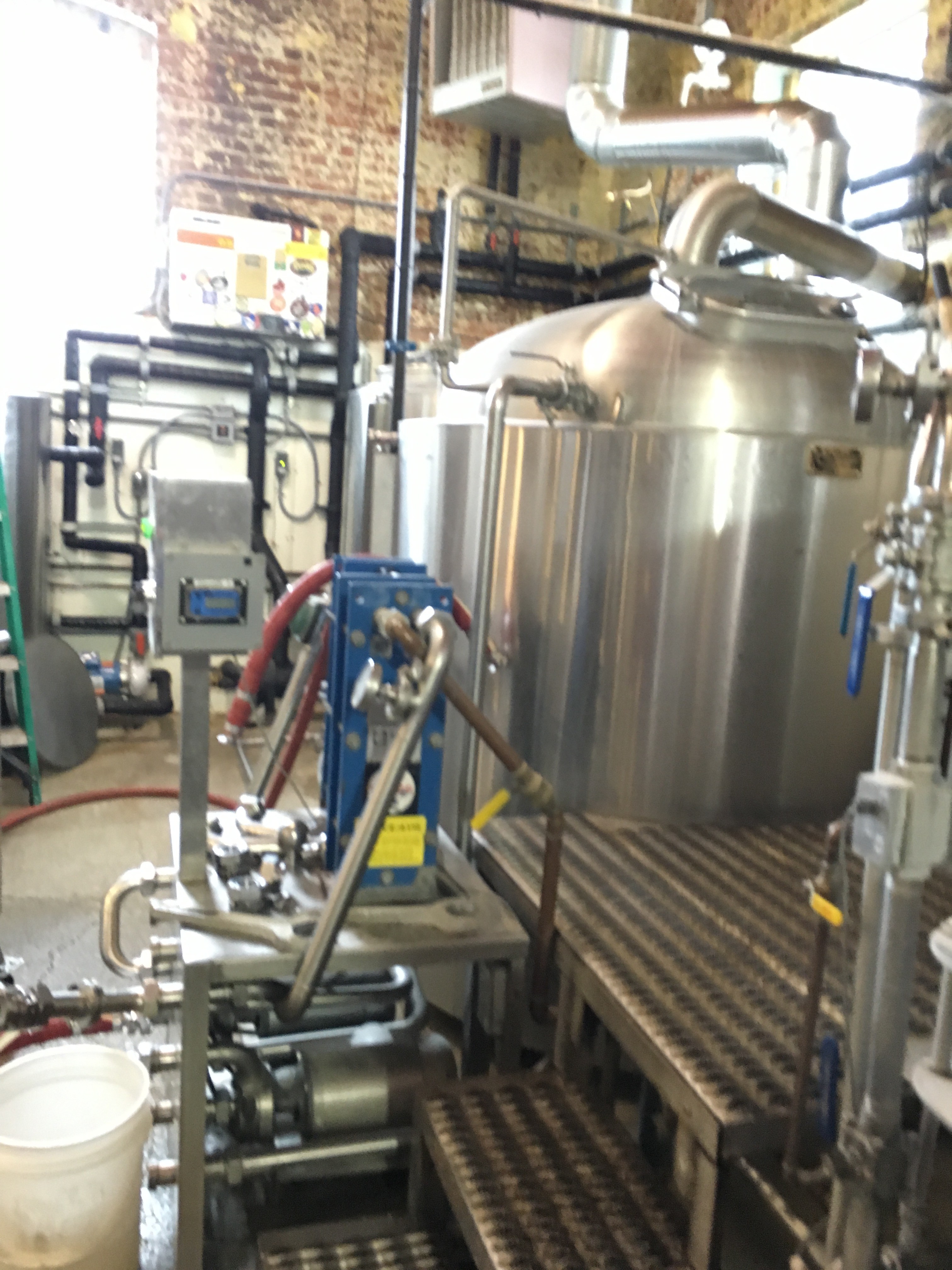
They went to dairy farms and bought old milk cooling tanks! They found metal vats used for completely different purposes and rebuilt them. They took parts from cars, fixed things, welded, and figured out how to connect one thing to another. It was like building a spaceship out of bicycle parts, a garden hose, and an old washing machine.
Garage inventors with big dreams
Imagine a garage or old warehouse where grown-ups in rubber boots stand next to homemade metal contraptions, trying to figure out why something isn't working. They draw schematics on napkins, call friend welders, read old chemistry books. One brews, another fixes a leaking pipe, a third tastes the result and winces — too bitter!
This is exactly how Seattle's first microbreweries looked. In 1982 Redhook Ale Brewery opened in Fremont, in 1984 Hale's Ales, and in 1989 Pike Place Brewery. Each began with a group of enthusiasts who literally assembled their plants piece by piece.
Charlie Finkel, a law professor who founded Pike Place Brewery with his wife Rose Ann, said they learned to brew from library books and consulted with European brewers by phone. It was expensive and difficult — imagine trying to bake a cake from a recipe in a foreign language and being able to call the recipe's author only once a week!
Why this resembles today
Now, as you read this story, kids and teenagers around the world are doing the same thing those brewers did in the 1980s. They build robots from kits and old phones. They create apps to protect nature on computers gifted by relatives. They organize recycling clubs at school, even though no one specifically taught them how.
Greta Thunberg started her climate strike sitting alone with a homemade sign. Thousands of students worldwide create ocean-cleanup projects using materials found in their parents' garages. It's the same story: when something important needs doing and ready-made tools don't exist, people invent them.
Seattle brewers couldn't buy equipment — so they built it. Modern young activists won't wait for adults to solve the planet's problems — they act themselves with what's at hand.
What happened next
By the 2000s Seattle became one of the craft-beer capitals of the world. A city that had only one small brewery in 1980 had over a hundred by 2020! Those homemade plants built from milk tanks turned into real businesses. Many still keep their first homemade tools as mementos of how it all began.
Red Hook grew into a large company, but its founders always remembered their early experiments in the transmission-plant building. Pike Place Brewery still operates near the famous Pike Place Market, and tourists from around the world come to try drinks that were once brewed in converted milk tanks.
The most important thing in this story isn't the beer (you can't drink it until you're old enough anyway). It's that a group of people didn't say, "We don't have the right equipment, so nothing will work." They said, "We don't have the right equipment, so we'll make it." And that changed a whole city.
A lesson for all inventors
When you have an idea — to build a treehouse, start a club to help homeless animals, learn to program, or come up with a way for your school to throw away less plastic — you may face the same problem as Seattle's brewers. You might lack perfect tools, enough money, or experience.
But the microbrewery story shows: you can start with what you have. Milk tanks became brewing kettles. Old warehouses became factories. Kitchen experiments became the start of an entire industry. People who were never trained as engineers became inventors because it mattered to them to make something new.
Today Seattle has monuments not only to famous people but to those early homemade breweries. Because they proved a simple but important thing: sometimes the biggest changes start in small garages, with simple tools and big dreams. And you don't have to wait for someone else to give you permission or perfect equipment. Sometimes you just need to start — with a milk can, a cardboard box, or one good idea.