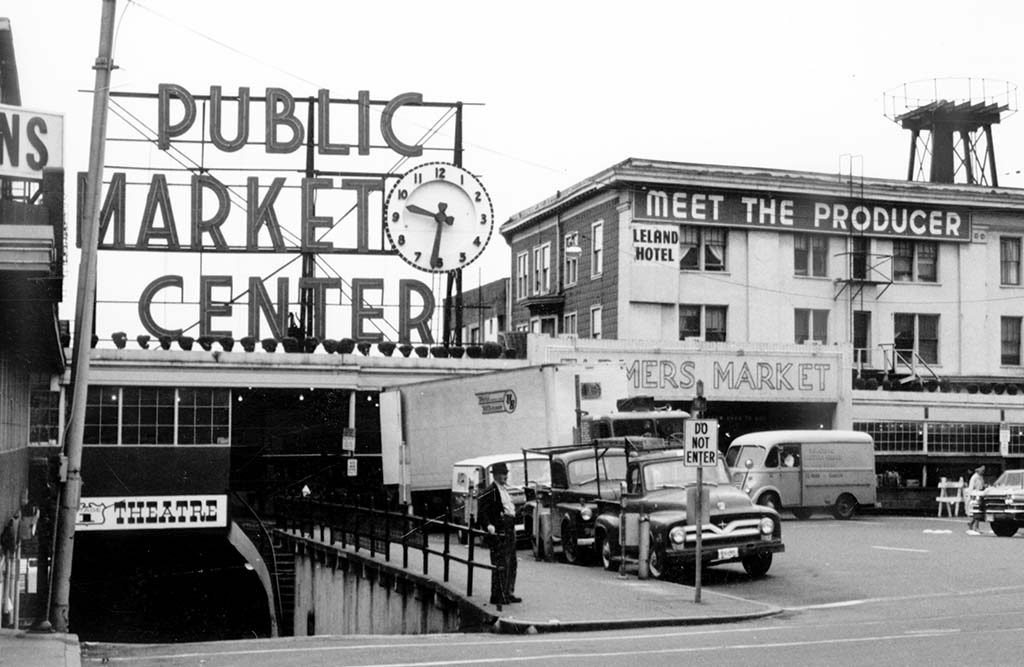
Imagine your favorite place in town — the park where you play, or the café that makes the best ice cream — suddenly slated for demolition to make way for a huge glass tower. That almost happened to Pike Place Market in Seattle in the 1960s. But the story of how people saved that market turned out to be much more important than it first seemed. It accidentally changed how the world thinks about shopping, old places, and supporting small local shops instead of big supermarkets.
When "new" seemed better than "old"
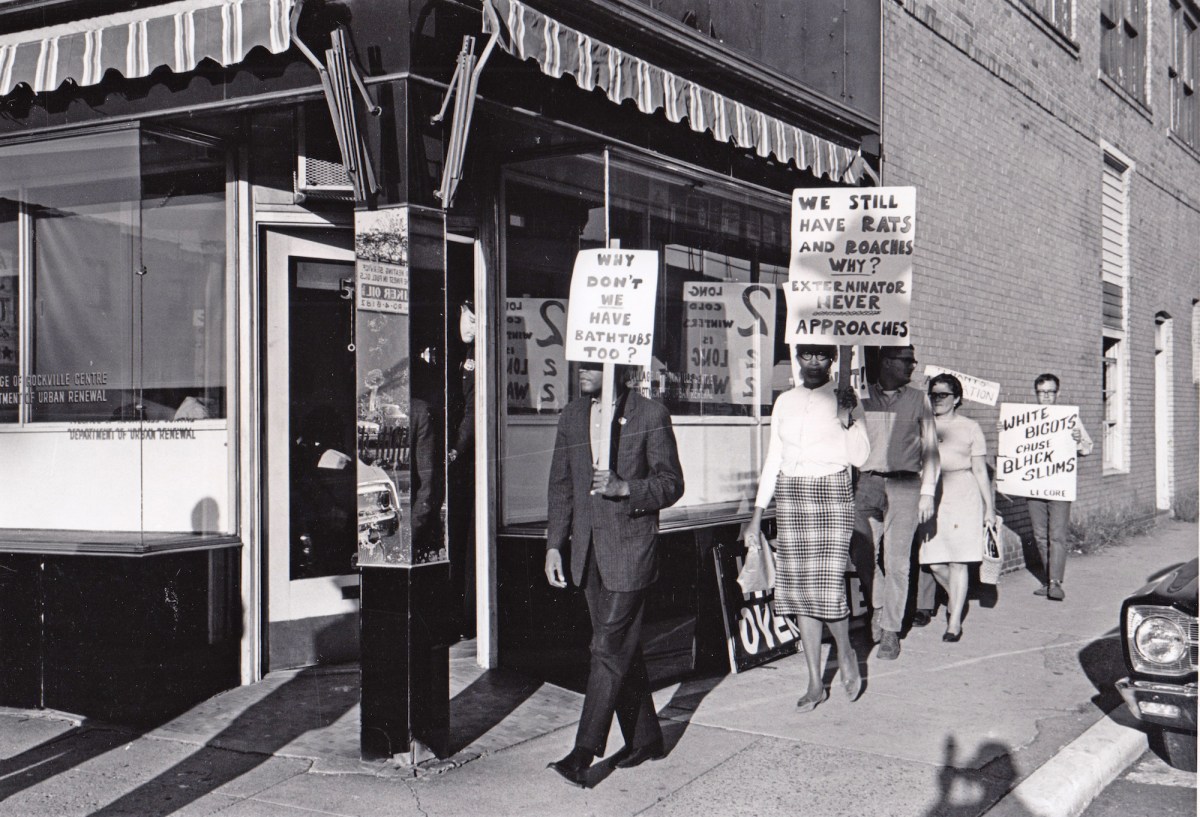
In the 1960s there was a vogue in American cities for everything new and shiny. Old brick buildings were torn down to build tall office towers of glass and concrete. This was called "urban renewal," and many believed it made cities modern and successful. Pike Place Market, opened in 1907, looked old-fashioned: wooden stalls where farmers sold vegetables straight from their trucks, narrow aisles, weathered signs.
Seattle city officials decided the market should be replaced with modern buildings, parking lots, and wide roads. They thought this would bring more money to the city and make it look like other big cities. But they didn’t account for one thing: for many people the market was more than a place to shop. It was a place to meet neighbors, to talk with the farmer who grew your apples, to buy flowers from a woman who knew you by name.
The fight for the heart of the city
In 1971 a group of people — architects, artists, ordinary shoppers — decided to fight back. They created Initiative 1 to put the question to a public vote: should the market remain? They had to collect thousands of signatures to get the question on the ballot. They stood on streets with clipboards, talked to people, and explained why saving the place mattered.
One of the movement’s leaders was architect Victor Steinbrueck. He drew sketches of the market — its stalls, its people, its atmosphere — and showed them to anyone who would listen. He said, "If we lose this place, we lose part of our city’s soul." Artists, musicians, flower sellers — everyone joined the campaign.
When it came time to vote, more than 25,000 people had signed the petition. And in the vote Seattle residents said “yes” to saving the market. It was a victory, but no one then understood how important it would become for the whole world.
How the old market invented "buy local"
After Pike Place Market was saved, something unexpected happened. Other cities in the U.S. and around the world began to look at their old markets and buildings differently. They wondered, "Maybe we don't have to tear everything down? Maybe old places have value?"
But the most interesting change was in the idea of shopping itself. Before the 1970s most Americans bought food at large supermarkets, where products traveled long distances and were packaged in plastic. Farmers’ markets were seen as outdated. But saving Pike Place Market showed that people wanted to know where their food came from and to talk with the people who grew it.
Today there are more than 8,000 farmers’ markets in America — in 1970 there were fewer than 400. The "buy local" movement you see everywhere — from stickers on products to social media campaigns — started with stories like the saving of Pike Place Market. People learned: when you buy from a neighbor farmer or a local artist, you don’t just get a product. You support a person, preserve jobs in your city, and protect the environment (because food doesn’t travel across the country).
Unexpected links to today
If you’ve ever bought something at a school fair where kids sell crafts, or if your mom orders jewelry from a crafter on Etsy instead of going to a big store — these are all echoes of the fight for Pike Place Market. The idea that small, lovingly made things can be better than big, mass-produced ones didn’t start on the internet. It started on the wooden stalls of an old market in Seattle.
Here are a few more unexpected connections:
| What we see today | How it connects to Pike Place Market |
|---|---|
| Farmers' markets in every city | After Seattle saved its market, cities realized people want to buy from local farmers |
| The "eat local" movement | The idea of knowing where your food comes from grew popular after the 1970s |
| Craft fairs and Etsy | The value of handmade goods over factory-made items rose after preserving spaces for artisans |
| Historic building preservation | Many cities created laws to protect old buildings, inspired by Seattle's example |
Victor Steinbrueck, the architect who fought for the market, once said: "A market is not a building. It's the people who work there, the shoppers who come, the stories that are born there." That idea now seems obvious, but in the 1970s it was revolutionary.
What would we have lost?
Try to imagine a world where Pike Place Market was demolished. Seattle would have gained a few more office towers — like those in any other city. But it would have lost a place where street musicians play for passersby, where fishmongers throw huge salmon to each other (a famous tradition!), where you can buy flowers grown a few miles from town.
And the world would have lost an example. Without this story, fewer cities might have thought about preserving their old places. Fewer people might have realized that "new" doesn’t always mean "better." The movement to support local producers might have arisen later or perhaps not at all.
Today Pike Place Market draws more than 10 million visitors a year. It’s one of the most famous markets in the world. But its importance isn’t the number of tourists. Its importance is that it showed ordinary people can change decisions made by big companies and governments when they unite and say, "This place matters to us."
A lesson for all of us
The story of saving Pike Place Market teaches several lessons. First, old places can be as valuable as new ones — sometimes more so, because they hold memories and traditions. Second, when we buy from a person instead of a huge company, we create connections between people. We make our city friendlier and more vibrant.
And most importantly: sometimes a small group of people who love their place and are willing to fight for it can change the world. The people who stood with clipboards in 1971 didn’t know they were starting a movement that would change how millions think about shopping and their cities. They just wanted to save a place they loved.
So next time you’re at a farmers’ market or you see a "made locally" sticker, remember: it all started with a group of people in Seattle who decided their old wooden market was worth fighting for. And they were right.