In 1985 an unusual garden appeared on the roof of an old house in the Rainier Valley neighborhood of Seattle. Grandma Nguyen and her granddaughter Lan were planting cilantro and basil seedlings in halved refrigerators. Nearby, tomatoes grew in old tires and cucumbers climbed walls made from shipping containers. Neighbors were puzzled at first: why turn a roof into a junkyard? But after a few months that “junkyard” was feeding twenty families with fresh vegetables. Most surprising of all — these people invented what today is called “urban farming” thirty years before it became trendy.
When home was left across the ocean
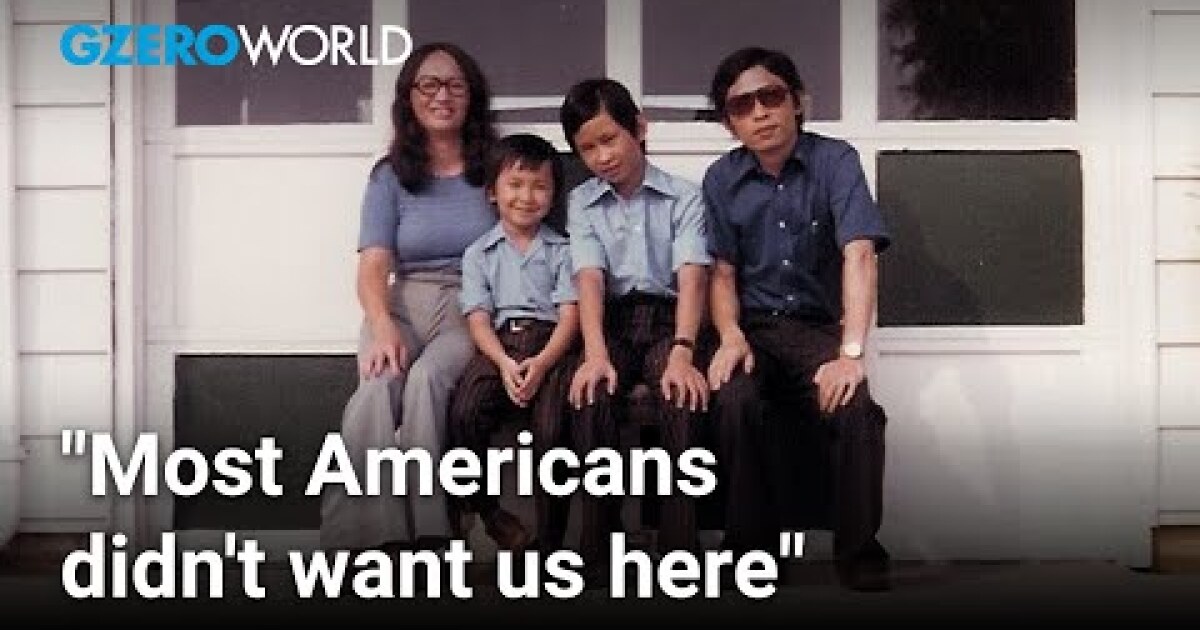
In the late 1970s and early 1980s thousands of Vietnamese families arrived in Seattle as refugees. They were fleeing war and seeking a new life in America. Many of them had been farmers, fishermen, engineers — people with skilled hands and clever minds. But in Seattle they had almost nothing: no money, no connections, no English. And they missed the flavors of home terribly.
Imagine moving to another country where the stores don’t sell the food you love. No familiar vegetables for soup, no herbs for tea that your mother used to make. That’s how the Vietnamese families felt. American supermarkets in the 1980s didn’t carry lemongrass, Thai basil, perilla leaves, or bitter melon. And without those ingredients you couldn’t make a real pho (Vietnamese soup) or other traditional dishes.
But the Vietnamese didn’t give up. They remembered how in Vietnam they grew food on small plots of land, using every inch of space. And they decided: if we can’t afford land, we’ll grow food where there’s space — on roofs, balconies, in basements and even in parking lots.
When trash becomes treasure
The Nguyen family lived in an old three-story house with five other Vietnamese families. Money was scarce, but ideas were plentiful. Mr. Nguyen had worked as an engineer at a refrigeration plant before the war. He knew how cooling systems worked, how to keep food fresh, how to manage temperature and humidity.
One day he saw old refrigerators and freezers being thrown away at the dump. “These are ready-made containers!” he thought. With neighbors they hauled off several refrigerators, cut them in half, added drainage holes, and turned them into large planters. The metal shielded roots from overheating, and the insulation helped retain moisture.
Shipping containers that companies discarded at the port became windbreak walls. Old tires turned into beds for root vegetables. Plastic bottles became a drip-irrigation system. Even broken umbrellas were repurposed as canopies to protect tender seedlings from rain.
But the smartest invention was the food-preservation system. Mr. Nguyen repaired several old refrigerators and created a communal “food bank” — a place where families could store and share their harvest. He also devised a way to use food scraps for compost to fertilize the beds. A closed loop emerged: nothing was wasted, everything was reused.
The garden that fed a neighborhood
A year later the Nguyen family’s roof had become a true Vietnamese garden. There were beds of cilantro, mint, basil and lemongrass. Large containers held tomatoes, cucumbers, eggplants and hot peppers. In a corner sat pots of bitter melon — a vegetable Americans didn’t even know how to name.
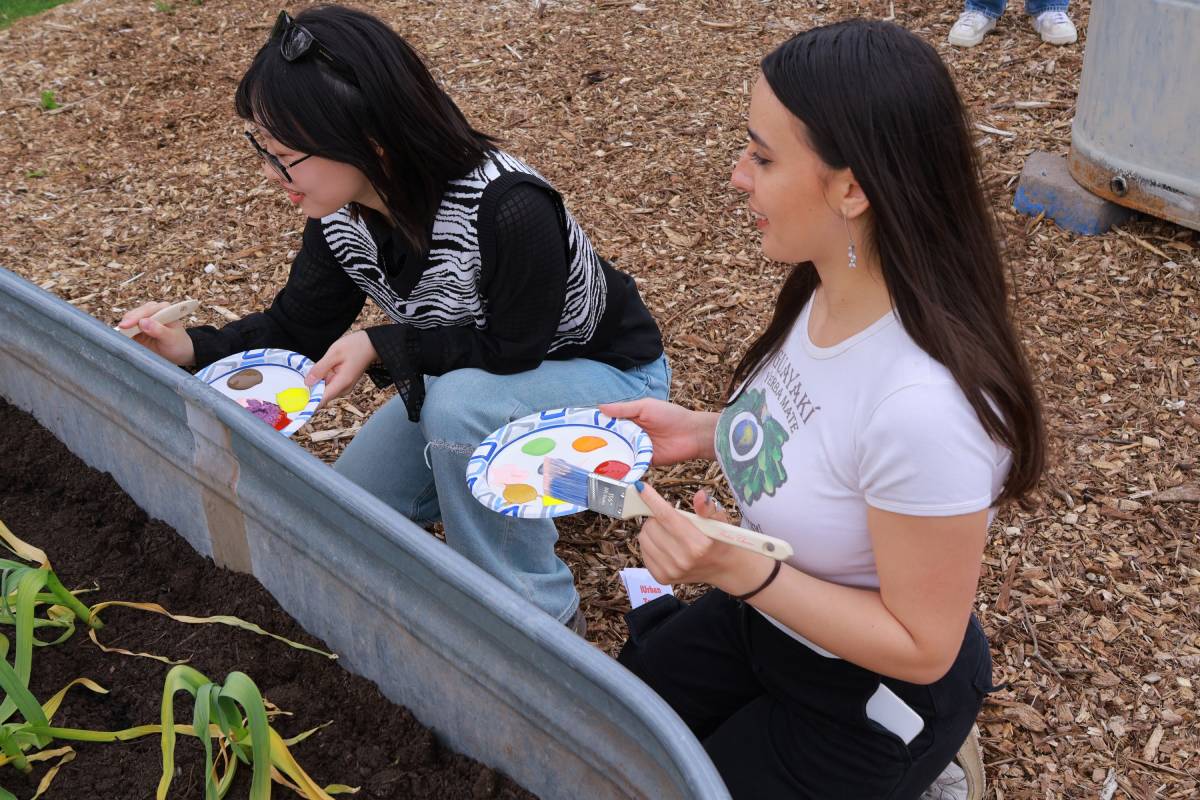
Most importantly, the garden fed more than the Nguyen family. Every Saturday neighbors gathered on the roof. Grandmothers taught young mothers how to transplant seedlings. Grandfathers showed children how to make compost. Boys and girls helped water plants and harvest.
“We created a little Vietnam on a Seattle roof,” Lan, who had been a schoolgirl then, later recalled. “When I went there after school I smelled the herbs, heard Vietnamese being spoken, saw grandmothers smiling. It was like a bridge between two worlds — the old and the new.”
The harvest was so abundant that families began selling surpluses at the local market. That’s how the first Vietnamese grocery shops appeared in Rainier Valley. Later came small restaurants serving authentic Vietnamese food made from vegetables grown on the roofs.
Seattle’s secret farmers
The Nguyen family was not alone. Across Rainier Valley and in the nearby International District Vietnamese families created their own secret gardens. On roofs, in basements under grow lamps, on vacant lots between houses — anywhere they could find a patch of space.
Some inventions were simply brilliant. A fisherman named Chan created a system where fish in a tank fertilized plants with their waste, and the plants cleaned the water for the fish. This is called “aquaponics,” and today it’s considered cutting-edge. But Mr. Chan invented it in 1986 in his basement using old bathtubs and pipes.
Another family turned an old van into a mobile greenhouse. They parked it in different parts of the neighborhood, growing seedlings they later gave away to neighbors for free.
These people didn’t call themselves “environmentalists” or “innovators.” They were just solving problems with the knowledge they had and the things they could find. In reality they were doing what scientists and policymakers now champion: recycling waste, growing food locally, creating sustainable food systems, and building community around shared goals.
The legacy that grew from seeds
Today Seattle is known for its urban farms, rooftop gardens and environmental initiatives. Dozens of organizations teach people how to grow food in city settings. Yet few know that the roots of this movement lie in the resourcefulness of Vietnamese refugees in the 1980s.
Lan, the girl who helped her grandmother on the roof, now runs an organization called “Green Bridges.” She teaches students of all backgrounds how to create urban gardens using recycled materials. “I’m just passing on what my grandmother taught me,” she says.
And Rainier Valley has become one of Seattle’s most interesting culinary neighborhoods. Dozens of Vietnamese restaurants operate here, many of which still use vegetables and herbs grown by local families. Some restaurants even invite guests to visit their rooftop gardens to see where their food comes from.
The story of the Nguyen family and other Vietnamese families teaches an important lesson: the best inventions often aren’t born in laboratories but on the kitchens and roofs of ordinary people facing real problems. When you combine necessity, knowledge passed down from grandparents, and a desire to help your community — real magic happens.
So next time you see something old and useless, think: maybe it’s not trash but a future garden. Or an irrigation system. Or the start of something amazing. That’s how Vietnamese refugees turned Seattle’s roofs into green oases and showed the whole city that innovation can grow from the most unexpected seeds.