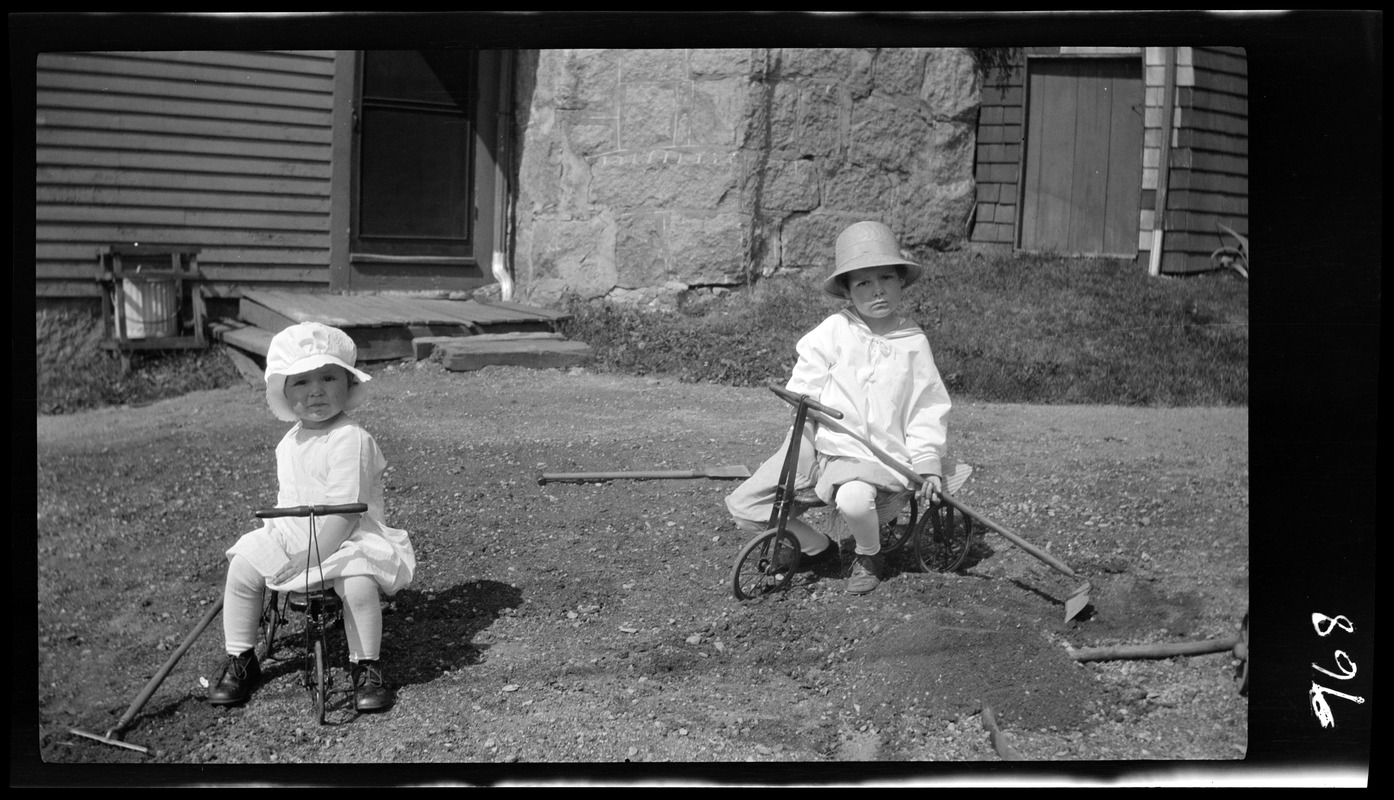
Imagine a huge wooden ship the size of an apartment building standing right in the middle of your neighborhood. Not in the water, but on land. Unfinished, with empty portholes like eye sockets and a skeleton of massive beams. Now imagine there were dozens of such ships, and they all became your playground. That’s how Seattle’s children lived in the 1920s, after the city abruptly halted construction of the largest fleet of wooden ships in American history.
This story began more than a century ago and continues to matter today — though now it’s not about how to build ships but whether they should be remembered. And that decision, it turns out, says a lot about what kind of city Seattle wants to be.
When Seattle Became a Giant Shipyard
In 1917, when America entered World War I, something unexpected happened. German submarines were sinking so many ships in the Atlantic that the country urgently needed new vessels — thousands of them — to carry soldiers, weapons, and food to Europe. But there wasn’t enough metal: it was going into tanks, guns, and ammunition.
So the government made a strange decision: build ships out of wood. Yes, huge ocean-going vessels made from ordinary trees. And Seattle, surrounded by forests of massive firs and spruces, became the ideal place for this wild project.
In a few months, quiet fishing neighborhoods like Ballard and the barren Harbor Island turned into roaring construction sites. The Skinner & Eddy company in the port district was launching a ship every three weeks — a world record! More than 35,000 people worked at the yards: carpenters, engineers, artists, cooks, even women who had never held a hammer before. The city buzzed like an alarmed beehive.
The wooden ships were true giants. Some reached 130 meters in length — the equivalent of lining up 13 city buses! They were built from whole tree trunks 200–300 years old. One vessel required so much timber that building it cleared a forested area the size of several football fields.
When the Music Stopped
Then something no one expected happened. On November 11, 1918, the war ended. Suddenly. Germany signed an armistice, and the need for thousands of new ships vanished overnight, like a dream.
The government immediately canceled most orders. Shipyards that had run three shifts a day fell silent. Thousands of workers lost their jobs in a matter of days. Dozens of unfinished ships remained on the ways — wooden skeletons frozen halfway to completion.
What to do with these giants? Finishing them was expensive and pointless: the world no longer needed wooden ships. Dismantling them was also costly: workers had to be paid, and the timber no longer fetched its former price. So many ships were simply abandoned where they stood.
One such ship was called Aeolus — named after the ancient Greek god of the winds. It was launched but never fitted out. The enormous wooden vessel was moored off Ballard and... forgotten. For years.
A Secret Fortress on the Water
For adults, Aeolus was a problem and a reminder of failure. For neighborhood children it became something magical — a gigantic toy, a gift from a grown-up world that suddenly lost interest.
Boys and girls of the 1920s clambered onto the deck through holes in the hull. Inside the ship were labyrinths of beams and walkways, dark holds for playing hide-and-seek, and tall masts daring youngsters to climb and gaze out over the city like birds. The ship creaked on the waves, smelled of tar and sea, and it seemed ready at any moment to come alive and sail away — if someone only took the wheel.
Children painted on the wooden walls, formed clubs, hid “treasures” in the holds. One Ballard native recalled years later: “We called it the Ghost Ship. In summer we spent whole days there. Our parents knew where to find us. It was our secret kingdom.”
But adults saw danger in the abandoned ship. The wood rotted, structures became unsafe. In the mid-1920s, Aeolus was finally taken apart for firewood. Other ghost ships disappeared along with it. The giant yards closed or shifted to other projects. Harbor Island became an industrial zone where nobody remembered those wooden dreams.
What Remains and Why It Matters
Today almost nothing remains of that era in Seattle. A few old shipyard buildings repurposed as warehouses. A couple of photos in museums. Stories told by the grandchildren of those children who played on Aeolus.
In recent years, however, a group of historians, architects, and concerned residents began a campaign to preserve what little survived. They want to turn the old Skinner & Eddy yard building into a museum, create a memorial park on the ways, and install informational plaques that tell passersby: “Ships that were meant to change the course of the war were built here.”
Why does that matter? After all, the ships have long rotted, the people are gone, and the era has passed.
Preservation advocates say what we choose to keep reflects who we are. Seattle today is a city of high tech, glass towers, and startups. Old buildings are torn down every year to make way for new housing and offices. The city grows so fast it sometimes seems to forget its own past.
The story of the wooden ships reminds people that Seattle could do the impossible long before computers existed. Ordinary people — carpenters, engineers, workers — created an industrial marvel, building a fleet from the forest in a matter of months. Yes, the project failed. Yes, the ships were unnecessary. But the attempt was audacious.
Lessons of the Wooden Giants
Today’s debates about preserving the memory of the shipyards are part of a larger question Seattle asks itself: how fast can a city change without losing itself? What should be remembered and what can be forgotten?
Some say, “Why spend money on museums about old ships? Build new housing — the city has a housing crisis!” Others reply, “If we forget where we came from, we won’t understand where we’re going. History is not a luxury; it’s a compass.”
Interestingly, many preservation advocates are the children and grandchildren of shipyard workers. For them, the wooden ships are not just a textbook fact but family history — stories of grandparents who came to Seattle for work and a dream.
One activist, whose great-grandmother cooked for the shipyard workers, says: “When I see an old photograph of the ways, I don’t just see ships. I see thousands of people who believed they were doing important work. They were wrong about the ships, but not about themselves. They were capable of greatness. That’s worth remembering.”
Perhaps the most important lesson of the ghostly wooden ships is that not all dreams come true as planned. The ships didn’t save the world, didn’t cross the oceans, didn’t become maritime legends. But they became playgrounds for children, work for thousands of families, and proof that the city could dream big.
When Seattle decides today what to preserve and what to tear down, it is really deciding which dreams deserve memory. Only the ones that came true? Or all of them — even those that turned into wooden skeletons where children once played?
The answer will help determine what kind of city Seattle will be tomorrow. A city that remembers only victories? Or a city that values the boldness to dream?