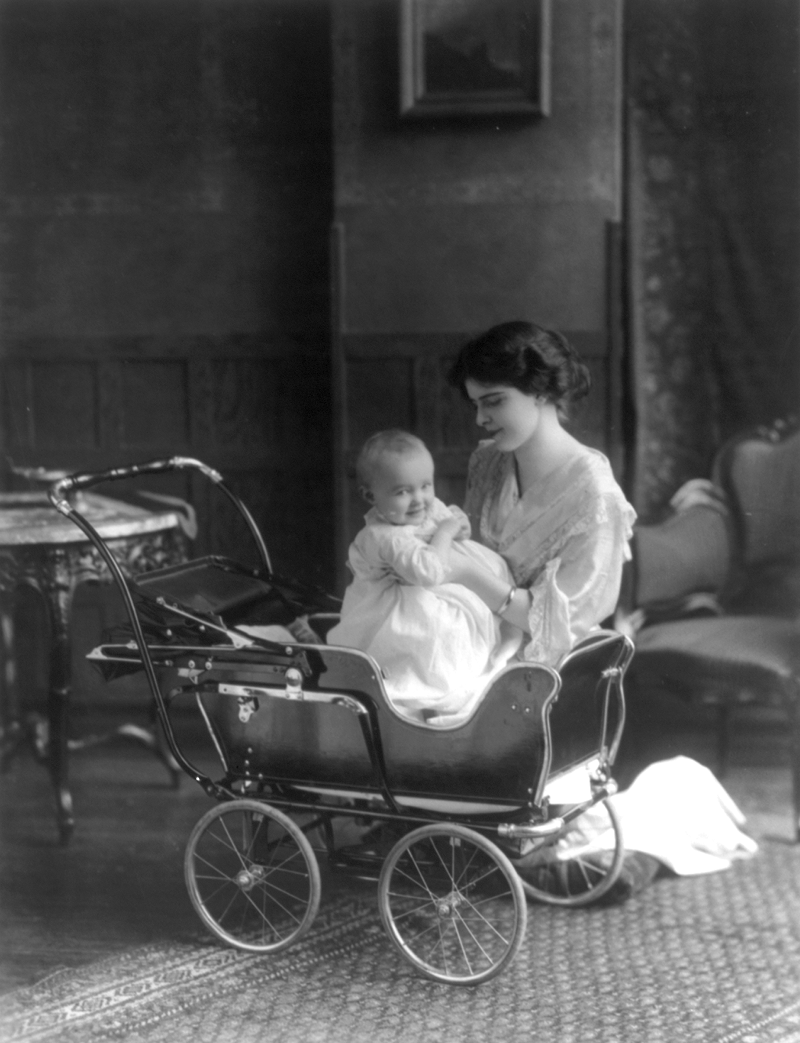
Imagine this: an ordinary woman in a long coat pushes a baby stroller down the street. Inside the stroller — not a child, but dozens of bottles of illegal whiskey! This isn't fiction but a true story from 1920s Seattle, when ordinary women turned into daring smugglers and inadvertently helped create the sea routes we still use today.
In 1920 the United States passed a very strange law. It was called Prohibition, and it banned adults from buying, selling, or drinking alcohol — wine, beer, whiskey. The government thought this would make people healthier and happier. Instead, the opposite happened: many people still wanted to drink, and smugglers appeared — those who secretly brought in alcohol and sold it. In Seattle, which sits very close to Canada (where alcohol was legal), a true era of adventure and secrecy began.
Women in long coats and their clever inventions
Many imagine smugglers as only male gangsters with guns, like in the movies. But in Seattle a lot of women were involved in this dangerous business! Police were less likely to suspect women, especially those who looked like ordinary housewives or grandmothers. The women took advantage of that.
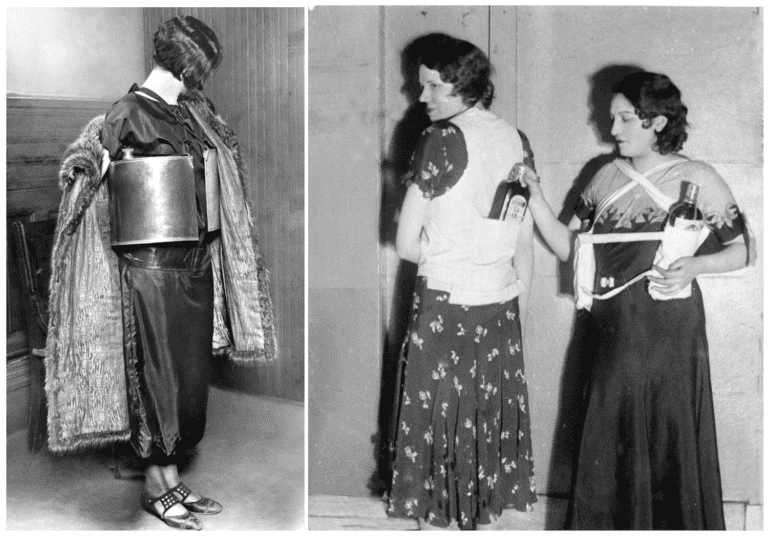
They invented special vests with pockets worn under their coats — each pocket could hold a single bottle. One woman could hide up to a dozen bottles on her person! They would look a bit bulky, but that was normal for the times. Others hid bottles in baby strollers under blankets, in shopping baskets beneath vegetables, even in specially made bags disguised as pregnant bellies!
One resourceful smuggler named Mary Wayley came up with an especially clever method. She owned a small boat and pretended she simply loved cruising Puget Sound and watching birds. In reality she met Canadian boats out on the water, took boxes of whiskey and hid them under tarps covered with fishing nets. If the Coast Guard stopped her, she'd smile and say, “Just coming back from fishing, officer!”
Secret sea trails from Canada to Seattle
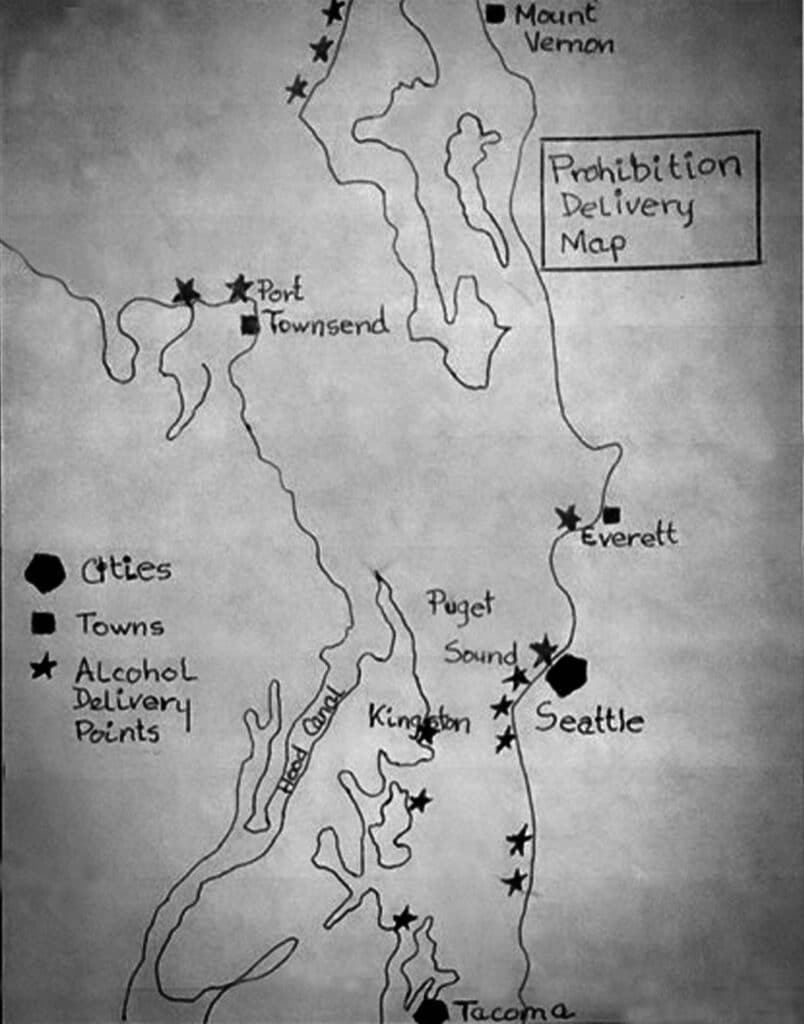
Smugglers couldn't just sail straight from Canada to Seattle — the Coast Guard patrolled those waters. So they created a whole network of secret routes through the San Juan Islands. Those islands lie between Canada and Seattle like stepping stones, with narrow channels, coves, and foggy areas where it was easy to hide.
The main route looked roughly like this: large ships from Canada brought thousands of bottles and stopped in international waters (where no country has full authority). Then small fast boats — called rum-runners — would pull up to the big ships at night, take the cargo, and race through the islands toward Seattle. They knew every rock, every cove, every hiding spot to avoid the Coast Guard's spotlights.
The best-known smuggler was Roy Olmsted — a former Seattle policeman! He organized an operation with a schedule, almost like a bus timetable. His boats left at set times, and customers knew when to expect product. But even Olmsted employed many women — they took orders by phone, kept records (disguised as pie recipes!) and delivered goods around the city.
How Bertha Landes cleaned things up
All this smuggling created a big problem: corruption spread through Seattle. Some police took bribes and turned a blind eye. Some politicians also received money from smugglers. The city became dangerous.
Then a remarkable woman appeared — Bertha Knight Landes. She began as an activist who wanted to make Seattle cleaner and safer. She organized women to monitor the police and report corruption. In 1926 Seattle’s voters elected her mayor — the city’s chief executive! She became the first woman mayor of a major American city.
Bertha Landes couldn't end Prohibition (it was a federal law), but she could fight corruption. She fired dishonest policemen, shut down speakeasies that paid bribes, and made the law apply equally to rich and poor. Many male politicians grumbled that “a woman can't run a city.” Bertha proved them wrong.
What happened to the secret routes
In 1933 Prohibition was repealed. It turned out to have caused more problems than it solved. People realized that banning something outright wasn't the best approach — better to regulate and control.
But what happened to all those secret sea routes smugglers had made? They didn't disappear. Many of those channels became ordinary, legal passages for boats and ferries. Today, when you take a ferry from Seattle to the San Juan Islands or to Canada, you often travel the same waterways that smugglers once raced at night, fleeing the Coast Guard.
The islands that served as secret transfer points became popular tourist destinations. Some old warehouses that once hid bottles are now museums and restaurants. And the expertise in safely navigating those tricky channels passed from smugglers to legitimate captains, helping develop Seattle's modern ferry system — one of the largest in the country.
What this story teaches us
The story of Seattle’s women smugglers shows us a few important things. First, women were often much bolder and more inventive than many assumed. While men got most of the attention, women quietly did dangerous work, devised clever plans, and risked their freedom.
Second, sometimes bad laws push good people to break the rules. Many of these women weren't hardened criminals — they were trying to earn money for their families in hard times. When the law was repealed, most returned to ordinary life.
Third, even bad situations can produce something good. The smugglers' secret routes helped shape a modern transportation system. And Bertha Landes, who fought the problems of the Prohibition era, proved that women can be excellent leaders and change a city for the better.
So next time you ride a ferry across Puget Sound and look at the beautiful islands, remember the brave women in long coats who once raced those same waters in the dark, hearts pounding, hoping not to be caught. Their secret trails became our ordinary roads, and their courage became part of Seattle’s history.