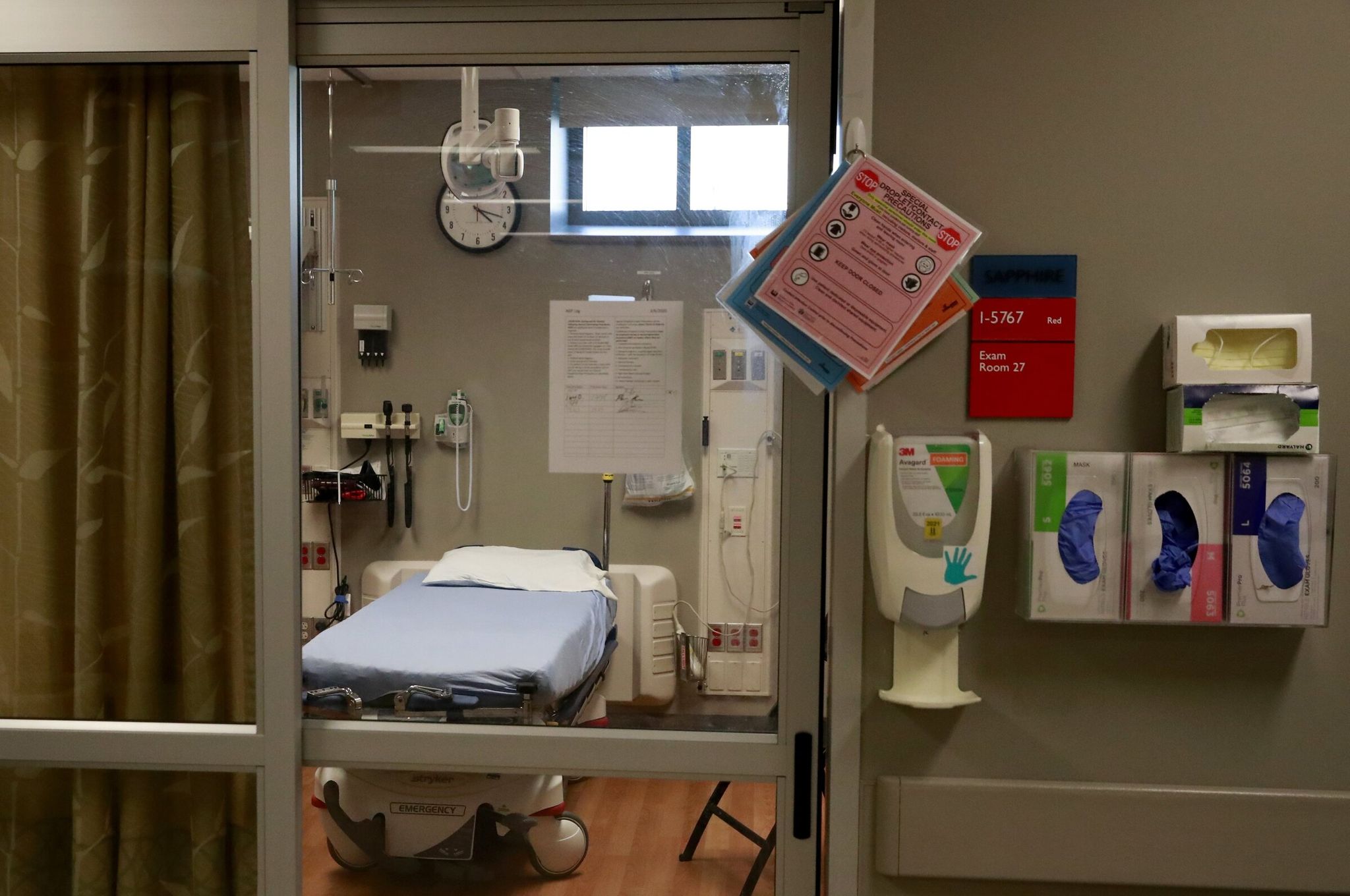
Lawmakers in Washington state are considering a drastic measure to help families struggling with the rising cost of living. A new bill introduced by state Sen. Emily Alvarado, who represents a Seattle-area district and typically works on housing policy, social justice and consumer protection, aims to completely eliminate the accrual of interest on new and existing medical debt in the state. The initiative is intended to ease the financial burden often borne by people facing serious illnesses.
Currently, Washington has a cap set in 2019 that prevents charging more than 9% annual interest on medical debt. But the bill’s sponsors note that other states, such as Maine and Delaware, have gone further and fully banned interest, while New Jersey, North Dakota and Virginia have reduced rates to 1–3%. Washington could therefore join that trend.
The tragic story of Tacoma resident Chris Shook, shared at hearings, illustrated the problem starkly. He was simultaneously diagnosed with two types of stage-4 cancer, and while fighting for his life he wasn’t thinking about bills. However, an old debt incurred before the 2019 law was sold to collectors who charged 12% interest. That led to threats of lawsuits and wage garnishments, worsening an already dire situation.
The bill has drawn support from consumer advocacy groups such as the Northwest Consumer Law Center — a nonprofit legal organization with a long history in the state that specializes in litigation and advocacy on unfair debt collection — and AARP. They argue that high interest rates make medical debt unbearable and destroy families’ financial stability. Sen. Alvarado emphasized that families are willing to pay for care received, but high interest rates only make repayment harder without increasing the likelihood of recovering money.
However, hospital associations, physician groups and collection agencies oppose the proposal. They warn that interest on debts is an important revenue source for small rural hospitals, helping to offset uncompensated care. In their view, eliminating interest could lead to higher prices for other patients or worsen the financial condition of healthcare providers.
The bill, SB 5993, has already had its first hearing in the Senate Judiciary Committee, which frequently reviews such initiatives because they touch on legal aspects of debt collection and consumer protection. Its possible vote is scheduled for Thursday. If passed and signed by the governor, it would take effect 90 days after the end of the current legislative session — roughly mid-June.