
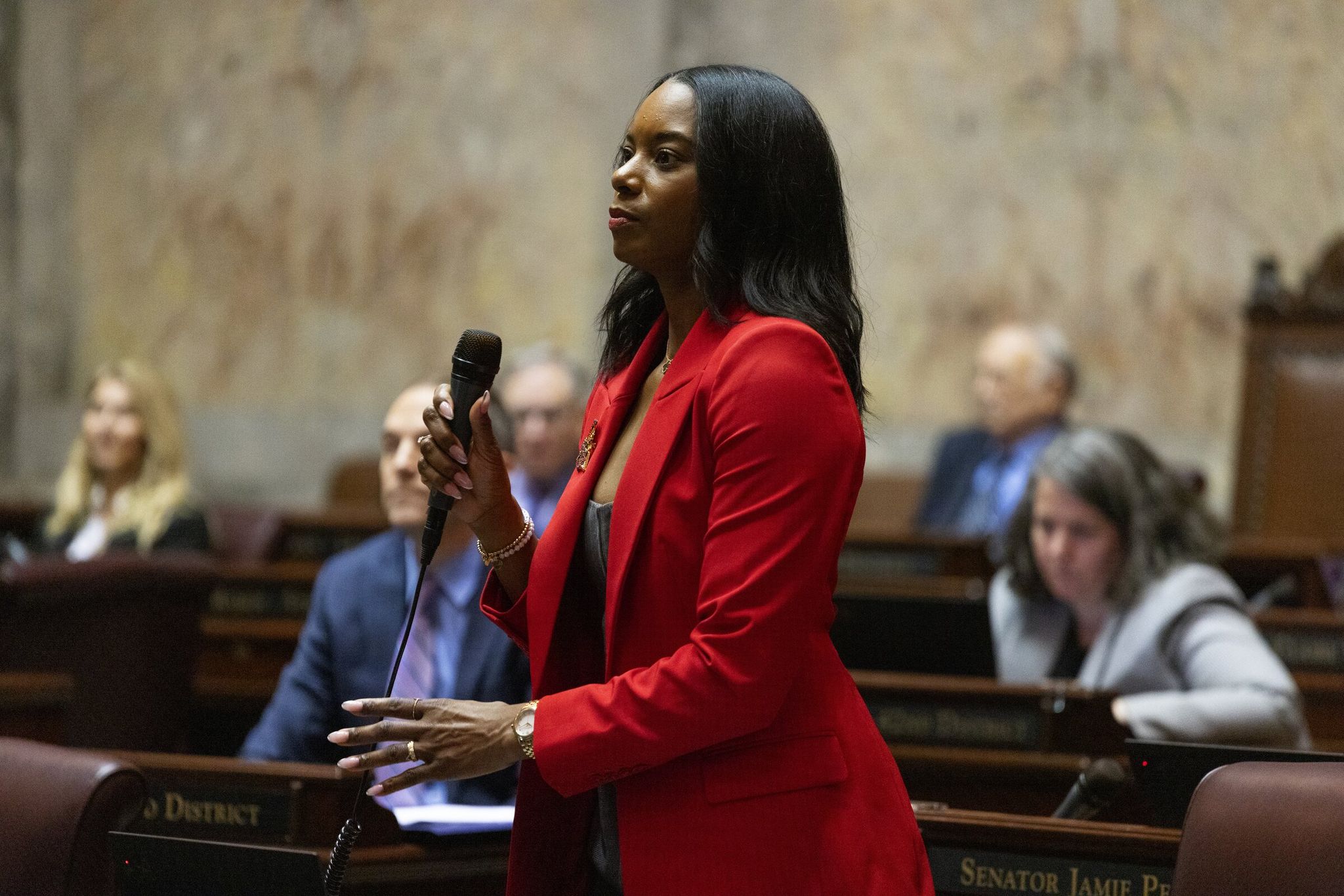
A bipartisan bill is under consideration in the Washington state legislature aimed at reversing a planned cut to state financial aid for students attending private nonprofit colleges in the state. The initiative, proposed by Senator T'wina Nobles, seeks to undo changes made last year as part of tight budget compromises. The senator’s personal experience as a graduate of the private University of Puget Sound and her political career, including service on the school board, shape her legislative priorities focused on educational equity and increasing support for low-income students.
Under those changes, beginning in the 2026–27 academic year the maximum annual aid for private college students will drop from more than $9,000 to just over $6,000. Lawmakers estimate this will affect more than 12,000 students statewide. The new bill would not only prevent those cuts but would set the maximum award equal to the average state grant for universities.
Supporters of the bill, including a consortium of private colleges that includes institutions such as the University of Puget Sound, Seattle University, University of Puget Sound-Tacoma and Whitworth University, argue the cuts will disproportionately hit low-income students, first-generation students and minorities. These colleges supplement the public higher education system by offering alternative programs, often with an emphasis on the liberal arts, and serving students who might not enroll at large public universities. Many of these students choose small campuses for location, specialty programs or access to support services. Senator Nobles emphasizes that this aid was intended for precisely the socially vulnerable students.
However, the bill faces resistance from representatives of public universities. They argue that, given a limited budget, the state should prioritize restoring funding to its own institutions rather than directing funds toward a specific group of students. They also point out that tuition in public institutions is regulated by the state, while private colleges can set their own prices. Washington’s budget constraints are exacerbated by the absence of a state income tax, making revenues dependent on sales and corporate taxes. Fluctuations in the region’s key technology sector affect tax receipts, creating instability in education funding and intensifying disputes over the allocation of scarce resources.
The bill’s author, Senator Nobles, insists the issue should not be framed as a choice between the public and private sectors. She says she stands for all students regardless of where they study, reflecting her belief in the importance of affordable education. The bill has passed the higher education committee and has been sent to the budget committee, where its future remains uncertain.
Restoring the funding would cost the state budget more than $33 million over two years. Senator Nobles proposes using money from a special state education trust fund to pay for it. Against the backdrop of ongoing budget constraints tied to the state’s revenue structure, the debate reflects a broader argument about priorities in allocating public resources for education.
Based on: This bill would restore aid for WA students at private universities