
A bill in the U.S. state of Washington could dramatically change voting law. House Bill 1196 proposes to restore the right to vote for all people serving time in the state’s prisons for criminal convictions. Currently, more than 15,000 U.S. citizens incarcerated in Washington are denied this fundamental opportunity to participate in civic life.
Historically in Washington, unlike in Southern states, laws stripping voting rights from those convicted of felonies were not overtly race-based but were enacted within a broader criminal justice context. Over time, reforms here have expanded the rights of formerly incarcerated people.
The initiative’s sponsor is state Representative Tarra Simmons of the 23rd Legislative District, which includes part of Kitsap County. She is a Democrat and a lawyer who specializes in criminal justice issues and uses her personal experience of serving a sentence to push for prison system reforms. She argues that disenfranchisement is an outdated form of punishment that does not serve society’s interests or make it safer. In her view, the ability to vote helps incarcerated people feel connected to the community and prepares them for life after release.
Disenfranchisement disproportionately affects racial and ethnic minorities. According to the national advocacy group The Sentencing Project, which works with local organizations in Washington, Black residents of the state are five times, and Latino residents are twice as likely, to lose the right to vote because of a conviction compared with the rest of the population. Research from that organization is frequently cited by politicians like Tarra Simmons to justify reforms and helps shape public debate by raising awareness of the issues. These data reflect systemic inequality in the criminal justice system.
In the national context, Washington is not an outlier. Today only two states — Maine and Vermont — allow all incarcerated people to retain the right to vote. In some states, such as Alabama and Mississippi, that right depends on the specific crime. In the District of Columbia and in Puerto Rico, all people in custody can also vote.
The widespread practice of disenfranchisement has roots in the post-Civil War era, when laws, especially in the South, were used to deliberately exclude African Americans from the political process. Since 1997, 26 states and the District of Columbia have eased such restrictions, restoring voting rights to more than 2 million Americans.
Opponents of the bill, mostly Republican politicians, argue against the changes. They believe disenfranchisement serves as a deterrent to committing crimes. Concerns are also raised about the financial and logistical difficulties of organizing voting in correctional facilities, such as Monroe Correctional Complex in Monroe or Washington State Penitentiary in Walla Walla. Practical issues could include the logistics of delivering ballots, ensuring ballot privacy, training incarcerated people and staff on procedures, and security concerns, all of which would require close coordination with election officials.
Supporters of the reform, however, insist that participation in elections is a pro-social activity that aids rehabilitation. Research shows that voting strengthens a sense of personal responsibility, improves reintegration into society after release, and reduces the likelihood of reoffending.
If the law is passed, incarcerated people would be able to register to vote at their last place of residence. Their ballots would be opened in the presence of a corrections staff member to ensure transparency. As advocates note, the ability to influence the choice of local officials and judges would give thousands of people a sense of inclusion and representation that they currently lack.
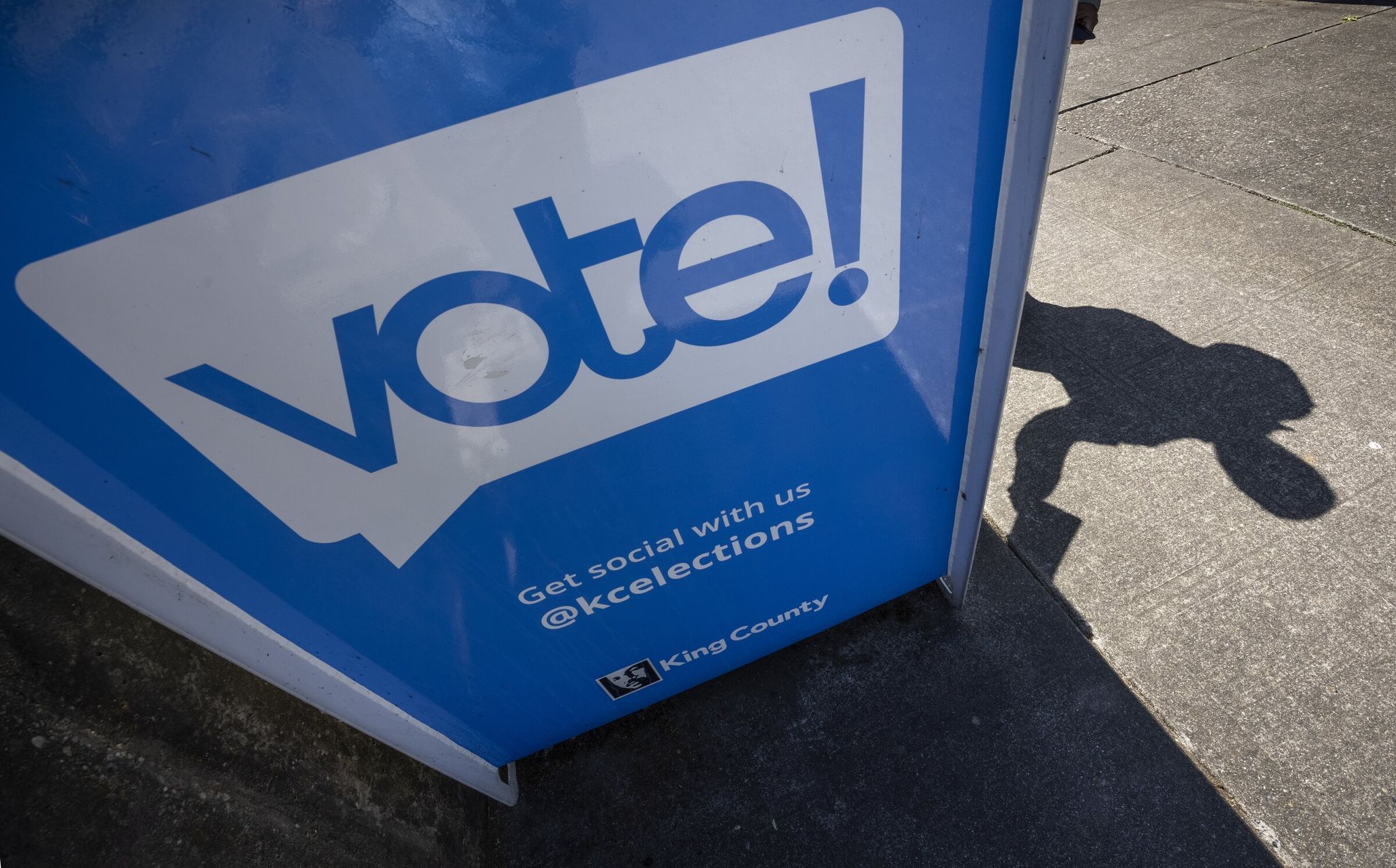
Based on: 15,000 people in WA prisons can’t vote. A new bill aims to change that