
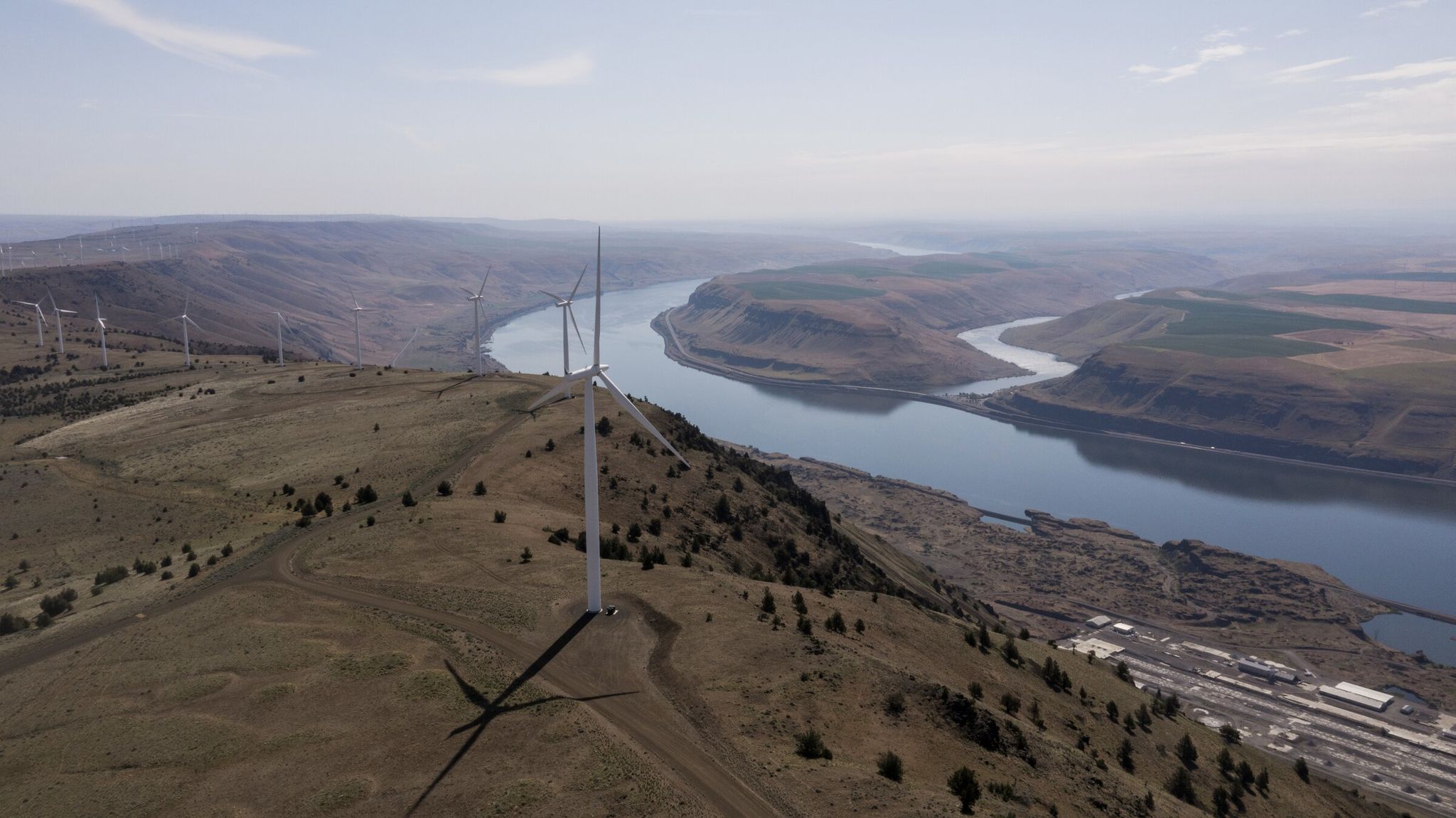
Federal regulators in the United States have approved a highly contested pumped-storage hydropower project on the banks of the Columbia River, intensifying a long-standing conflict between the push for "green" energy and Indigenous rights. The Federal Energy Regulatory Commission (FERC) issued a 40-year license for the Goldendale Energy Storage project despite years of opposition from tribal nations and environmental groups. Historically, the Columbia River — the largest in the Pacific Northwest — has been the backbone of hydropower development, providing cheap electricity for industry and agriculture. Today its cascade of dams produces about 40% of the region’s hydropower, remaining a key economic asset for the state of Washington.
The proposal from Rye Development is a large-scale "water battery" designed to support intermittent wind and solar generation. It would create two reservoirs connected by an underground tunnel to pump water and generate up to 1,200 megawatts of electricity — enough to power roughly 500,000 homes.
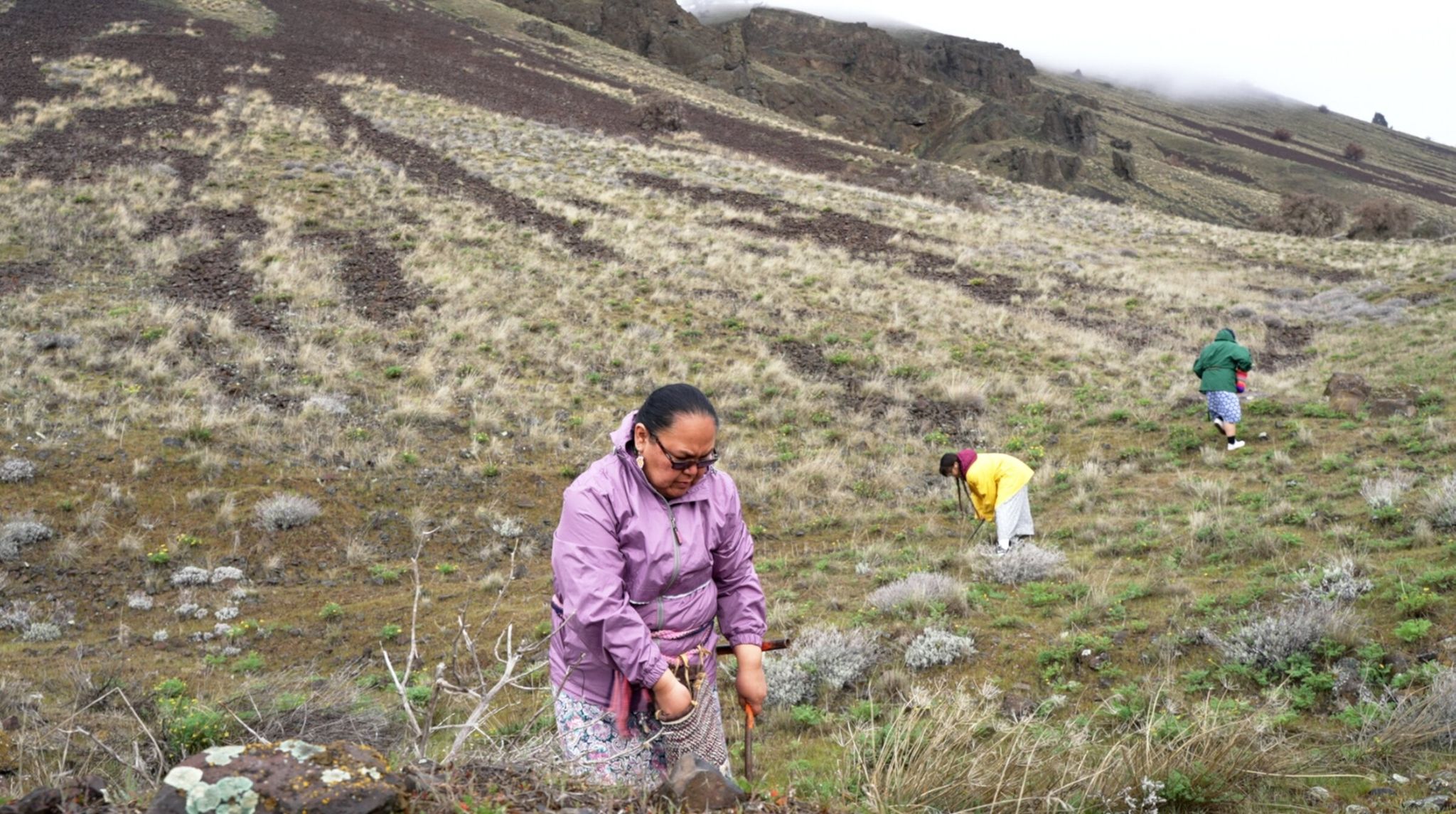
The construction site, known as Pushpum, is sacred land for the Yakama people — a federally recognized tribe with sovereign status that owns a large reservation in southern Washington. For millennia the site has been used to gather food and medicinal plants and to hold ceremonies. The land was ceded to the federal government under an 1855 treaty, but the Yakama retained rights to traditional resource use and remain active in state politics defending their treaty rights.
To the Yakama, Pushpum is a living cultural landscape — "the mother of all roots" and a natural seed bank, not merely a point on a map. Of particular importance is the gathering of "first foods" — traditional foods such as salmon and roots that are the first to be harvested each season. This ritual symbolizes the connection to the land and ancestors and is a core element of cultural identity. Tribal leaders say the project would effectively destroy the site, depriving future generations of the foundations of their cultural and religious identity that have sustained them "since time immemorial."
In a statement, the Yakama called the FERC decision a manifestation of systemic disregard for treaty rights and spiritual practices of Indigenous peoples. Tribal representatives accuse the developer of using legal loopholes and refusing constructive dialogue about the project’s destructive effects on cultural resources. The decision is another chapter in a long and painful history in which the region’s energy needs were met at the expense of Indigenous communities in the Columbia Basin. Past construction of large dams in the last century flooded villages, destroyed fishing grounds, and caused catastrophic declines in salmon populations.
Official expert assessments acknowledge that the Goldendale project would have a "substantial and unavoidable adverse effect" on the tribe’s cultural resources as well as on rare species like golden eagles and unique plants. The federal advisory council on historic preservation has previously criticized FERC for missed opportunities to collaborate with tribes. The conflict over this project is not unique: in recent years Washington state and neighboring regions have seen other contested energy initiatives, including coal export terminals, wind farms, and pipelines that affect Indigenous lands and interests.
Developer-proposed mitigation measures, such as providing alternative lands for gathering "first foods," have only heightened tensions. For the Yakama, the notion that a sacred place can be "replaced" by another parcel reflects deep cultural misunderstanding.
Rye Development insists it has tried to address some tribal concerns by moving the location of the upper reservoir and designing much of the infrastructure underground. The company describes the Goldendale site as among the best in the region from an engineering perspective for projects of this type.
Supporters of the project also stress its economic potential for Klickitat County — a region with a constrained economy historically reliant on timber and agriculture, where unemployment often runs above average. Estimates say construction would create about 3,000 temporary jobs, dozens of permanent positions, and generate more than $10 million in annual revenue for the county — a rare opportunity for economic revitalization.
However, before construction can begin — likely not before 2027 — the project must clear several significant legal and bureaucratic hurdles, including appeals of state permits and potential federal lawsuits from tribes.
While the company prepares to move forward, the Yakama are backing state legislative efforts in Washington aimed at reforming the energy siting process. Those initiatives seek to strengthen environmental standards, ensure Indigenous interests are considered earlier in planning, and better protect their rights amid the "green" energy boom.
Based on: Federal energy regulators OK pumped-storage project on Columbia River