
Seattle officials have put forward a new bill aimed at dramatically increasing the density of residential development in the city. The move is part of a long-term strategy to create at least 120,000 new homes over the next 20 years to meet growing demand and contain prices. The initiative would allow taller and larger multifamily buildings in key areas, primarily near transit corridors and in zones of active commercial activity.
Specifically, the bill would permit five- and six-story residential complexes in areas that currently allow only two- or three-story buildings. This would affect parts of Northgate, Ballard and Capitol Hill, for example. In other locations, such as the surroundings of the future Link Light Rail station at 130th Street, development would shift from predominantly single-family housing to significantly greater density. That transit-oriented development is intended to place the maximum amount of housing, jobs and services within walking distance of stations to reduce car use, cut emissions and make efficient use of major public investments in new transit infrastructure.
The plan places special emphasis on creating 30 new "neighborhood centers" in areas like Madrona, Maple Leaf and "East Ballard." These specially designated compact districts, typically around commercial streets or transit hubs, are meant to become pedestrian-friendly, mixed-use communities where denser housing is allowed and key services are concentrated. Their role is to distribute growth across the city, reduce car dependence and preserve the character of individual neighborhoods. The City Council already approved their boundaries last year, and this bill would establish the necessary land-use rule changes.
This phase is the second part of a major update to the city’s comprehensive plan, developed under former mayor Bruce Harrell, whose moderate, pragmatic approach emphasized partnership with developers and a gradual increase in housing supply. The administration of current mayor Jenny Durkan has supported moving the project forward to avoid delays, but her own, more progressive vision for housing policy—focused on strict affordable-housing requirements and tenant protections—will emerge later, in the third and fourth phases of the plan update scheduled for 2026 and 2027.
Mayor Durkan, whose campaign emphasized housing affordability, has not yet presented specific proposals for the next phases. They might include expanding higher-density zones beyond areas immediately adjacent to transit. Any such expansion, however, would require additional and lengthy environmental review.
Most new development in Seattle’s residential neighborhoods so far has taken the form of small additions and townhouses. That could change if building "multilevel apartments" becomes financially attractive for developers, enabling up to eight dwelling units on a single lot. Despite lawsuits from groups opposed to the densification policy, previous attempts to challenge similar decisions have not succeeded.
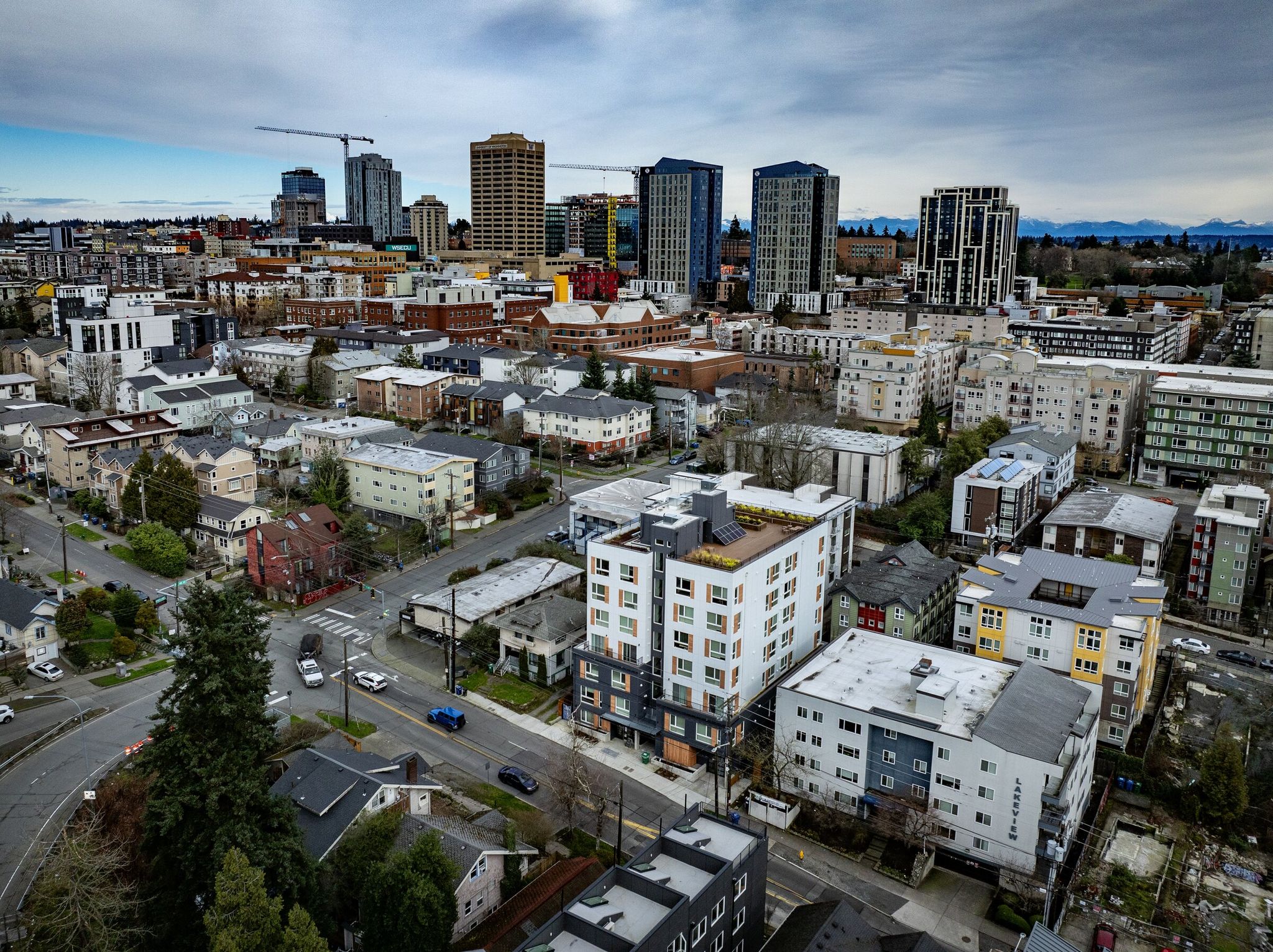
Based on: Seattle City Council reviewing plan for more housing density