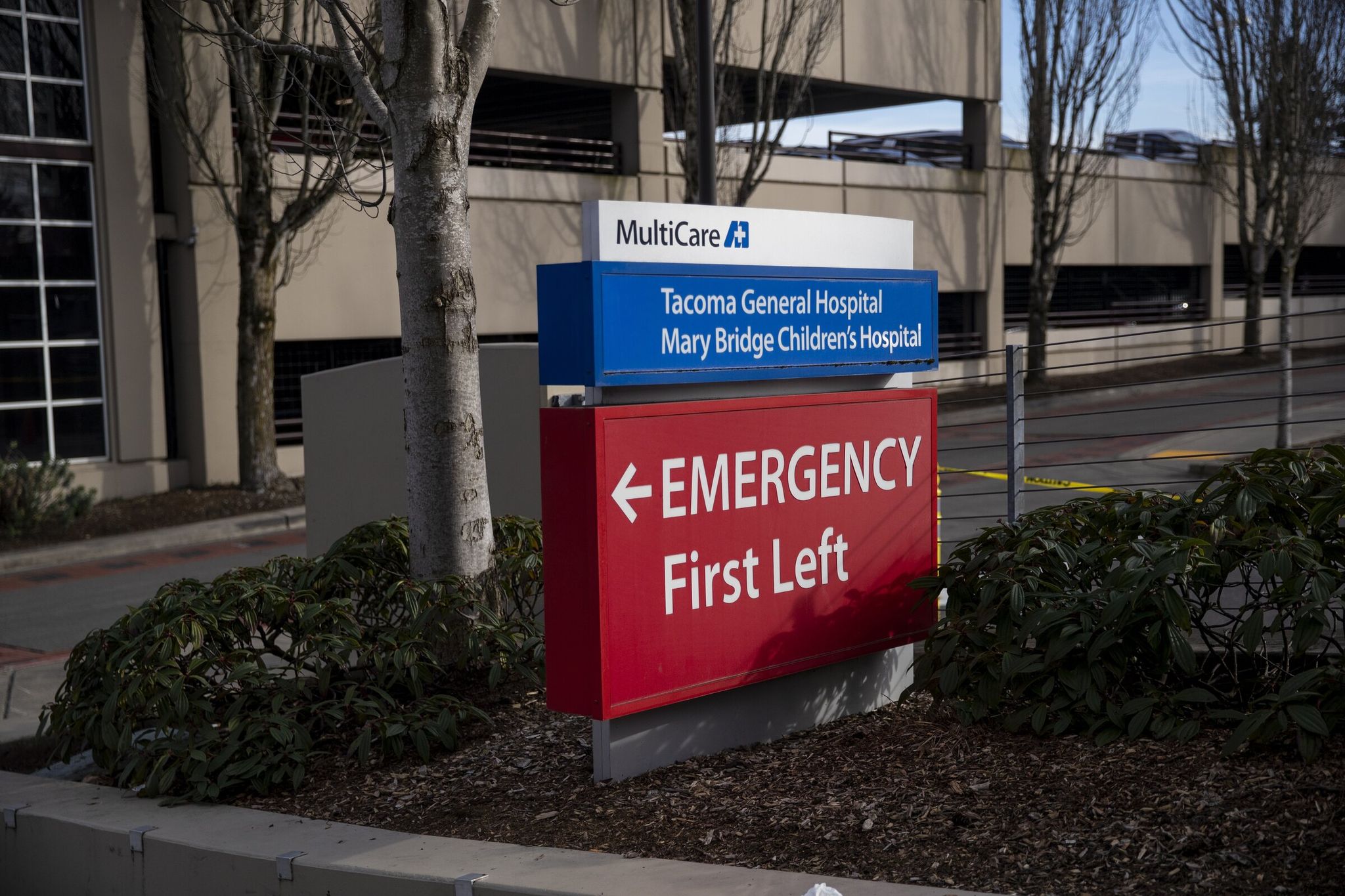
A crisis in transgender adolescent healthcare in Washington, the Seattle Seahawks' Super Bowl preparations, and the Mariners bolstering their roster with a new catcher.
Mary Bridge Hospital in Tacoma closes clinic for transgender youth under pressure from the Trump administration
A serious crisis has emerged in Washington state regarding medical care for transgender adolescents. Mary Bridge Children's Hospital in Tacoma announced it will close its gender clinic that served minors. According to an article in The Seattle Times, this decision was forced and tied to growing pressure from the federal government, which is threatening to withdraw funding from medical institutions that continue to provide so‑called gender-affirming care to youth.
Hospital leadership, part of the MultiCare Health System, explained the move in a memo to staff. MultiCare CEO Bill Robertson called the decision “incredibly painful” but necessary for the survival of the entire organization. He said “recent federal developments” threaten the suspension of Medicaid and Medicare payments if the hospital continues to provide gender-transition services to minors. Given that more than 60% of Mary Bridge patients use Medicaid (called Apple Health in Washington), losing that funding would be catastrophic. Gender-affirming care is a range of medical (for example, hormone therapy) and psychological services aimed at supporting people whose gender identity does not match the sex assigned at birth. For many transgender adolescents, such care is considered life‑saving, as experts say it significantly reduces risks of depression and suicide.
The hospital’s decision directly affects about 320 young people, 180 of whom are minors. These patients, already receiving treatment, must now find new providers to refill prescriptions or continue mental-health support. The clinic stopped accepting new patients back in September and is now ending services for existing patients. The federal activity cited by the hospital’s leadership includes a variety of measures. In 2025 the White House issued an order to end federal funding related to gender-affirming care for individuals under 19. The Department of Justice issued subpoenas to more than 20 physicians and clinics demanding patient information. And in December, Secretary of Health Robert F. Kennedy Jr. initiated a series of regulatory actions that, in effect, attempt to ban youth access to such care nationwide, even in states where it is legal. Those proposals are not yet final or binding, but civil-rights advocates fear they already create an atmosphere of fear and uncertainty, forcing providers to withdraw services.
Local community and state officials reacted strongly and negatively. Representatives of organizations supporting LGBTQ+ youth, such as Oasis Youth Center and Rainbow Center, expressed deep disappointment and called it unacceptable to leave transgender people without medical care on such short notice. Meanwhile, Washington Attorney General Nic Brown is actively challenging the federal administration’s actions in court. His office sued the executive order issued by the White House, and a federal judge in Seattle has already issued a preliminary injunction, finding the order discriminatory. Brown is also challenging the December regulatory initiatives, arguing they illegally coerce providers into refusing care. “Gender-affirming care for adolescents and adults remains legal and protected in the state of Washington,” a Brown office representative emphasized. Nevertheless, the pressure is so intense that even hospitals in Democratic-controlled states are beginning to scale back services.
The Mary Bridge situation is part of a nationwide trend. Although major U.S. medical associations, including the American Academy of Pediatrics and the American Medical Association, continue to support the provision of gender-affirming care, a number of children’s hospitals across the country have already curtailed or narrowed such programs. Mary Bridge’s clinic, opened in 2015 as one of two hospital-based pediatric gender clinics in the state, is ending its medical services. The hospital will continue to provide behavioral and psychological support, and clinic staff will not be laid off, as they are part of the larger pediatric endocrinology team. The other similar clinic in the state, based at Seattle Children’s Hospital, continues to provide medical care for now, though it has removed information about surgeries from its website, suggesting increased caution. The Tacoma clinic closure threatens the health and well-being of hundreds of young people, forcing families to urgently seek alternatives amid growing political conflict and legal uncertainty.
Latest injury updates for the Seattle Seahawks ahead of the Super Bowl
The Seattle Seahawks are entering the final stretch of preparation for Super Bowl 60 in relatively good shape despite a tough NFC championship game against the Los Angeles Rams. The two‑week gap between the conference championships and the season’s biggest game, scheduled for February 8 in Santa Clara, gives precious recovery time. Head coach Mike Macdonald shared updated information about key players at a Monday press conference; details were published by Seattle Sports.
Starting with encouraging news: linebacker Drake Thomas, who left the field in the third quarter of the championship game with a shoulder injury, is reported by the coach to be “doing well.” However, his participation in this week’s practices is still uncertain, and a final decision will come later. Left tackle Charles Cross also shows positive signs; despite a foot injury sustained in the divisional round, he played all 67 snaps in the win over the Rams. Macdonald noted the player is experiencing normal soreness after a hard game, but there are no major concerns.
The situation with two players who serve as fullbacks and key special teams contributors is more uncertain. Rookie Robbie Ouzts missed the NFC final due to neck issues but has a chance to return for the Super Bowl only if the inflammation “calms down.” The coach is cautious and not yet ready to say whether the player will resume practicing. His teammate Brady Russell, who injured his arm in the second half, is also undergoing diagnostics as the team determines the optimal treatment and recovery plan.
Particular attention is on quarterback Sam Darnold. He has been playing through pain from an oblique muscle injury suffered in practice on January 15, and his participation in last week’s sessions was limited. Macdonald admitted the coaching staff has not yet decided how many live reps Darnold will need in the next two weeks to be optimally prepared for the decisive game. It’s a delicate balance between maintaining game readiness and allowing the injury to heal.
Overall, the Seahawks’ Super Bowl preparation plan appears deliberate. The team is taking Tuesday and Wednesday off to let players recover physically and emotionally. Practices will resume on Thursday, and the team will fly to the San Francisco Bay area on Sunday to acclimate and have a full prep week before facing the New England Patriots. Thus, despite some injury uncertainties, the Seattle Seahawks have a good chance to arrive at the Super Bowl with an optimal and refreshed roster.
Mariners strengthen catcher position, acquiring Jhonny Pereda from Minnesota
Looking to reinforce one of the key positions, the Seattle Mariners made another roster move. The team continues building competition at the backup catcher spot behind primary catcher Cal Raleigh, and the new contender is Jhonny Pereda, acquired from the Minnesota Twins. The Seattle Times reports this move as part of the club’s broader strategy to create roster depth ahead of the new season.
On the surface the deal looks modest: the Mariners acquired rights to the 29‑year‑old catcher in exchange for cash considerations. But the transaction contains several important baseball-management details. To make room for Pereda on the 40‑man roster, the club designated pitcher Jackson Courel for assignment, giving him the opportunity to find a new team. This decision underscores the Mariners’ priority to strengthen the catcher position. Pereda had been designated for assignment by the Twins just a week earlier, making him available for acquisition. A key value for Seattle is Pereda’s minor‑league option — a contractual provision that allows the club to move him between the major-league roster and the Triple‑A affiliate without risking losing him, giving the coaching staff roster flexibility over a long season.
Pereda’s major-league experience is limited: over the past two years he has appeared in 46 games for three teams — the Miami Marlins, Oakland Athletics and Minnesota Twins. His big-league batting average stands at .241, and his combined OPS (on‑base plus slugging) is .595. However, Pereda’s main advantage is his Triple‑A performance, the highest level of the farm system. In 254 games over the past three seasons there he posted a much more impressive line: .296/.392/.419. Those numbers indicate an ability to hit consistently and get on base in conditions close to MLB competition, making him an attractive candidate for a backup role.
This acquisition is not the Mariners’ only catcher‑position move this offseason. The club previously signed veteran Andrew Knizner to a one‑year contract. Now at least two experienced players will compete for the backup role behind Cal Raleigh, creating healthy competition and insurance against injury. As for designated‑for‑assignment pitcher Jackson Courel, his fate reflects the other side of baseball business. He was one of the pitchers acquired in a large trade with Atlanta, in which the Mariners parted with several players including Jarred Kelenic. After a serious elbow injury in 2024, Courel returned this season and appeared in 15 games as a reliever with a respectable 4.24 ERA, but with limited roster spots and the need to strengthen another position, the club chose not to retain him.
In summary, the Seattle Mariners are acting methodically and prudently. They are not pursuing a star backup catcher; instead they obtained an experienced, contractually flexible player with proven Triple‑A production. Pereda’s option gives the team the ability to evaluate him in spring training and early in the season, sending him to Triple‑A if needed. This low‑risk, potentially useful move increases the Mariners’ roster depth and exemplifies offseason scouting aimed at building a balanced, competitive team.