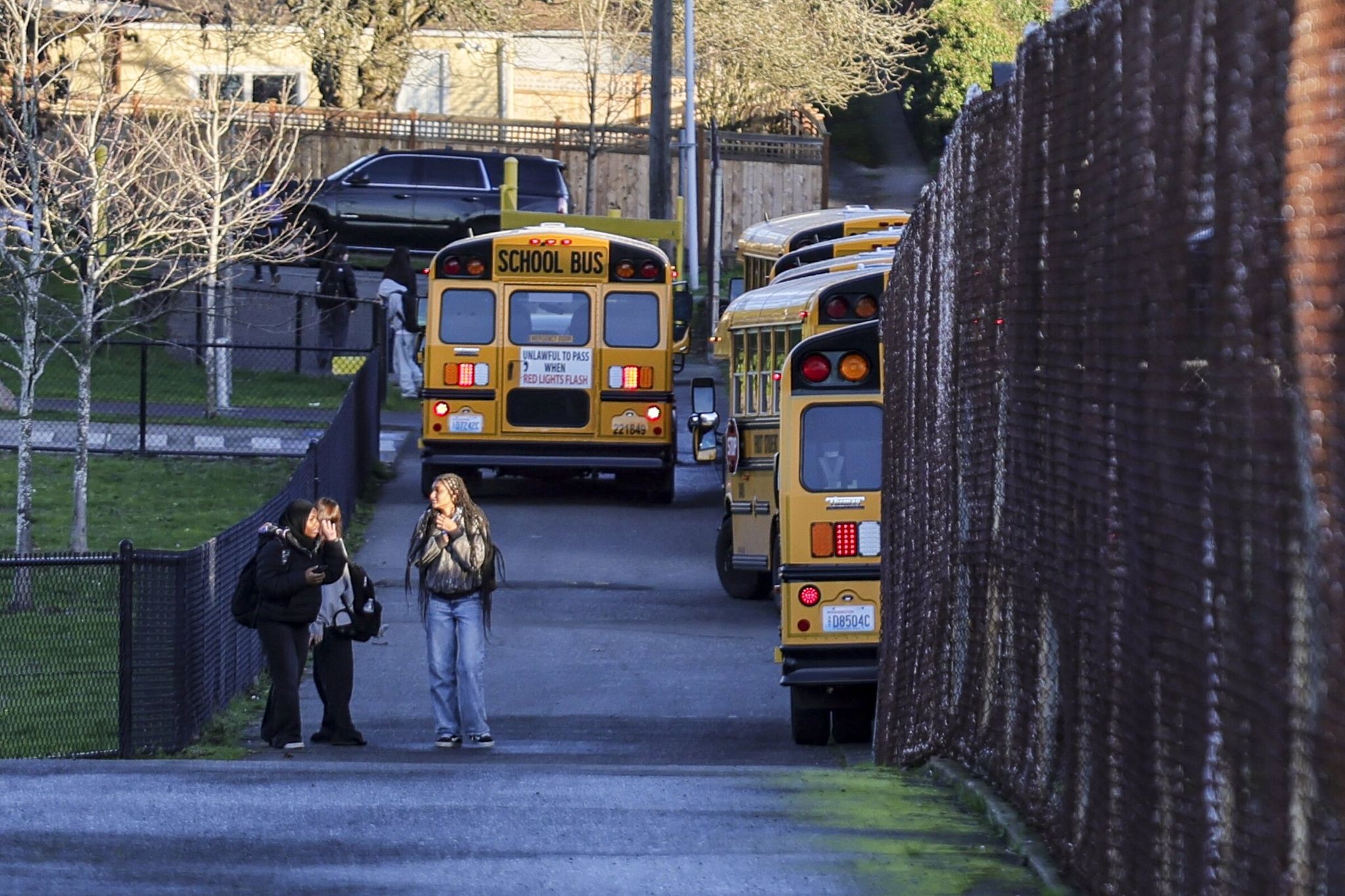
Seattle is experiencing unusually dry weather for January that will last through the weekend. At the same time, several city schools were forced into shelter-in-place mode because of unconfirmed reports of possible activity by Immigration and Customs Enforcement (ICE), causing fear among students and families.
Seattle weather: Dry stretch continues, morning fog and sunshine Wednesday
Seattle is enjoying an unusually long dry stretch for January, now exceeding eight days without a single drop of rain. While not a record, such dry spells in the first month of the year are uncommon here. The cause is a region of high pressure that brings sunny, dry conditions and cold nights, leading to fog, frost and in places freezing fog. As reported by fox13seattle.com, temperatures remain near seasonal normals, and dry conditions are expected for the upcoming Seattle Seahawks game on Sunday.
This current dry spell, lasting more than eight days, is notable but not unprecedented for a Seattle January. The historical record was set in 1963, when rain did not fall for 15 consecutive days, and last year a dry period lasted 13 days. Thus, the present weather anomaly falls within known meteorological variability. The key factor behind this persistent pattern is a large anticyclone — an area of high atmospheric pressure. It acts like a giant dome, blocking moist air masses and storm systems that normally bring rain to the region. As a result, skies remain clear and winds are light.
One consequence of this lull is stagnant air and intense nighttime cooling. With no cloud cover and little wind, the ground loses heat rapidly after sunset. This leads to temperatures falling to zero and below, causing moisture in the air to condense and form dense morning fog. Forecasters pay special attention to so-called "freezing fog" or "supercooled fog." This phenomenon occurs when fog droplets remain liquid at temperatures below the freezing point. On contact with surfaces such as roadways or tree branches, they instantly turn to ice, creating black ice and rime, which pose hazards for morning travel.
Wednesday’s weather pattern will repeat: the day will start with clouds and fog that will clear by midday, giving way to sunshine. Daytime highs will be a comfortable 4–9 degrees Celsius, which is in line with climate normals. In the days leading up to the weekend temperatures will dip slightly: daytime highs around 4–7°C and nights close to freezing. Of particular importance for many residents, Sunday’s forecast for the Seahawks game calls for dry weather with temperatures in the same 4–7°C range, creating good conditions for fans.
In short, Seattle has temporarily fallen under an anomalously stable, dry winter pattern. Although it gives city residents a rare chance to enjoy winter sunshine without umbrellas, it also brings typical anticyclonic risks such as morning black ice and worsening air quality due to lack of ventilation. As long as the high-pressure area holds, this atypical sunny stretch for a usually rainy city will continue.
Unconfirmed reports of ICE activity prompted school shelter-in-place orders in Seattle
Several Seattle public schools issued shelter-in-place orders on Tuesday to keep students inside buildings after unconfirmed reports from the community of possible activity by U.S. Immigration and Customs Enforcement (ICE). The incident highlighted the atmosphere of fear and tension in which many families live and showed how even rumors of immigration enforcement can disrupt the school day.
According to Seattle Public Schools (SPS), at one point on Tuesday the shelter-in-place protocol was in effect at least six schools in the South Seattle and Beacon Hill area. The list included Aki Kurose Middle School, Cleveland STEM High School, Maple Elementary, Mercer International Middle School, and the Dearborn Park International and Beacon Hill International schools. The district explained that during such a protocol students continue classes on schedule but remain inside the building and exterior doors are locked. SPS security staff who were in the area did not observe any ICE presence, but precautions remained in place. As reported in The Seattle Times, shelter-in-place is a standard safety practice often used when there are reports of law enforcement activity nearby.
Although Seattle has not seen a surge in immigration raids like, for example, Minneapolis, the schools’ actions underscored how high the level of anxiety is and how unconfirmed rumors affect the daily lives of students and their families. Alerts sent to parents varied in detail. Cleveland STEM High School principal Jeff Lam wrote to families about "credible reports of ICE activity in the community and possibly at other school sites," but not at Cleveland itself. Meanwhile, Maple Elementary principal Daisy Barragan said a nearby private school reported suspicious vehicle activity in the area, but there were no actions directly affecting Maple.
Aki Kurose registrar Kathy Jolgren said the middle school was told ICE agents might be trying to lure out families who had been warned about agent activity and who might come to school to pick up children. Some parents, out of caution, did pick up children early. Security staff were posted at school exits. The experience of one mother, Kate Reddy, shows how deep the worries are. After receiving a notice she considered creating a mutual aid network in the community, for example to organize safe transportation for children whose parents fear encountering ICE. "What we see on the news will happen here too," Reddy said, adding the situation made her cry. Another parent, Josh Apfel, said that although he expected such events, they were still upsetting. His 13-year-old son, who was sick and stayed home, even messaged his sibling that he was glad he missed school that day.
SPS policy bars federal immigration officers from entering school buildings unless required by law and requires staff to consult the district’s chief legal counsel before admitting such agents. King County Councilmember Ronda Lewis, whose district includes South Seattle, praised SPS's "quick response" in a statement. "It is a sad day for King County — or any place in America — when children and their families must live in fear of being taken by their own government," Lewis said. She expressed deep concern about the long-term impact of such activity on historically marginalized communities. This incident, though it ended without confirmed ICE presence, was a troubling sign of the fragility of safety in immigrant communities and how fear of family separation seeps into school walls.
Six Seattle schools placed on shelter-in-place after reports of possible ICE raids
Seattle authorities enacted emergency measures at six public schools in the city's south after alarming reports of possible Immigration and Customs Enforcement (ICE) activity in nearby areas. Although federal agents’ presence was never confirmed, the threat itself sparked a wave of fear among students, families and the broader community, highlighting the deep vulnerability of immigrant neighborhoods.
As reported by komonews.com, Seattle Public Schools implemented the shelter-in-place protocol at several campuses on Tuesday. This standard safety procedure, used when there are reports of law enforcement activity nearby, means students remain inside buildings but continue classes on the usual schedule. Mercer International Middle School, Aki Kurose Middle School, Cleveland STEM High School, Maple Elementary, Dearborn Park International and Beacon Hill International were affected. The decision was based on unconfirmed reports from residents about possible law enforcement or immigration actions around the campuses.
Although district security personnel on site all day did not observe ICE agents, an atmosphere of fear and uncertainty was palpable. "I was really scared for my classmates, you know, because what if someone takes one of them?" said 18-year-old Cleveland STEM student Evan Chong. His classmate Christopher Romero added: "I was scared. I was worried. It's really upsetting." Their comments reflect the deep psychological harm such threats inflict on children, many of whom live in mixed-status families or may themselves be undocumented.
ICE is a federal agency within the Department of Homeland Security responsible, among other things, for detaining and deporting undocumented immigrants. Its activity, especially near schools, triggers panic in immigrant communities because it threatens their basic sense of safety. Seattle officials have repeatedly declared the city a "sanctuary city," where local police do not engage in civil immigration enforcement. Seattle Police also confirmed by email that they have no authority over federal agents but will document all incidents and protect everyone's rights in the city, urging residents to report suspicious activity to 911.
Meanwhile activists and local residents took matters into their own hands. People holding signs reading "ICE, get out!" gathered near schools, and a group of activists handed out whistles so passersby could sound the alarm if immigration agents appeared. "They were just scared, and the information that was circulating was pretty inconsistent," said Mish Vergara, chair of the local Malaya chapter. "A lot of uncertainty. We just want consistent communication from Seattle Public Schools." Natalia McConnell, a Beacon Hill resident standing outside Aki Kurose Middle School, said: "We’re here in case ICE shows up, to show our community we support them. I think a lot of these students are really frightened. They hear from parents that they or maybe the parents are in danger, and they need to know the community backs them."
By midday Aki Kurose ended its shelter-in-place, Cleveland STEM lifted theirs after lunch, and the other schools returned to normal dismissal times. However, district staff said they remained on heightened alert as a precaution. School officials maintained direct communication with families, and the district promised to send a message to all parents. King County Councilmember Ronda Lewis said in her statement she was deeply concerned about the ongoing impact of such activity on marginalized communities and promised to work with local and state leaders to ensure safe routes to and from school for children.
Though the incident ended without confirmed arrests, it was a painful reminder of how fragile calm can be in immigrant enclaves. It laid bare the gap between official assurances and the everyday fear families experience. The threat, even unrealized, paralyzes normal life, making children fear for themselves and their loved ones right in the middle of school lessons. As this episode shows, such reports — whether the result of actual ICE surveillance or panicked rumor — become a powerful tool of psychological pressure that undermines trust in institutions and splinters communities. The question of how authorities can provide not just formal but real protection for all students, regardless of their families’ status, remains open and urgent.