
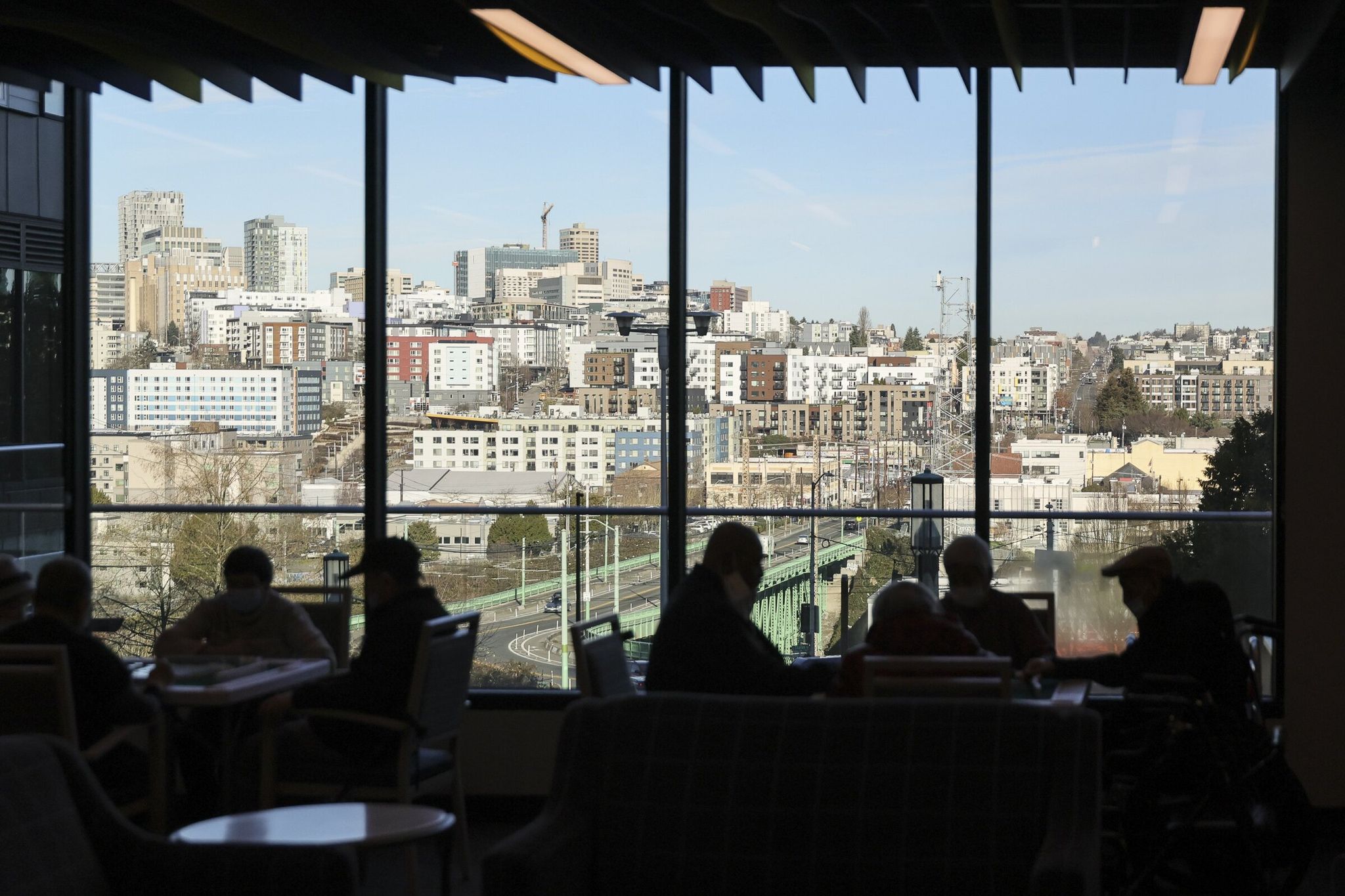
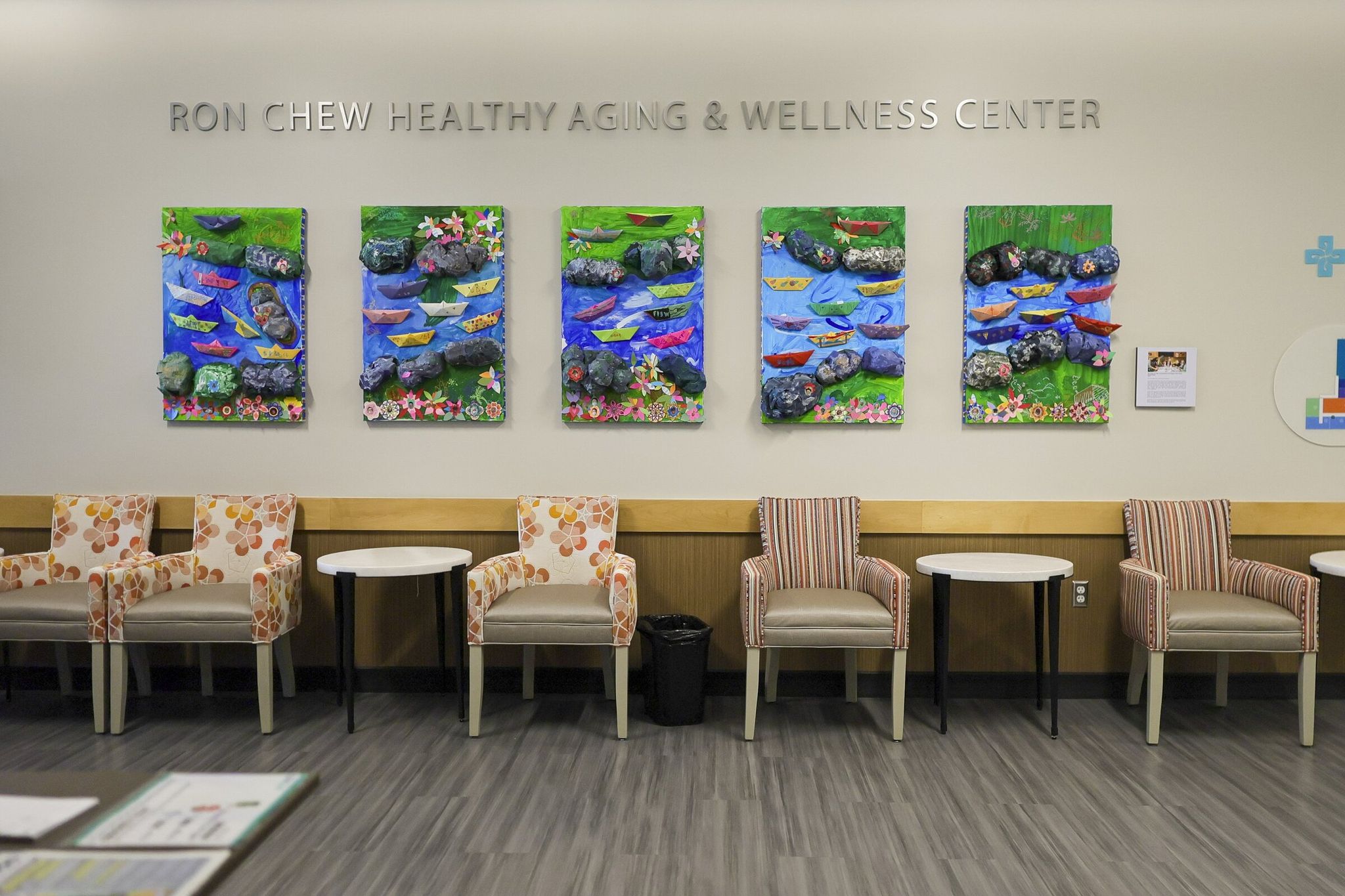
In the historically diverse Beacon Hill neighborhood south of downtown Seattle—known for its multicultural population and strong sense of community—the Ron Chu Center for Healthy Aging and Well-Being has opened. Run by the nonprofit International Community Health Services (ICHS), the center offers older adults a rare model of comprehensive care. Founded in 1973, ICHS plays a key role in Seattle’s health system, providing affordable and culturally oriented services, especially for immigrants and low-income residents.
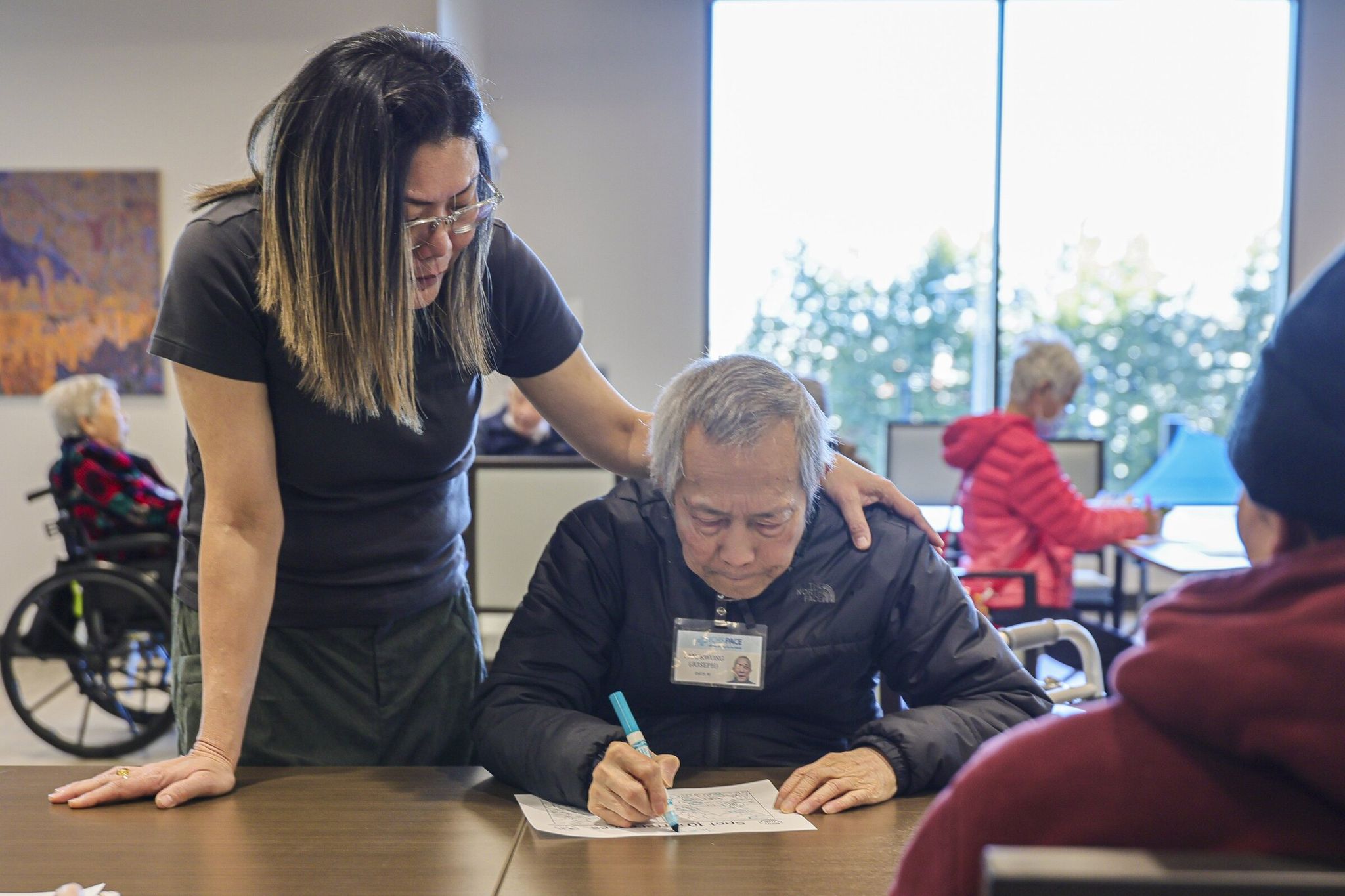
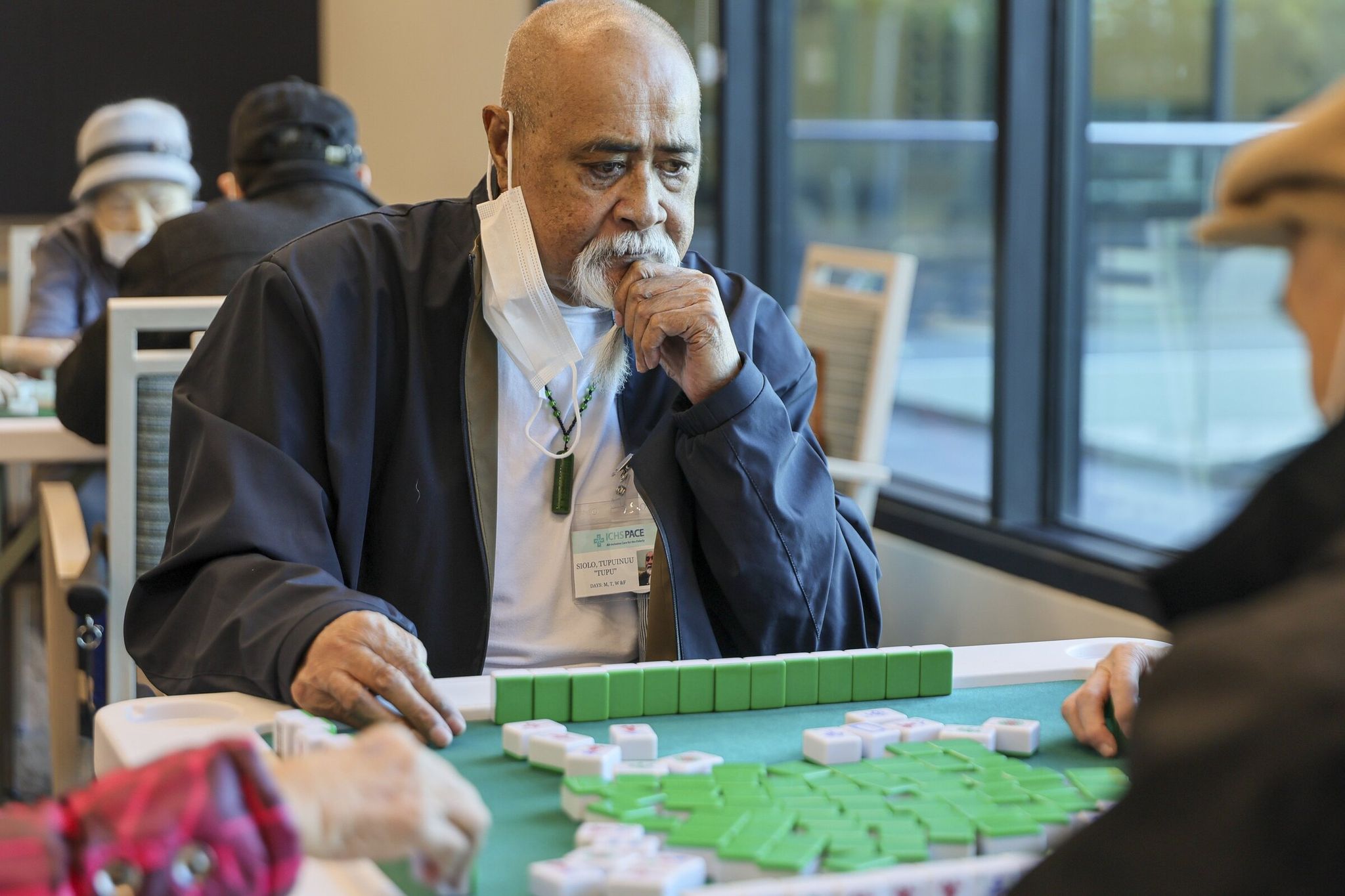
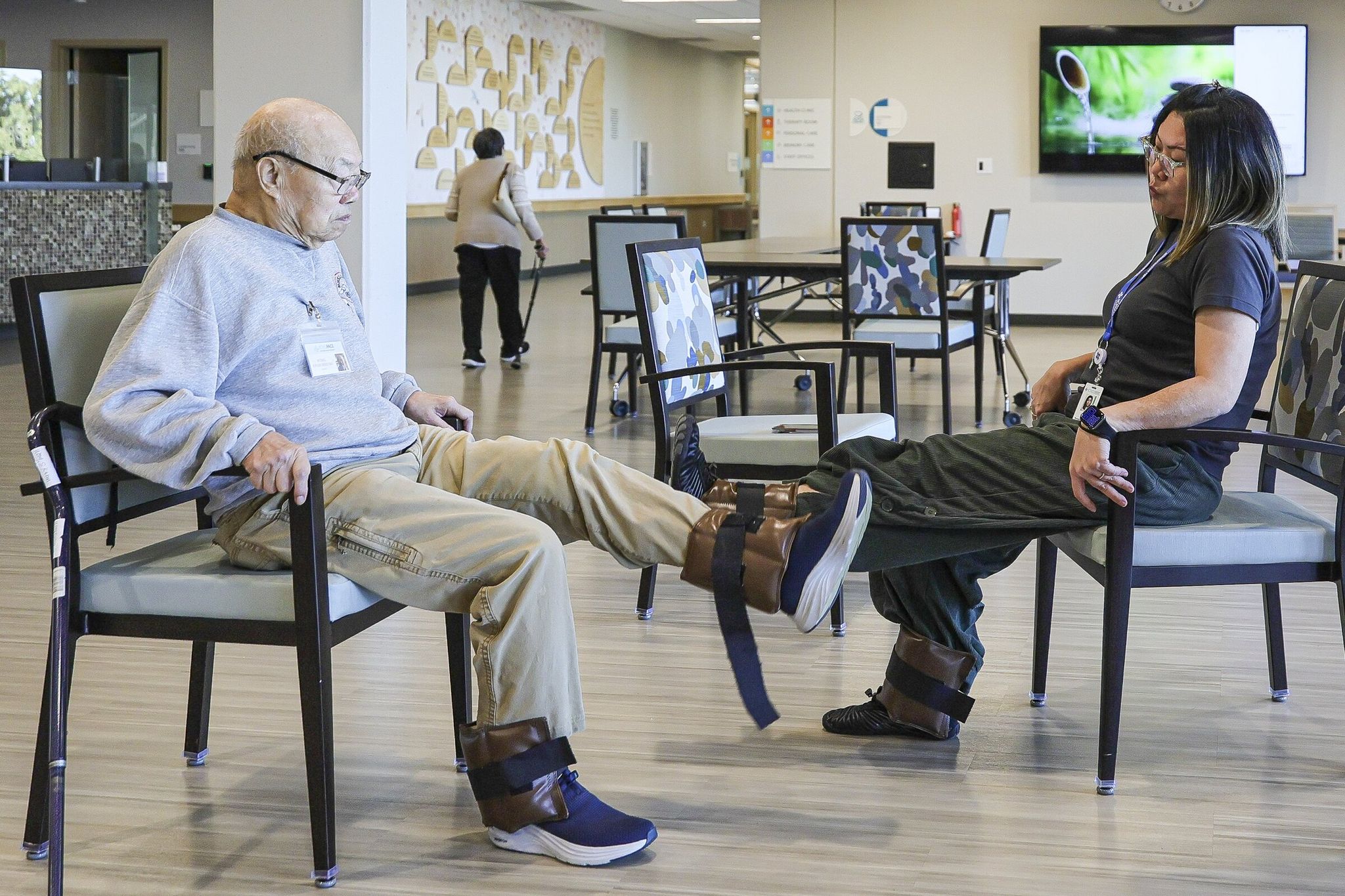
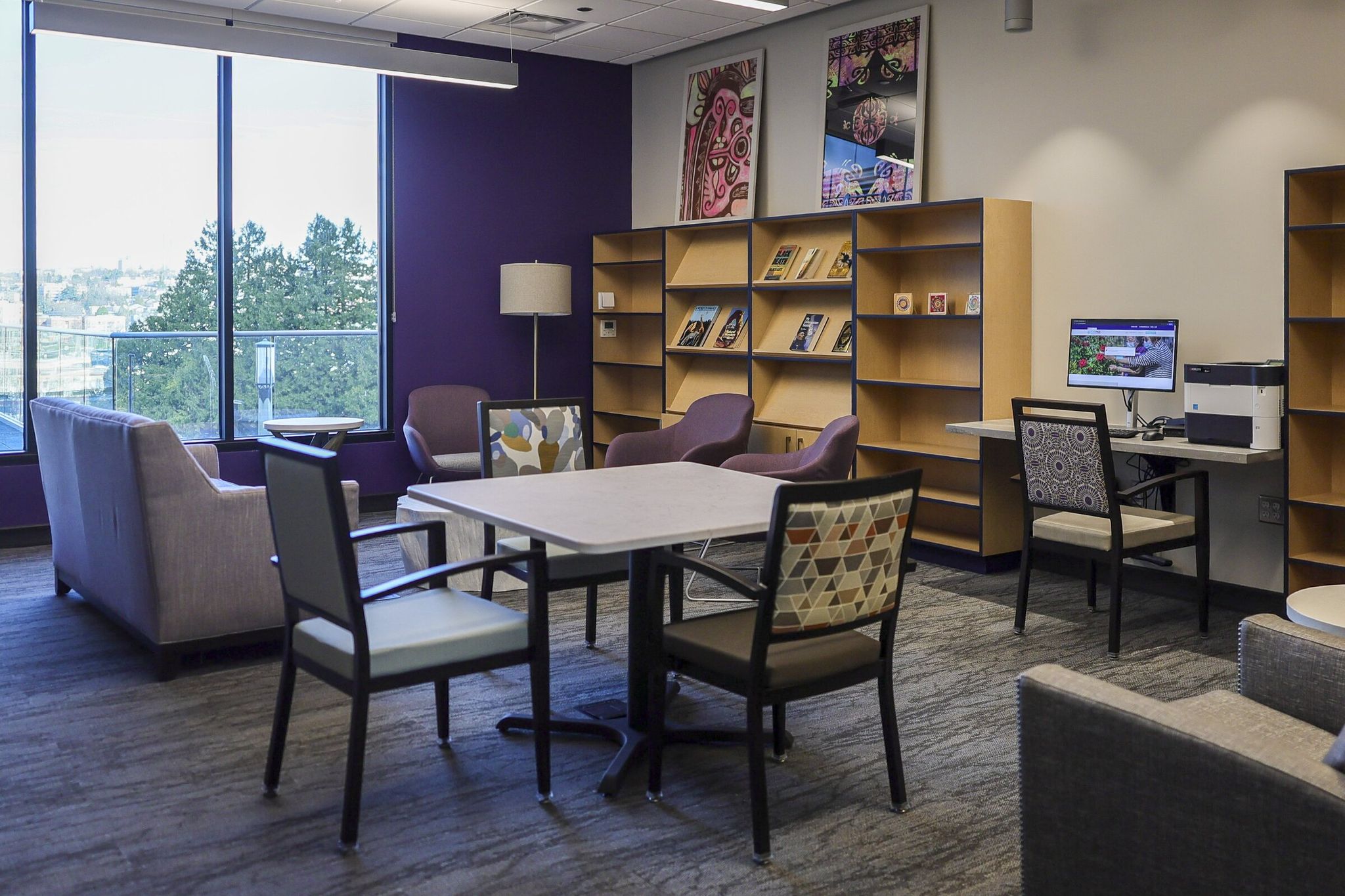
The center brings medical services, social support and recreation under one roof, as in the case of 74-year-old Tupu Siolo, who rides the bus here daily for classes and to meet friends. This model is called PACE (Program of All-Inclusive Care for the Elderly) and is designed to help people live independently as long as possible, avoiding moves to nursing homes. Experts say this approach is increasingly important given rising long-term care costs and staffing shortages in such facilities.
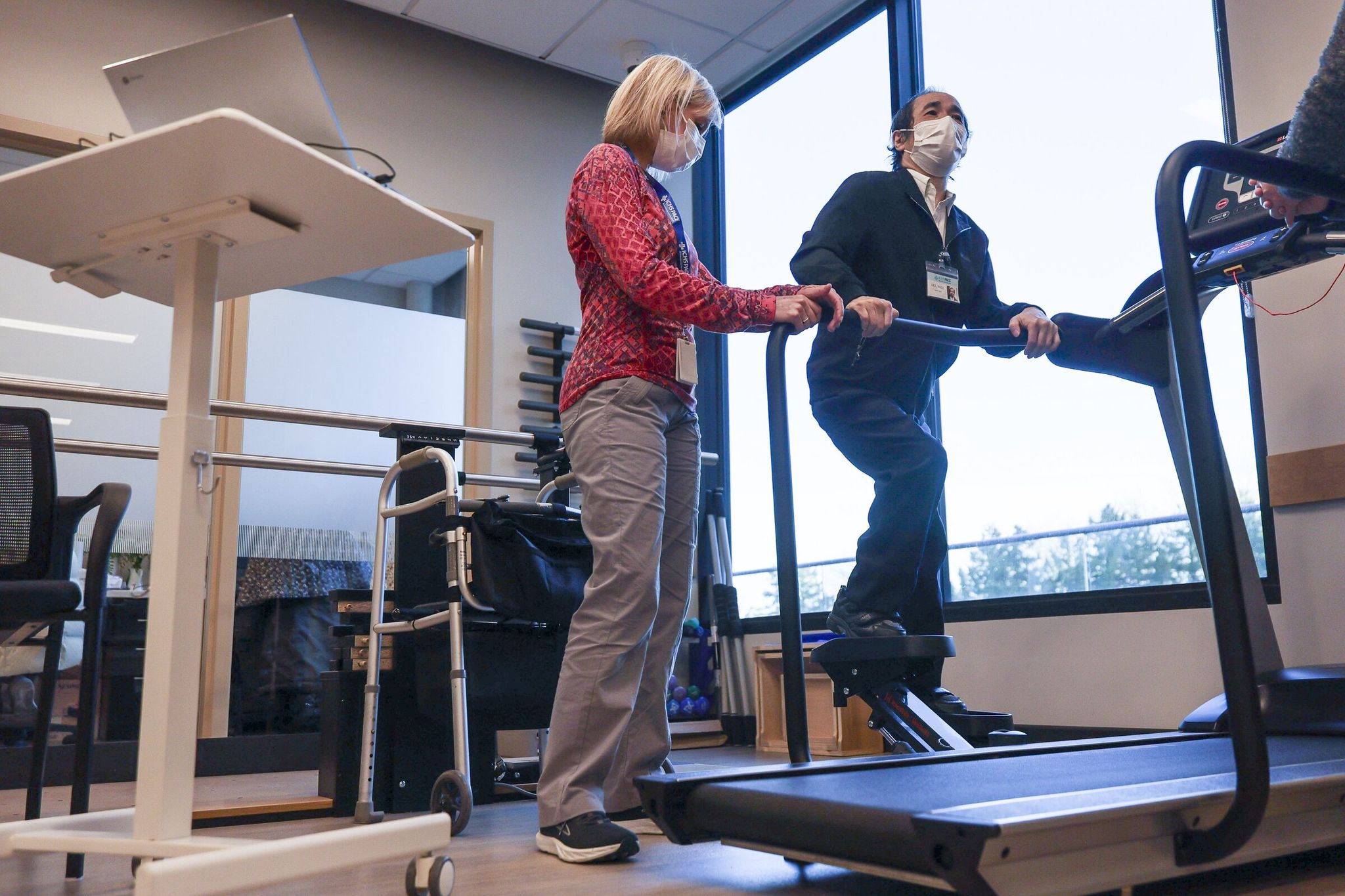
Funded through Medicare and Medicaid, the center covers a wide range of services: from physician and dental visits to physical therapy, therapeutic nutrition, transportation and even in-home care. Its opening allowed ICHS’s PACE program to increase enrollment from 100 to 400 people. Special emphasis is placed on culturally competent care for Asian and Pacific Islander communities, reflecting Seattle’s demographics where about 15% of the population comes from those regions. Multilingual staff and familiar food are included to ensure effective treatment, build trust and address historical disparities in care. The primary goal is to make “aging in place” easier.
Research shows most older adults prefer to stay in familiar environments, which supports social connections, reduces costs and benefits mental and physical health. For Tupu Siolo, who has chronic lung disease, regular classes have greatly improved his condition. Siolo, who used to be winded after walking half a block, can now walk three to four blocks without stopping. “Independent living. That’s what I wanted,” he says, noting the program gave him both confidence and opportunities.
The PACE model was formally established in the U.S. in 1997, but its roots go back to the 1970s in San Francisco. Despite proven effectiveness, the program remains relatively uncommon. In Washington state, about 1,850 people are served by PACE across four counties: King, Snohomish, Pierce and Spokane, chosen because of their sizable older populations and developed infrastructure.
The largest PACE provider in the state is Providence ElderPlace with roughly 1,470 participants. This program, part of the Providence system, differs from traditional hospitals or clinics by providing comprehensive services in one place, enabling older adults to stay at home. Its director, Brian Osborne, compares demand for their services to the size of the Starbucks network—so large is the need. Organizations take full financial responsibility for participants’ health, receiving a fixed monthly payment.
The approach is cost-effective. State data show PACE saves Medicaid about $131 per person per month. PACE participants are less likely to visit the emergency room, spend fewer days hospitalized and are less likely to be readmitted within 30 days of discharge.
Geriatrician Catherine Bennett of the UW Medical Center, part of the University of Washington and well regarded for geriatrics, praises the PACE model. Her students train in such centers to see the interdisciplinary approach. “It’s a great model to rethink care for frail older adults,” she says.
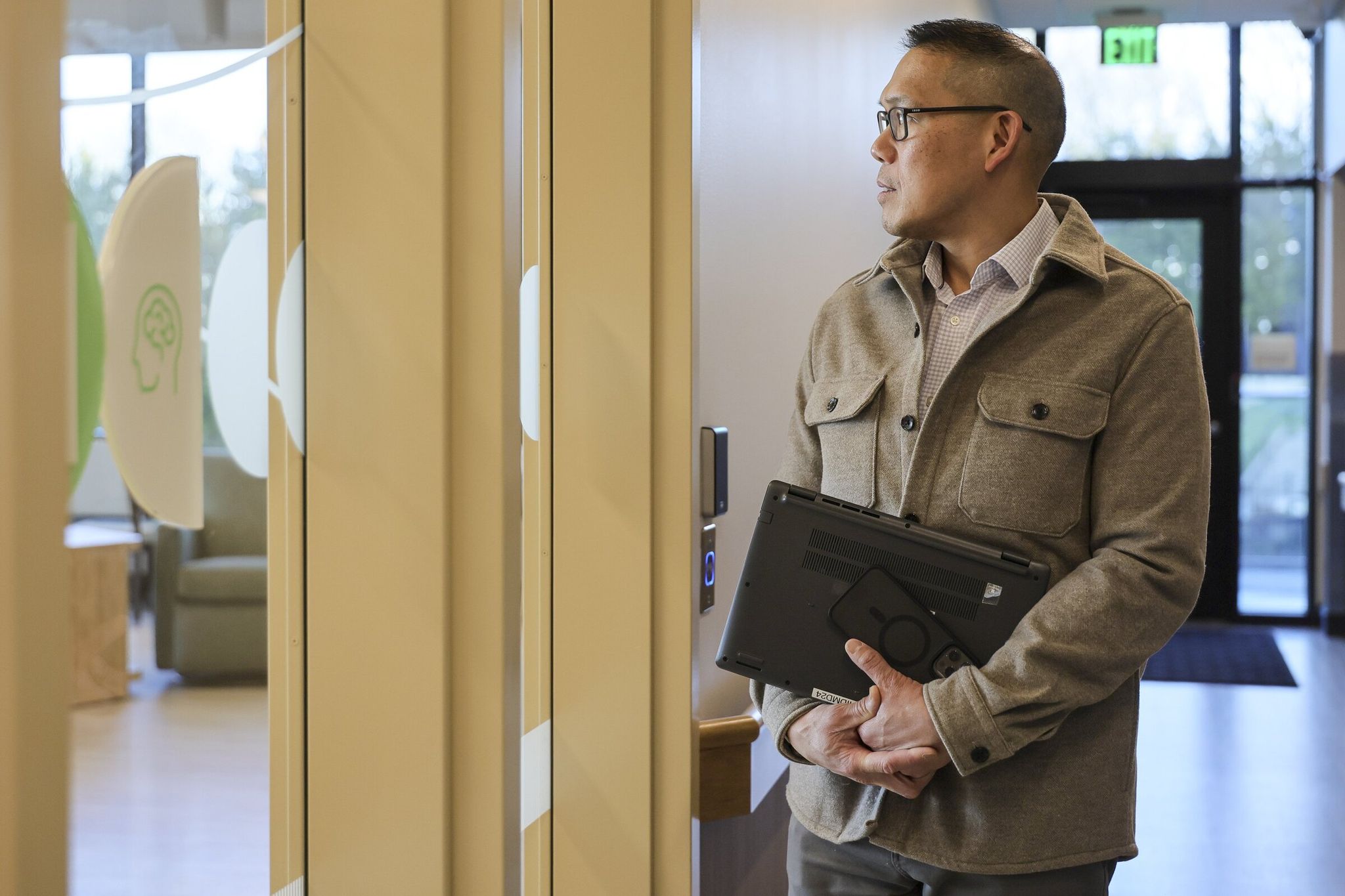
For families like Sam Lee’s, the program has been a lifeline. His elderly mother fell at night when he wasn’t home. After that incident they found PACE. Now she receives comprehensive care, has moved into adapted housing, her health has improved and even medication dosages have been reduced.
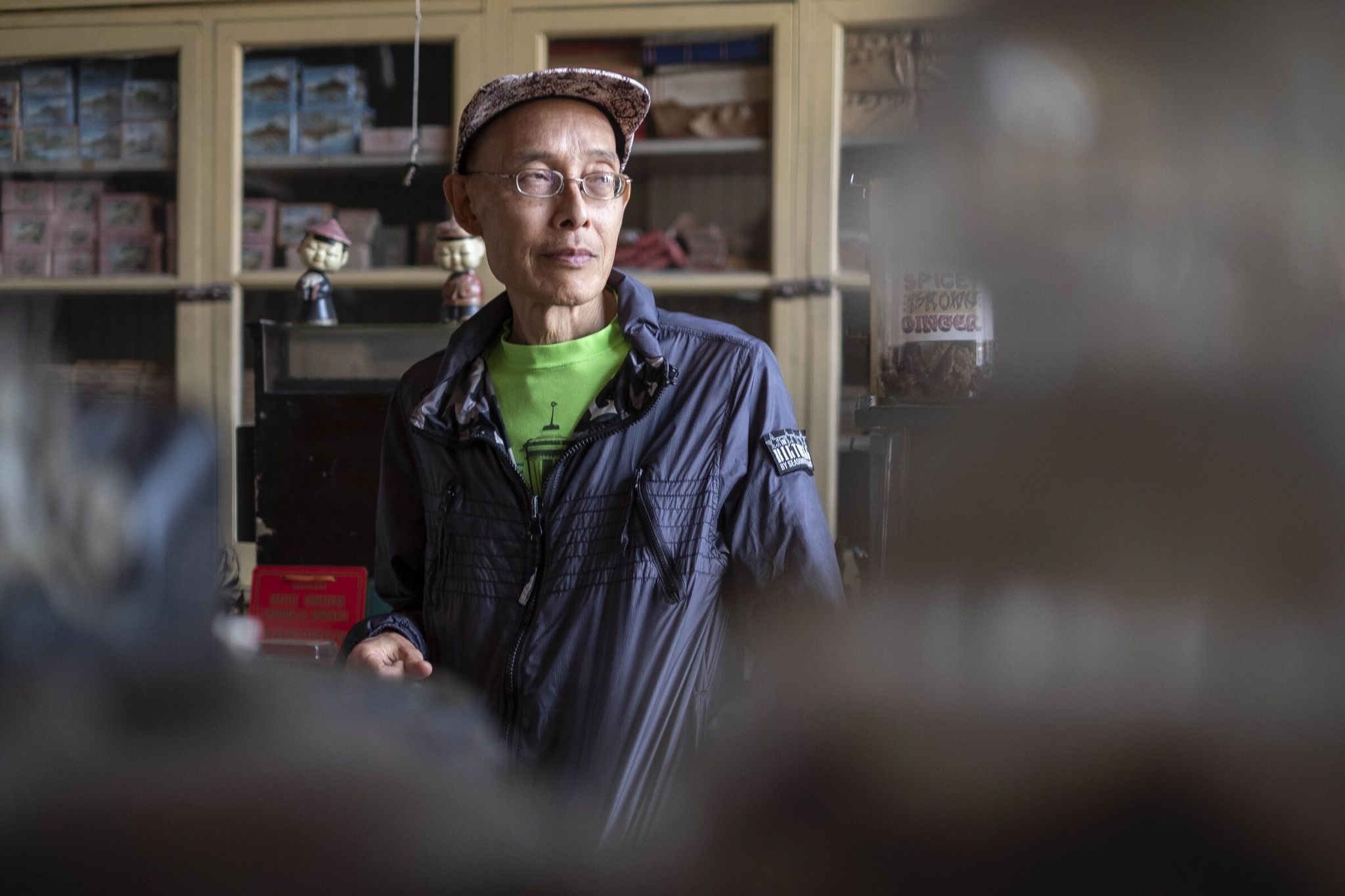
The Beacon Hill center is named for Ron Chu, a well-known community leader, historian and advocate for Seattle’s Asian American community, who long led the Museum of History & Industry (MOHAI) and served as executive director of the International District. He chaired the ICHS foundation for a decade and helped raise funds for construction. Chu joked that he initially resisted the honor because he was “not dead yet,” but ultimately agreed.
Chu has long supported the idea of a community-based clinic, believing that isolating older adults in institutions harms their health and deprives society of the wisdom and stories of older generations. The center, he says, is “a win-win for our community, older adults and society at large.”
Based on: New Seattle health center offers all-in-one care for older adults