
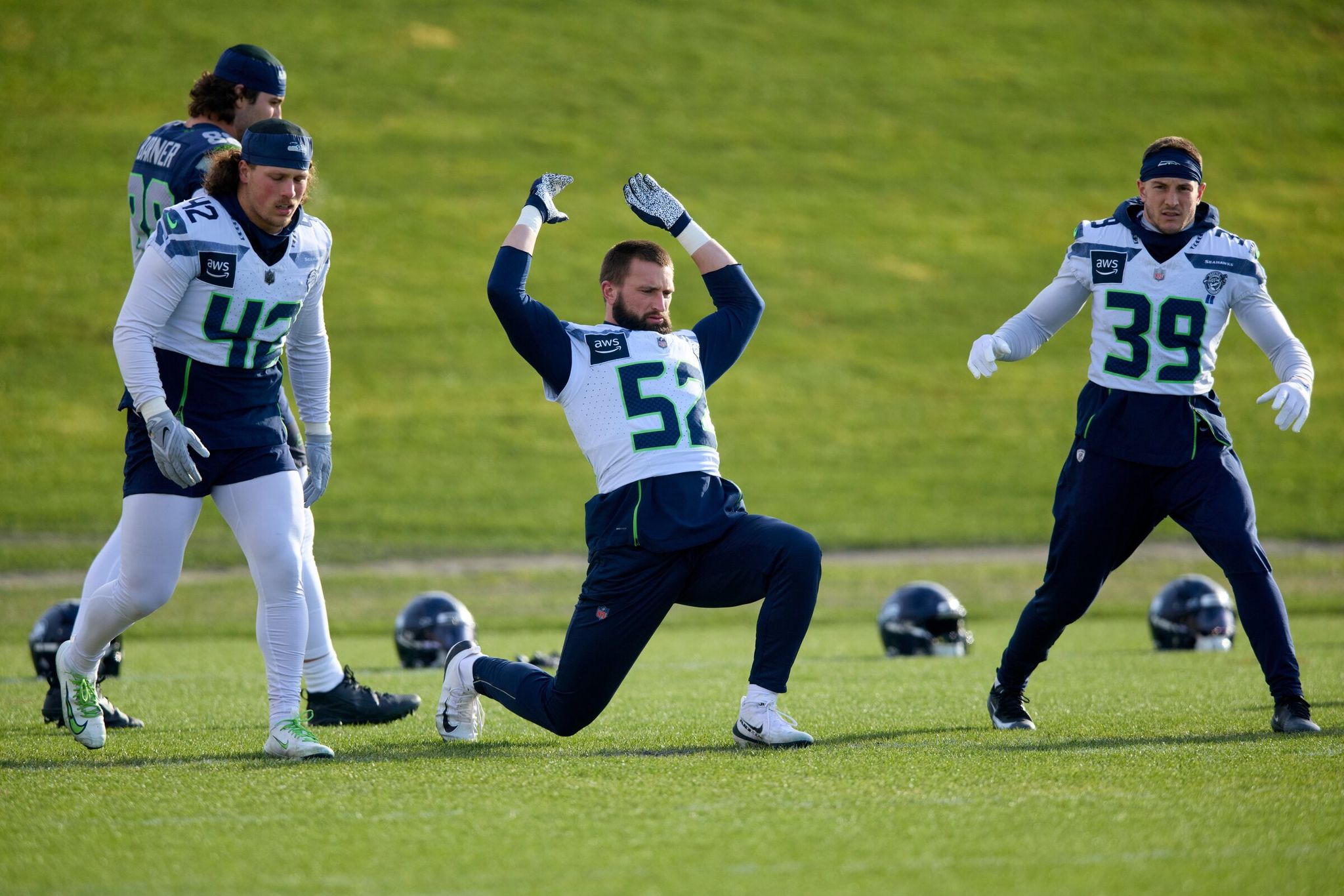
The Seattle Seahawks face the most important game of the year — one that will determine who goes to the Super Bowl. But team sports psychologist Michael Jerves, who works with the team, urges players not to fixate on that. His goal is to help them tune out external noise, stick to familiar rituals and treat the game as “just another chance to show what we can do.”
Sports psychology, which helps athletes maintain mental health and perform at peak levels, is becoming an increasingly important part of professional sports. NFL stars like Tom Brady have publicly spoken about its benefits, significantly reducing stigma around the subject. Turning to a psychologist is now seen not as a sign of weakness but as a tool for reaching an elite level.
The work of sports psychologists is especially important because of the unique pressure public figures face. They attract intense scrutiny of both their athletic performance and their private lives. In addition, social media and the spread of sports betting create new layers of stress, including a stream of abuse and fans’ financial interest in a particular player’s actions. In Seattle this pressure has a particular character. The local fan community, known as the “12th Man,” creates one of the loudest and most devoted supports in the NFL at Lumen Field. That strong emotional connection creates high expectations, which can be both inspiring and extremely demanding for players, especially in home games.
To help athletes, psychologists use a variety of methods. A key strategy is the practice of mindfulness — focusing on the present moment. Techniques such as keeping a mental-preparation journal or doing progressive muscle relaxation exercises to improve sleep before a game are also used. It’s important to understand that the goal is not only to improve performance metrics but also to support overall mental well-being, which ultimately leads to better results.
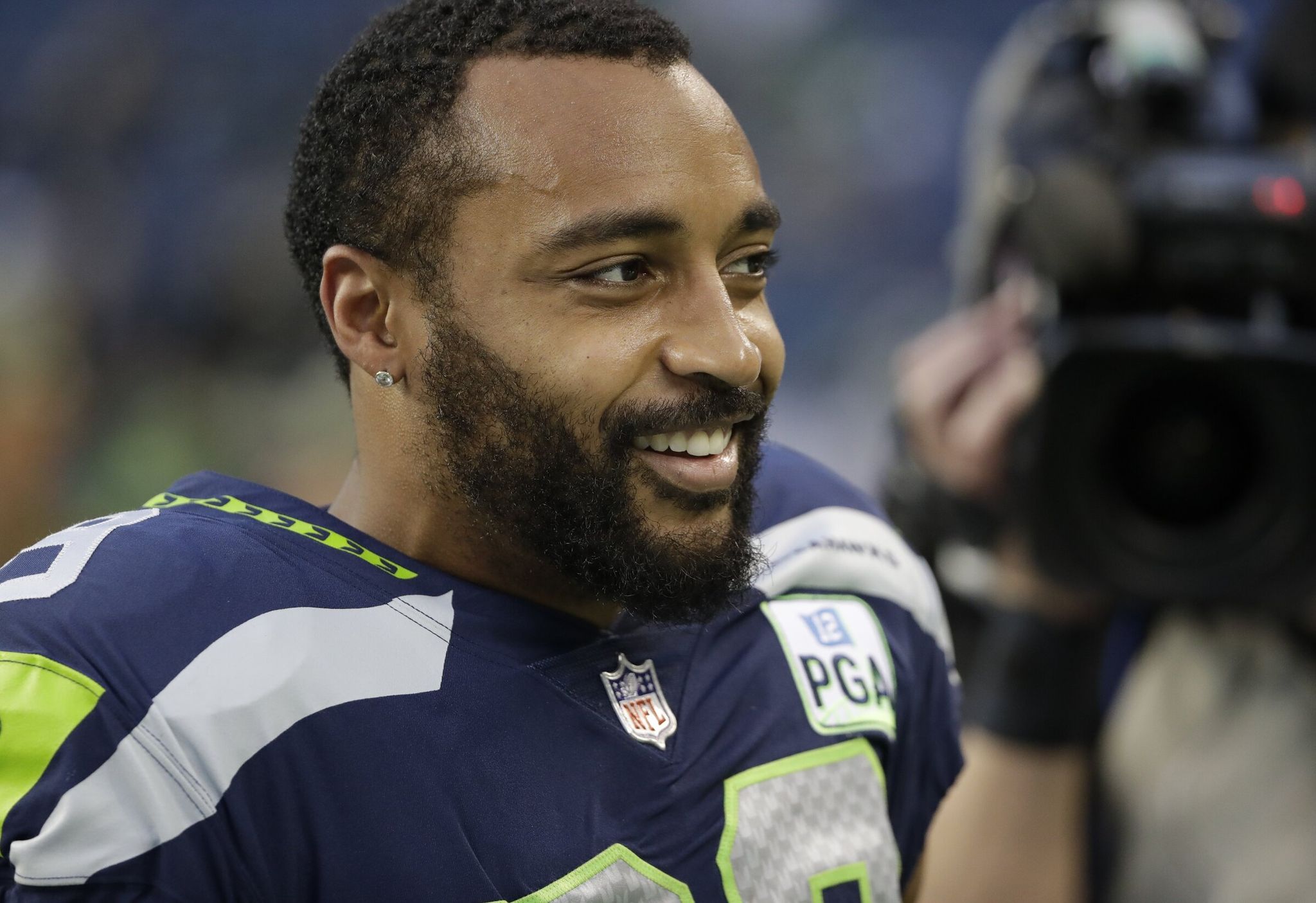
The Seahawks were initially skeptical about sports psychology. Players like Doug Baldwin doubted it, and Marshawn Lynch called such specialists “theoretical psychologists.” But over time simple breathing exercises and gratitude meditation opened new horizons of self-control for Baldwin. Jerves helped him develop routines that allow him to manage emotions before games and even before each play. The club’s philosophy of mental preparation has deep roots. Former head coach Pete Carroll actively implemented positive psychology methods, creating a competitive but supportive atmosphere. With the arrival of new head coach Mike MacDonald, known for his tactical approach, a shift toward more structured preparation tied to game situations is expected, while preserving key elements of psychological support.
Jerves worked with the team for nine seasons, including their Super Bowl runs. After Pete Carroll’s departure, the club’s general manager John Schneider again brought the psychologist back to help new head coach Mike MacDonald build the desired team culture “from a mindset perspective.” Schneider, who has worked with the club since 2010, played a key role in building the championship team and shaping its culture based on collaboration and resilience. Throughout the season Jerves and former Seahawks kicker Steven Hauschka, now a performance coach, hold weekly meetings with MacDonald. Hauschka’s move from reliable kicker of the Seahawks’ winning era into a coaching role is significant for the club because he brings unique game experience and an understanding of the specific pressures, helping current players reinforce the traditions of a strong special teams unit.
Despite lingering stigma, modern players are far more aware of best practices for training the mind. Psychologists help them follow an individualized “performance plan,” which can include a sleep schedule, visualization exercises or a nutrition routine. It’s crucial that all games — preseason, regular season or playoff — are approached the same way.
On the eve of the decisive game, Jerves’s philosophy remains unchanged. He hopes players will be “relaxed and focused,” present in the current moment. The key to success is not thinking about past games against this opponent or the Super Bowl, but fully committing to what’s happening here and now. That state, he believes, allows the team to reach its maximum potential.
Based on: How a sports psychologist helps the Seahawks prep for the NFC Championship