
A bill is under consideration in the Washington state legislature that aims to modernize compensation for school board members. The initiative, the first in nearly 40 years, would increase their daily stipend, require mandatory financial training and reimburse childcare costs during meetings. Supporters say the changes would improve school district governance.
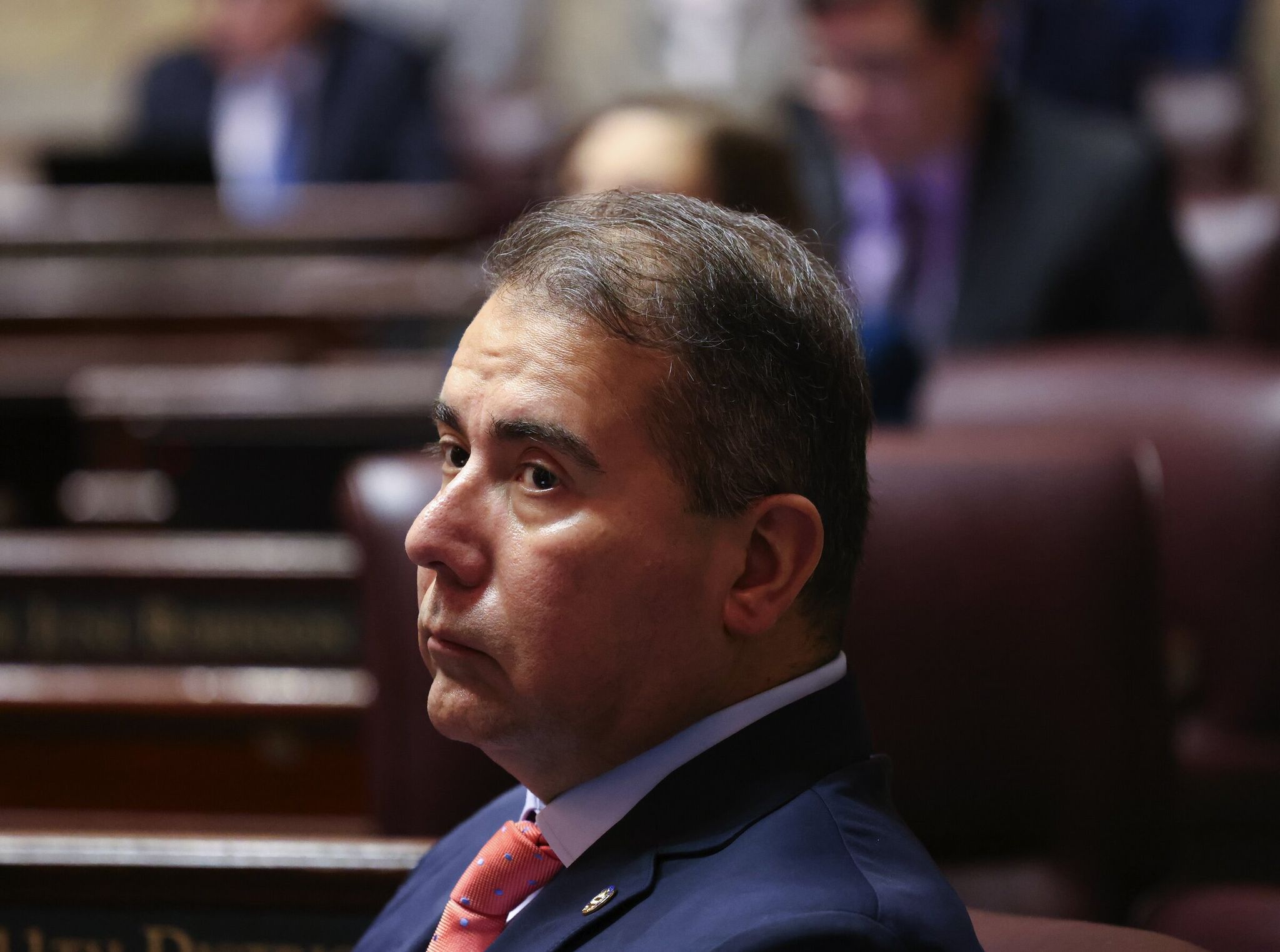
The main goal is to make service on school boards more accessible. Bill sponsor Sen. Adrian Cortes says that boards are often populated by wealthy or retired people. The new rules are intended to allow middle‑income residents to serve, bringing their life experience and a broader range of perspectives to governance.
Specifically, the daily stipend could rise from $50 to $100, and the annual cap could increase to $13,750 from the current $4,800. In addition, compensation would be reviewed every five years to account for inflation. The intent is to cover board members’ costs such as lost wages from taking time off, travel to meetings or paying for childcare. The workload for a board member in a large district like Seattle can be comparable to a full‑time job and includes approving multi‑million‑dollar budgets, hiring leadership, setting policy and attending dozens of meetings each month.
The primary sticking point has been the proposed funding source — surplus funds from local school levies. Critics, including taxpayer groups, call that unlawful and a crude diversion of money raised for enrichment programs and student activities. The issue is particularly acute for poor districts that struggle to raise even basic funding and cannot easily increase levies, while wealthier districts such as Bellevue collect substantial surpluses. This system of local property tax levies has historically created inequality between districts, and reallocating those funds is viewed as a fairness issue that has sparked resistance in affluent areas.
A separate question is paying for the mandatory financial training for board members, which supporters say is necessary for responsibly overseeing nearly half of the state budget. In a budget shortfall, money for that training may not be immediately available. Sen. Cortes concedes that the training could be rolled out with a delay, potentially next year.
The Washington State School Directors’ Association (WSSDA), which would be tasked with organizing the training, generally supports the bill’s goals. The association, which represents and trains elected board members across the state, plays a key role in shaping education policy, speaking with a unified voice to lawmakers and exerting significant influence on such initiatives. WSSDA representatives note that most board members already decline the stipend, but increasing pay could attract new people. The association also shares concerns about funding from local levies and asks for more time to develop the courses.
It’s important to emphasize that the bill does not require districts to raise pay but merely allows them to raise it up to the new cap. The decision remains with local communities that vote on levies and must determine what constitutes fair compensation for their elected officials. This is a matter of local control, and the state’s political geography heavily influences positions. Urban and suburban districts in western Washington with higher incomes may oppose the bill because of the risk to their local levies, while rural and less affluent districts east of the Cascades are more likely to support it as a way to increase funding.
Lisa Rankin, a Seattle school board member, supports both higher pay and financial training. She says the public doesn’t always see the full scope of board members’ work. Investing in their preparation and making service accessible to people of varying means is in the state’s interest if it is serious about improving education and governance.
Thus, SB 5860 attempts to address longstanding issues of accessibility and professionalism in school governance but faces practical funding challenges and regional conflicts. Its fate will depend on whether lawmakers can find a compromise between a laudable goal and financial reality, and whether they can account for deep inequities between the state’s school districts.
Based on: Bill seeks to increase school board directors’ pay