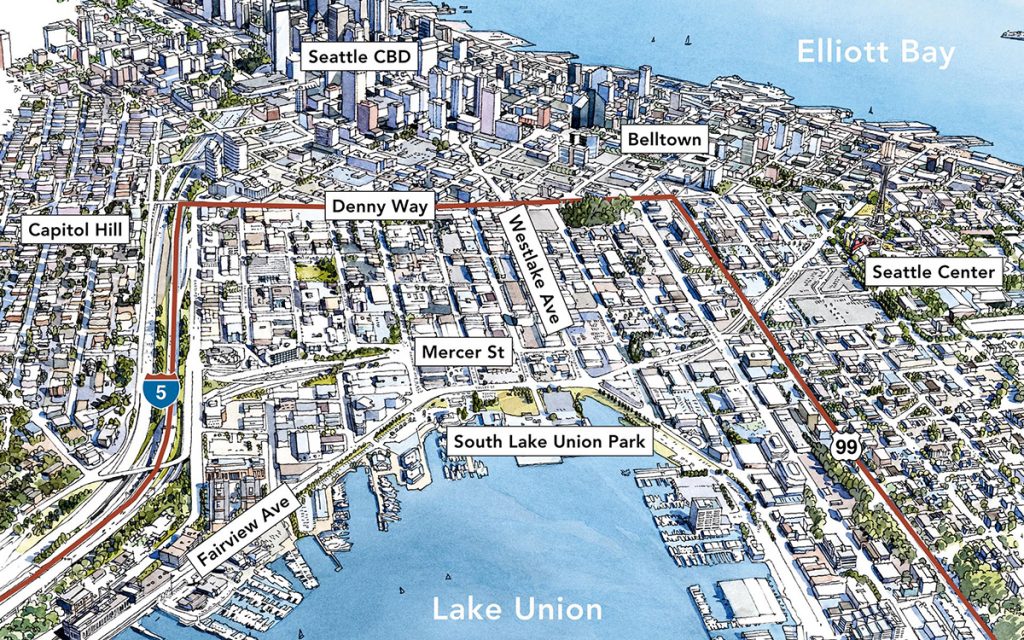
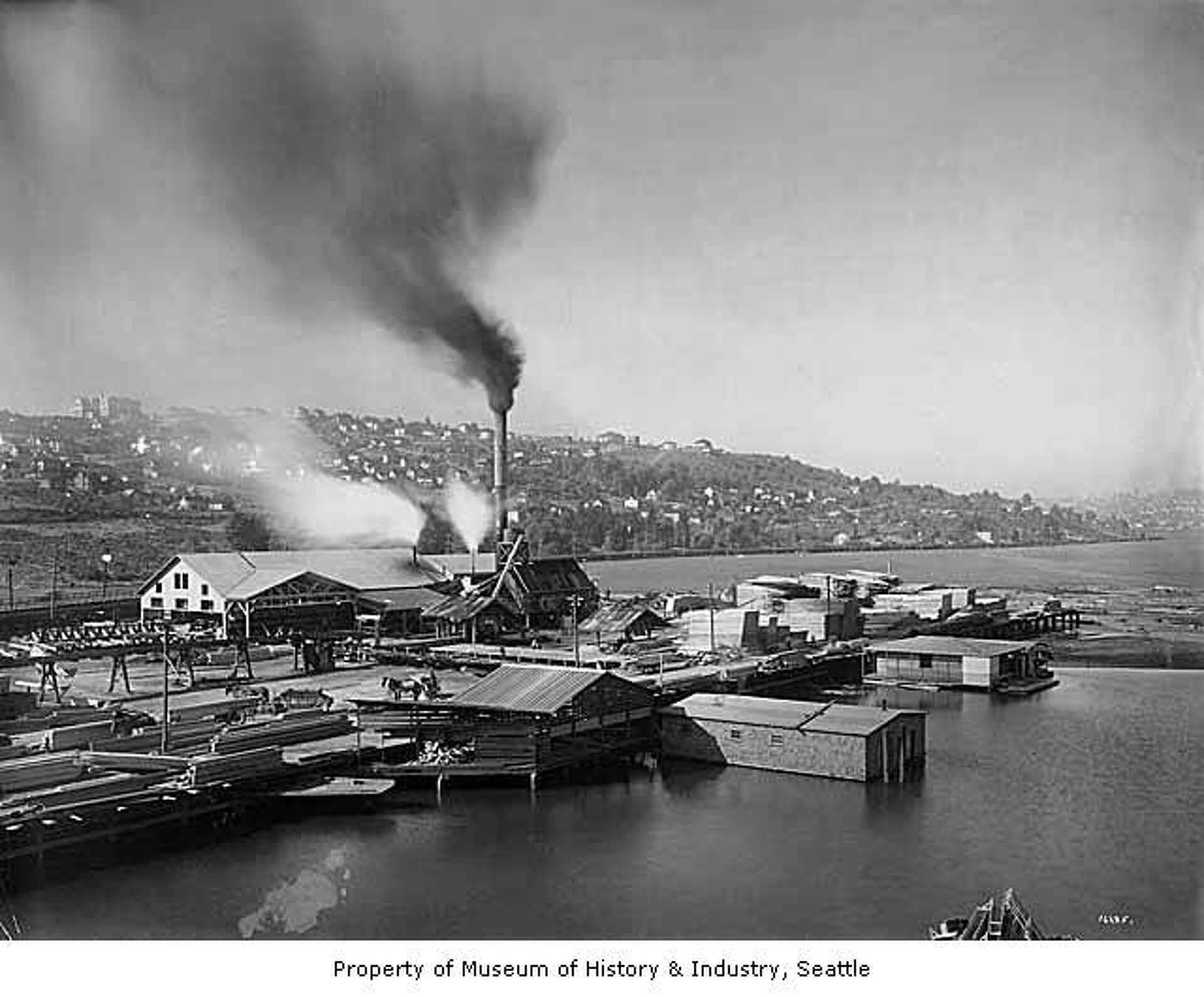
Imagine you live in a cozy neighborhood where everyone knows everyone. Your mom buys bread from the neighbor, your dad plays dominoes with friends in the courtyard, and you know every crack in the sidewalk. Then one day big trucks arrive—and all of that disappears. Where your yard used to be, a huge glass building grows. That’s exactly what happened in Seattle’s South Lake Union neighborhood—and the story of the people who are no longer there turns out to be surprisingly tied to those who rebuilt the area.
A neighborhood that was home
In the early 2000s, South Lake Union looked nothing like it does today. Instead of glass towers and trendy, expensive cafés, there were modest houses, small shops, and community centers. And most residents were immigrants—people who came from far away to start a new life. There were especially many families from East Africa: from Somalia, Ethiopia, and Eritrea. They opened small restaurants with fragrant dishes, created places where you could talk in your native language, pray together, and celebrate holidays.
For these families, the neighborhood wasn’t just an address—it was a real home in a foreign country. When you’re struggling, when you’re learning a new language and not everything around you makes sense yet, it’s crucial to have a place where you’re understood without words. For many, South Lake Union was exactly that.
Big changes and invisible people
Around 2010, Amazon began building its massive headquarters in the area. Crane by crane, floor by floor—the neighborhood was changing right before people’s eyes. Rent skyrocketed, small businesses shut down, and families were forced to move to other parts of the city—or leave Seattle altogether. This is called “displacement”—when a neighborhood becomes so expensive that longtime residents simply can’t afford to stay.
But here’s what’s surprising—and a little fairy-tale-like, though with a complicated ending: many of those who physically built Amazon’s new buildings—who laid bricks, lifted beams, and poured concrete—were themselves immigrants from East Africa or similar communities. Their hands raised walls on the same ground where their fellow residents’ homes used to stand. They built a city that became too costly for people like themselves.
This isn’t malicious intent, and it isn’t anyone’s fault—this is just how big-city development works. But if you think about it, it’s both very sad and very important.
Glass spheres and invisible roots
The most famous buildings of the new Amazon are the “Spheres”: three enormous glass globes with tropical plants inside. Tourists photograph them, and magazines describe them as an architectural wonder. But few people know that right near this place there used to be a Somali community center—a spot for meetings, celebrations, and conversations in a language that almost nobody in Seattle could understand.
That center disappeared. But the people didn’t. Families moved, children grew up. And here’s the most amazing part: some of the children of those very immigrants who were displaced by the new neighborhood now work for technology companies in Seattle. Someone is a programmer, someone is a designer, and someone works at Amazon itself. They came back—just through a different door.
It’s like being asked to leave your favorite patch of grass, only to find that the flowers you planted are still growing—just somewhere else, and still yours.
The city remembers, even when it stays silent
The story of South Lake Union teaches us something important: cities change, buildings are torn down and rebuilt, but people and their stories don’t go anywhere. They hide in walls, in street names, in recipes passed from children to children. Immigrants who built this neighborhood with their own hands and their labor—both figuratively and literally—became an invisible part of the most famous tech district in America.
The next time you see a beautiful new building, ask yourself: who built it? Whose hands held the tools? Whose families lived on that site before? Cities aren’t only glass and concrete. They’re the stories of people who are often invisible. Noticing them is a small act—but a very important one.