Imagine your favorite bookstore, where you buy comics every Saturday, suddenly has to close. Not because it has too few customers, but because the building is old and could collapse in an earthquake. To make it safe, the owner would have to pay as much as she earns in five years. What will she choose: spend all the money on repairs and go bankrupt, or keep operating in a dangerous building? That impossible choice confronted hundreds of shop, café and workshop owners in Seattle when engineers discovered that the city’s old brick buildings were ticking time bombs.
When a safety law became a problem for small businesses
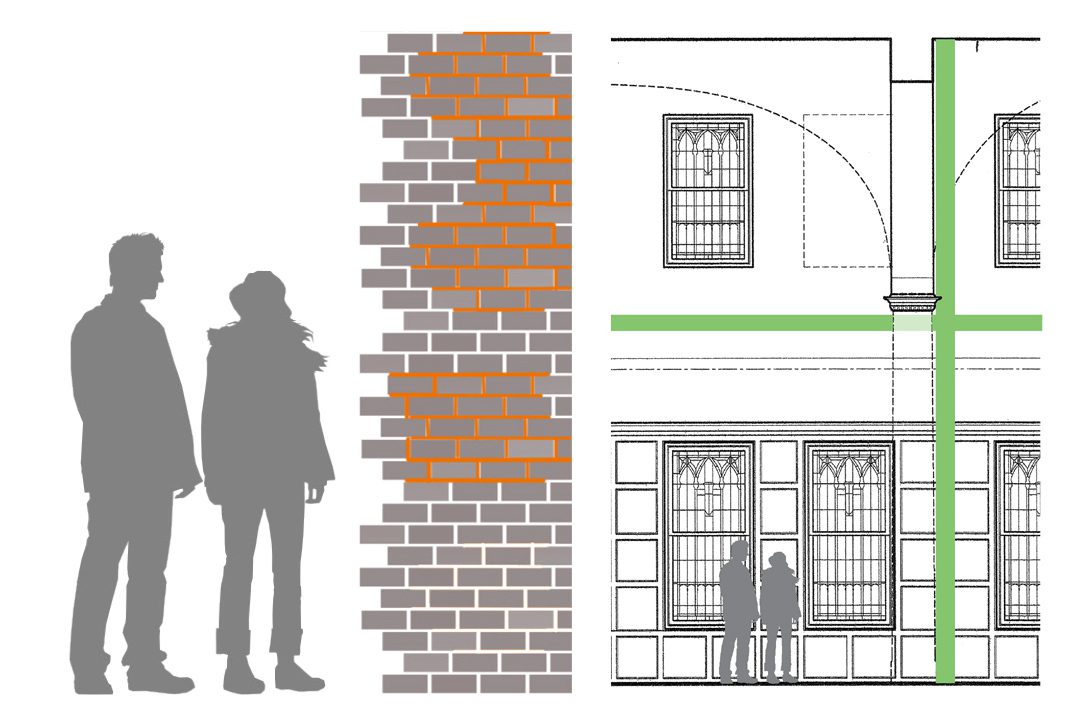
After the 2001 earthquake, Seattle engineers inspected thousands of buildings and were horrified. Many old brick buildings, built a hundred years ago, could fall in a strong quake because the bricks were just stacked with no special reinforcement. The city passed a law: all dangerous buildings had to be reinforced with special metal rods and beams. It was the right decision that would save lives. But there was one huge problem.
Most of those old buildings weren’t in wealthy districts full of corporate offices. They stood in ordinary neighborhoods housing family bakeries, bookstores, bike repair shops, small theaters. The owners of those businesses made enough to pay rent and buy supplies, but they didn’t have $200,000–$500,000 to reinforce a building. It’s like being told, “Your bike is unsafe — buy a new one for $10,000 or we’ll take your old one.” You don’t have that money!
Business owners were trapped. If they spent all their savings on reinforcing the building, they wouldn’t have money for payroll and inventory — the business would close. If they didn’t reinforce the building, the city could fine them or even forbid them from operating. And if they simply sold the building and left, favorite neighborhood shops would close and the area would become empty and sad.
How the city invented a "savings jar" for safety
Seattle officials realized they had created a problem no one could solve. So they did something unusual: instead of just demanding “do it all immediately,” they asked business owners, “What would make this possible for you?” The entrepreneurs answered honestly: “We need time. A lot of time.”
That’s how a program you could call an “earthquake piggy bank” appeared. Rather than reinforcing an entire building at once, owners could do it gradually, in parts, over 10–20 years. First reinforce the most dangerous walls. Then, a couple of years later, when enough money was saved, add metal beams. Later — strengthen the foundation. Like saving for an expensive toy: you buy the core item first, then add accessories later.
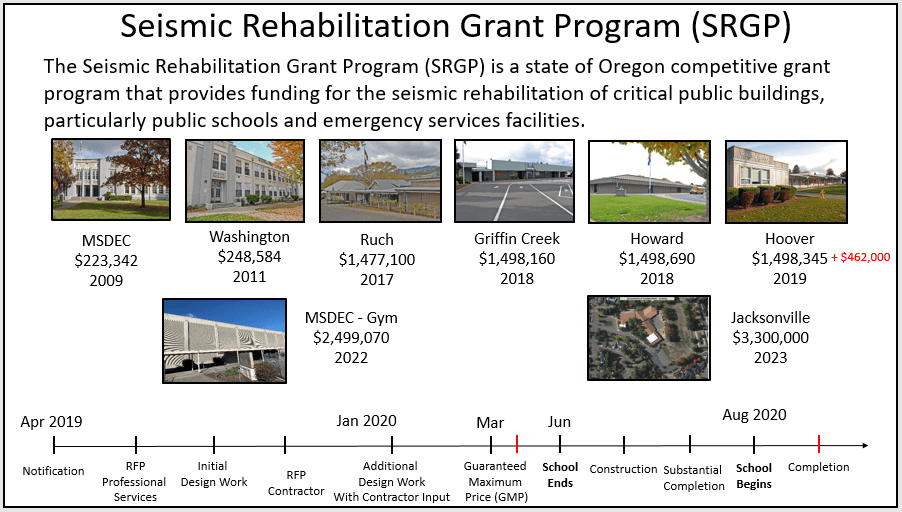
But that was only half the solution. The city also created low-interest loans — almost like borrowing from a friend who doesn’t demand much in return. And for the poorest neighborhoods they designed grants: the city would pay part of the reinforcement costs if the owner promised not to raise store prices and not to evict tenants from the apartments above the shop.
Why slow safety is better than no safety
Some people criticized the program. They said, “An earthquake won’t wait 20 years! Everything needs to be reinforced right now!” And they were right about the danger. But city officials understood: if everyone were forced to do everything at once, half the buildings would simply remain empty because owners would go bankrupt. And an empty building won’t be reinforced at all — it will stay dangerous until it completely collapses.
The “piggy bank” program proved to be a wise compromise. Five years after its launch, 60% of dangerous buildings had already begun reinforcement — far more than if the city had simply demanded immediate compliance. A small bakery in Georgetown was able to shore up its walls without closing for a single day. A bookstore in Pioneer Square installed metal beams gradually, one per year, and kept selling books to kids.
I believe this is one of the smartest laws adults have ever come up with. Usually adults say, “There’s a rule, and that’s that.” But in Seattle they said, “There’s a rule, but let’s think about how to help people meet it.” It’s like a teacher who doesn’t just give failing grades for missed homework but asks, “What’s stopping you from doing it? Do you need more time or help understanding it?”
The lesson Seattle taught other cities
Now Seattle’s program is being copied across America. San Francisco, Los Angeles, Portland — they’ve all created similar “safety savings” programs for old buildings. They understood an important thing: safety laws only work when people can comply with them. If a law is too strict and ignores real life, people will either break it or suffer trying to follow it.
The story of the “earthquake piggy bank” teaches us that sometimes a slow solution is better than a quick one if the quick solution is impossible. That helping people comply with rules matters more than simply punishing noncompliance. And that adults can learn to find creative solutions if they stop saying “it must be done this way” and start asking “how can we make this possible?”
Next time a task seems too big and impossible, think of Seattle and its “piggy bank.” Maybe you can break a big problem into small parts and tackle them one by one. Sometimes the smartest move isn’t to do everything at once, but to start doing a little and never stop.