Imagine that one day you had to leave very far away — so far that your mom or grandma’s favorite food simply stopped existing. Not because it was banned, but because the grass used to make it doesn’t grow in the new country. That’s what happened to thousands of Vietnamese families who arrived in Seattle after the war — and they found a solution worthy of true engineers.
When the favorite soup stayed on the other side of the ocean
After the end of the Vietnam War in 1975, many families were forced to flee the country. Some made it to Seattle — the rainy city in the US Northwest, where the sky is almost always gray and summer is nothing like the tropical warmth of Vietnam. Refugees were settled in different neighborhoods, but gradually many of them began to gather in one place — in the International District, where over time a whole little Vietnamese community emerged, which locals call “Little Saigon.”
People brought with them memories, family recipes, and a huge desire to cook the way they cooked at home. But there was a serious problem: Vietnamese cuisine is impossible without certain special herbs. Lemongrass, Vietnamese basil, perilla leaves, rau ram — these plants love the heat and humidity of the tropics. In Seattle, they simply refused to grow outside. The climate was too cold, the sun too scarce, and it rained for almost nine months a year.
You could have given up and cooked something else. But Vietnamese families didn’t. They started thinking — like engineers.
A garden in the basement, and a fish tank instead of a greenhouse
The first thing resourceful housewives (and husbands!) came up with was to move the garden indoors. Sounds simple, but in reality it required real ingenuity. Tropical herbs need bright light — so special lamps are necessary. They need humidity — so the plants must be misted regularly. They need warm soil — so pots can’t be placed on a cold floor.
Some families used old fish aquariums as small greenhouses: the sealed glass held on to heat and moisture, creating a real tropical microclimate inside. Others set up whole “farms” in basements under rows of fluorescent lamps — just like modern urban farmers do, only Vietnamese families came up with it much earlier, out of necessity.
But what was most surprising was how the community worked. If someone managed to grow a big lemongrass bush, they’d pinch off a sprig and give it to a neighbor. The neighbor would plant it, grow it — and share it with others too. That’s how a living network of Vietnamese plants spread across Seattle, from home to home. It wasn’t just generosity — it was a real distribution system that no one had designed on purpose, yet it worked flawlessly.
Soup simmered for a full day: an engineering task for a restaurant
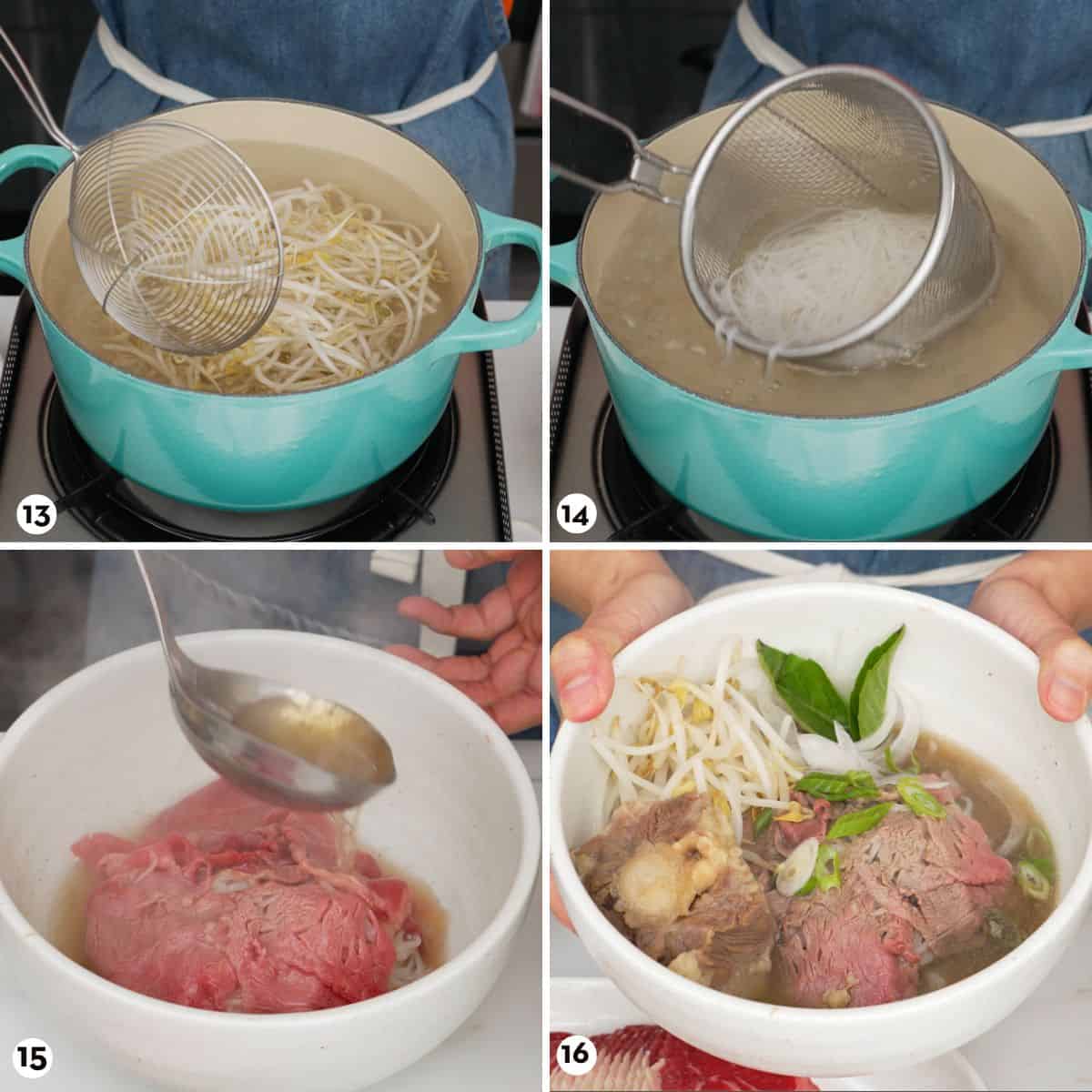
When Vietnamese families began opening restaurants, another puzzle appeared — not about the garden, but about the stove. The main dish of Vietnamese cuisine is pho soup (in Vietnamese: phở). Its broth is made from bones and simmered for a very long time: from twelve to twenty-four hours. That’s exactly why it’s so clear, aromatic, and rich. Without that long simmer, pho is just not pho.
But in American restaurants, strict health and safety rules apply. You can’t just leave a pot on the stove all night unattended. You can’t store hot broth however you want. Vietnamese cooks and restaurant owners came up with special operating procedures: some simmered the broth in shifts, others used large professional kettles with thermostats, and some started cooking before dawn so that everything would be ready by opening.
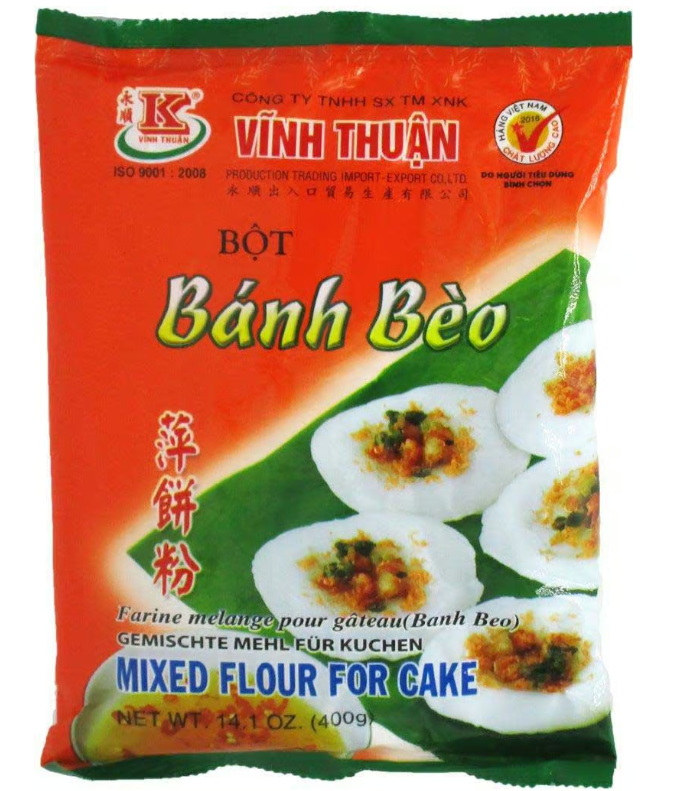
A similar story happened with the Vietnamese baguette — bánh mì. It’s a sandwich in a crusty roll that Vietnamese people adopted from the French during colonial times, but made completely their own. The secret to the crunchy crust is a specific flour ratio. In Vietnam, they use flour with a lower gluten content, which makes the bread light and airy. In the US, that flour wasn’t available. Then Vietnamese bakers began experimenting and discovered that if you add a little rice flour to the dough, the crust becomes almost like it is at home. This small discovery is a real culinary invention made not in a lab, but in a kitchen — out of love for a familiar taste.
How one neighborhood became a favorite place for the whole city
Little by little, all of this — gardens under lamps, the right broth, a crusty baguette made with rice flour — turned “Little Saigon” into one of Seattle’s tastiest places. People began coming here not only from the Vietnamese community, but from all over the city. They discovered pho, bánh mì, fresh shrimp rolls, and mountains of aromatic herbs — and fell in love.
Today in Seattle there are hundreds of Vietnamese restaurants, cafés, and bakeries. In Rainier Valley, a neighborhood where many Vietnamese families live, there are community gardens where Asian vegetables and herbs are intentionally grown. Local schoolchildren sometimes visit there on field trips and learn what lemongrass looks like and why basil with purple leaves is needed.
One resident of the area, whose family arrived in Seattle in the late 1970s, once said in an interview with a local newspaper: “We weren’t just cooking food. We were building a home — out of the smells and flavors we remembered.” Those are very accurate words. For refugees, food wasn’t merely food — it was a way to preserve themselves in a foreign place.
Taste as an invention
The story of Vietnamese cuisine in Seattle is a story about how engineering thinking can take many different forms. You don’t necessarily have to build bridges or program computers to solve complex problems. Sometimes all it takes is figuring out how to grow your favorite herb under a lamp in a basement — or realizing that rice flour will make the bread exactly the way it should be.
Vietnamese families arrived in Seattle with almost nothing — no money, no language, no familiar climate. But they brought knowledge, patience, and the ability to think. And with those three things, they didn’t just survive — they changed an entire city, making it tastier and richer. Every bowl of pho at a Seattle restaurant is a small monument to human ingenuity. And eating such a monument is a real pleasure.