Imagine you are sitting in a dark room underground, pressing your nose to thick glass and counting fish. One fish, two fish, ten fish... You write each one down in a notebook. For hours. Every day. And the grown-up engineers say your work isn’t important because you’re not a scientist. But you are the one who sees what they miss: the fish are swimming the wrong way. They’re confused. And if no one listens, they could disappear forever.
This is the true story of the people who saved the salmon in Seattle, though almost nobody remembers their names.
The locks that confused the fish
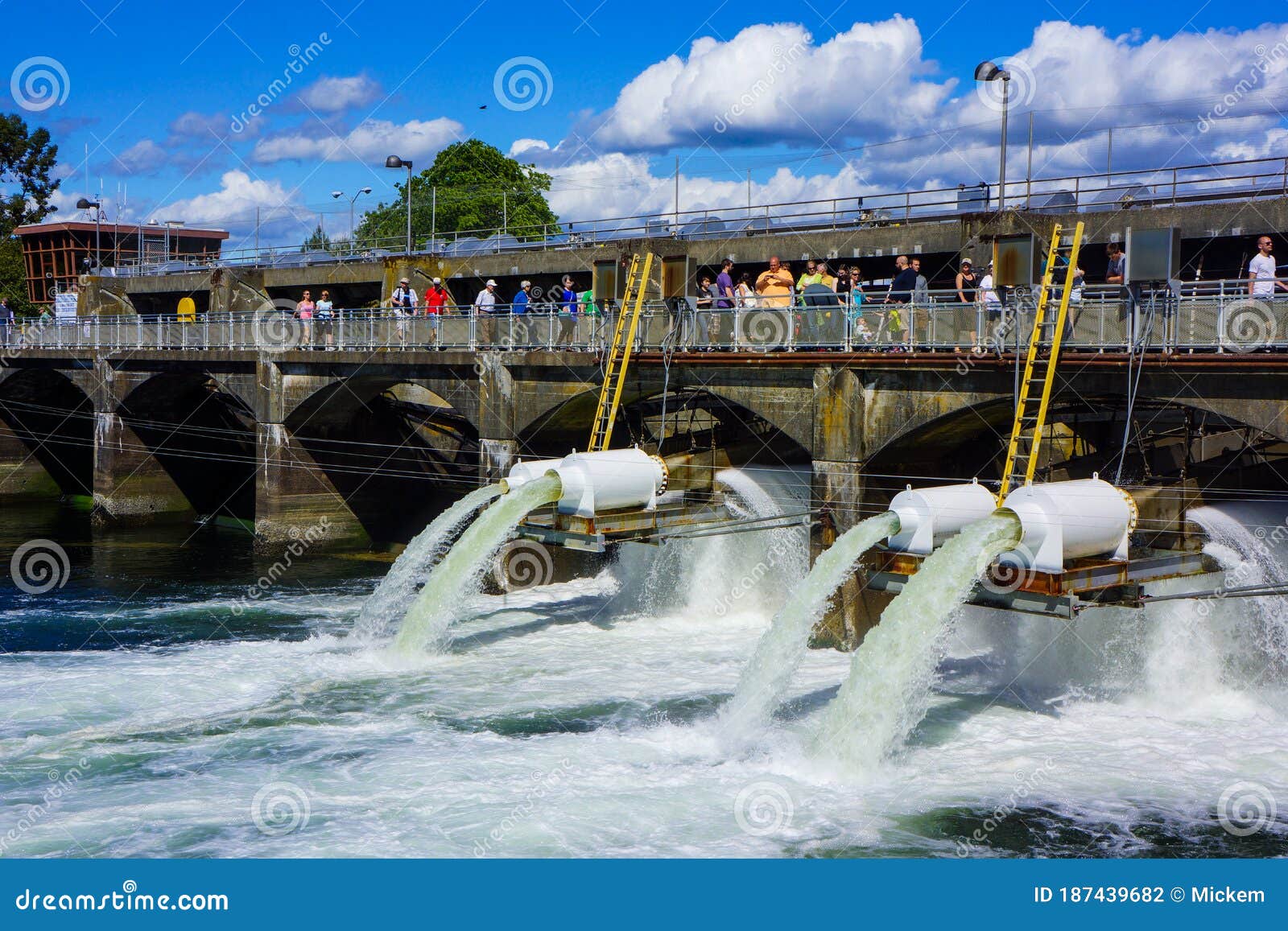
In 1917 a huge structure was built in the Ballard area — locks. These locks were like giant water elevators for ships. They connected the salty ocean water with the fresh water of Lake Washington and Lake Union. Engineers were proud: now ships could sail from the ocean right into the city center!
But nobody asked the fish what they thought.
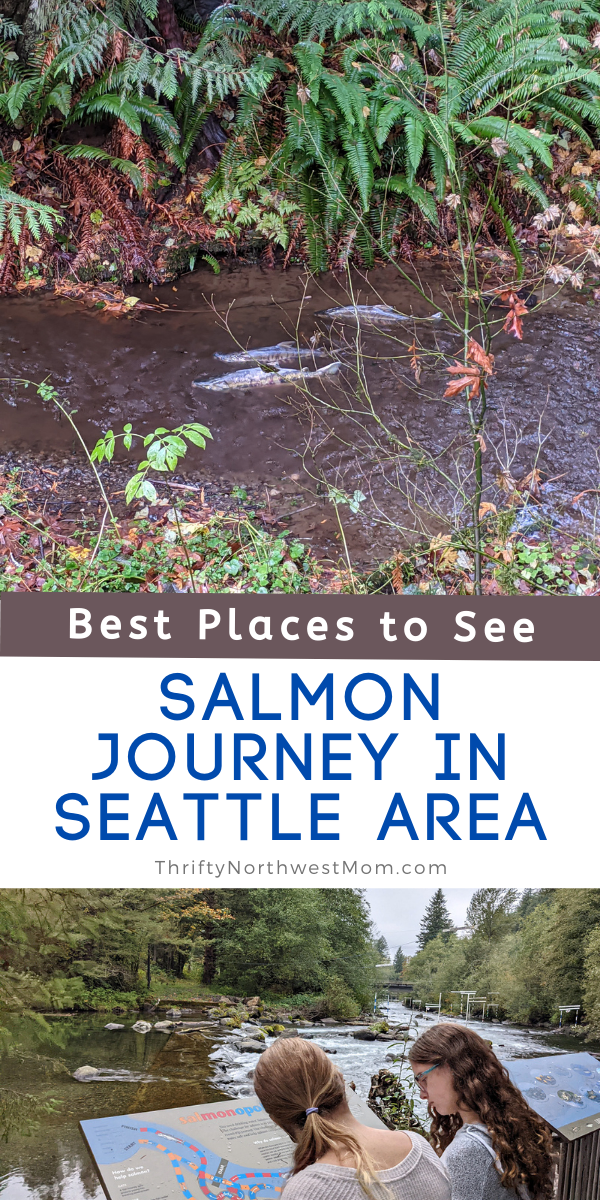
Salmon are remarkable fish. They are born in freshwater rivers, then swim to the salty ocean where they live for several years, and then return to the very same river where they were born to spawn. Scientists still don’t fully understand how salmon find their way home — maybe they remember the smell of the water or sense Earth’s magnetic field.
When the locks were built, salmon would arrive from the ocean and… stop in confusion. Instead of the familiar river, there was a strange concrete wall with roaring water. Many fish simply turned and swam away, never finding their way to their natal places. Others tried to jump over the obstacle and were injured or killed. In the years after the locks were built, salmon numbers in the lakes began to drop sharply.
The people who sat in the dark and counted
Engineers built a special “fish ladder” — a series of small pools the salmon could ascend, jumping from one to the next. But did it work? Official scientists visited rarely. They had other important business.
Volunteers began to appear. They were fishermen’s wives who feared their husbands would lose work if the fish disappeared. They were local children curious to watch the fish. They were elderly people who had time. They were members of local Indigenous tribes — Duwamish, Snoqualmie and others — for whom salmon were not just food but a sacred part of life for thousands of years.
Under the fish ladder engineers built a special room with glass windows where people could observe the fish underwater. Volunteers would come and count the passing salmon for hours. They recorded: how many fish passed, when, what size they were, how they behaved.
One woman, Mrs. Eleanor McKay, spent more than 500 hours in that room in one summer in the 1920s. She noticed a strange thing: many salmon swam up to the entrance of the fish ladder, then turned and swam away. Why?
A discovery made by non-scientists
The volunteer observers began noticing details the engineers had missed. They saw that:
- Salmon were frightened by too-strong currents at the ladder entrance
- Fish got confused when the water was too murky
- At certain times of day the light cast shadows that made fish think a predator was there
- Some steps in the ladder were too high for smaller fish
But when the observers brought their notes to the engineers, they were often not listened to. “We built according to scientific calculations,” the engineers said. “You are not engineers; you don’t understand.”
It was especially hard for women and children. At that time many adult men believed women couldn’t understand technical matters. Children weren’t taken seriously at all.
But the observers didn’t give up. They kept recording data. They compared their records with fishermen’s catches. They spoke with tribal elders who remembered how the fish behaved before the locks were built.
Gradually such a large body of observations accumulated that it could no longer be ignored. The numbers spoke for themselves: on days when the current was weaker, three times as many fish passed through the ladder. When the water was specially cleared of silt, even more fish passed.
How the voices were heard
In the 1930s the situation began to change. Several young biologists fresh out of university came to study the problem. They were more open to listening to local people. One of them, a biologist named Leonard Cullenberg, spent a whole month in the underground observation room with the volunteers.
“These people know the fish better than I do,” he wrote in his report. “They observe them every day, not once a month like visiting scientists.”
Based on data collected by volunteers over more than ten years, engineers finally altered the fish ladder’s design. They:
- Reduced the strength of the current at the entrance
- Added special partitions that created quiet zones where fish could rest
- Changed the lighting so there were no frightening shadows
- Built additional entrances for different species
The results were striking. By the late 1930s the number of salmon passing through the locks had increased fivefold compared to the first years.
The legacy of the underwater detectives
Today thousands of visitors a year come to the observation rooms under the Ballard locks. They watch salmon swim past through those same glass windows. Many think the windows were built for tourists because they look nice.
But in fact those windows are a monument to people who were not listened to but did not give up. A monument to children who counted fish instead of playing. A monument to women who proved observation is as important as calculation. A monument to Indigenous people who for thousands of years knew how salmon behaved but whose knowledge was long ignored.
The story of the Ballard Locks taught scientists and engineers an important lesson: sometimes the people who live every day alongside nature see what experts with degrees do not. Today this is called “citizen science” — when ordinary people help scientists collect data and make discoveries.
In many places around the world there are now programs where children and adults help count birds, observe the stars, and measure water quality. And much of that began thanks in part to the stubborn people in the dark room beneath the locks who counted fish and believed their voices mattered.
When someone next tells you you’re too small or not experienced enough for your opinion to matter, remember Ballard’s underwater detectives. They proved that attentive eyes and patience can change the world — even if it takes hundreds of hours in the dark counting fish.