Imagine you have a friend who lives in another country. She’s great at ice skating, and you’re good at drawing. One day she falls and breaks her leg, and you help her learn to draw while she can’t skate. When she recovers, she teaches you her best tricks on the ice. That’s roughly what two big cities did — Seattle in the U.S. and Kobe in Japan. Only instead of skating and drawing, they exchanged knowledge about how to build houses and ship ports.
This story began on the most terrible morning in Kobe’s history. On January 17, 1995, while people were still asleep, the ground under the city suddenly shook so violently that buildings toppled like houses of cards. It was a massive earthquake — one of the worst in Japan’s history. More than 6,000 people died, hundreds of thousands were left homeless, and the city’s main port, through which ships from around the world passed, was reduced to a heap of broken cranes and ruined berths. Kobe had been one of the world’s most important ports, and suddenly it stopped working.
How Seattle learned about earthquakes (and learned to live with them)
Seattle is very far from Kobe — you need to fly more than nine hours across the Pacific Ocean. But the two cities shared one problem: both stood in places where the ground likes to shake. Huge rock plates lie beneath Seattle too; sometimes they shift and cause earthquakes. Seattle experienced a strong earthquake in 1949 and another in 2001.
After those quakes, Seattle’s engineers — people who figure out how to build buildings and bridges — spent a lot of time thinking about how to make the city safer. They invented special construction methods: they added flexible parts to buildings so they could sway during an earthquake like trees in the wind without breaking. They designed foundations (the underground part of a building) that work like shock absorbers on a bicycle — they cushion the blows.
Seattle and Kobe had been sister cities since 1957. That meant they promised to be friends, help each other, and share ideas. When disaster struck Kobe, engineers from Seattle gathered their drawings, photos, and records and flew to Japan. They didn’t bring money or food (though those were important too), but something even more valuable — knowledge about how to build buildings that don’t fear earthquakes.
Japanese robots come to Seattle
But the story didn’t end there. The Japanese are very polite people and don’t like to be in debt. When Kobe was rebuilt (a process that took several years of hard work), engineers from Japan said, “Thank you for your help! Now we want to share our secrets with you.”
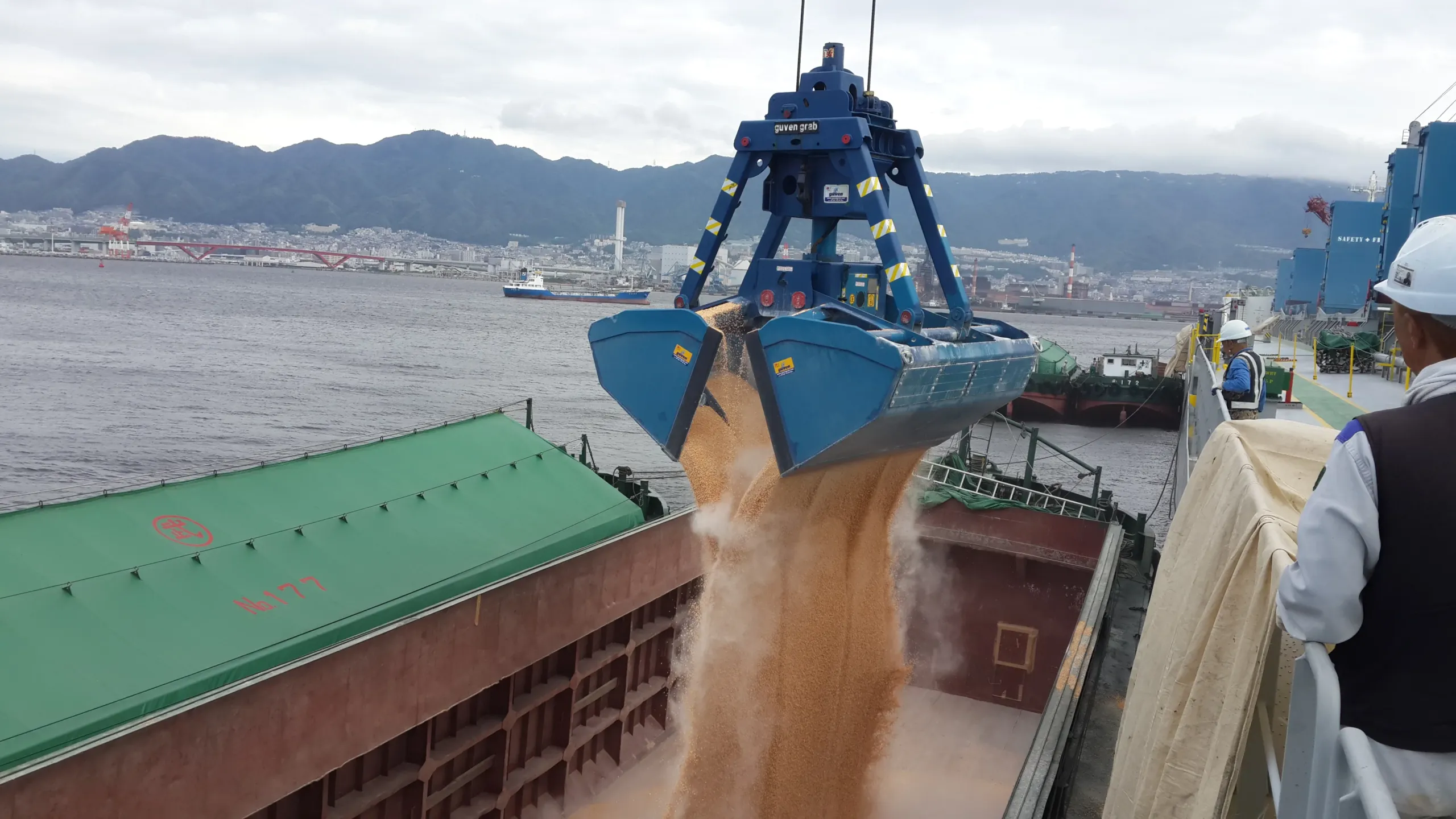
Kobe had its own special talent — they knew how to build the world’s most modern ports. Imagine a huge harbor where every day ships the size of multi-story buildings arrive, full of containers (those large metal boxes used to transport everything from toys to computers). In a typical port people operate cranes that lift these containers. But Kobe invented something amazing: robot cranes that work almost on their own!
These robots could: - Find the needed container among thousands of others - Lift it very carefully (imagine pulling one book from a huge stack without dropping the rest) - Place it precisely where it’s needed on the ship - Work day and night without getting tired
Japanese engineers came to Seattle and demonstrated how these smart machines work. They explained how to write programs for the robots and how to make cranes “see” containers using special cameras and sensors.
What changed after the exchange of secrets
This knowledge exchange changed both cities. In Kobe, when the city was rebuilt after the earthquake, ideas from Seattle were used. The new buildings became much stronger. When an even more devastating earthquake struck Japan in 2011 (you may have heard about the tsunami that followed), buildings in Kobe fared much better than in other places. Engineers say the knowledge Seattle shared helped save many lives.
In Seattle, the port began to operate in a completely different way. Previously, unloading a large ship took several days and many workers. With the new technologies from Kobe, it now takes half the time. Seattle’s port could handle more ships, which meant more jobs and money for the city. Toys, clothing, electronics — all started arriving faster and cheaper.
| What changed | Before the knowledge exchange | After the knowledge exchange |
|---|---|---|
| In Kobe (buildings) | Many houses were destroyed in earthquakes | New buildings withstand strong tremors |
| In Seattle (port) | Unloading a ship — 3–4 days | Unloading a ship — 1.5–2 days |
| Friendship between cities | Mainly cultural exchanges (music, art) | Exchanging technologies and saving lives |
But the most interesting thing isn’t the machines or the buildings. The most interesting thing is the people. Engineers from Seattle and Kobe became true friends. They began teaching students together, writing books on how to build safe cities, and inviting each other to conferences. Some engineers’ families even started visiting each other on vacation!
Why this matters to all of us
This story teaches us something very important: when cities (or people) share their knowledge, everyone becomes stronger. Seattle could have said, “These are our secrets, we won’t share them.” Kobe could have said, “We’re ashamed to ask for help.” But they chose differently.
Today many cities around the world learn from Seattle and Kobe. When an earthquake hit Chile in 2010, engineers from both cities flew there to help. When new ports are built in Africa, they use technologies born from this friendship.
This story also shows that engineering is not just math and drawings. It’s a way to help people live better and safer lives. Engineers from Seattle and Kobe didn’t just design buildings and program robots. They thought about how to make it so children could sleep peacefully at night without fearing earthquakes, and so parents could work at the port and earn money for their families.
When you grow up, you might become an engineer too. Or a teacher. Or a doctor. Or something else. In any case, remember the story of two cities that shared their secrets and became stronger together. The best inventions and the most important discoveries happen when people help each other, not when they compete.