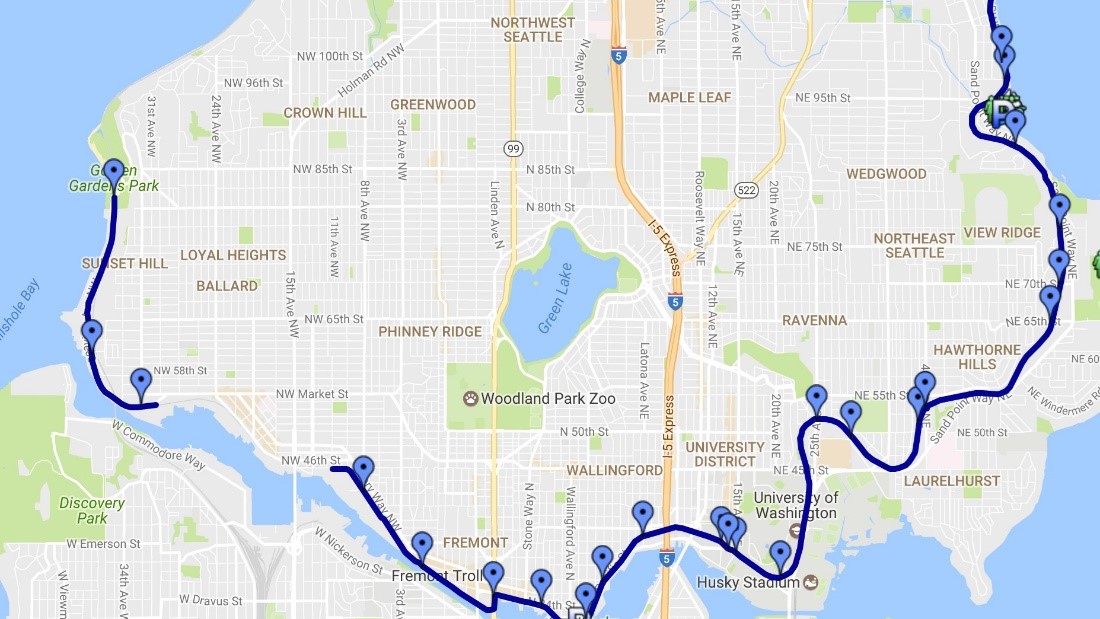
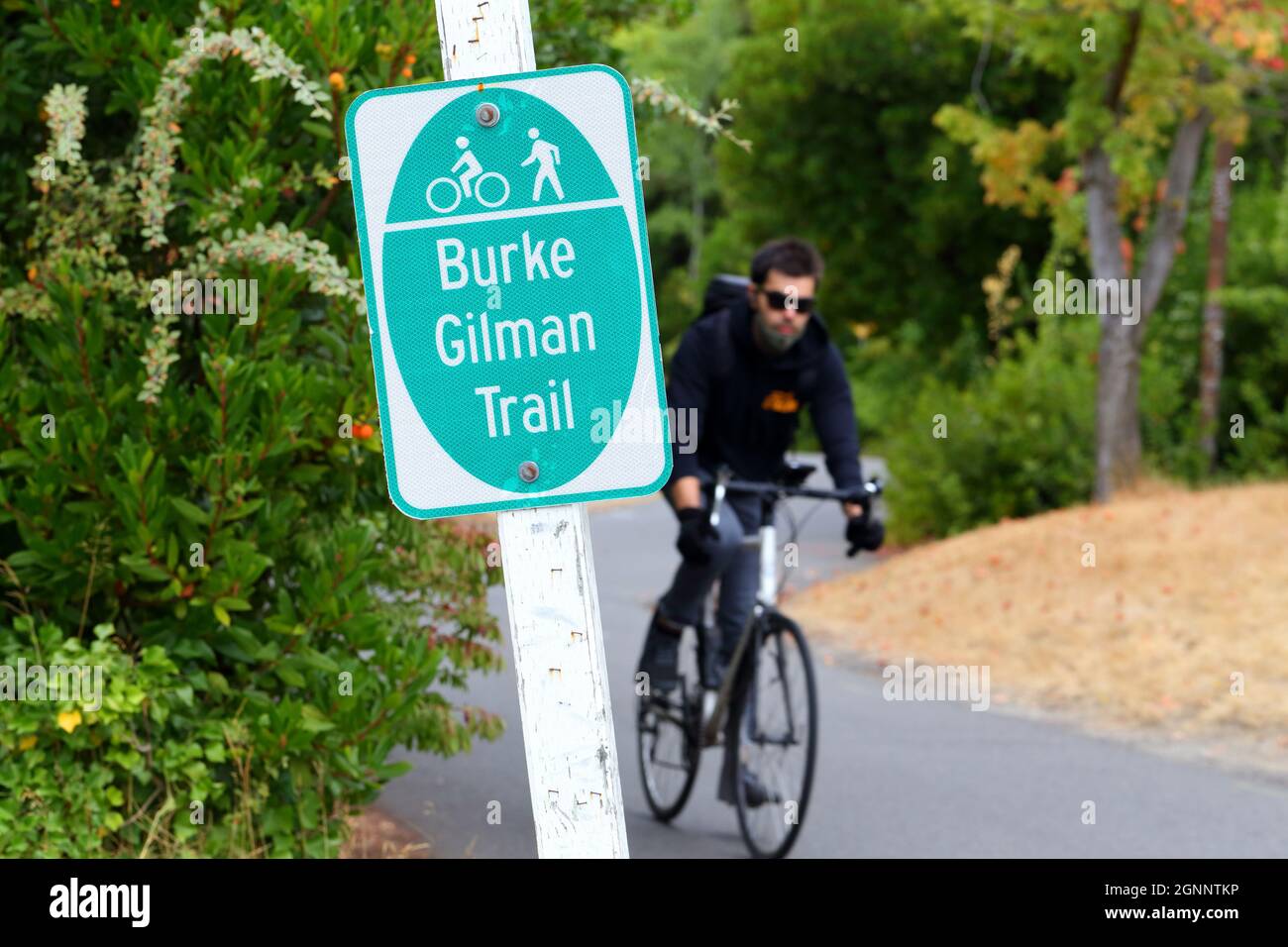
Imagine a long, long trail that runs through the whole city—past lakes, forests, coffee shops, and old houses. By bike, scooter, or on foot, you can reach nearly anywhere along it. In Seattle, such a trail exists—it’s called the Burke-Gilman Trail. But for many years, it had one oddity: right in the middle, there was a gaping gap. As if someone was putting together a giant jigsaw puzzle and lost one piece. And it was that missing piece that residents fought for—over the course of more than twenty years.
How Old Tracks Became a Favorite Place to Walk
In the late 19th century, a railroad ran through Seattle. Timber, coal, and all kinds of freight were hauled along it. Trains rattled, smoked, and did what trains do. But over the years, goods began to be transported differently, and the railroad was left empty. The tracks grew over, and the ties darkened under the rain.
Then someone had an unusual idea: what if the old tracks were turned into a walkway for people? In 1978, that’s exactly what happened. The rails were removed, the ground was leveled—and the Burke-Gilman Trail was created. It is named after two men who once built this railway: judges Thomas Burke and his friend Daniel Gilman.
Today, the trail stretches for almost 45 kilometers. Thousands of people ride it every day—some to get to work, some to school, and some just to breathe fresh air. Trees line the route, birds sing, and in the streams it crosses, you can sometimes spot salmon. It’s a true green corridor right in the heart of a big city.
A Hole in the Puzzle
But this beautiful story had one sticking point. In the Ballard area—an old fishing neighborhood of Seattle, once home to Norwegian sailors and fishermen—the trail suddenly stopped. Then it started again, but in the middle there was a gap roughly 1.5 kilometers long. 1.5 kilometers! It’s like tearing out a few pages from your favorite book right in the most exciting part.
Cyclists called the missing section the “Missing Link”—Missing Link. To get around it, riders had to detour onto busy streets where trucks and buses were speeding by. Children couldn’t reach school safely. Older people were afraid to ride through that segment. And those who biked to work every day lost both time and nerves.
So why did this piece remain empty for so long? Because industrial businesses were located right there: fish canneries, warehouses, and companies involved in open-sea fishing. Their big trucks constantly drove in and out of the sites. Owners of these businesses worried that if a trail was built, the trucks would cross it—and that would be dangerous. In addition, some of them didn’t want to lose parking spaces. And that’s how a long, long battle began.
Fish, Trucks, and Justice
This story is interesting