Imagine your city burned to the ground, and the adults are arguing about how to rebuild it. Now imagine a group of women and children built a toy city out of wood and cardboard — and real architects used their ideas! That’s what happened in Seattle in 1889, when people who couldn’t even vote changed the plan for an entire city.
When the city turned to ash in a single day
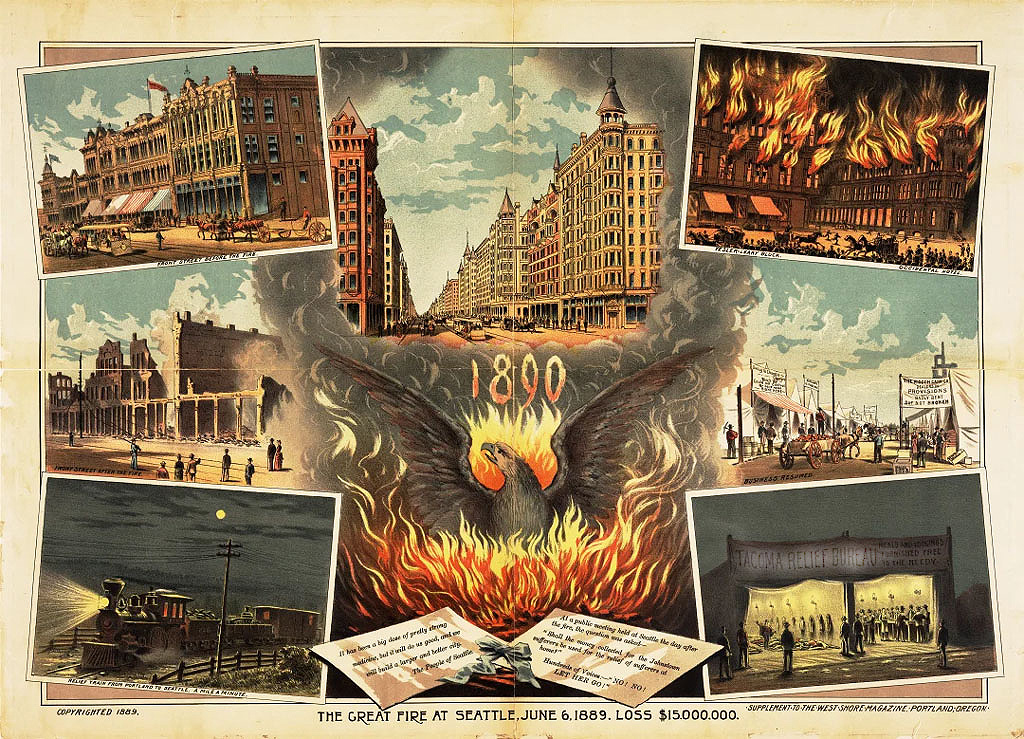
On June 6, 1889, a pot of boiling glue tipped over in a woodworking shop on Front Street. The fire jumped to the wooden walls and then to neighboring buildings. By evening, 25 city blocks — the entire downtown Seattle — had become black ruins. Shops, hotels, banks, even the fire station were destroyed.
But the most remarkable thing began afterward. The city needed to be rebuilt, and the adults divided into two camps. Some said, “Let’s rebuild quickly! Use wood like before — it’s cheaper and faster.” Others objected, “No — build with stone and brick, make the streets wider so a fire can never spread like this again.” The arguments dragged on while the city stood in ruins.
Women who couldn’t vote, but could demand change
At that time, women in America did not have the right to vote. Their opinions were not taken into account at official meetings. But a group of Seattle women decided this was unfair — their homes had burned too, and their children could have died in the next fire.
They formed a “Residents’ Safety Committee” and began acting like real investigators. They walked through the ashes, measured where streets had been too narrow, and noted where the fire had jumped from roof to roof. They recorded where there were insufficient water sources for firefighting. They interviewed firefighters and questioned builders.
City officials at first didn’t want to listen. One official even said, “City planning isn’t a woman’s business.” But the women didn’t give up. They came up with a brilliant idea.
A cardboard city that convinced the adults
Several families gathered — women, their children, a few carpenters and artists — and built a model of the city. Not on paper, but a real three-dimensional model! They used wooden planks for houses, painted cardboard for streets, and small mirrors for bodies of water. The model filled an entire room in a church hall.
But it wasn’t just a toy. It was a plan for a new Seattle. The model showed: - Streets twice as wide as before (so fire couldn’t leap across) - Stone buildings instead of wooden ones - Special “firebreaks” — empty spaces between blocks - New wells and water towers on every corner - Underground sidewalks (yes, underground!) for safe movement during a fire
The creators of the model invited all residents to come see it. Hundreds of people came, looked, and discussed. Children showed adults how, in their version of the city, fire couldn’t spread. The women explained why each change mattered.
When the toy became reality
The model made such an impression that the city council couldn’t ignore it. Too many people had seen what a safer city could look like. Too many voters (the men who could vote) supported the ideas from the model.
In the end, many proposals from the “toy city” were used in Seattle’s rebuilding:
| Idea from the model | What was built in reality |
|---|---|
| Wide streets (20 meters instead of 10) | Main streets were widened to 18–20 meters |
| Stone buildings | A law was passed: downtown to be brick and stone only |
| Underground sidewalks | An entire underground city was built (it still exists!) |
| Water towers | 12 new water towers installed for firefighters |
| Firebreaks | Several large open squares created between blocks |
Of course, not every idea was implemented exactly as shown. Building in stone was more expensive, and some property owners complained. But the main safety principles were adopted.
Why this still matters today
The story of Seattle’s “toy city” teaches several important lessons. First, you don’t need to be an adult or hold official power to change the world around you. The women and children who built the model couldn’t vote, but they could think, plan, and persuade others.
Second, sometimes the best way to explain a complex idea is to show it. You can talk for hours about the “need to widen streets,” but when people see a model where a fire engine can turn around instead of getting stuck, they immediately understand.
Third, real change often starts not in officials’ offices, but in kitchens and church halls where ordinary people gather and decide, “We can make this better.”
Today in Seattle there’s a museum that keeps a photograph of that 1889 model. It’s a little blurred, black and white, but you can see figures of people standing around the cardboard city. Among them are women in long dresses and children. They look at their work, and it seems they know: their toy city will soon become real.
You can still go down into that underground city in Seattle — the sidewalks and shops that were once at street level and are now below ground. This happened because, after the fire, the streets were raised a full story to avoid flooding. That idea was also in the model.
So next time someone tells you you’re “too small” or “it’s not your business,” remember the children and women of Seattle. They built a cardboard city — and changed a real city of stone.