Imagine a massive black-and-white orca swimming in the cold waters of Puget Sound near Seattle. It’s hungry. It’s looking for salmon—its favorite food. But salmon are becoming rarer. And for a long time, no one could figure out why.
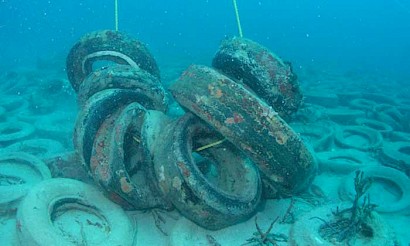
The culprit turned out to be… car tires. Yes—those same ordinary tires that rubber up vehicles on city streets.
A chain no one noticed
Puget Sound’s orcas are special. Scientists call them “southern residents,” and there are very few left—around seventy individuals. They don’t eat seals like other orcas. They eat only salmon, especially chinook salmon. Without salmon, they simply can’t survive.
But salmon in these waters are also in trouble. Especially chinook, or more broadly salmon returning to rivers to spawn: every autumn, the fish move from the ocean back into rivers to lay eggs—and then die in large numbers before they even reach their spawning grounds. Fishermen and scientists have been seeing this for years, but for a long time they couldn’t understand the cause.
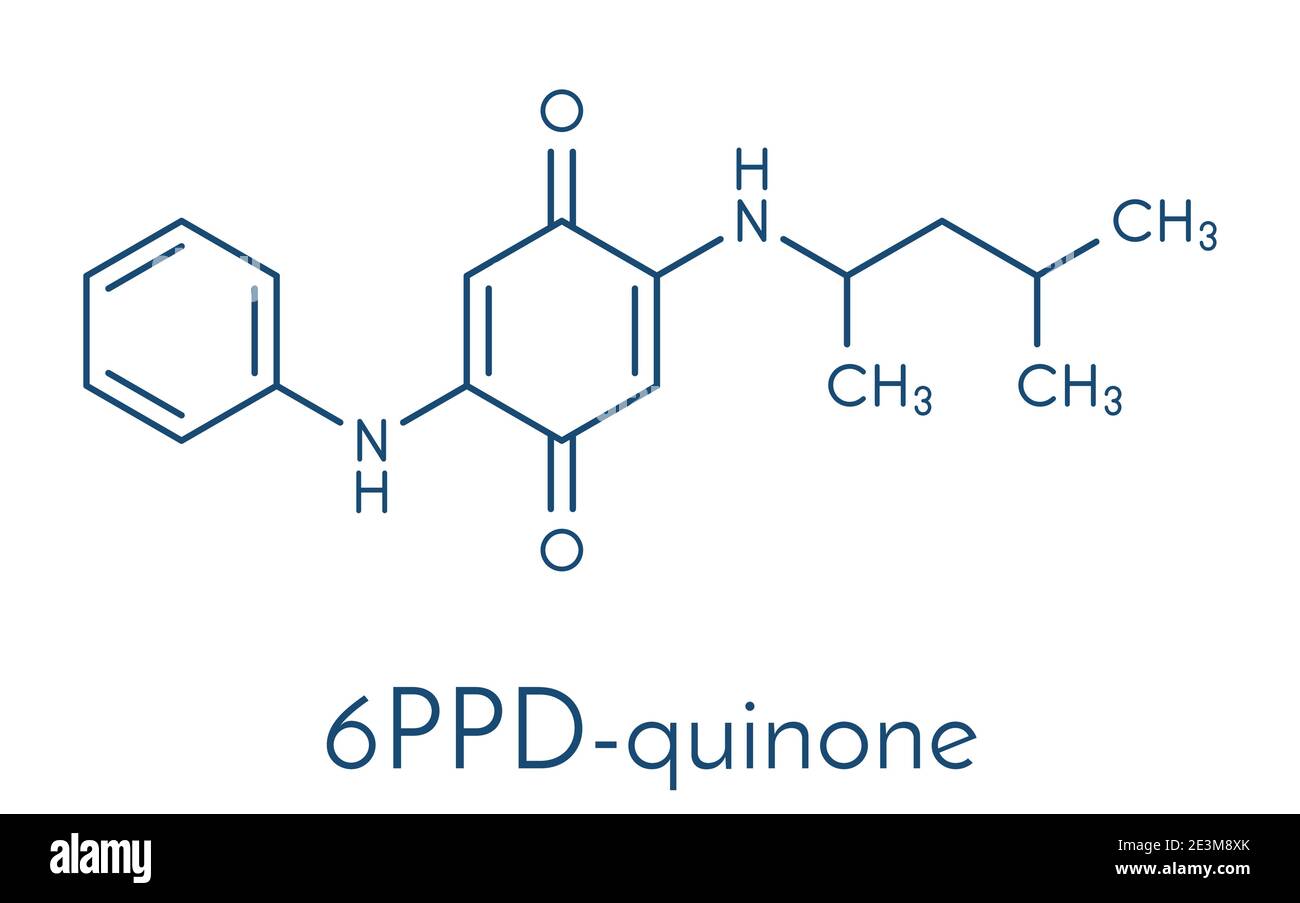
The solution didn’t emerge until 2020, and it surprised everyone. Researchers at the University of Washington found that rivers contain a particular chemical compound—called 6PPD-quinone. The substance forms from an additive that manufacturers put into tire rubber so the tires last longer.
When cars drive, the tires slowly wear down. Tiny bits of rubber end up on the asphalt. And when it rains—something Seattle gets very often—rainwater washes it all off the roads and straight into streams and rivers.
For chinook salmon, this poison is deadly even in extremely small doses. The fish swim into an intoxicated stream and die within hours. The orcas then go hungry. That’s the whole chain: road → rain → poison → no salmon → hungry orcas.
The city as a living body
There’s a good way to understand how it works. Picture the city as a big living creature. Its streets are veins and arteries. Not only cars run along them, but water too. When it rains, water flows over the streets, picking up everything lying on them—dust, oil, rubber grit, leftover gasoline—and carrying it onward.
In the past, people thought: well, the water will go into pipes and then into the sea. But the ocean isn’t a trash can. Anything that enters the water affects the animals that live in it.
Engineers and architects who design cities used to focus mainly on people: getting roads smooth, keeping puddles away, helping cars move quickly. Far less attention was paid to what happens to the water after it drains off the road.
The discovery about tires and chinook forced many specialists to literally pause and rethink their work.
“We were shocked,” said one of the researchers, Zinta Zidanevsky. “Nobody expected that such a common substance would turn out to be so toxic to one particular fish species.”
Green sponges against city poison
But here’s what’s surprising—and encouraging: this problem has a solution. And it’s beautiful—in the literal sense of the word.
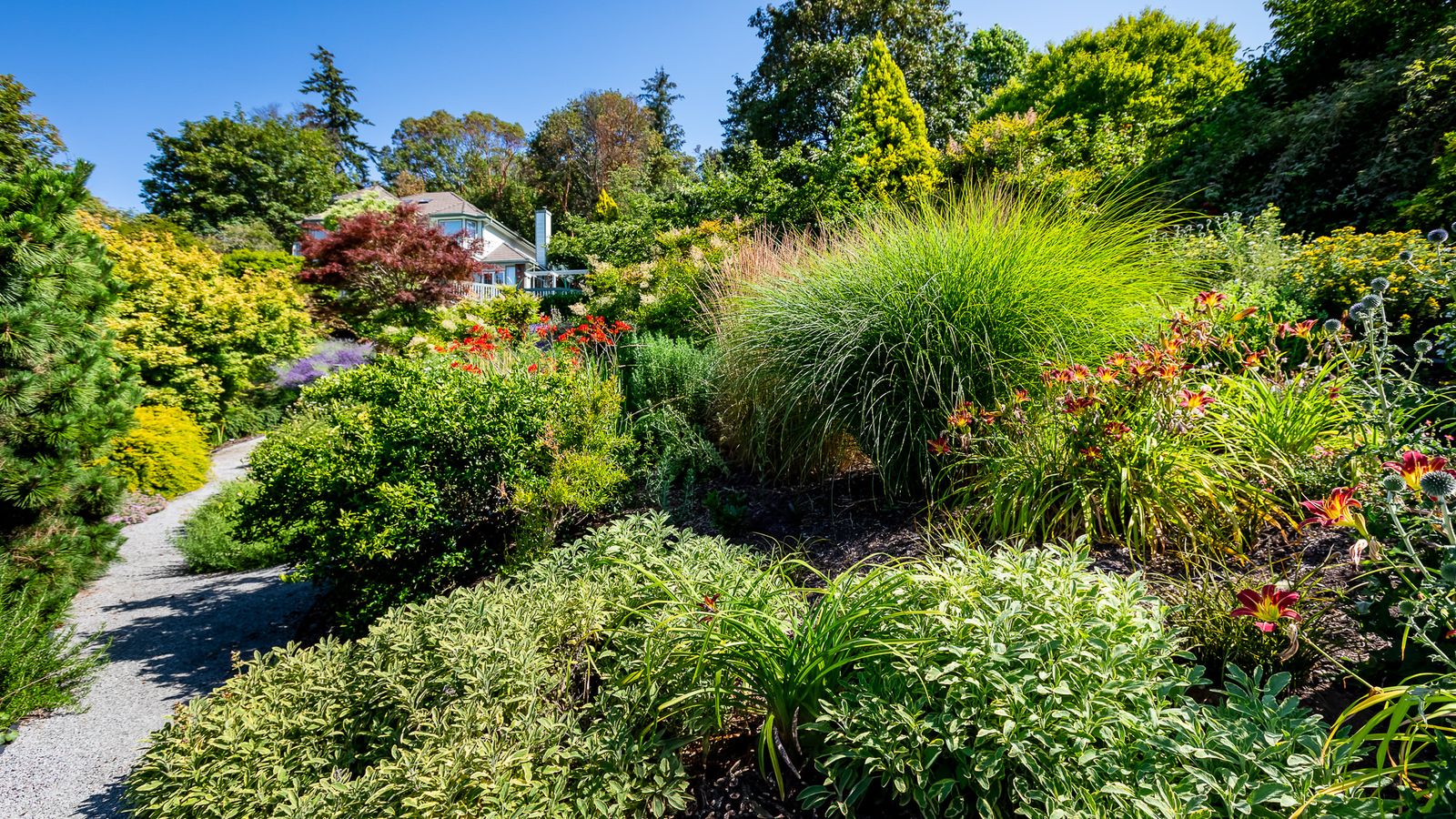
Engineers and designers have come up with special “bioretention garden” systems—small green spaces built right into the city street. They look like ordinary flowerbeds or lawns between the sidewalk and the roadway.
But inside they contain a special setup: layers of engineered soil, sand, and plants that act like a filter. Water doesn’t rush straight into a pipe—it first seeps through this green “sandwich.” Soil and plant roots trap harmful substances, including the tire-derived poison itself. The stream receives cleaner water.
Such gardens have already appeared in several neighborhoods around Seattle. Scientists have tested them: they really do work. Chinook that were released into the water after filtration survived. It was a small victory with huge significance.
Of course, green gardens aren’t enough yet to save all the orcas. The problem is enormous: thousands of kilometers of roads, millions of cars. But each one of these little gardens is a step in the right direction.
And now, when Seattle builds new streets or repairs old ones, engineers increasingly include bioretention systems in the design from the very beginning.
When a city learns to think about the ocean
This story is about an astonishing connection between things that seem far apart. Who would have thought that a car tire rolling down a city street could affect the life of an orca in the ocean?
But the world works that way: everything is linked. Rain connects the city and the sea. And how we build our streets determines whether orcas will swim in the bay.
The most important part of this story isn’t that people accidentally harmed nature. People often don’t know what consequences their actions have.
What matters is that once scientists uncovered the problem, engineers and designers didn’t brush it off—they started looking for a solution. Small green gardens on city streets aren’t just decoration. They’re care. They’re a way to tell the Puget Sound orcas: “We see you. We’ll try to fix our mistake.”
And maybe it’s stories like this—where science, engineering, and a desire to help nature come together—that are the most important stories about cities.