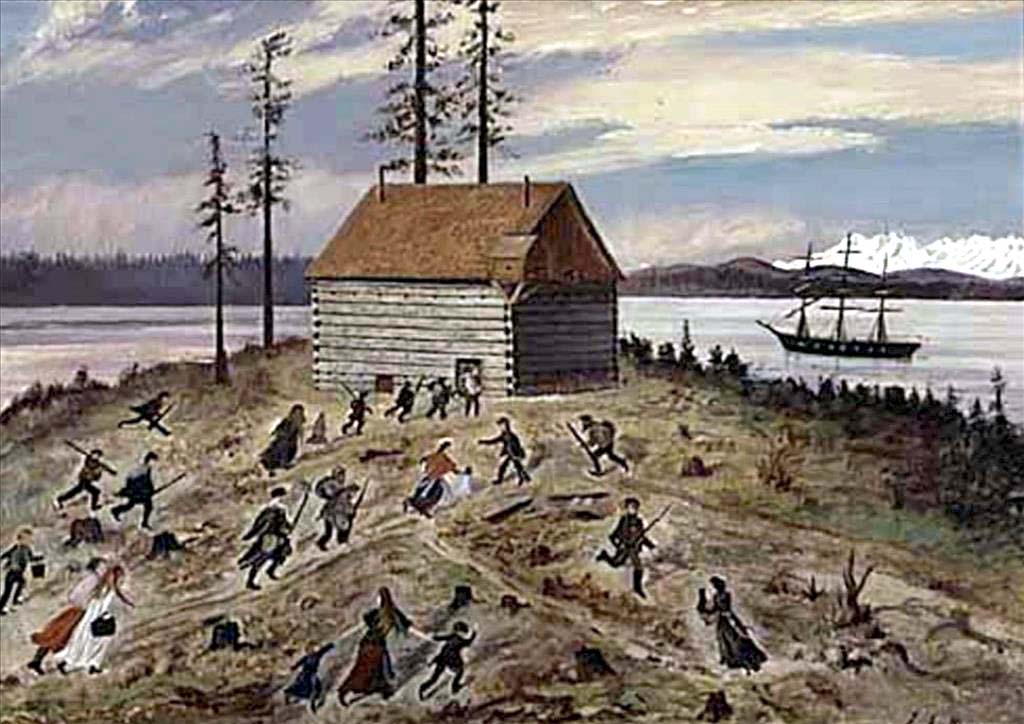
In the very center of Seattle, between tall glass buildings and coffee shops, stands a small wooden house with thick walls and narrow windows. It is more than 160 years old, and it remembers the day the whole town fit inside it. This is a blockhouse — a fort built during the Battle of Seattle in 1856. But the most interesting thing about this story isn’t the battle itself, but what it taught the city, how the city forgot that lesson, and why other cities should remember it.
The girl who lived between two worlds
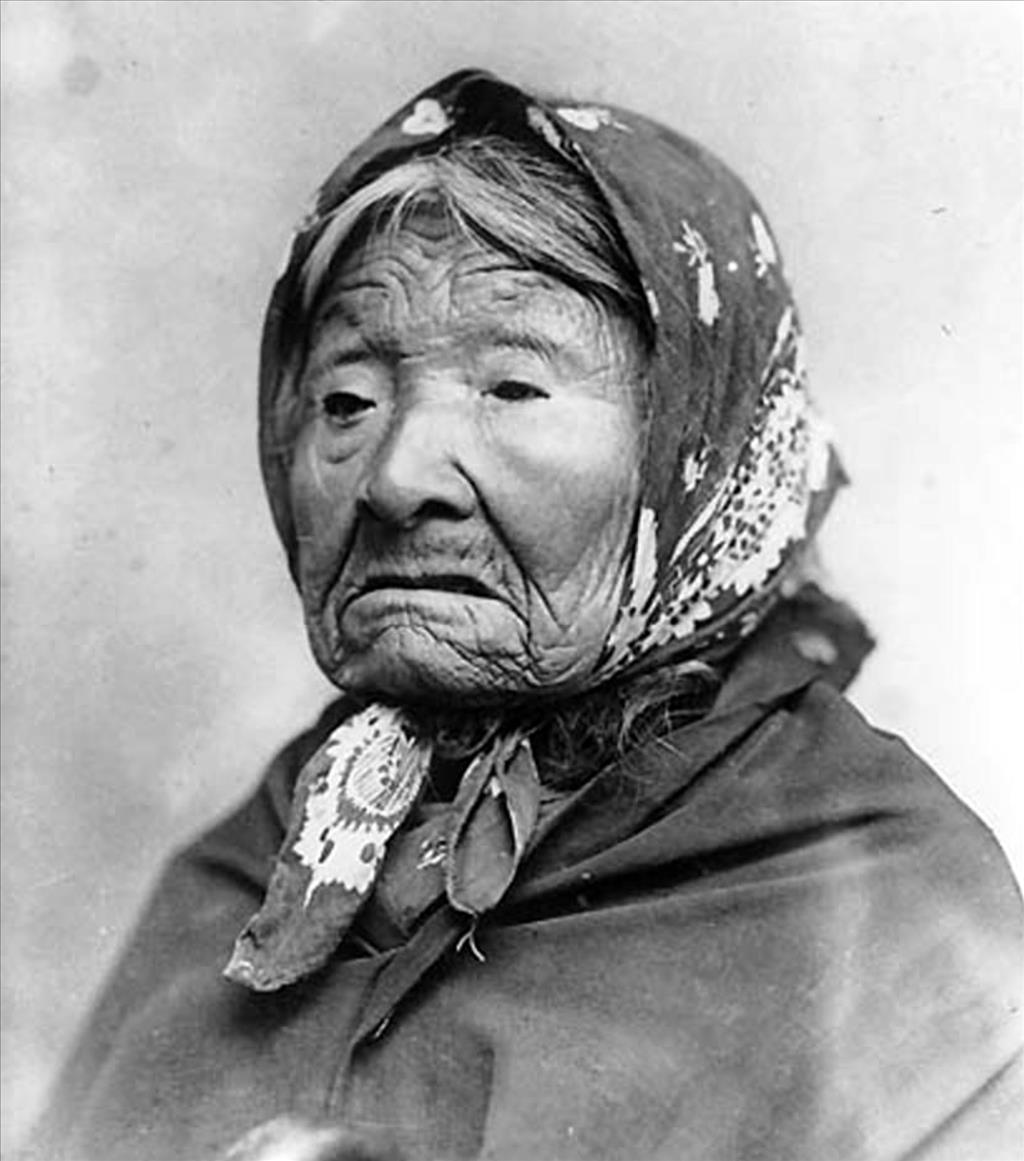
When the battle began, a girl named Angeline lived in Seattle. Her father was the chief of the Duwamish tribe — Seattle (yes, the city is named after him!). Angeline’s mother was from the Suquamish tribe. Imagine: your dad is the leader of one people, and around him a city of a very different people is being built and named after him. Strange, isn’t it?
The battle happened because of fear. New settlers were afraid of the native people. Some tribes were angry that their lands were being taken. People stopped talking to each other and began building walls. Literally: they built a wooden fort with thick logs where they could hide. The battle lasted just one day, but the tension remained for years.
And Angeline? She continued living in Seattle her whole long life — until 1896. She did laundry for settlers, sold baskets she wove herself, and walked the streets in her people’s traditional clothing. Some townspeople laughed at her. Others respected her. But she showed everyone an important thing: you can live side by side even when you are very different. You can build bridges instead of walls.
The lesson the city forgot three times
Seattle learned a lesson from that battle: fear and walls don’t solve problems. The city began to grow, and people of many nationalities came here to work — Chinese built the railroads, Japanese fished, Filipinos worked in canneries. It seemed Seattle understood how to be a city for everyone.
But then the city forgot its lesson. Three times.
First — in 1886, when townspeople drove Chinese workers out of the city. People feared that the Chinese were "taking jobs." They built a wall of fear — not made of wood, but in their minds.
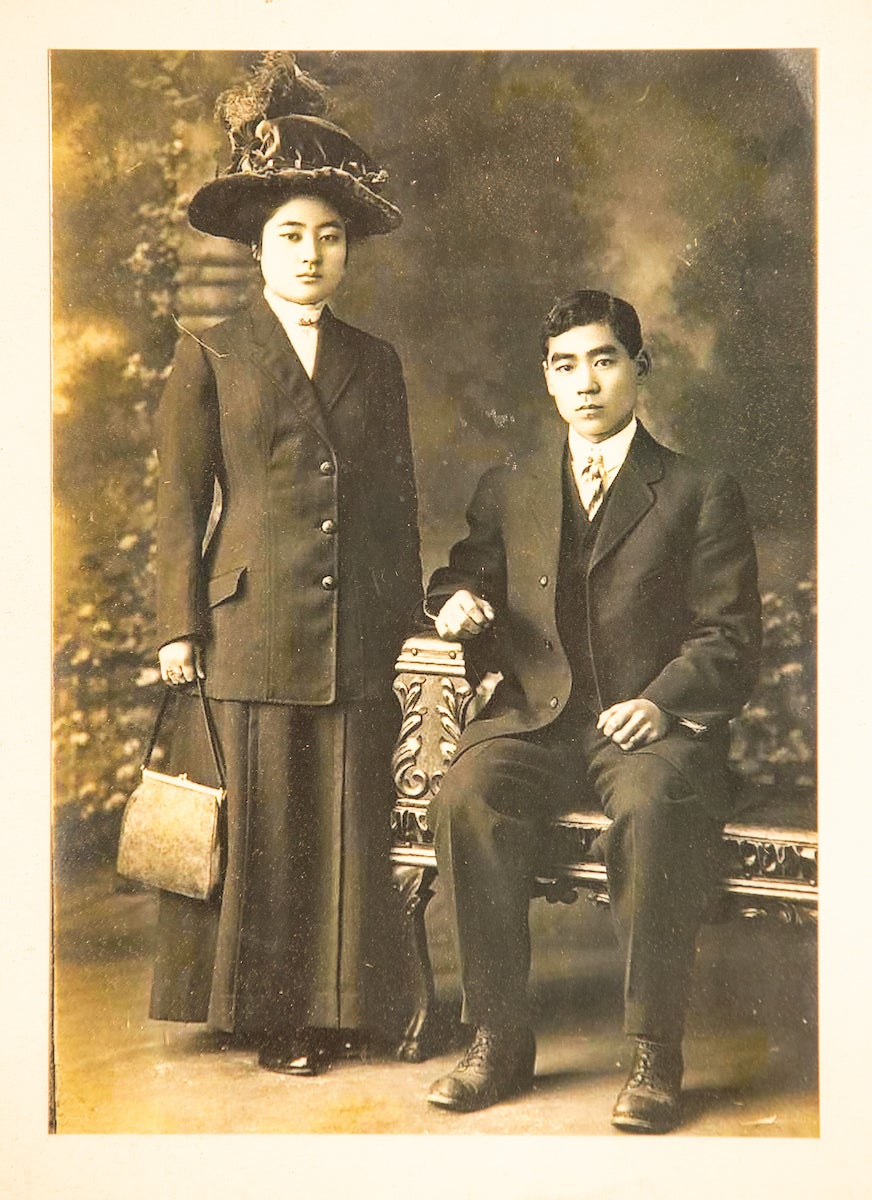
Second — in 1942, during World War II. The government forced all Japanese living in Seattle (even those born in America!) to go to special camps. Their shops, homes, boats — everything was taken. Again a wall of fear.
Third — much more recently, in 1999. That year Seattle hosted a large meeting of world leaders (known as the WTO). People protested because they feared that big corporations would harm small workers in poor countries. Police used tear gas. The city built walls again — this time of police shields and mutual distrust.
What the blockhouse whispers to modern Seattle
Today that old wooden blockhouse stands in a park, and children play around it. Inside is a small museum. But if that fort could speak, it would tell a strange story: people built it out of fear in 1856, and then every generation built new invisible forts out of new fears.
After each mistake Seattle had to learn again. After the expulsion of the Chinese, the city developed Chinatown, now called the International District — a neighborhood where people from all over Asia live. After the Japanese internment, the city officially apologized, and now Seattle has a beautiful Japanese garden and a museum telling that sad story. After the 1999 protests the city learned to listen better to people who disagree.
Princess Angeline is buried in Lake View Cemetery, on a hill overlooking the city. Beside her grave are the graves of the first settlers her people once fought. It’s as if the city finally understood: we can all lie side by side in the same ground, so why not live side by side in peace?
A lesson for other cities (and for you)
Seattle’s story teaches an important thing: walls are easy to build, but they don’t truly protect. Real protection comes when people know each other, talk, and understand.
Imagine a school playground. When a new girl arrives who speaks another language or dresses differently, the class has a choice: build a wall (don’t talk to her, laugh, ignore) or build a bridge (get to know her, learn her story, invite her to play). Seattle shows: a wall seems safer, but it makes everyone unhappy. A bridge is scary at first, but in the end everyone wins.
Other cities can learn from Seattle’s mistakes so they don’t repeat them. When new people arrive — don’t be afraid, get to know them. When someone looks different — don’t build a wall, build a bridge. When you are afraid — remember Angeline, who walked between two worlds her whole life and showed that it’s possible.
The old blockhouse still stands in Seattle — not as a monument to fear, but as a reminder. There are no inscriptions on its wooden walls, but if there were, they would read: "We built this wall in 1856. Don’t build new ones. Please learn from our mistakes."
And do you know what’s most remarkable? Today Seattle is one of the most diverse cities in America. People from 200 countries live here. In schools children speak 100 different languages at home. And the city finally learned the lesson it tried to learn for 160 years: the more different people learn to live together, the stronger the city becomes. It’s not walls that make us strong. Bridges do.