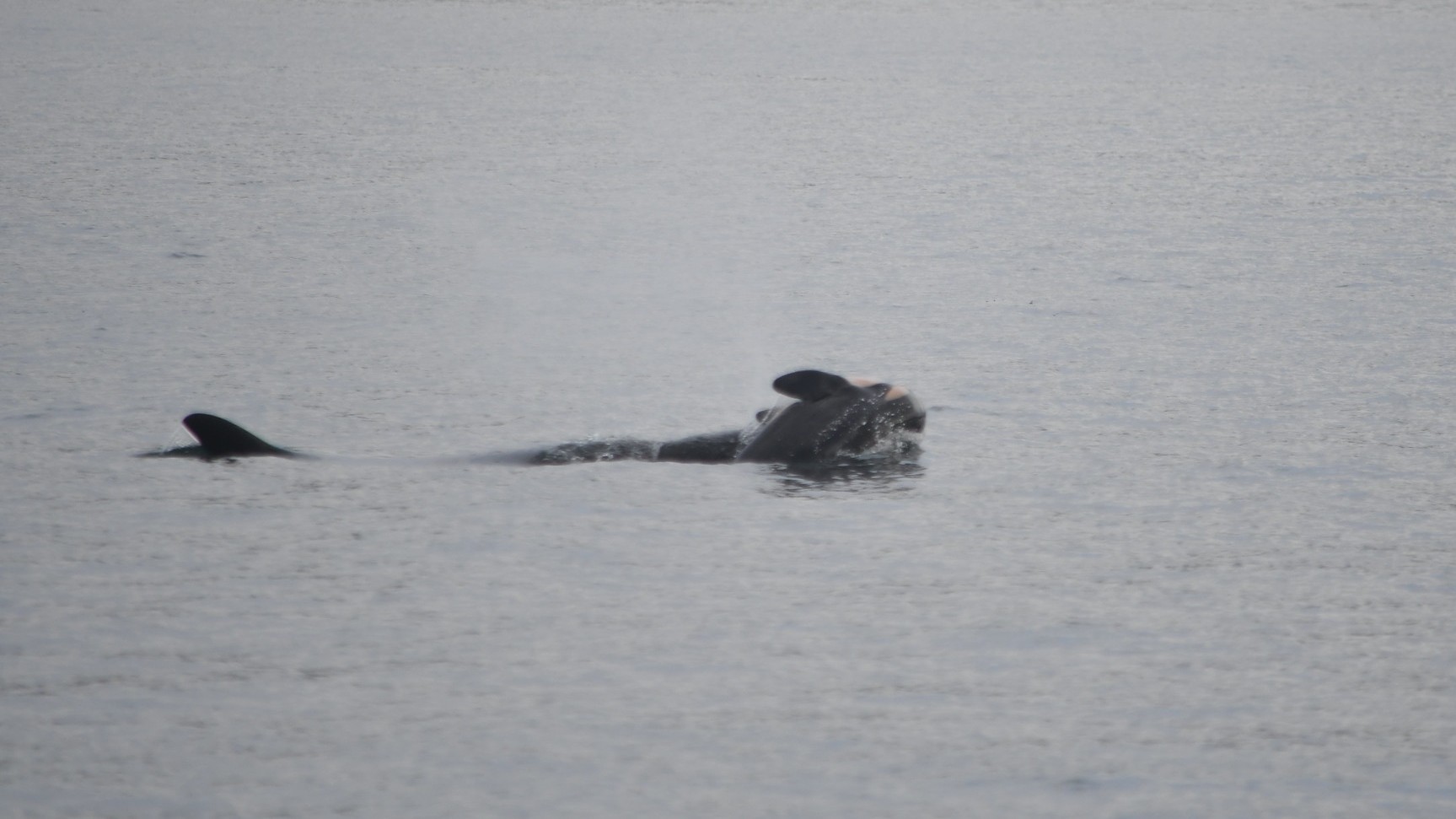
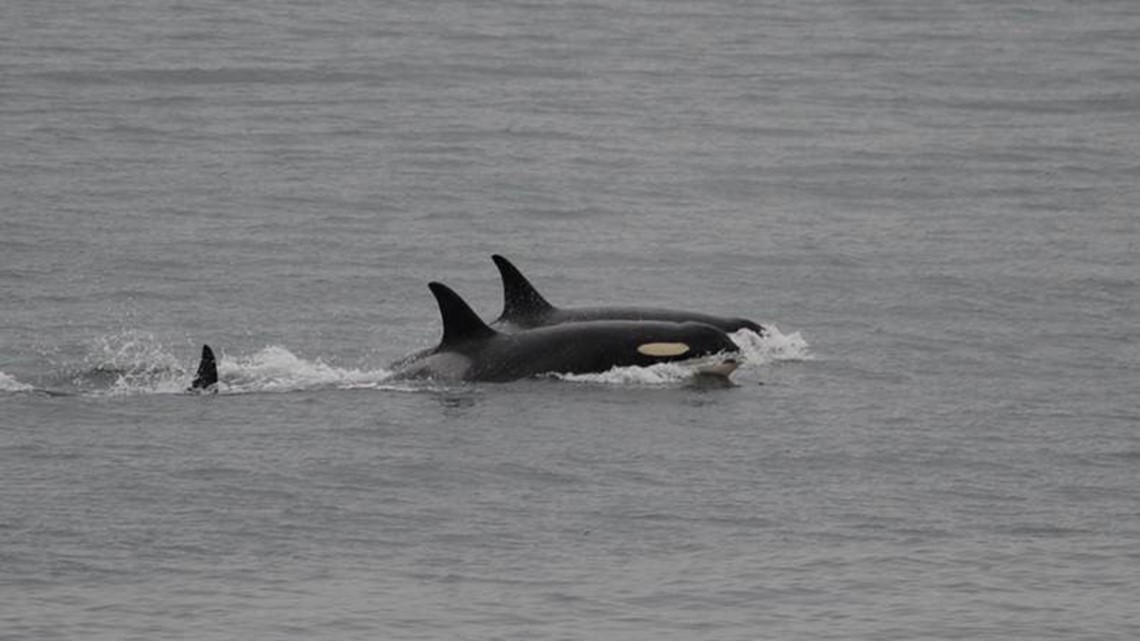
In the summer of 2018 something happened off the coast of Seattle that made the whole world stop. An orca named Tahlequah gave birth. But the calf lived for only half an hour. And then Tahlequah did something incredible: she lifted her baby's body onto her head and swam. She swam like that for seventeen days. A thousand kilometers. She did not eat, barely slept. She simply carried her calf, as if hoping it would wake.
The scientists who watched her cried. The photographers filming her could not speak. People around the world watched the news and felt the same thing that this whale-mother felt: grief that cannot be put into words. Tahlequah showed us that orcas love their young as deeply as humans do. And she showed us something else important: the Southern Resident orcas of Puget Sound were dying. And it was our fault.
A detective story: why whales were starving in a full ocean
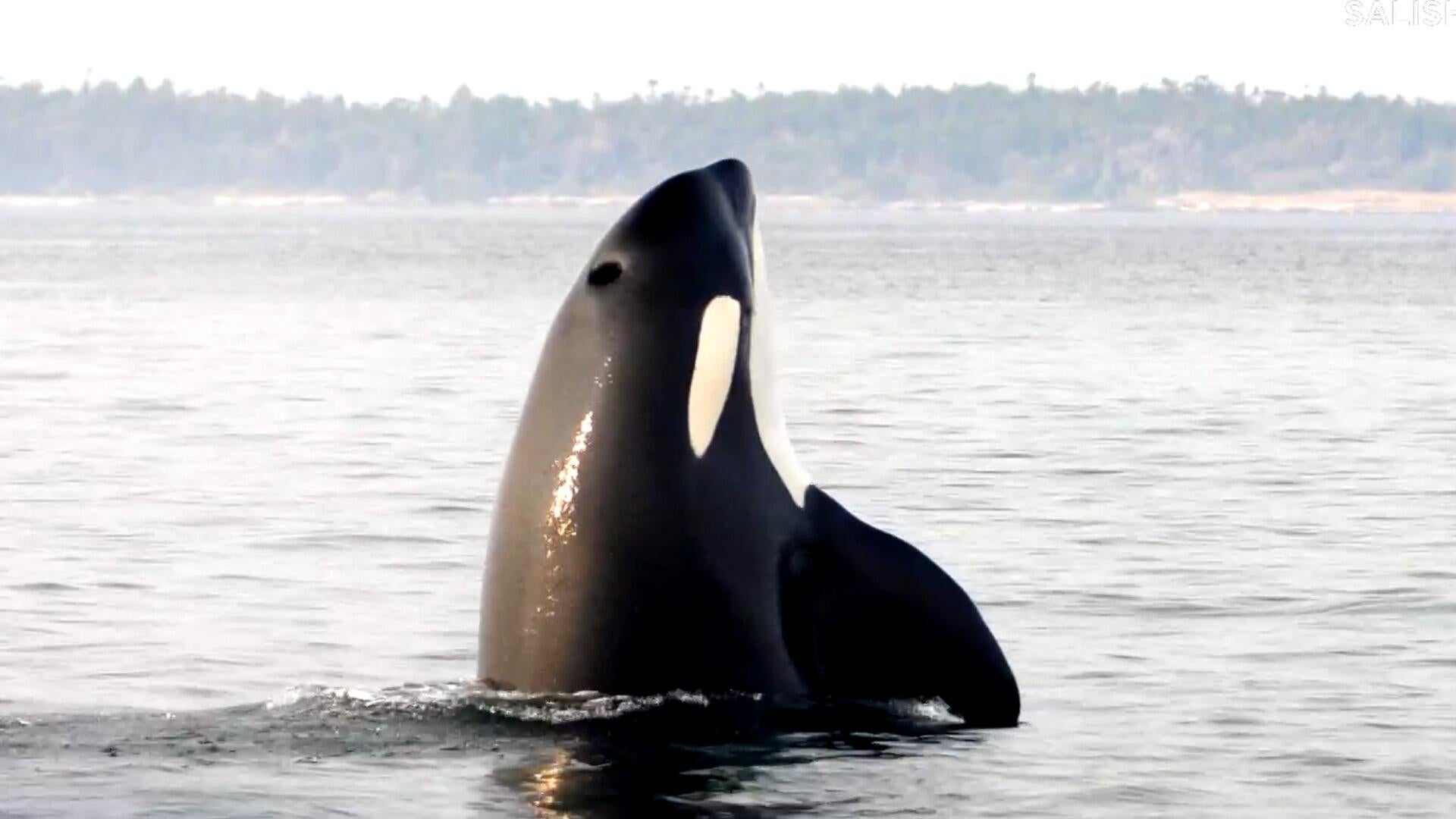
The orcas that live off the shores of Seattle are called the Southern Resident killer whales. Scientists know each one by name. Tahlequah is her beautiful name in the language of Indigenous peoples, but she also has a scientific number: J35. She belongs to the J-pod family — one of three orca families that have lived here for thousands of years.
In the 1990s scientists noticed a strange thing: the orca population was shrinking. In 1995 there were 98. By 2001 there were only 78. Whales were dying, and new calves were either not being born or not surviving. But why? There seemed to be plenty of fish around, the water looked clean. What was happening?
Researchers began real detective work. They studied what the orcas ate (it turned out to be almost exclusively Chinook salmon — the biggest, fattiest salmon). They checked the whales' health using special tests (and found the whales were literally starving — they lacked enough blubber under their skin). They tracked each family, recording who was born and who died.
Gradually the picture came together. The orcas were not dying directly from disease or pollution. They were dying from starvation. But not because there were no fish at all. Because their favorite food — Chinook salmon, which once came into the rivers by the millions — had disappeared.
How dams stole the whales' lunch
Imagine that you really love apples. Not bananas, not oranges — apples. And suddenly all the apple trees in the world begin to vanish. That is roughly what happened between the orcas and the Chinook.
Chinook are not just any salmon. They are the largest salmon, which can weigh up to 30 kilograms. They are very fatty, very nutritious. One Chinook gives an orca as much energy as a dozen smaller fish. But most important — orcas had adapted to eat that specific fish. For thousands of years their grandmothers taught the young: "This fish is the best. This is how you catch it."
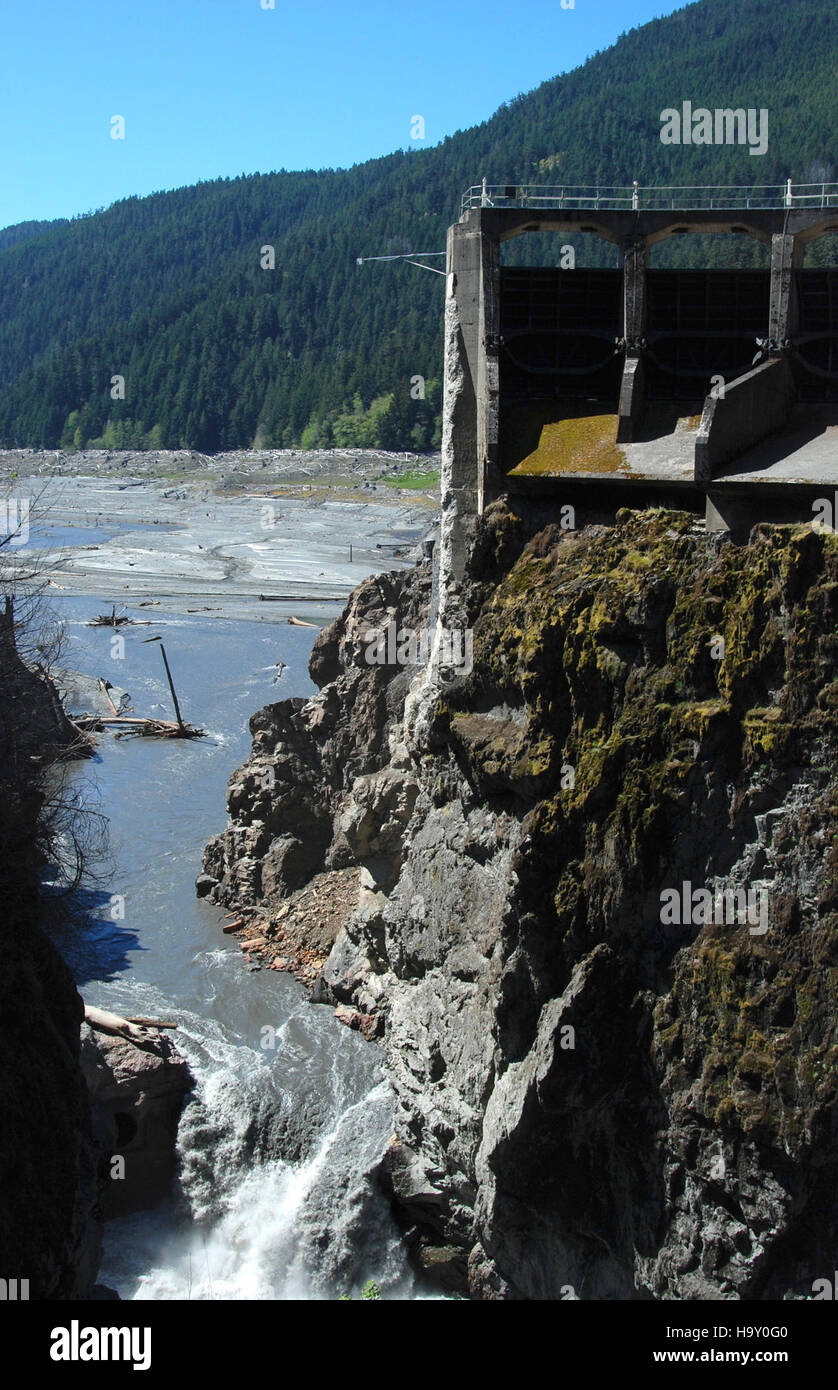
Then people built dams. Huge concrete walls across rivers. The dams were needed for electricity and irrigation. Only one problem: salmon cannot climb a concrete wall. Salmon are born in rivers, swim out to the ocean, and then return to the same river to spawn. But if a dam blocks the river, salmon cannot get home. They cannot reproduce. Over time the salmon population dwindles.
On the Columbia River — which supplied much of the Chinook — they built not one or two but fourteen dams. Other rivers saw the same. By the early 2000s Chinook numbers were only about 10% of what they were a century earlier. The orcas swam in an ocean full of other fish but looked specifically for Chinook — and could not find them.
Why they can't just eat other fish
You might ask: "So what? Let them eat other fish!" Scientists thought the same. But it turned out to be more complicated.
First, orcas are very conservative about food. That means they eat what their mothers and grandmothers taught them. Southern Resident orcas specialize in Chinook. Other orca populations eat seals or sharks, but the J, K and L pods eat fish. They cannot relearn easily — it's not just a habit, it's a culture passed down generation to generation.
Second, when an orca starves something dangerous happens in its body. Pollutants from the ocean — called PCBs (polychlorinated biphenyls) — accumulate in blubber. When a whale is healthy and well-fed, these toxins remain stored in fat and do little harm. But when a whale starts to lose weight, the blubber breaks down and the toxins enter the bloodstream. They poison the whale. And if the whale is a mother, the toxins get into her milk and are passed to the calf.
That is why calves were dying. The mothers were so hungry that their milk became poisonous. Tahlequah lost not just one calf — she lost three. Each loss was linked to hunger and toxins.
What people are doing to help
When Tahlequah carried her dead calf, something changed. People realized we could not just watch this happen. They began to act.
Some solutions were large. In 2011 the Elwha Dam — one of the largest in Washington state — began to be removed. It was a huge project that took three years. But when the dam was taken out, salmon returned to the river for the first time in a century. Scientists cried with joy when they saw the first fish swimming upstream.
Other actions focused on cleaning the water. People stopped dumping certain chemicals into the ocean. Farmers changed practices to reduce fertilizer runoff into rivers. Cities built better wastewater treatment systems.
But the most remarkable work came from ordinary people, even children. In Seattle schoolchildren raised money to restore salmon spawning habitat. They planted trees along rivers (trees provide shade and salmon need cool water). They cleaned trash from riverbanks. One girl named Emma organized an "Adopt an Orca" project at her school — kids picked an orca to study, learned its story, and told others why protecting the ocean mattered.
There were also unusual ideas. Scientists suggested quieting rivers — it turned out noise from ships interferes with orcas' hunting. Orcas use echolocation (sound waves) to find fish, but when motors roar around them, they are effectively blind. Now large ships are required in some areas to slow down and reduce noise.
Tahlequah's family today
Several years have passed since the day Tahlequah carried her calf. Today there are 75 orcas in the J, K and L families. That is still very few — fewer than in 1995. But there is good news too.
In 2020 Tahlequah gave birth to another calf. He was named J57. And he survived! Scientists watched him every day, afraid to celebrate too soon. But the calf grew, swam beside his mother, and learned to hunt. When he turned one, researchers marked the milestone with a celebration — because it meant he had a good chance of living a long life.
Tahlequah became a mother again. She showed everyone that even after such grief one can find the strength to carry on. And she showed people that our actions matter. When we help salmon, we help orcas. When we clean the water, we save whole families.
What this means for you
Tahlequah's story is not just about one whale. It's a story about how everything in nature is connected. A dam on a river affects fish. Fish affect whales. Pollutants in the water affect calves. And people affect all of it together.
But the most important thing: this story shows that we can fix our mistakes. We can remove dams. We can clean the water. We can learn to live so there is enough space and food in the ocean for everyone — humans and whales alike.
The Southern Resident orcas are still in danger. They need our help. But every time a new calf is born, every time Chinook return to a river where they were absent for a century, every time schoolchildren plant trees beside the water — that is a small victory.
Tahlequah taught us to listen. She showed her grief so clearly that we could not look away. And now we know: the ocean is speaking to us. We just need to learn to hear.