Imagine you build something to show what the future will look like, and then, 60 years later, people say, "Wow, this is exactly what we need now!" That’s exactly what happened with the Seattle monorail — a train that was supposed to run for only six months but accidentally predicted what cities would need in the 21st century.
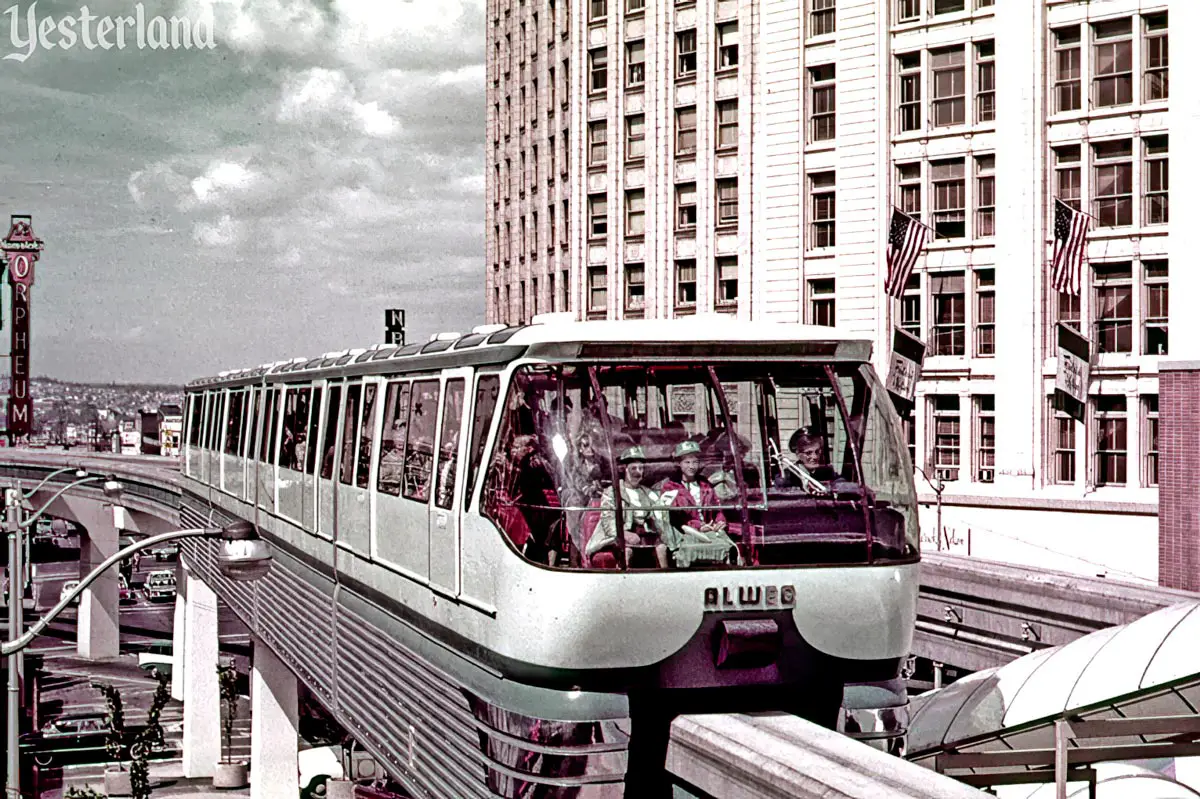
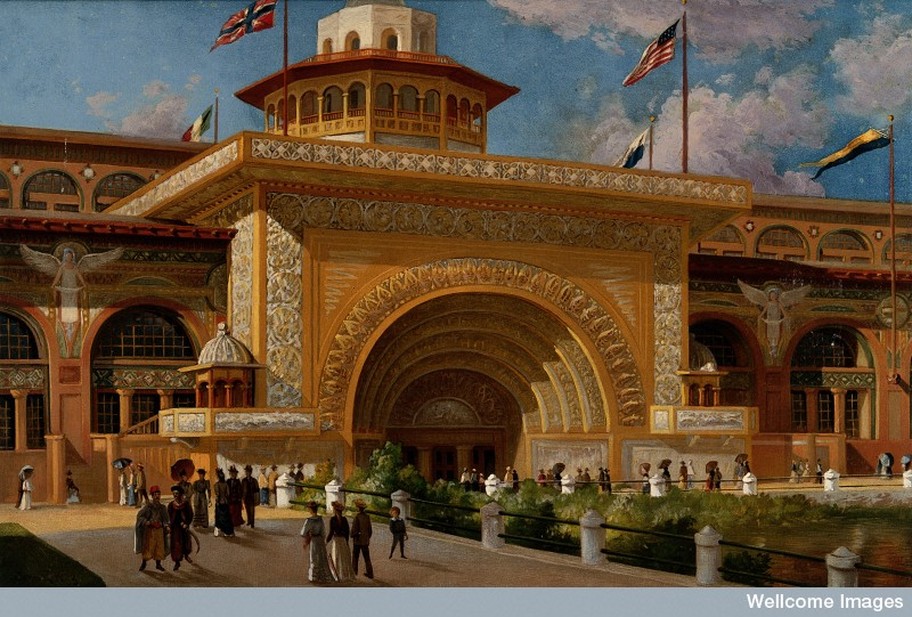
In 1962 Seattle hosted the World’s Fair — like the biggest talent show for cities and countries, where everyone shows their coolest inventions. Seattle wanted to amaze the world, and the German company Alweg proposed building a monorail — a train that runs on a single rail high above the ground. It sounded like science fiction! But the most surprising thing wasn’t the train itself, but how quickly it was built and why it became important again today.
Built at lightning speed
Engineers were given a task that seemed impossible: build the monorail in 10 months. That’s less time than a school year! They had to erect huge concrete columns in the middle of the city, lay a track more than a kilometer long, and do it so people and cars below could keep moving safely.
One of the project’s lead engineers, Axel Lennart Wenner-Gren Jr., brought his daughter Ingrid to the construction site every day. She was eight years old and watched workers lift enormous sections of track with cranes, as if assembling a giant model. Her father told her, "We’re not just building a train. We’re showing people that cities can be different — no traffic jams, no dirty air, where transport floats above your head like in books about the future."
Workers even labored at night. They used a special technology: the track was made of concrete, and the cars wrapped around it from both sides, like hands grasping a tree branch. This was German technology never used in America before. When the monorail opened on March 24, 1962, it could carry 10,000 people an hour — a whole stadium’s worth!
A temporary solution that became permanent
The World’s Fair ended in October 1962. Everyone thought the monorail would be dismantled like stage sets after a show. But Seattle residents said, "No! We like it!" The monorail kept running, carrying people between downtown and Seattle Center (where the fair had been).
Years passed. Many cities built subways underground or added more buses. Seattle’s monorail came to seem like an old-fashioned souvenir from the past. But then something interesting happened.
Ingrid, the little girl who had watched the monorail being built, grew up to become an urban transit specialist. In a 2015 interview she told a newspaper, "When I was little, I thought my dad was building a toy for the fair. Now I understand — he was building an answer to a question cities only started asking 50 years later: how to move people without creating traffic jams and without polluting the air?"
The future comes back
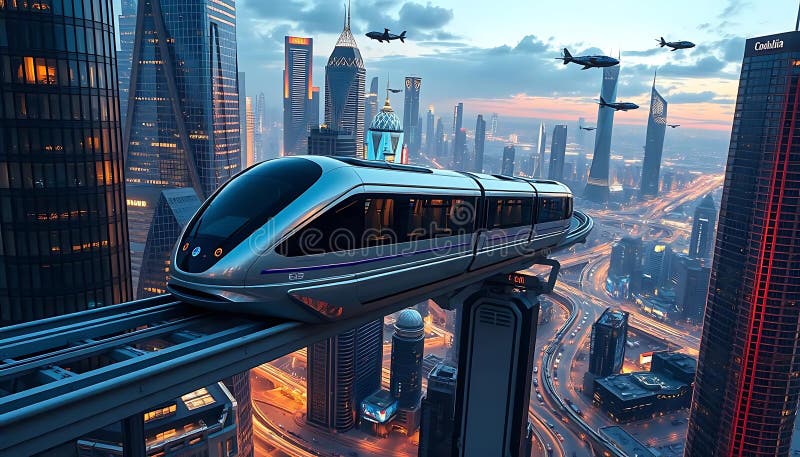
Today something surprising is happening: cities around the world are once again interested in monorails! China has built monorails in 15 cities. India is building them in Mumbai. Even Las Vegas is planning a monorail similar to Seattle’s.
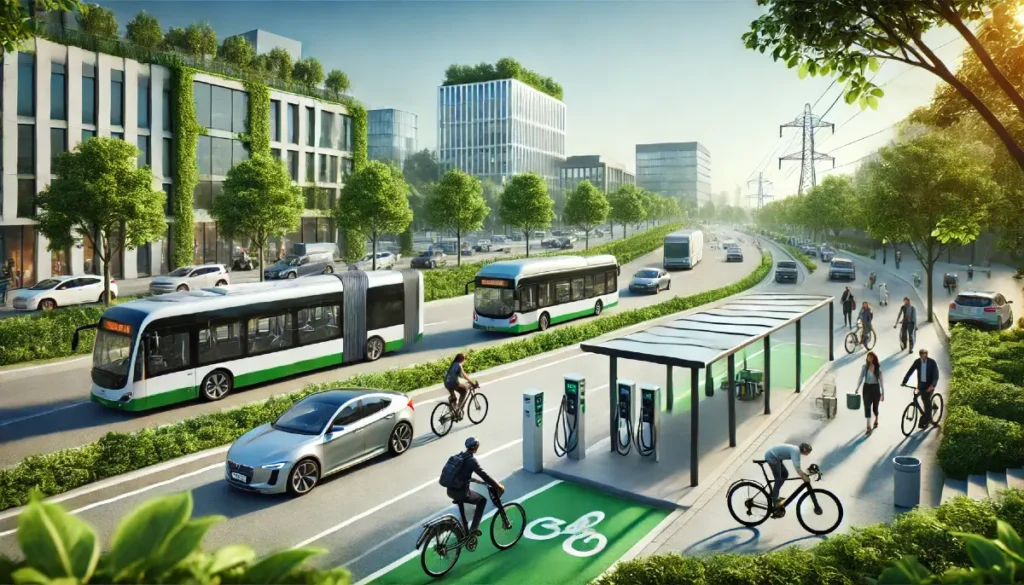
Why has an old 1962 technology become popular again? Here are a few reasons:
| Problem today | How the monorail helps |
|---|---|
| Traffic congestion | The monorail runs above cars without interfering |
| Air pollution | It’s electric and emits no smoke |
| No space for new roads | It requires only narrow columns |
| Construction disrupts the city | It can be built quickly without closing streets |
Seattle’s monorail still operates — it’s now over 60 years old! It carries about 2 million passengers each year. The cars have, of course, been replaced with new ones, but the system itself remains almost the same as in 1962.
A lesson from the train that knew how to wait
The story of Seattle’s monorail teaches an important lesson: sometimes the best solutions arrive before we’re ready to understand them. In 1962 people thought, "This is just an exhibit attraction." In 2024 we think, "That was brilliant!"
The engineers who built the monorail didn’t know they were creating something that would outlast them. They simply wanted to show what a city of the future could look like. It turned out they were right — the future just needed 60 years to catch up with their idea.
Next time you see something old — an old technology, an old book, an old idea — remember the monorail. Maybe it’s not "old" at all. Maybe it’s the "future" that patiently waited its time.