In 1982 in Seattle, one brewer did something others called a betrayal. He brought a computer into his small brewery. Not to play games or type letters — but to brew beer. The old masters were furious. "Beer is brewed with hands and heart, not machines!" they said. But that "traitor" accidentally saved an entire movement of small breweries that today make Seattle special.
When the thermometer became the enemy
Imagine you're baking cookies using your grandmother's recipe. Grandma says, "Heat the oven until you can feel the warmth with your hand." And you pull out a thermometer and measure the exact temperature — 350°F (180°C). Grandma is offended: "You don't trust my experience! Real bakers feel the temperature, they don't measure it!"
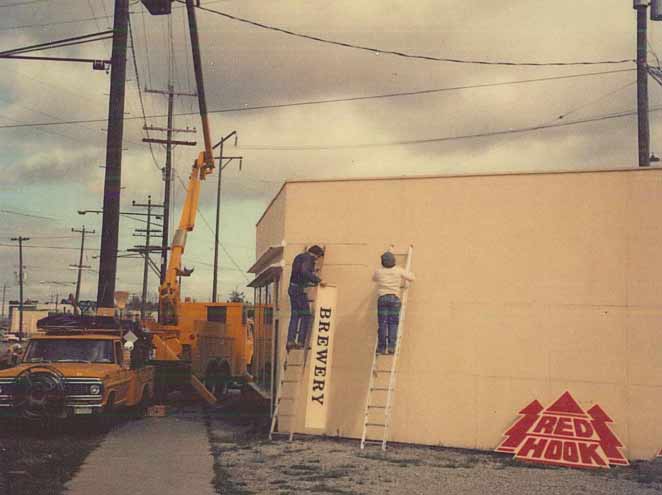
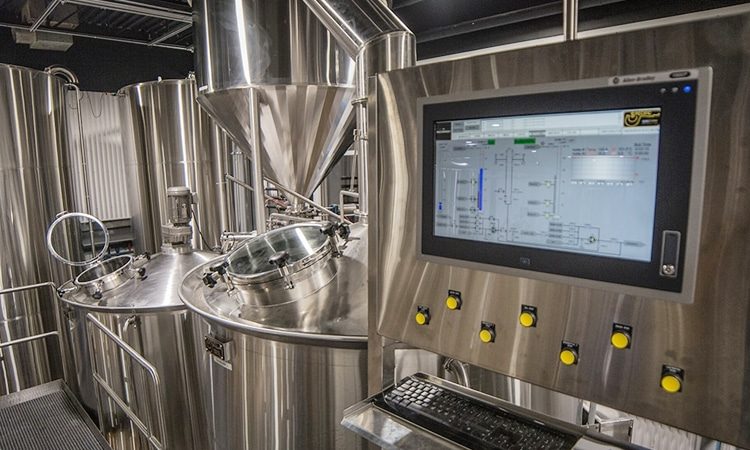
Something similar happened at Red Hook Brewery — one of Seattle's first small breweries. Its founders Paul Shipman and Gordon Bower installed a computer system that constantly measured the beer's temperature during fermentation. Every few minutes the computer checked: is it too hot? Too cold? And automatically turned cooling or heating on.
Traditional brewers were outraged. They had learned their craft over years, tasting the beer, watching the bubbles, listening to the sounds of fermentation. "A computer can't understand the soul of beer!" they said. Some even refused to consider Red Hook's products true craft beer. After all, "craft" means "handwork," "artisanry," and here — machines!
The secret that the eye can't see
But Paul and Gordon had a reason for their "betrayal." They knew a secret that the old masters didn't like to admit: even the most experienced brewers sometimes produced a bad batch.
The thing is, brewer's yeast are living organisms, tiny fungi that turn sugar into alcohol. And they are very fickle. If the temperature rises just 2–3 degrees above the ideal, the yeast begin producing off-flavors. If it gets too cold — they fall dormant, and the beer fails. And the temperature in a large vat of beer can change throughout the day: cooler in the morning, warmed by the sun during the day, colder again at night.
An experienced brewer could check the temperature a few times a day. But what about at night? Or on weekends? One ruined batch means hundreds of liters of beer to pour away. For a small brewery with little capital, that could mean going out of business.
Worse: if the temperature rose too high, harmful bacteria could multiply in the beer. People who drank such beer could become seriously ill.
Fighting an invisible giant
In the early 1980s small breweries fought an unequal battle against huge plants. Big companies like Budweiser or Coors had entire laboratories, dozens of specialists and expensive equipment. They could afford to test every batch of beer with many checks.
A small brewery is often two or three people in a converted garage or warehouse. How could they compete with the giants? Traditional brewers said, "Our weapon will be skill and love for the craft!" It sounded noble, but in practice it meant eight out of ten small breweries closed within the first year.
A computer temperature control system cost about $5,000 — big money in 1982. But it worked 24 hours a day, never got tired, never forgot to check the temperature and made no calculation errors. It was like a robotic assistant that never slept.
The most interesting part: this system did not replace the brewer. It simply did the boring, repetitive job — constantly monitoring temperature. The brewer could focus on the creative parts: inventing new flavors, experimenting with different hops, creating unique recipes.
When the traitor became a hero
A few years passed. Red Hook Brewery not only survived — it thrived. Its beer was consistently good, batch after batch. People knew: if you buy Red Hook, you'll get the flavor you expect. No unpleasant surprises.
Other small breweries started to notice. First one installed a similar system. Then another. Then five more. Those who had previously shouted about "betraying the craft" now quietly bought computer thermometers.
By the late 1980s the situation had completely changed. Computer temperature control became standard for craft breweries. But instead of making all beer the same, the technology helped create incredible variety.
Why? Because brewers stopped being afraid to experiment. Before, if you tried a new recipe and it failed, you lost a lot of money. Now, with the basic process under control, you could confidently try adding a new hop, fruit, spices, or experiment with different barley varieties. If an experiment failed, at least you knew the problem wasn't temperature — so you'd change something else in the recipe.
A lesson from brewers
Today there are more than 50 craft breweries operating in and around Seattle. They make hundreds of different beers: with orange peel, with coffee, with lavender, dark as chocolate and light as lemonade. Each brewery has its own unique style, its signature recipes.
And almost every one of them has a computer temperature control system. The very technology once called the "killer of craft" actually saved it. It allowed small breweries to survive long enough to grow. It gave brewers the freedom to create without fear of random errors.
The story of Red Hook teaches an important lesson: sometimes a new tool doesn't replace skill — it frees it. Grandma who uses a thermometer doesn't become worse at baking. She just has more time to come up with a new filling or pretty decoration instead of worrying about oven temperature.
The thermometer that was once called a traitor turned out to be a faithful friend. It helped small breweries stand up to big plants. And thanks to it, today in Seattle you can try beer that tastes like cherry pie or a pine forest — things big breweries would never risk making.