Imagine your favorite teacher promised to stay at your school forever, then one day simply disappeared because another school offered her more money. That’s roughly how Seattle residents felt in 2008 when their basketball team, the SuperSonics, left town after 41 years together. But the worst part wasn’t just that the team left — it was that the new owner had planned it from the start, despite solemnly promising the opposite. This story of a stolen team still teaches America an important lesson: sometimes very rich people say one thing and do another, and ordinary people — especially children — suffer for it.
A team that was part of the family
The SuperSonics arrived in Seattle in 1967 — long before your parents, and maybe even your grandparents, were born. The team’s name was inspired by the supersonic aircraft made by Seattle’s Boeing. Forty-one years is a long time. Over that period whole generations of kids grew up going to games with their parents, then bringing their own kids, who later brought theirs.
In 1979 the SuperSonics won the NBA championship — like winning an Olympic gold, but in basketball. Legends played on the team: Gary Payton, nicknamed “The Glove” (he defended so well it was like he put a glove on opponents), and Shawn Kemp, who dunked so high it seemed like he could fly. Kids in Seattle wore the team’s green-and-yellow shirts, collected player cards, and dreamed of one day stepping onto the court in that uniform.
The team played in KeyArena — a building constructed in 1962 for the World’s Fair. By the 2000s the arena had become old-fashioned — everything worked, but it wasn’t as modern as the new stadiums in other cities.
A promise that was a lie from day one
In 2006 something happened that initially seemed like good news. A wealthy businessman from Oklahoma named Clay Bennett bought the team for $350 million. That’s a huge sum — like 350 thousand bicycles! When Seattle residents worried (“What if he moves our team to his city?”), Bennett publicly promised: “We did not buy the team to move it. We bought the team to keep it in Seattle.”
But that was a lie. Years later, when lawyers examined Bennett’s emails, they found evidence: he had planned to move the team to Oklahoma City from the very start. In one email, written just months after the purchase, Bennett discussed how to “get out” of Seattle. It was like someone promising to take care of your puppy while already looking for someone to give it away to.
Bennett used a clever plan. He demanded that the city and state build a new $500 million arena for the team — and that taxpayers, ordinary people through their taxes, pay for it. When the City of Seattle and the state of Washington said “no” (many thought it was unfair to spend money meant for schools and hospitals on a billionaire’s stadium), Bennett declared: “Then I’m forced to move the team.”
The fight the city lost
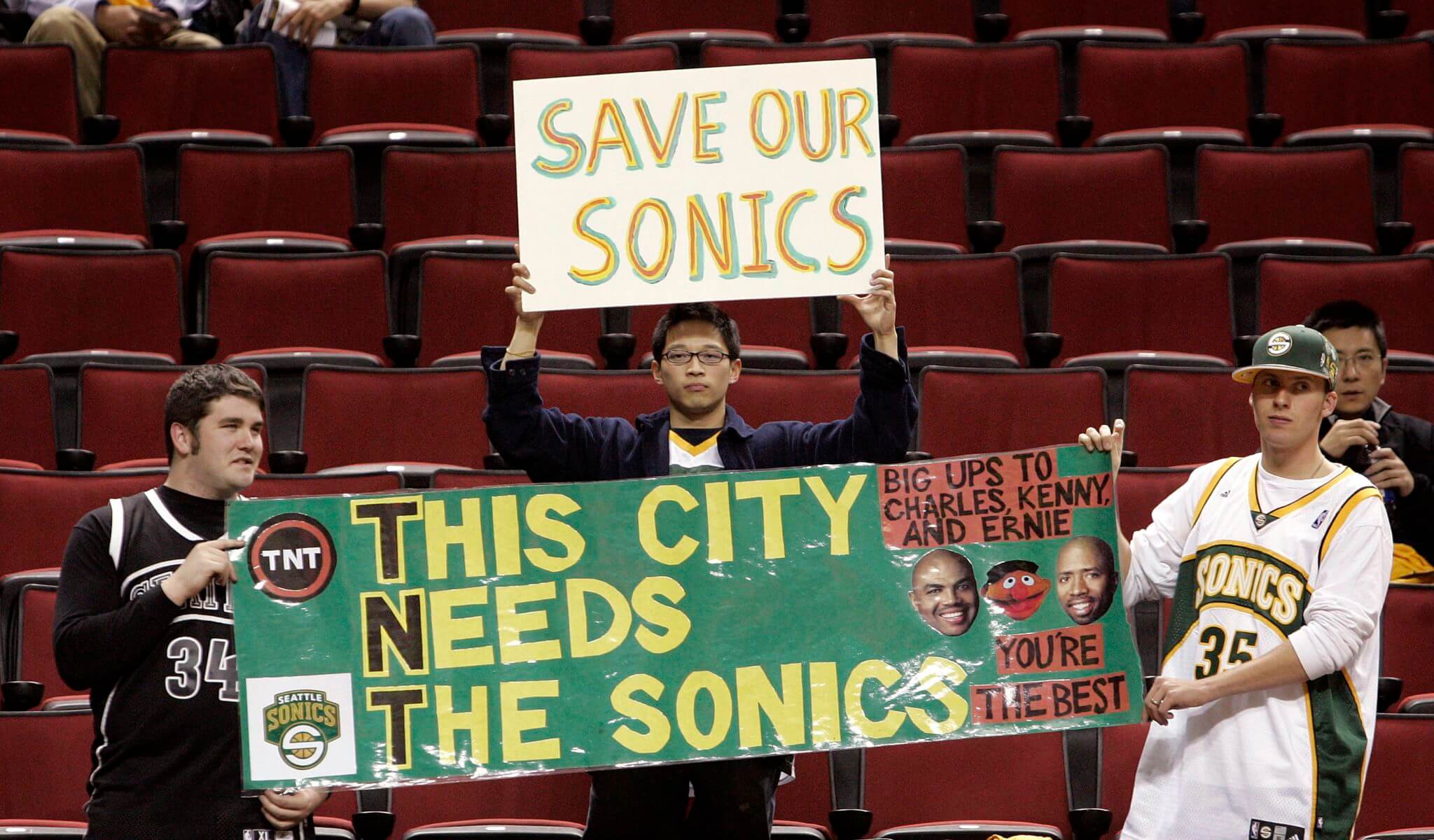
Seattle tried to fight. Lawyers argued in court that the team had a contract — a promise to play in Seattle until 2010. Thousands of fans marched with signs reading “Don’t steal our team!” Children wrote letters begging Bennett to change his mind. One boy wrote: “The SuperSonics are the only thing I share with my dad. We go to games together. Please don’t take that away.”
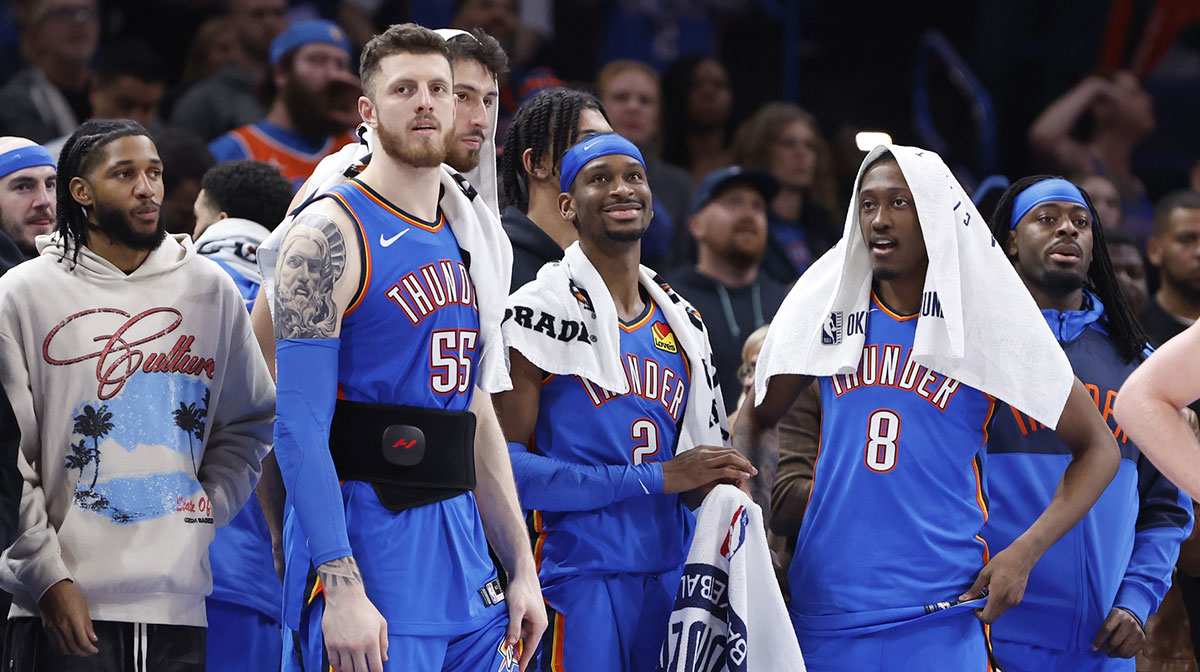
But in July 2008 the court allowed the team to leave. Bennett paid Seattle $45 million as a penalty for breaking the contract — pocket change for him. The team moved to Oklahoma City and became the Oklahoma City Thunder.
In the last game in Seattle — April 28, 2008 — the arena was packed. People cried, hugged, and took photos. It was like saying goodbye to a friend who was leaving forever. After the game fans lingered for hours, as if thinking that if they stayed the team might stay too.
Why this story matters today
The SuperSonics’ story wasn’t just about one basketball team. It became a symbol of what happens when very rich people gain control over things ordinary people love.
Today we see similar stories again and again:
Companies that “run away” from cities: In the 2020s many tech firms began leaving San Francisco and Seattle for states with lower taxes — Texas, Florida. When Elon Musk moved Twitter’s (now X) headquarters from San Francisco to Texas in 2024, it echoed the SuperSonics: something built by a city’s people simply left because it benefited the owner.
Sports teams as hostages: After the SuperSonics, other teams adopted the same tactic. They tell cities, “Build us a new stadium with your money, or we’ll leave.” It’s like blackmail: “Buy me a new toy, or I won’t be friends with you.”
A question of fairness: Many ask whether it’s right for billionaires to demand that ordinary people pay for their stadiums when the city lacks money for schools, roads, and homelessness services. In Seattle in 2008 there were about 8,000 homeless people and many schools needed repairs — yet Bennett wanted $500 million for a new arena for his business.
A city that remembers
More than 15 years have passed, but Seattle still remembers its team. You can’t buy an Oklahoma City Thunder shirt in some local shops — they refuse to sell them on principle. Old SuperSonics shirts have become symbols of loyalty: people wear them as reminders of what was lost.
Bars and cafés in Seattle still display old photos of the team. When the Thunder (formerly the SuperSonics) play against other teams, fans in Seattle watch and root against them — not out of hatred for the players, but because they’re still hurt by how they were treated.
The most interesting thing: in 2024 the NBA announced Seattle could get a new team! But this would not be a return of the SuperSonics — it would be a completely new franchise. For many fans that’s welcome news but with a bitter aftertaste. As one supporter said: “It’s like your puppy ran away, and years later someone offers you a new one. You’re happy, but it’s still not the same puppy you loved.”
A lesson for all of us
The story of the stolen team teaches important things:
Promises matter: When Clay Bennett promised to keep the team in Seattle, people believed him. His lie hurt thousands, especially children. It’s a reminder: words matter, especially from people in power.
Money isn’t everything: Bennett was very rich, but he didn’t understand (or didn’t care) that the team was more than a business. It was part of the city’s history, part of childhood memories, part of what brought people together.
Communities are stronger than they appear: Although Seattle lost the battle for the team, the city didn’t forget the lesson. Residents now watch more closely to make sure important parts of their city — teams, companies, buildings — don’t disappear just because it’s more convenient for someone wealthy.
When you grow up you’ll see many situations where rich and powerful people make decisions that affect ordinary lives. The SuperSonics’ story reminds us: ask questions, demand honesty, and remember that some things — friendship, community, loyalty — are worth more than money.
And one more thing: if someone promises you something important and then breaks that promise for their own gain, you have the right to be hurt. Seattle people are still hurt — and that’s okay. Sometimes hurt is how we remember what was wrong so it doesn’t happen again.