Imagine working all day—washing dishes, frying potatoes, clearing tables—and at the end getting so little money you can’t even afford a decent lunch. That’s how thousands of people lived in the American city of Seattle. And that’s exactly what one woman—Kshama Sawant, a teacher from faraway India—decided to change.
What Is a Minimum Wage and Why It Matters
Imagine that in your class there’s a rule: every child must get at least one candy at the end of the day—no matter how many assignments they completed. That’s a minimum wage: the smallest amount of money the law allows an employer to pay a worker. Less than that is not allowed.
In Seattle, as across much of America, for a long time this figure was quite small—about seven or eight dollars an hour. Sounds not too bad, right? But Seattle is an expensive city. Rent, food, the bus, clothes—all of it costs money. People working in cafés, shops, and hotels often couldn’t afford decent housing even after a full day’s work. Some slept in their cars. Some worked two jobs at once and still barely made ends meet.
Activists and economists had long argued that the minimum wage should be raised to fifteen dollars an hour. But no one believed it was possible—too bold an idea, and too many people were against it.
A Woman Who Wasn’t Afraid
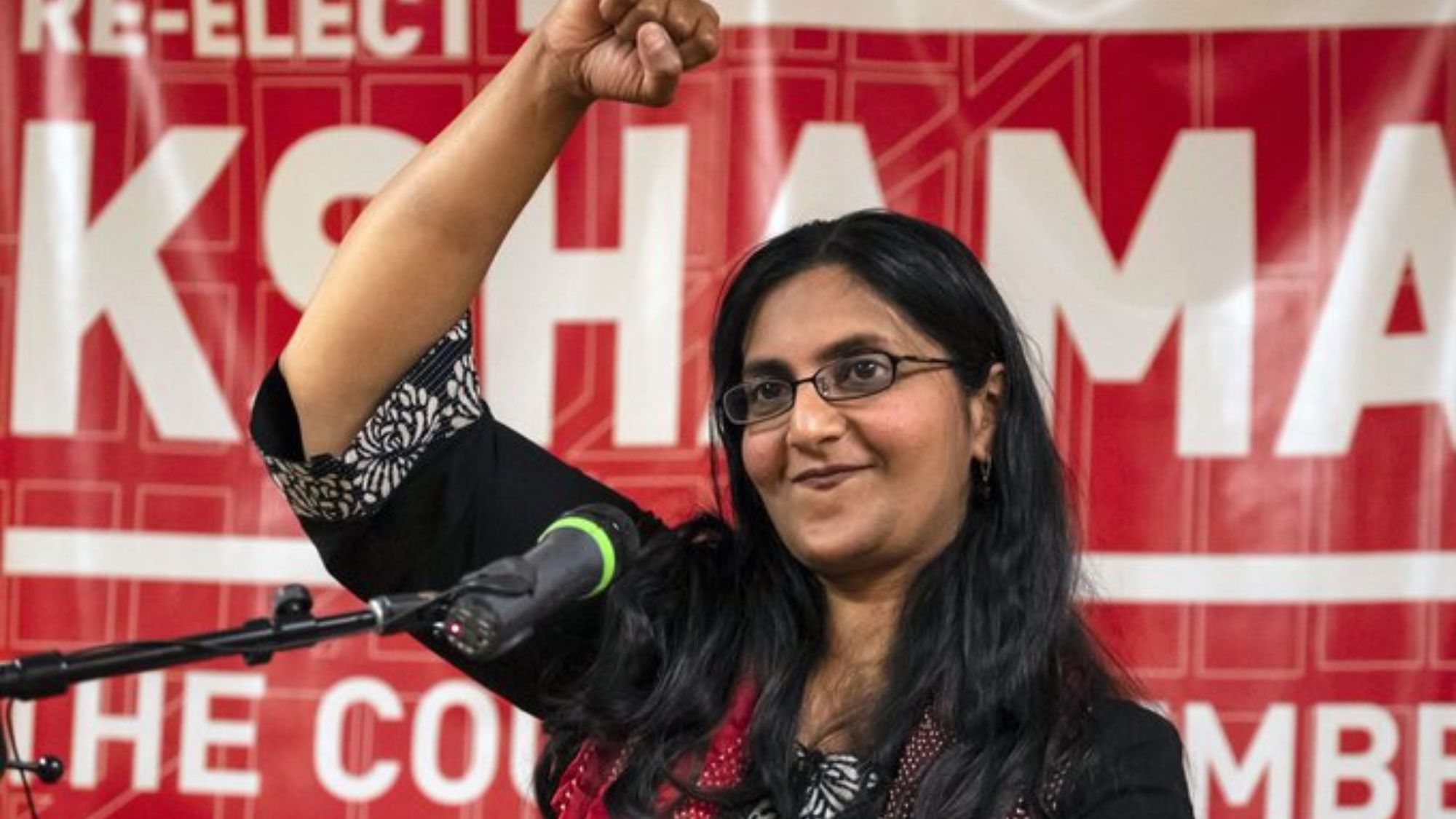
In 2013, Seattle held elections for the city council—something like a gathering of adults who make important decisions for the whole city. Among the candidates was Kshama Sawant: an economics teacher, an immigrant from India who came to America to study and then chose to stay.
Kshama wasn’t rich or famous. She didn’t have millions for advertising. Her opponent spent hundreds of times more money on the campaign. But she had something else: she could explain complicated things in simple words, and she sincerely believed what she was saying.
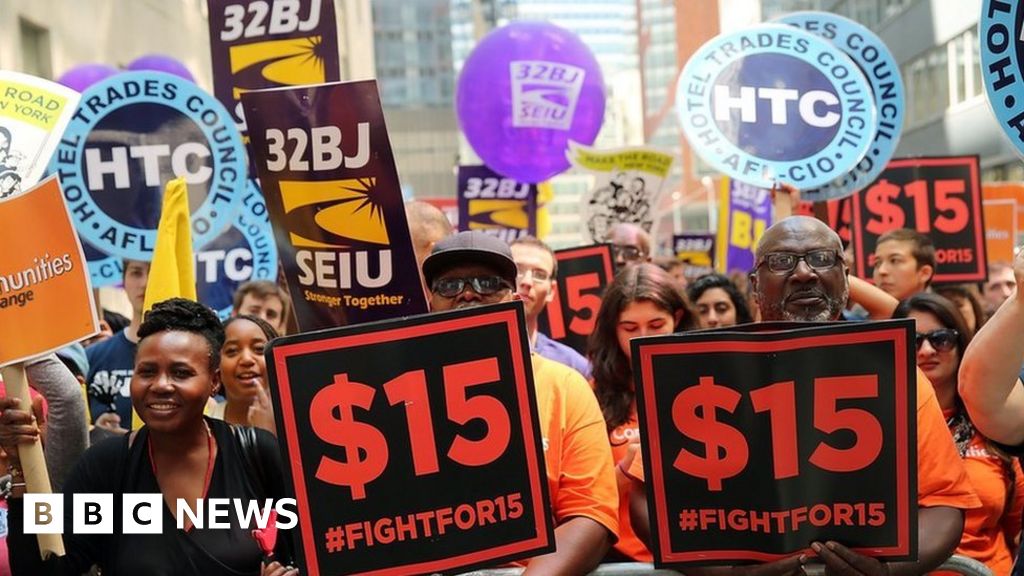
Her main promise was straightforward and easy to understand: raise the minimum wage to fifteen dollars. “Fifteen now!” her supporters chanted in the streets. And—unbelievably, but true—she won. Kshama Sawant became the first openly socialist person (someone who believes society should take care of every one of its members) elected to the city council of a major American city in many decades.
Many adults back then shook their heads: “So what? One vote won’t change anything.” They were wrong.
When Cooks and Cleaners Hit the Streets
Kshama’s victory was a signal to thousands of people. Fast-food workers, hotel cleaners, supermarket cashiers—everyone who had been silent for years suddenly realized they could speak up. They could demand.
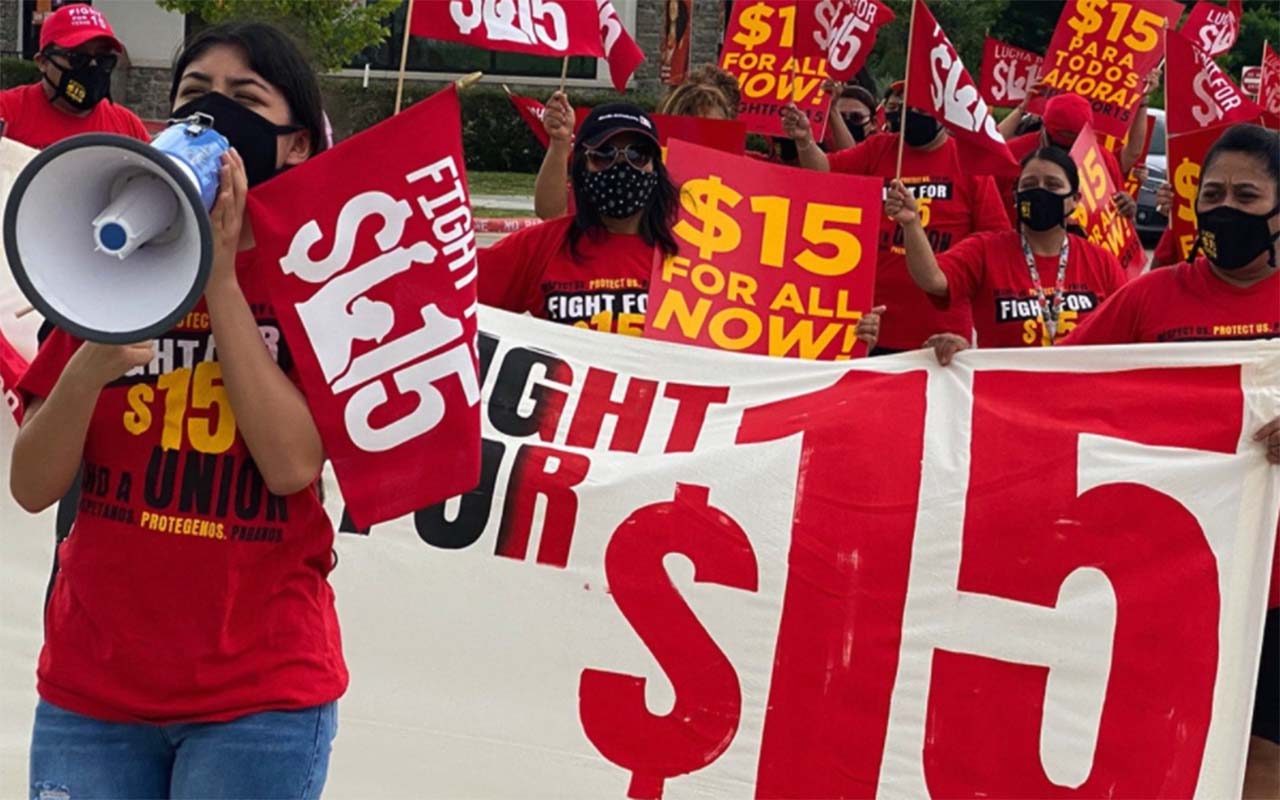
Demonstrations spread across Seattle. People in aprons and work jackets carried signs: “We feed this city too.” Students, teachers, doctors joined them—anyone who felt it was unfair that honest work didn’t give people a decent life.
Owners of big restaurants and stores initially resisted. They said, “If we have to pay more, we’ll have to close.” But smaller cafés and shops unexpectedly supported the idea—many of their owners had once worked for low wages themselves and remembered what that felt like.
In June 2014, Seattle’s city council voted yes. The minimum wage would be raised to fifteen dollars—gradually, so businesses would have time to adjust. Seattle became the first major city in the United States to take such a step. It was like a stone thrown into water: the ripples spread far.
What Happened Next—and What It Teaches
Skeptics predicted disaster: shops would shut down, people would lose their jobs, and prices would soar. But scientists who closely tracked Seattle over several years saw something else. Yes, there were some challenges—especially for small cafés in the first years. But overall, the city didn’t collapse. Workers started getting paid more. Some of them were finally able to rent decent housing or stop working a second job.
Seattle’s experience was studied in other cities and countries—an example of what happens when ordinary people decide to change the rules. After Seattle, similar laws were adopted in New York, Los Angeles, San Francisco, and many other cities.
And Kshama Sawant? She kept working on the city council, kept arguing, and kept pushing her demands. Her story is a reminder that sometimes one person is enough—someone who isn’t afraid to say out loud what everyone else has been keeping quiet. And it’s also a reminder that major changes almost always begin not in polished offices, but on the street—among ordinary people in work aprons.
As Kshama herself put it: “Changes don’t come by themselves. People bring them.” And she was right.