Imagine you and your friends decide to throw a celebration right on your street. You set up tables, invited neighbors, turned on music — and everyone loved it so much that twice as many people came the next year. Then even more. And more. Suddenly your small block party turned into a huge festival drawing thousands of strangers, requiring ticket sales and hired security. It's great... but no longer like the cozy event it started as. That's exactly what happened on one Seattle street, and this story teaches an important lesson: sometimes success changes the things we love.
How neighbors decided to take back their street
In 1997, residents of Capitol Hill in Seattle were tired of their streets belonging only to cars. Capitol Hill had always been a special place — home to artists, musicians, students, people with unusual ideas and bright hair. They wanted their neighborhood to be a place where people meet and talk, not just drive past.
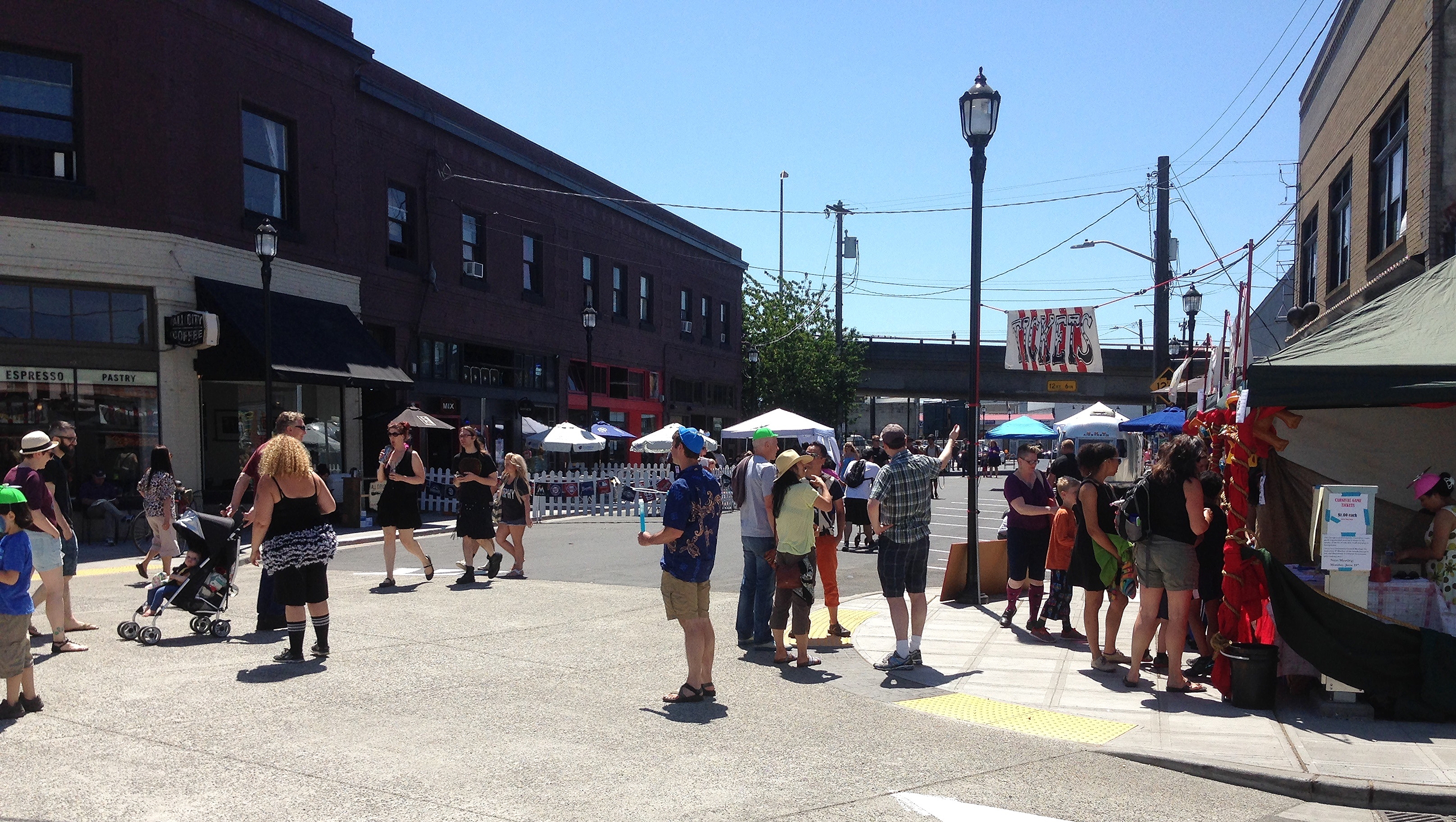
So a few neighbors came up with a simple but bold idea: what if we just close our street for a day and throw a party? They didn't spend much time asking city officials for permission (though, perhaps they should have!). They simply set up homemade stages in their yards, invited local bands that played in garages and basements, and asked neighbors to bring food and drinks.
The first party was very small — maybe a few hundred people came. Musicians played for free because they were friends and neighbors. The food was like a picnic — whatever people brought. No tickets, no security, no big corporate sponsors. Just neighbors who decided to spend a summer day together on their street.
When a small party becomes big
But what happened next surprised everyone. More people came the following year. Then even more. Word about the Capitol Hill party spread across Seattle. People from other neighborhoods began coming specifically to attend. Well-known bands wanted to perform. By the early 2000s, several thousand people were attending.
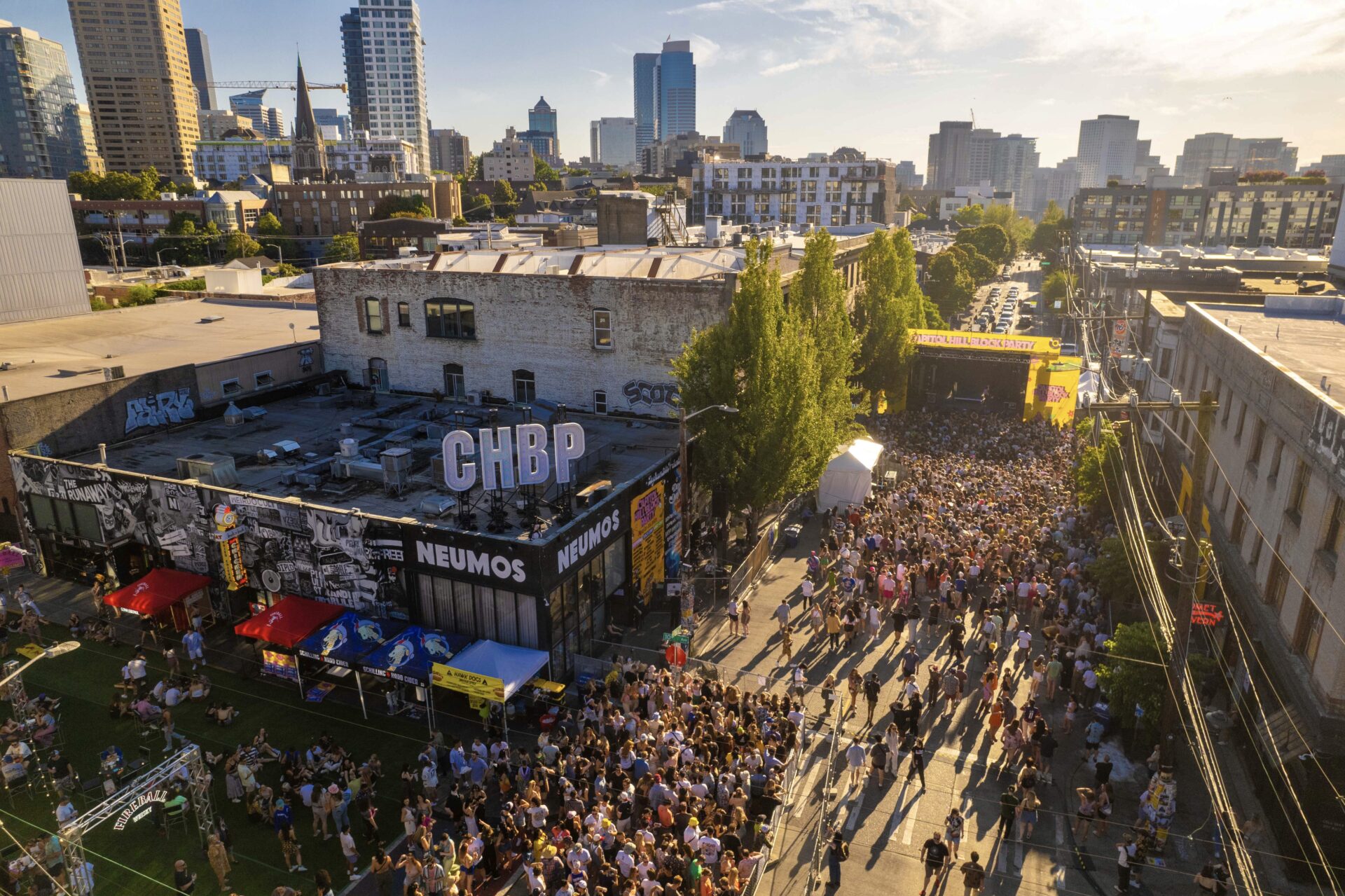
That was wonderful! The idea had worked, right? People loved the party. But then problems started. When 10,000 people come instead of 500, you have to think about safety. You need toilets, medical aid, police. Streets must be officially closed and permits obtained. You need money for all of this — a lot of money.
Organizers started selling tickets. At first they were inexpensive — about $10–$15. But each year the price rose. By the 2010s a three-day ticket cost $60–$80. Big sponsors appeared — companies that gave money but in return wanted their advertising everywhere. Small local bands that once played for free could no longer get onstage — famous musicians who demanded thousands of dollars to perform filled the lineup.
When your party becomes someone else’s
This is where the sad part begins. Many Capitol Hill residents who had first started the party could no longer attend. Tickets became too expensive for students and emerging artists — the very people who made the neighborhood special. Instead of a neighbors’ celebration, it became a commercial festival like dozens of others.
“This is no longer our party,” longtime residents said. They remembered how it had started and were sad to see what it had become. Some even left town during the festival weekend because their street became too noisy and crowded with strangers.
In 2018 something many feared happened: the organizers announced the festival would no longer be held. There were many reasons — too expensive, too complicated, the neighborhood had changed. But the main reason was that the festival had lost touch with its roots. It had become so large and commercial that it forgot why it was created in the first place.
A lesson on growing without losing yourself
The story of the Capitol Hill Block Party is a bit sad but very important. It teaches that when something good becomes popular, you must work hard to avoid losing what made it good initially.
Imagine you have a secret club with your best friends. You meet in a special place, you have your jokes and traditions. It's wonderful! But if ten new people join your club every week, soon it will stop being that special place where you can be yourselves. It will just be a big crowd where nobody knows anyone.
Today people in Seattle still argue about what happened to their party. Some say, “We should have kept it small, just for neighbors.” Others reply, “But then thousands of people who found joy in it would never have known about it!” Both sides are right.
Perhaps the most important lesson is this: when we create something good — a party, a club, a tradition — we need to decide what matters more: that as many people as possible know about it, or that it remain special for those who were there from the start. Sometimes you can't have both.
Capitol Hill residents dreamed of a simple thing: that at least once a year their street would become a place where neighbors become friends. For a while they achieved that. But only for a short time. Still, they showed the whole city how important it is to have places where people can gather. And who knows? Maybe someday someone will organize a small block party on Capitol Hill again. This time they’ll know: to keep the magic, sometimes you need to stay small.