Imagine an early morning in a big American city. The street is still cool, the sun is just rising, and from a small café there wafts a scent so tempting that passersby instinctively slow down. It smells of star anise, ginger, and something warm and comforting—almost like your grandmother’s, except completely unfamiliar. That’s how one of Seattle’s most quiet and kind stories began: a tale of how food and kid “translators” helped an entire city make friends with new neighbors.
Who Came and Why
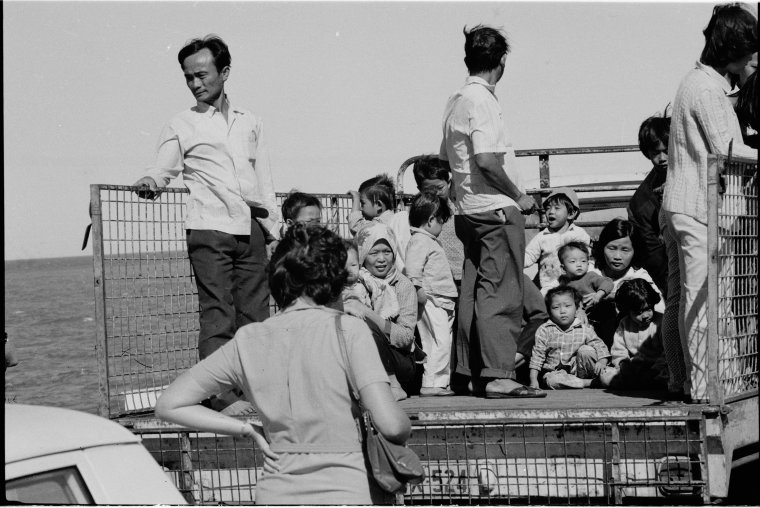
In the late 1970s, families began arriving in Seattle from Vietnam. They were refugees—people who had been forced to leave their homes because of war and the extremely difficult life back home. They boarded ships or planes with almost nothing; they brought only what mattered most: photographs, some money, and recipes for dishes they could recite from memory.
Seattle met them with unfamiliar streets, a language nobody understood, and cold rain—nothing like the warm Vietnamese climate. Many families settled in the same neighborhoods, where it was cheaper to rent housing. Back then those areas didn’t look very inviting: old houses, closed shops, few people on the streets. But very soon, everything began to change.
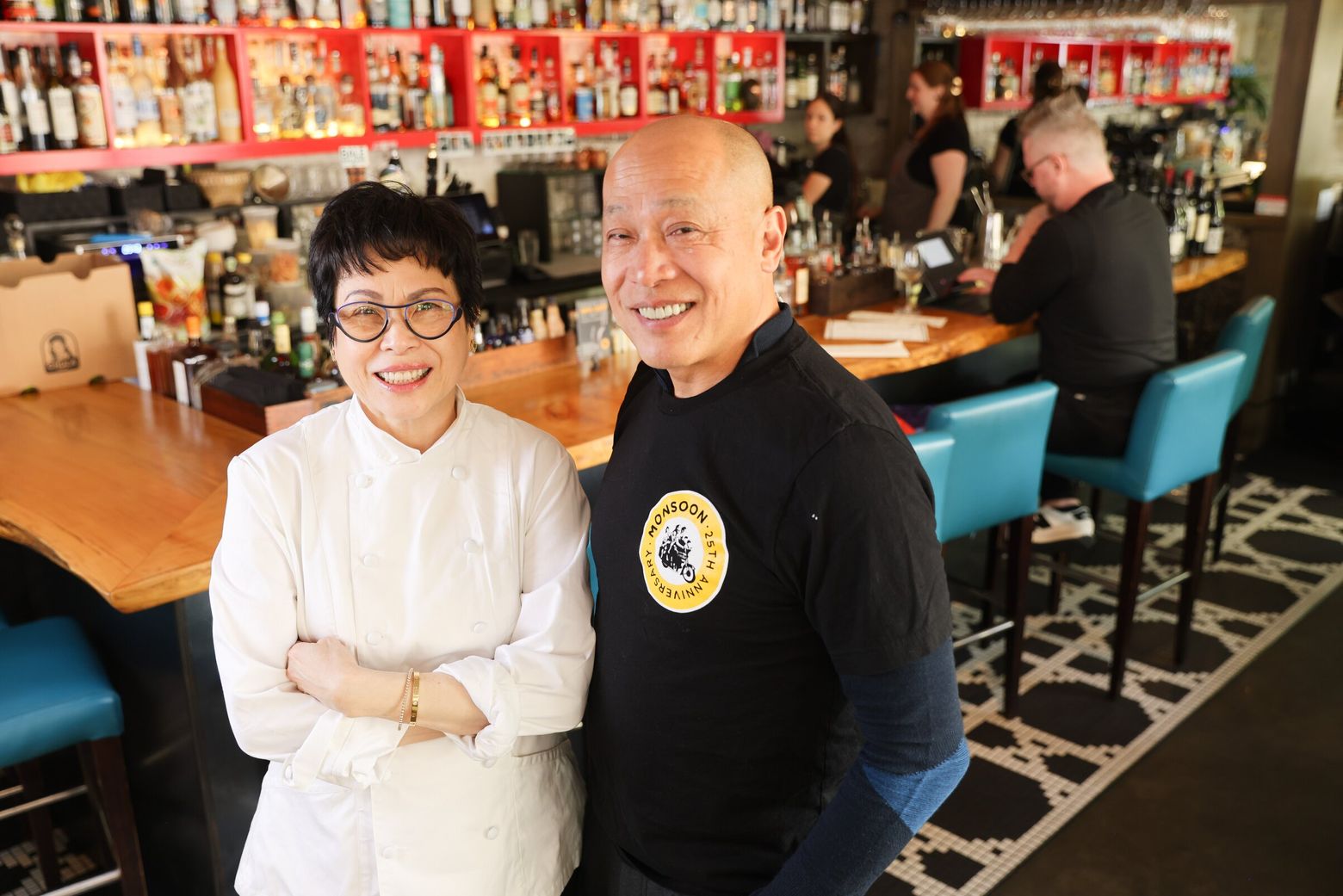
Vietnamese families opened small cafés right on the ground floors of their homes. Not because it was easy—starting up was extremely difficult, because they had to understand American laws, find money, and learn how to explain things to customers. But they had one important skill down to perfection: cooking food that warmed the soul.
The Girl With a Notebook
Among those families was a little girl—let’s call her Linh, as many Vietnamese girls were called at the time. She was about your age now. Linh was born in Seattle, so she spoke English just as well as Vietnamese. That made her a real treasure for her entire family.
Every morning before school, Linh would sit beside her grandmother and help rewrite the menu. Her grandmother would dictate the names of the dishes in Vietnamese, and Linh would figure out how to explain them in English so that American neighbors understood—and didn’t feel afraid. For example, “pho” wasn’t just “noodle soup.” Linh would write in her notebook: “This is the soup Vietnamese people eat for breakfast the way you eat oatmeal—only it’s hot, fragrant, and it has delicate rice strands and tender meat floating in it.”
The archives of the Vietnamese Community of Washington have preserved memories of children like these who served as translators. They said their main job wasn’t simply to translate words, but to explain an entire world. Why do people eat soup in the morning? Because it gives you strength for the whole day. Why chopsticks, not a spoon? Because that way it’s easier to pick up the noodles. Why so much greenery? Because each little leaf adds its own flavor—and you get to decide what your soup tastes like today.
Those small explanations worked real magic. Neighbors who used to be afraid to step into a strange café suddenly realized that nothing here was quite as foreign as it seemed. It was just another story about the same things—warmth, family, and breakfast together.
How Food Changed an Entire Neighborhood
Researchers at the University of Washington, who studied the history of Seattle neighborhoods, noticed something surprising. Areas where Vietnamese cafés opened began to “come alive.” People came to eat, stayed longer, talked with the owners, and got to know one another. Empty storefront windows next to the cafés gradually filled up with new little shops. The streets became busier.
One such neighborhood was the area along Rainier Avenue in South Seattle. In the 1980s, there wasn’t much going on there. But once Vietnamese families arrived with their cafés, bakeries, and small grocery stores, the neighborhood started to change. Local residents recall how the smell of fresh bánh mì—that Vietnamese baguette with fillings—became as familiar to them as the smell of coffee.
“We didn’t understand their language, and they didn’t understand ours. But we all understood the taste of good food,” one longtime resident said in an interview with the local paper The Seattle Times in the 1990s.
Food turned out to be the language you didn’t have to learn. It was like writing without words: you take a bite, close your eyes, and you understand that someone really tried to make things delicious for you. And when someone tries for you, that’s already the beginning of friendship.
A Story That Doesn’t End
More than forty years have passed. Those little girls and boys who once helped their grandmothers translate menus are now grandparents themselves. And their grandchildren and great-grandchildren still run cafés in Seattle—sometimes in the same buildings, just with new signs and beautiful photos of dishes on the menu.
Today, you can find pho in every part of Seattle. It’s prepared in upscale restaurants and in small hole-in-the-wall spots; it’s taken to work in thermoses and eaten for lunch in school cafeterias. Vietnamese food has become part of Seattle life the same way coffee or apple pie has.
But most importantly, it’s not just about soup and noodles. Most importantly is what happened between people. The children who translated menus taught an entire city not to be afraid of the unfamiliar. They showed that if you explain something with a smile and patience, the unfamiliar becomes familiar. The refugees who arrived with almost nothing gave the city more than new flavors—they gave it new friends.
And somewhere in Seattle’s archives, those yellowed scraps of paper with children’s handwriting still lie around—those very notebooks where the little translators explained what pho is. Small notes about a big friendship.