Imagine a city where the streets were so steep that horses couldn't pull wagons uphill. People were exhausted from climbing on foot, and in winter the slippery slopes were downright dangerous to walk. That was Seattle in the late 19th century — a city on hills where every walk became an adventure. Engineers then came up with something surprising: streetcars that didn't propel themselves but gripped a huge rope hidden deep underground. The system worked like magic, yet few today remember that it was Seattle's first public transit.
A rope as thick as a grown man's arm
In 1888 the first cable car in Seattle appeared on Yesler Street. It wasn't an ordinary tram with overhead wires — it was a completely different technology. Deep beneath the roadway, in a special tunnel, ran a steel rope more than eight centimeters thick. It was turned by a huge steam engine housed in a power station and ran day and night. The rope moved at roughly 15 kilometers per hour — not fast, but for the time it was a marvel.
The streetcar driver (called the "gripman") operated a special mechanism that reached through a slot in the road and gripped that underground rope. When you wanted to go, you gripped harder; when you needed to stop, you released. It sounds simple, but it required enormous skill. One driver recalled: "You had to feel the rope as if it were a living thing. Grab too sharply and the mechanism would break. Let go at the wrong moment on a hill and the car would roll backward."
The most surprising thing was that the rope ran without stopping. Even when all the cars were at the end of the lines, it kept moving underground, waiting for someone to grab it again. Seattleites said that if you pressed your ear to a street grate you could hear it whispering in the dark.
The day the rope grew tired
Cable cars seemed reliable, but they had one big problem: if the rope broke, the whole city stopped. And that happened more often than people liked. The steel strands wore out, especially where the rope ran around special sheaves underground. Workers went into the tunnels every night with lanterns to inspect every inch.
But the most dramatic story occurred in the winter of 1891. One car was climbing a particularly steep section of Yesler Street when the grip mechanism suddenly failed. The driver fought to apply the handbrake, but the car full of passengers began to slowly slide backward on the icy road. People inside screamed. Fortunately, an experienced conductor ran out and jammed wooden blocks — which they always carried for such emergencies — under the wheels. The car stopped just a few meters from the intersection.
After that incident newspapers wrote: "Our brave cable cars conquer the hills, but sometimes the hills try to get the last laugh." City officials wondered: wasn't there a safer way?
When electricity arrived and chased out the rope
By the early 1900s a new technology had arrived worldwide — electric streetcars. They drew power from overhead wires and didn't rely on underground ropes. They could go faster, stop more smoothly, and most importantly — if one car broke down, the others kept running. For a rapidly growing Seattle building new neighborhoods, this was an ideal solution.
Gradually the cable lines were replaced with electric ones. The last cable car in Seattle ran its route in 1940. Workers hauled miles of steel rope out from under the streets — it was so heavy they transported it by truck. The tunnels where it ran were sealed or converted into underground conduits for pipes and cables.
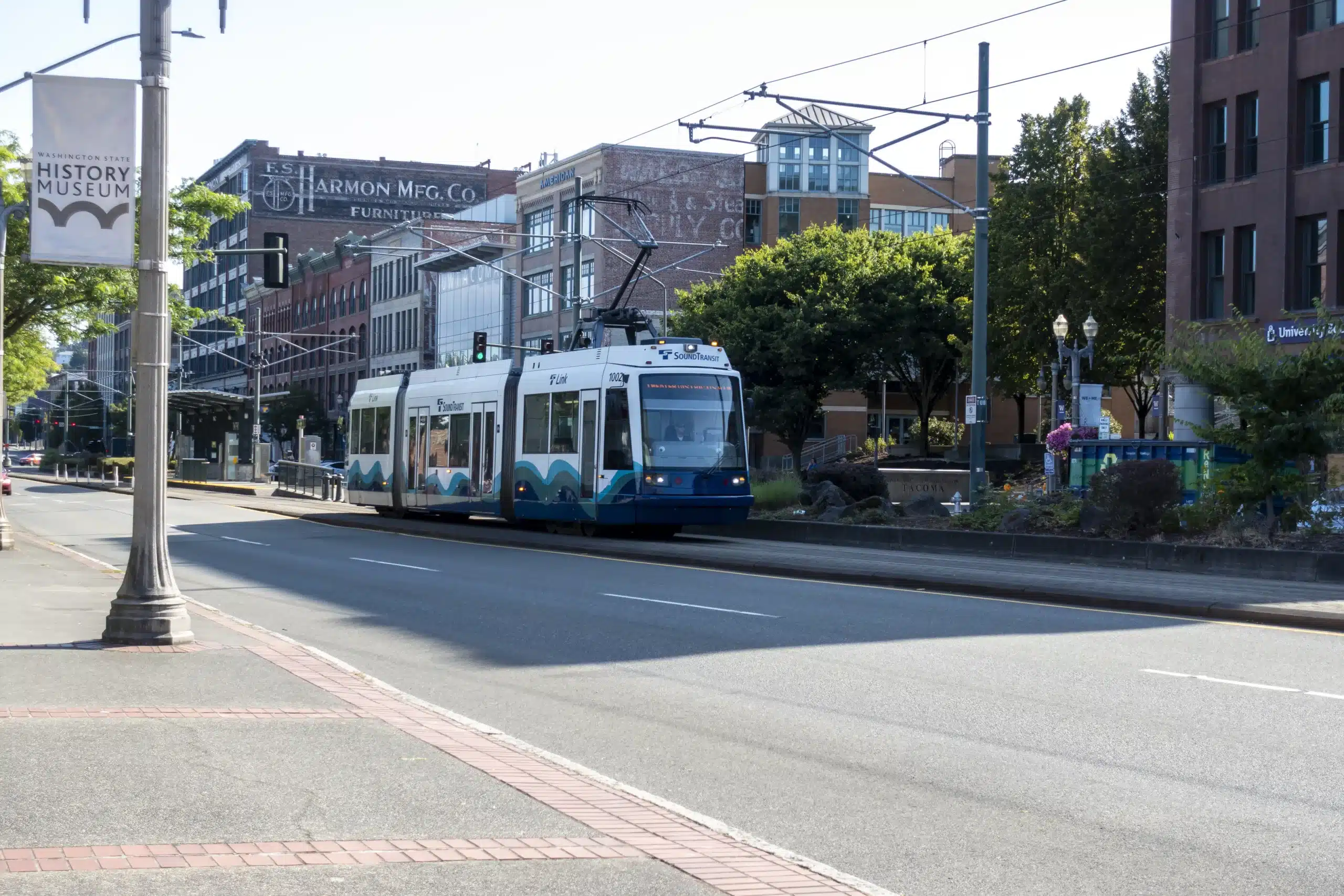
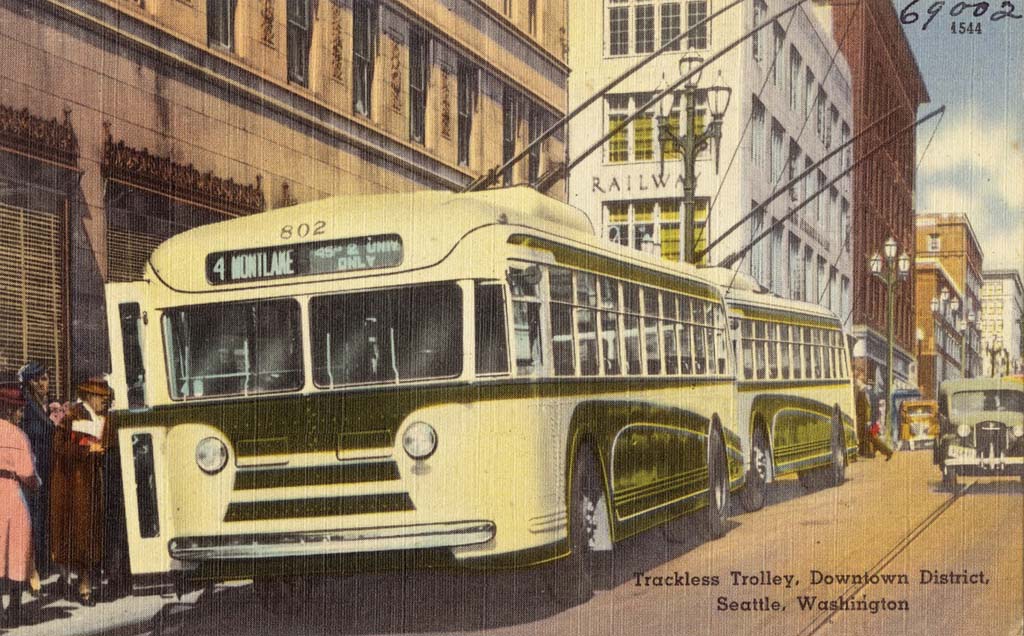
Interestingly, the electric streetcars themselves disappeared from Seattle by 1941 — replaced by buses. But that's another story, connected to how automotive companies wanted everyone to drive and buy gasoline. Only in the 21st century did Seattle start building streetcars again, having realized they are more convenient and environmentally friendly than buses.
What's left of the secret rope
Today the Museum of History & Industry in Seattle houses an actual cable car — wooden, with polished brass handrails. Beside it lies a piece of the steel rope that once ran beneath the streets. If you look closely you can see how tightly the metal strands were wound — engineers made the rope to withstand the weight of several cars at once.
Some long-time residents still remember their grandparents' stories about riding those cars to school. One elderly woman recalled: "My grandmother said it was cold in the car in winter, but what a view from the hill! All of Elliott Bay, the ships, the distant mountains. She said it felt like flying."
The story of Seattle's cable cars teaches us an important lesson: even the smartest inventions eventually become obsolete, and that's okay. The secret underground rope was a brilliant solution for its time, but when something better came along the city wasn't afraid to change. And who knows — maybe in a hundred years people will look at our buses and cars with the same wonder we now feel toward that remarkable underground rope.