In 1973, Seattle passed a law that many people thought was strange—and even wasteful. The rule was simple: whenever the city spent money on construction—building a new school, bridge, library, or park—then it had to set aside one percent of that amount for art. One cent out of every dollar. Not more. Not less.
Many residents shrugged and asked, “Why spend money on paintings and sculptures when the city already has enough problems?” But years passed, then decades—and it turned out that this tiny percentage became one of Seattle’s smartest investments.
One Cent Out of Every Dollar
Seattle’s program is called “1% for Art” (“One Percent for Art”). It means that part of the budget for eligible public construction projects is reserved for public art—art that people can see in everyday life, not only behind museum walls.
The idea was even more surprising because Seattle was going through a hard time at the beginning of the 1970s. The big employer in the region, Boeing, laid off tens of thousands of workers. People moved away to find jobs, and the city felt emptier and more worried. Some city leaders argued that spending money on art was “frivolous” while the economy struggled.
But the city decided to take a chance anyway: maybe beauty could help a neighborhood stay alive, and maybe art could give people a reason to return.
What Grew From One Small Rule
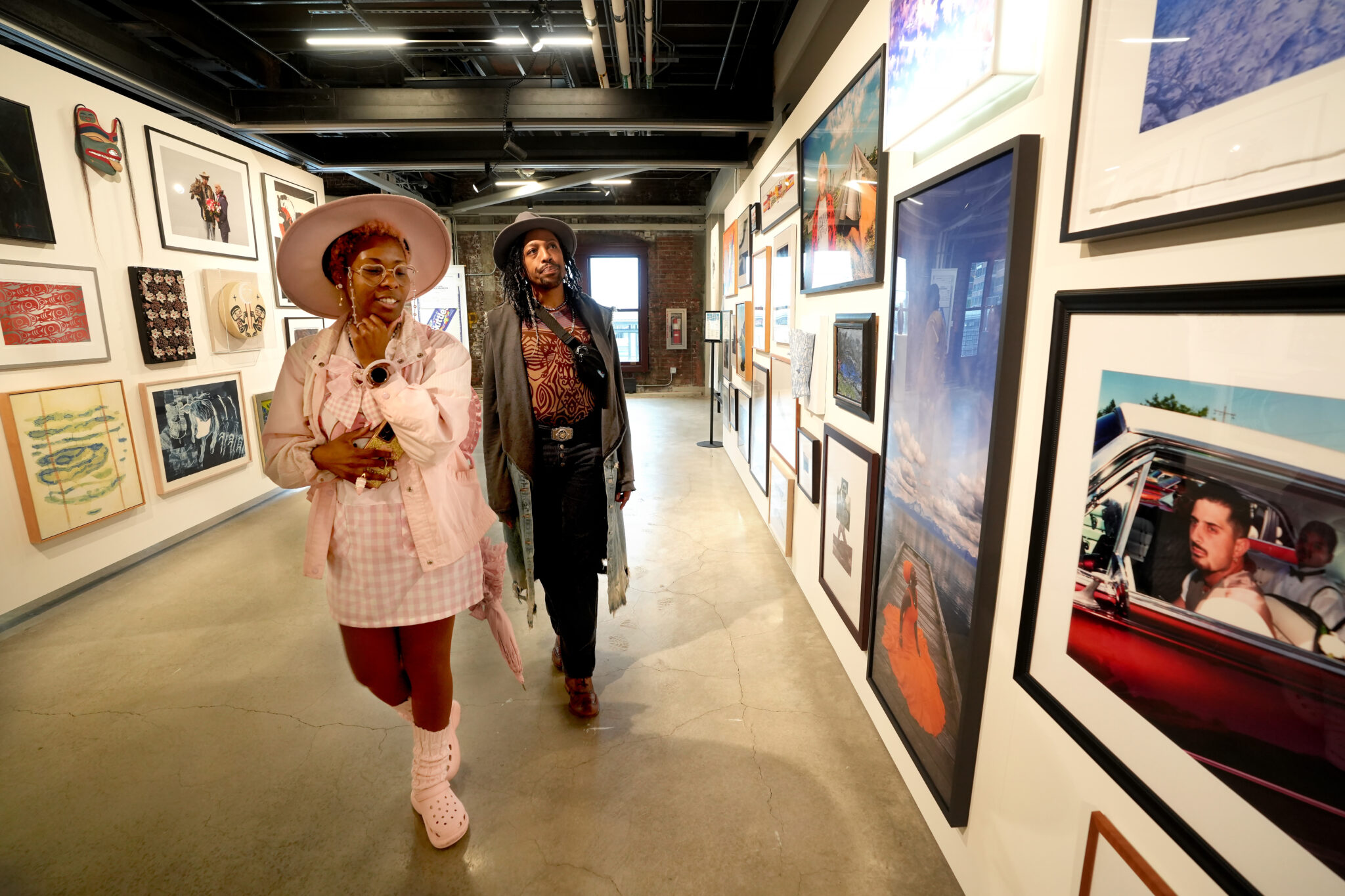
Over the following decades, hundreds of artworks appeared across Seattle—sculptures, mosaics, murals, and installations. They aren’t locked away. You can meet them on sidewalks, in parks, in libraries, near bus stops, and in public spaces.
A big part of why this program matters is that artists are chosen through a competitive process. That means real artists—people who might otherwise struggle to earn a living from their work—get paid to create something for the whole city. So it becomes a chain reaction:
The city builds something new → sets aside one percent → an artist creates an artwork → the artwork beautifies the neighborhood → people stop, look, and enjoy → shops and cafés nearby get more visitors → the area feels more welcoming and active.
Why Art Isn’t a Waste—It’s an Investment
At first, people often think art is just “decoration,” not something that brings benefits. But when researchers studied public art in cities, they found something surprising: public art can affect the economy over time.
Here’s an easy way to understand it. Imagine that someone installs a beautiful sculpture near your home. First, neighbors come to take a look. Then someone visits from farther away. A café opens nearby because visitors need a place to sit. Another shop follows. Over time, the neighborhood becomes more popular, and property values can rise. That means residents and businesses may bring in more revenue—and the city can use that money for more improvements.
Economists call this a multiplier effect. In simple terms, money invested in public art can return to the community in many different ways—not instantly, but gradually as people start visiting, businesses start growing, and the area becomes more attractive.
The Small Rule That Spread Around the World
One of the most remarkable things about Seattle’s program is how well the idea travelled. The law helped make “1% for Art” a model that other places wanted to copy. Similar programs were adopted across the United States and, later, even in other countries too.
The promise was easy to explain: if you’re building something for the city, make it useful and make it beautiful. One percent is not a lot. But if many construction projects all contribute that same small slice, the total change becomes huge.
Today, Seattle’s program has been running for more than fifty years. It survived economic ups and downs and many debates. Even when some people argued that the money should go somewhere else, the city continued—because over time, many residents learned to love the artworks and the energy they bring to neighborhoods.
One Small Percent—And an Whole World Around It
The story of “1% for Art” teaches an important lesson: sometimes the smallest decisions create the biggest results. One cent out of every dollar sounds almost too small to matter. But across fifty years, those tiny sums added up to hundreds of public artworks—and to thousands of moments when people pause their day and think, “Wow, that’s beautiful.”
Maybe the best part isn’t even the numbers. Maybe it’s the idea that a city can choose: we want our streets and parks to be more than just functional. We want them to feel alive and welcoming. Even if you’re only walking to the library—or waiting for a bus—you might suddenly notice art standing there, quietly making the day better.
One percent. One cent out of every dollar. Sometimes that’s enough to help change an entire city.