Imagine that your city contains real treasures—not gold or diamonds, but paintings and sculptures hidden where almost no one can see them: inside water towers, behind the doors of pumping stations, and even in underground tunnels. That is exactly what happens in Seattle. For more than fifty years, an unusual rule has caused art to appear in the city’s most unexpected places. And some of that art is now almost forgotten—along with the names of the people who created it.
The Rule That Changed the City
In 1973, Seattle officials came up with a simple but remarkable rule: whenever the city builds something large—a school, library, water facility, or even a section of road—one percent of the construction budget must be spent on creating a work of art. This is known as the “1% for Art” program.
Imagine saving money for a new toy, and your parents saying, “All right, but we’re going to spend one dollar out of every hundred on something beautiful for everyone—a painting or a statue in the yard.” That is how the rule works, only on the scale of an entire city and for more than half a century.
Seattle was one of the first cities in the United States to introduce such a rule. As a result, hundreds of works of art have appeared throughout the city over the past fifty years—in parks, schools, libraries, and along the streets.
Art That No One Sees
But here is what is surprising: not all of these works are located in places people normally visit. The city has to build not only beautiful parks, but also less romantic facilities—for example, water reservoirs, pumping stations, and treatment plants. Under the same rule, one percent of the funding for these projects also went toward art.
As a result, remarkable mosaics, stained-glass works, and sculptures appeared inside otherwise dull technical buildings. For example, works that almost no one knows about can be found inside drinking-water reservoirs and at pumping stations—simply because ordinary people do not go inside. It is as if someone painted a beautiful picture and hung it in a closet visited by only one plumber once a month.
Forgotten Artists
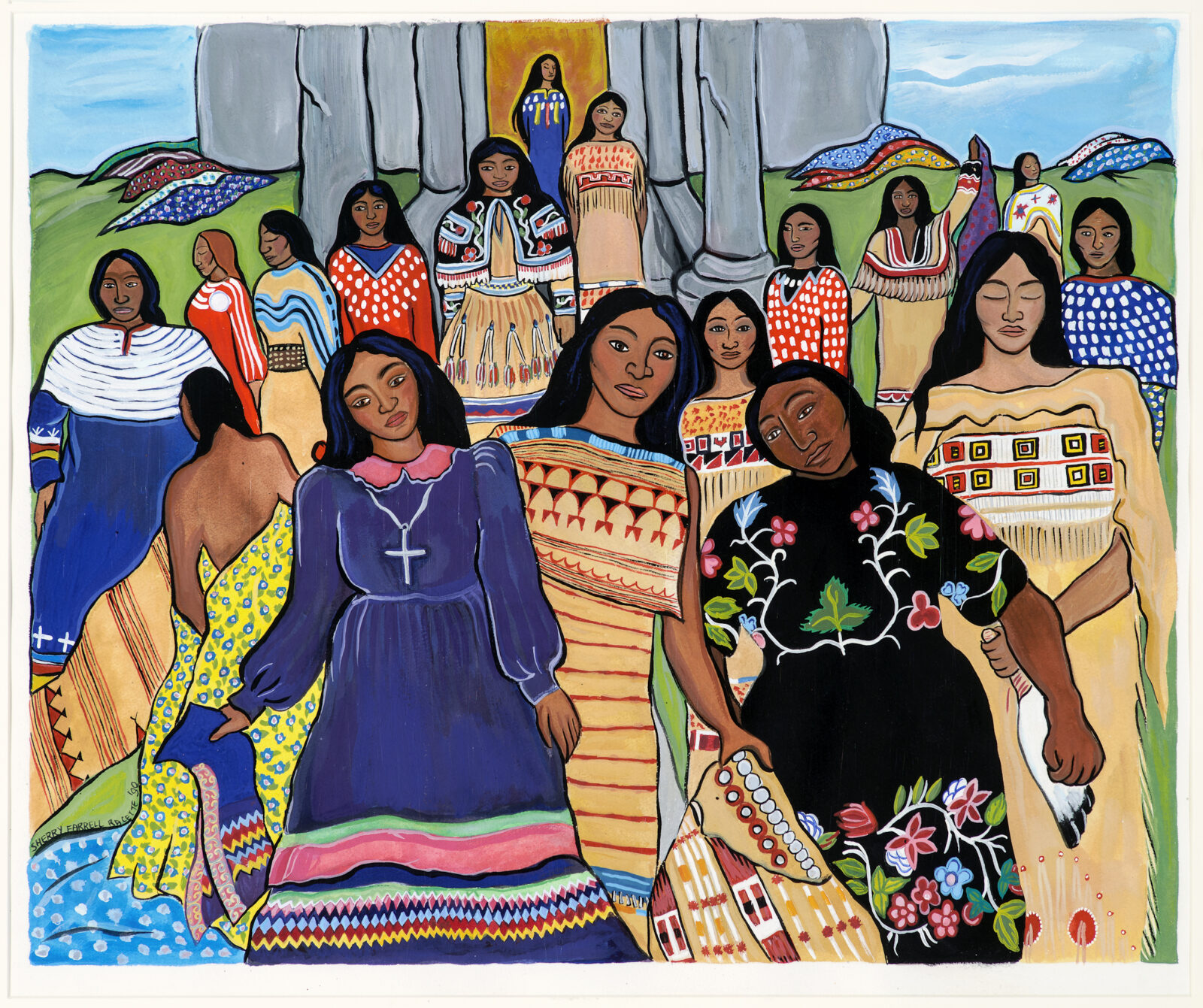
The most moving part of this story is the lives of the people who created these works. During the 1970s and 1980s, many of these projects went to Native American artists, as well as to women who found it extremely difficult at the time to break into the “high art” world—to get into museums and exhibitions. City commissions to decorate technical buildings were often almost their only opportunity to create art and earn money from it.
But that is precisely why their names have been almost forgotten today. A work may hang in a pumping station for half a century, while the artist’s name appears nowhere—not in guidebooks or art-history textbooks. In recent years, staff at the Seattle Office of Arts & Culture have begun a genuine investigation. They are searching through records, calling longtime residents, and trying to recover the names and stories of artists whose works seem to have been hidden in a time capsule.
One person involved in the program once said that discoveries like these resemble archaeological excavations—only instead of digging through soil, you dig through old files and human memory.
Why It Matters
It may seem that a mosaic in a water tower is not the most important thing in the world. But in fact, it offers an important lesson for all of us: even small, unnoticed stories deserve to be remembered. If no one had begun searching for the names of these forgotten artists, they might have disappeared forever—simply dissolving into pipes and concrete walls.
This story reminds us that sometimes the most interesting and important things are not in plain sight, but in places people rarely look. And to find a real treasure—whether it is a hoard, a secret, or someone’s forgotten story—you sometimes need only to be curious and unafraid to look where no one usually does.