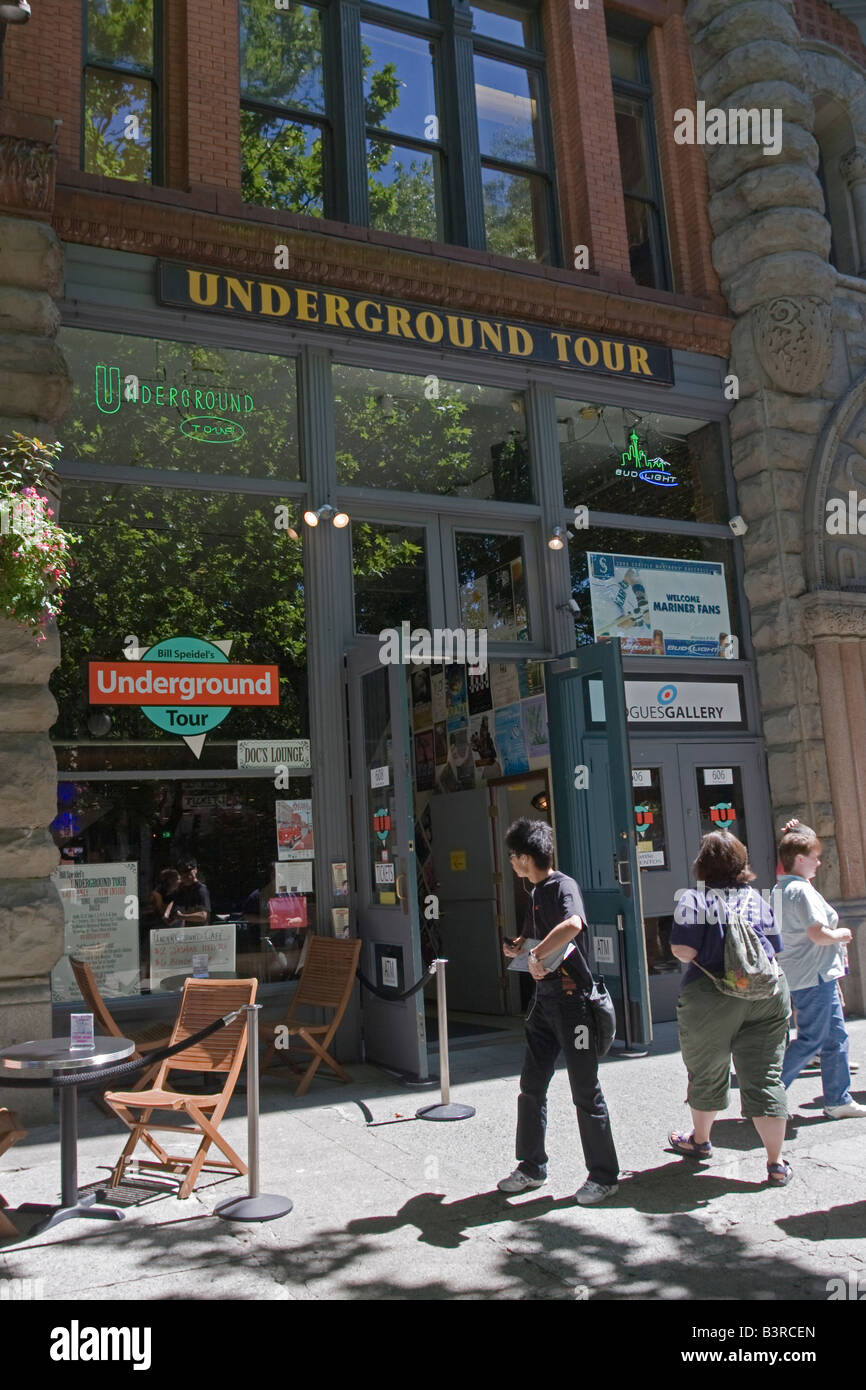
Imagine walking along a beautiful street in an old city—with brick buildings, decorative walls, and cozy cafés. Now imagine that several meters beneath your feet lies an entire street from the past, complete with real old shops, staircases, and even an old saloon once known as the “Bucket of Blood.” It sounds like fiction, but it is the absolute truth about Seattle—and the answer to this mystery is hidden underground, quite literally.
A Wild City on Muddy Streets
More than 150 years ago, Seattle looked nothing like the tidy modern city it is today. It was full of mud, wooden buildings, and working people—lumberjacks, sailors, and gold seekers who came there hoping for good fortune. One of the city’s main streets was called Skid Road; logs were literally rolled along it down to the waterfront and the sawmill.
Saloons began appearing near the street—loud establishments where workers relaxed after a hard day. Some gained frightening or humorous nicknames because of their rowdy reputations, with fights, gambling, and loud music. One such place was nicknamed the “Bucket of Blood.” This does not mean that blood actually flowed there by the bucketful—people simply enjoyed inventing frightening stories to make the place seem even more legendary. In much the same way, children sometimes tell one another scary tales about the abandoned house next door.
The Fire That Changed Everything
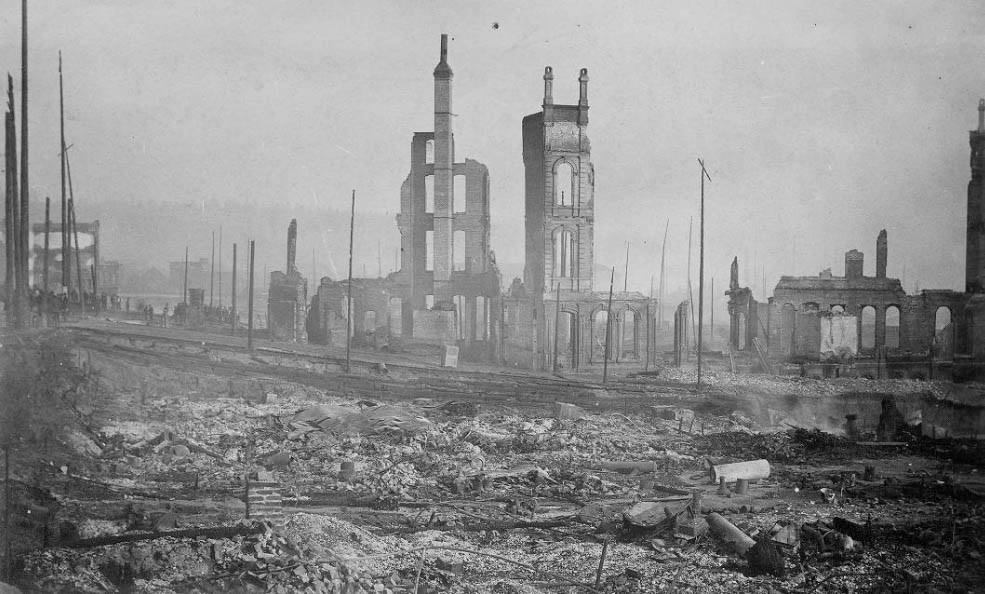
Then came an event that transformed the city’s destiny. In 1889, a massive fire broke out in Seattle. It started when a small pot of glue accidentally caught fire in a carpentry workshop, and within a few hours the flames had destroyed nearly the entire downtown area—wooden buildings, shops, and, of course, old saloons like the Bucket of Blood.
It seemed like a tragedy. But Seattle’s residents decided not merely to rebuild the city—they decided to make it better and safer.
How the City Was Rebuilt—Right Over the Old One
This is where things become most interesting. The streets of old Seattle were often flooded during high tide, with water rising directly onto the roads. So after the fire, engineers came up with a bold plan: raise the streets several meters above their previous level!
New buildings were constructed from brick and stone, making them less vulnerable to fire. Meanwhile, the old ground floors that had survived the blaze ended up looking like basements beneath the new, elevated streets. Store entrances had to be built at the new upper level, while the old lower floors were simply... left underground.
Thus, the famous Seattle Underground came into being: real old streets, sidewalks, and shop windows hidden beneath the modern pavements of the historic Pioneer Square district. This was the very area where saloons like the Bucket of Blood once bustled.
| Event | Year | What Happened |
|---|---|---|
| The heyday of saloons on Skid Road | 1870s–1880s | Noisy establishments appeared, including the legendary Bucket of Blood |
| Great Seattle Fire | 1889 | The fire destroyed downtown, including the old wooden buildings |
| Rebuilding the city | 1890s | The streets were raised, leaving the old floors underground |
| Opening to tourists | 1960s–today | The underground city became an open-air museum |
From Frightening Saloon to Beloved Tourist Attraction
Today, Pioneer Square is one of Seattle’s most beautiful and respected historic neighborhoods. It is home to art galleries, cozy cafés, and antique street lamps. Tourists come especially to descend underground and see real “frozen-in-time” streets—the same ones once walked by lumberjacks and gold seekers who stopped for drinks at places like the Bucket of Blood.
As one underground-tour guide put it: “We don’t just show people old bricks—we show them proof that a city can rise above its mistakes, quite literally.”
Why It Is Important to Remember
The story of the Bucket of Blood is more than just a funny name for an old saloon. It is a reminder that even the wildest and most unremarkable places can become part of an extraordinary history when people know how to learn from the past and build the future while respecting it. Seattle did not hide its unruly youth—it literally preserved it beneath people’s feet so that anyone could look down and see where it all began.
So the next time you walk through an old city, remember: beneath the most ordinary sidewalks, entire stories may be waiting to be discovered.