Imagine a place with the scariest name in the world: "Bucket of Blood." Sounds like something from a horror movie, right? But this story isn't about monsters — it's about how ordinary people, especially brave women, turned one of the most dangerous spots of the Wild West into a symbol of hope. And the most surprising thing: what they did more than a hundred years ago looks a lot like what's happening in our cities right now.
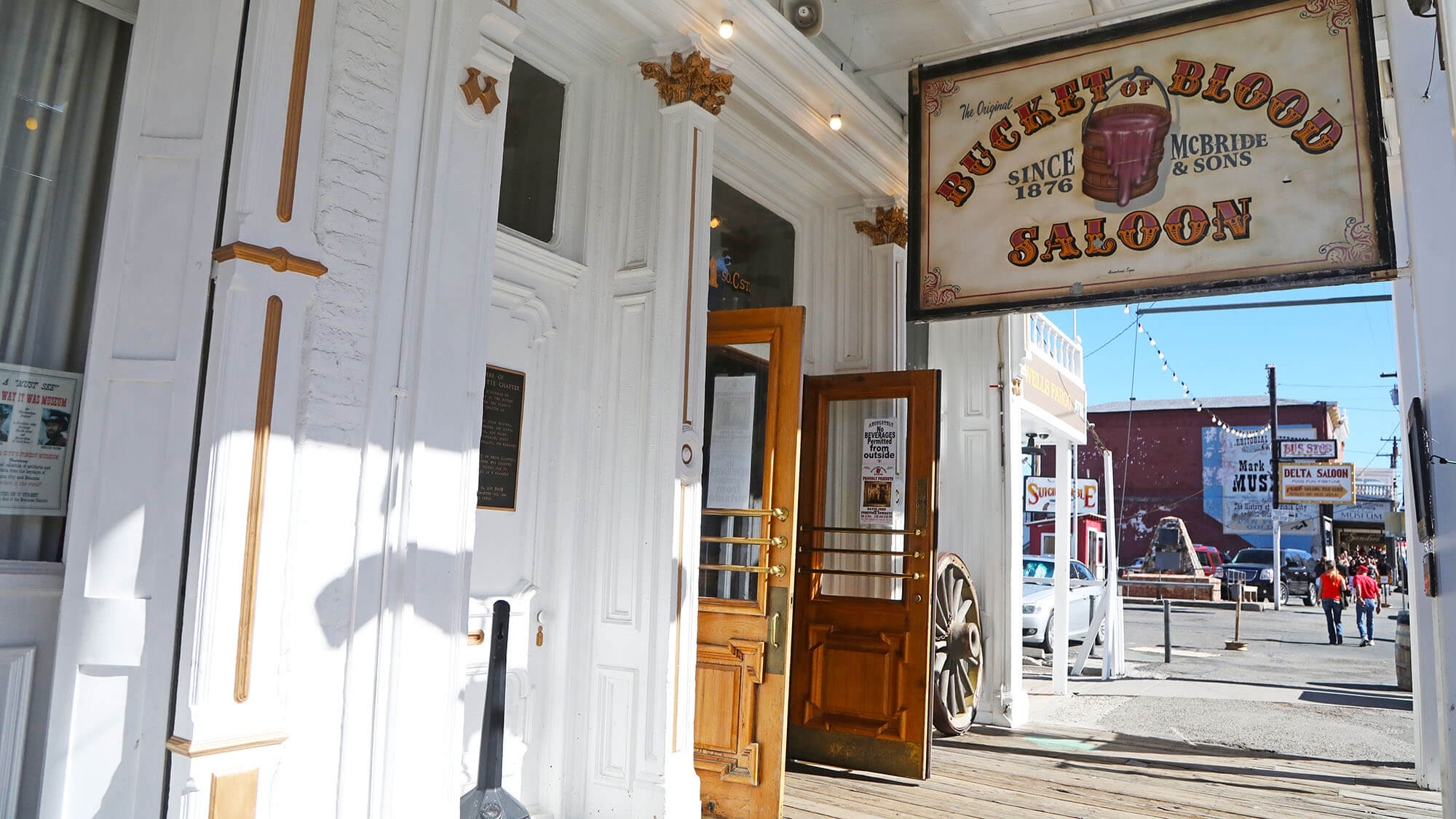
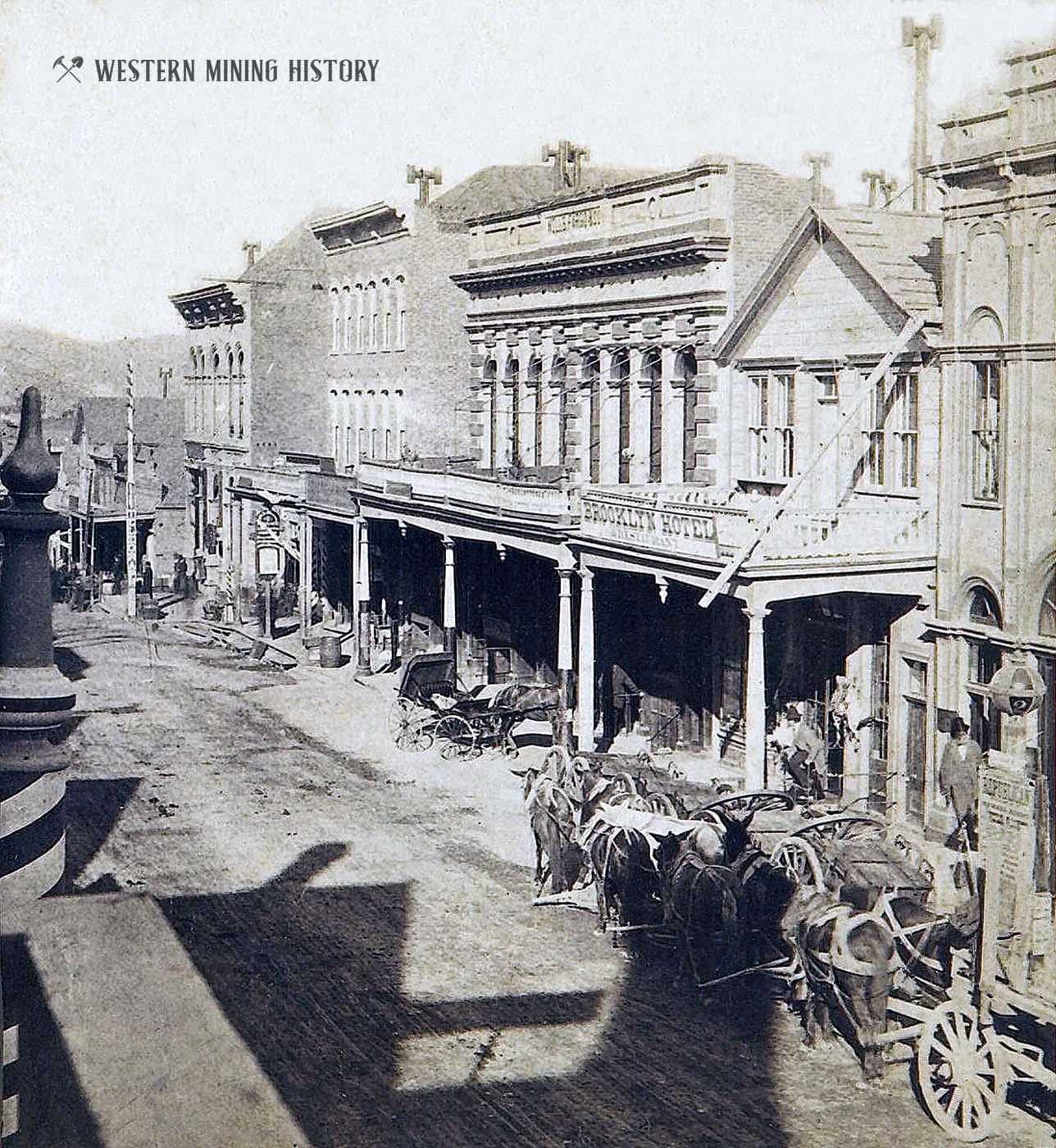
In the mid-1800s a saloon opened in the American town of Virginia City — saloons were what bars were called on the Wild West. It was named the "Bucket of Blood," and that name wasn't a joke. In those days fights were common in such places, and there really could be blood on the floor. The town was full of gold seekers — men who came hoping to get rich, and many of them didn't know how to settle disputes without fists or guns.
When people who could build homes came to town
But then something important happened. Families started arriving in Virginia City. Women, children, teachers, doctors — people who wanted not just to find gold and leave, but to build a real town to live in. And that's where the real magic began.
Women at the time didn't have the right to vote, couldn't own many types of businesses, but they had something stronger — the ability to create community. They opened schools in their own homes, held church services in tents, organized communal meals where neighbors could meet. Gradually the town began to change.
The "Bucket of Blood" saloon began to change too. The owners realized that if they wanted their business to survive, they needed to be part of the new community. They started banning fights, hired musicians to play for patrons instead of just selling whiskey. The place with the terrifying name became part of the town's cultural life.
A place that remembers its history but doesn't live in it
Today the Bucket of Blood Saloon still exists in Virginia City. But now it's not a dangerous place — it's a museum and a tourist attraction. People come to see what the Wild West looked like, hear stories, and understand how much a place can change.
Old photos and newspaper clippings that tell of its turbulent past hang on the saloon's walls. But the most interesting stories are not about fights; they're about how the town around the saloon became civilized. How women created libraries, how children went to school, how laws appeared to protect people.
The saloon's owners kept the frightening name not to scare people, but to remind them: even the toughest places can change if people want them to. It's like a scar that recalls an old wound but shows you've healed and become stronger.
Why this old story matters today
Now the most surprising thing: what happened in Virginia City is happening in cities around the world right now. Remember stories about toxic factories being turned into parks? Or dangerous neighborhoods becoming places with cafés, art studios, and playgrounds?
It's the same story! People look at a place with a difficult past and say, "We can make it better." They don't pretend bad things never happened — they remember history, but decide to build a new future.
In some cities residents turn old abandoned buildings into community centers where kids can learn to draw or play musical instruments. In others neighbors clean up trash together and plant trees where it used to be scary to walk. This is called "gentrification" or "neighborhood revitalization," and although the process can be complicated (not all residents can afford to stay in a changed neighborhood), the idea is very similar to what the women of Virginia City did: they took a dangerous place and filled it with life, culture, and hope.
There's even a movement called "Transition Towns," where people decide together what their neighborhood should be like. They organize meetings, listen to each other, and come up with projects. Just as women on the frontier built community around a shared table, modern activists build it at public gatherings.
What we can do with places that scare us
The story of the Bucket of Blood Saloon teaches us several important things. First, places are not defined solely by their past. The fact that bad things happened somewhere before doesn't mean that will always be the case.
Second, change is often started by ordinary people, not kings or presidents. The women of Virginia City had no political power, but they had the power of community — they knew how to bring people together and create new rules for living.
Third, sometimes it's useful to preserve the memory of hard times. The saloon didn't change its frightening name to something cute like "Flower Meadow." It kept the name "Bucket of Blood" so people remember where they came from and how far they've come. That's honest and wise.
Maybe in your town there's a place that seems sad or scary? An old playground no one uses? A vacant lot overgrown with weeds? Remember the saloon's story: any place can change if people come together and decide to make it better. Sometimes all it takes is starting — plant one tree, pick up one bag of trash, invite neighbors to a picnic.
Places change because people change. And every time someone turns a "bucket of blood" into a place of hope, the world becomes a little kinder.