Imagine you live in a town where the main street is not called "Main" or "Beautiful," but "The Road Where Logs Slide." Strange? But that's exactly how Seattle's story began — a city at the edge of America where huge trees learned to "fly" down a slope, and that same road later lent its name to poor neighborhoods across the country.
Henry Yesler and his slippery idea
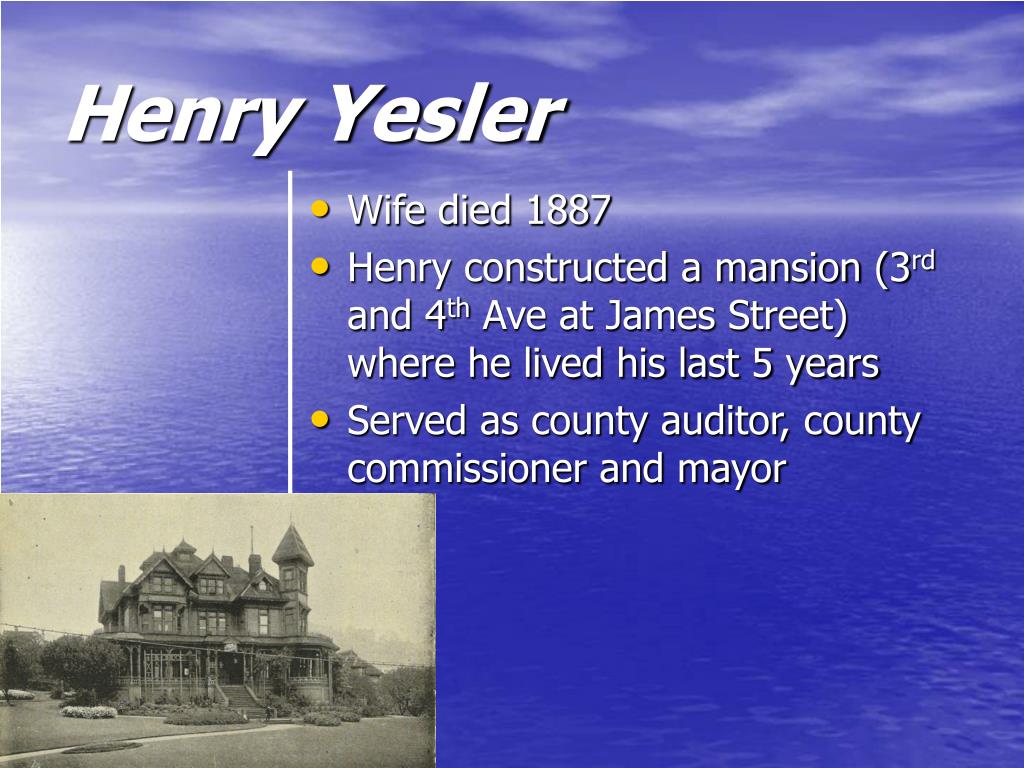
In 1852, when your great-great-great-grandmother might not yet have been born, a man named Henry Yesler arrived in Seattle. He looked at the hills covered with gigantic trees — so tall their tops vanished into the clouds — and came up with a business plan. Yesler built a sawmill (a factory where trees are turned into boards) right by the water, and he laid a special road from the hill to the mill.
But it wasn't an ordinary road. Workers placed thick logs on the ground one after another and poured animal fat and fish oil over them — to make them very slippery. When lumberjacks felled a huge tree at the top of the hill, they hitched oxen or horses to it, and the tree began to slide down that greasy road — like sledding down an icy hill in winter, except the tree weighed several tons! That road was called the "Skid Road" — the road for sliding logs.
The lumberjacks earned good money. They were strong, brave people who worked with axes and saws from dawn till dark. After work they walked down that same slippery road into town, where they spent their earnings in shops, taverns, and hotels. Skid Road became the center of life for working people — a noisy, lively street that smelled of fresh boards and the sea.
When the trees ran out
A few decades passed. Imagine: the lumberjacks worked so well and so fast that they cut down almost all the giant trees around Seattle. It's like having a box of your favorite candies and eating several every day until one day you look in the box and it's empty.
When the trees were gone, Yesler's mill began to operate less and less. Other mills closed, too. The lumberjacks, who had spent their lives only knowing how to fell trees, were left without work. They couldn't simply become teachers or shopkeepers — their hands were used to holding an axe, not a pen or scales.
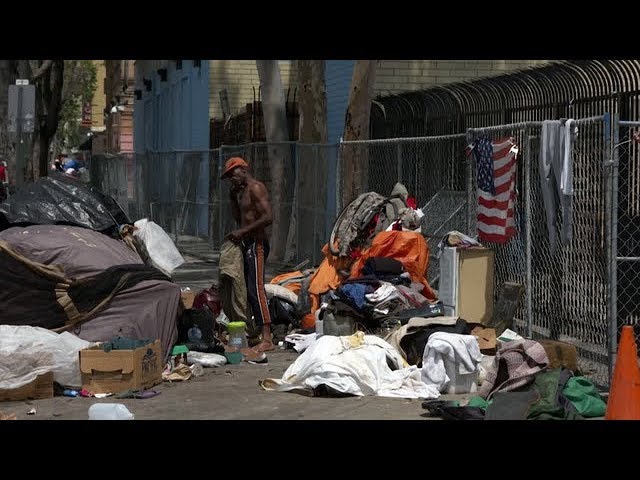
Many of these people couldn't leave Seattle — they had no money for a ticket. They stayed living on that same Skid Road, but now it was no longer a cheerful street full of working people; it had become a sad place where those who had lost jobs and hope gathered. Cheap flophouses appeared where one could sleep for a few cents, cafeterias with the simplest food, and thrift shops.
By the 1890s Skid Road had turned into a poverty district. Newspaper reporters began writing about the street as a place where "losers" and "bums" lived. It was unfair — these people were not lazy or bad; they simply found themselves in a situation where their work had disappeared along with the forest.
How one road named thousands of streets
Here the most surprising part begins. The term "Skid Road" became so well known that people started using it in other American cities. When in San Francisco or New York they wanted to describe a poor area where unemployed people lived, they would say: "It's like Skid Road in Seattle." Over time the name shifted to "Skid Row" (the word "row" means "line" and sounds similar to "road"), and that became the term for poor neighborhoods across the country.
So the road that once made Seattle a prosperous city gave its name to poverty. It's like your favorite toy that once brought you joy suddenly becoming a symbol of sadness — strange and a little sad, isn't it?
What this story tells us today
Today historians study the story of Skid Road to understand an important lesson: when a city or country earns money in only one way (for example, by cutting down forests or extracting oil), it's dangerous. What happens to people when resources run out?
Seattle remembers this story. When new big companies arrived in the city in the 1970s — first Boeing (airplanes), then Microsoft (computers), then Amazon (online retail) and Starbucks (coffee) — city officials tried not to repeat the mistake of the past. They understood that you can't rely on a single industry; you need to help people learn new professions so they can find other work if one disappears.
But even today there are neighborhoods in Seattle where poor people who lost their jobs live. Some of these districts are right next to the offices of the world's richest companies. It's a reminder that the Skid Road story hasn't really ended — it continues, just in different forms.
The road that teaches
You know what I think? The story of Skid Road is like a sad but important fable. It teaches us to care not only about how to make money today, but about what will happen to people tomorrow. It reminds us that behind every great success are ordinary people with their labor and hopes, and when we forget them, success can turn into a problem.
When you hear the phrase "skid row" in a film or book, now you'll know: it's not just the name of a poor area. It's a story about giant trees sliding down a greasy road, about strong lumberjacks who built a city, and about the importance of thinking not only about today but about the future of all the people who make our world what it is.