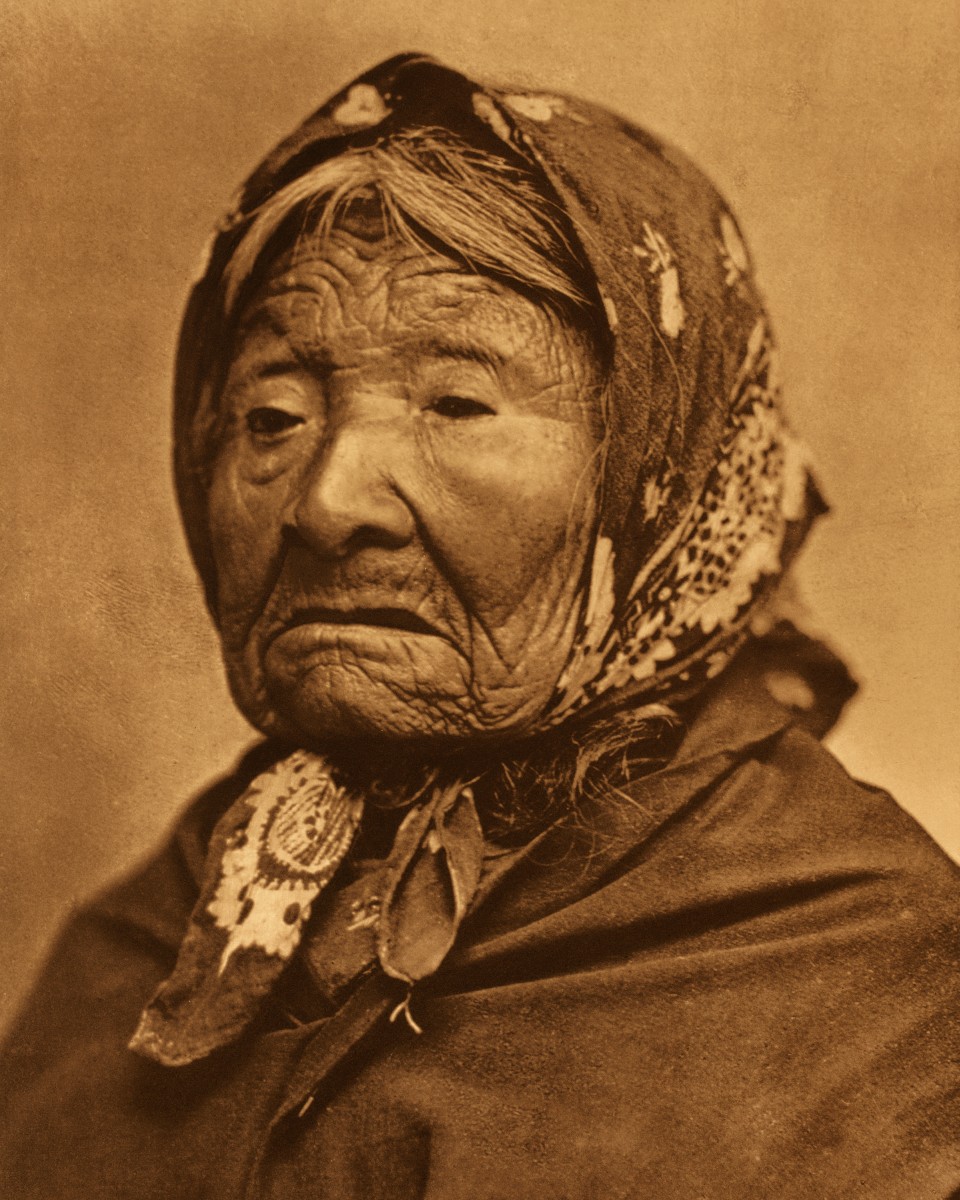
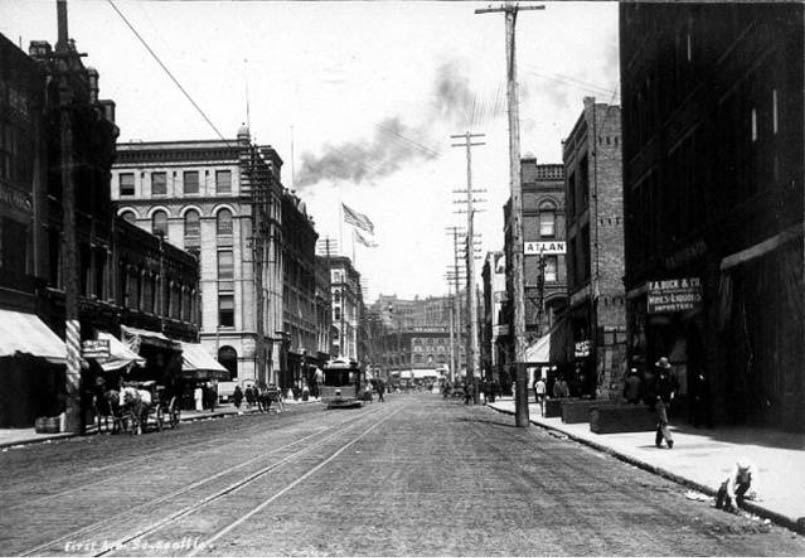
Imagine: the 1890s, the city of Seattle is growing fast, new buildings going up, and on the shore of the bay stands a small, crooked cabin. City officials want it torn down, but the elderly woman inside refuses to leave. Her name is Kikisam (Kikisomlo in the original), but the whole city knows her as Princess Angeline. She is the daughter of Chief Seattle, for whom the city is named, and she had just won the most unusual battle in the city’s history — not with weapons, but with soap, water, and friendships with people from many countries.
The chief’s daughter who chose her own path
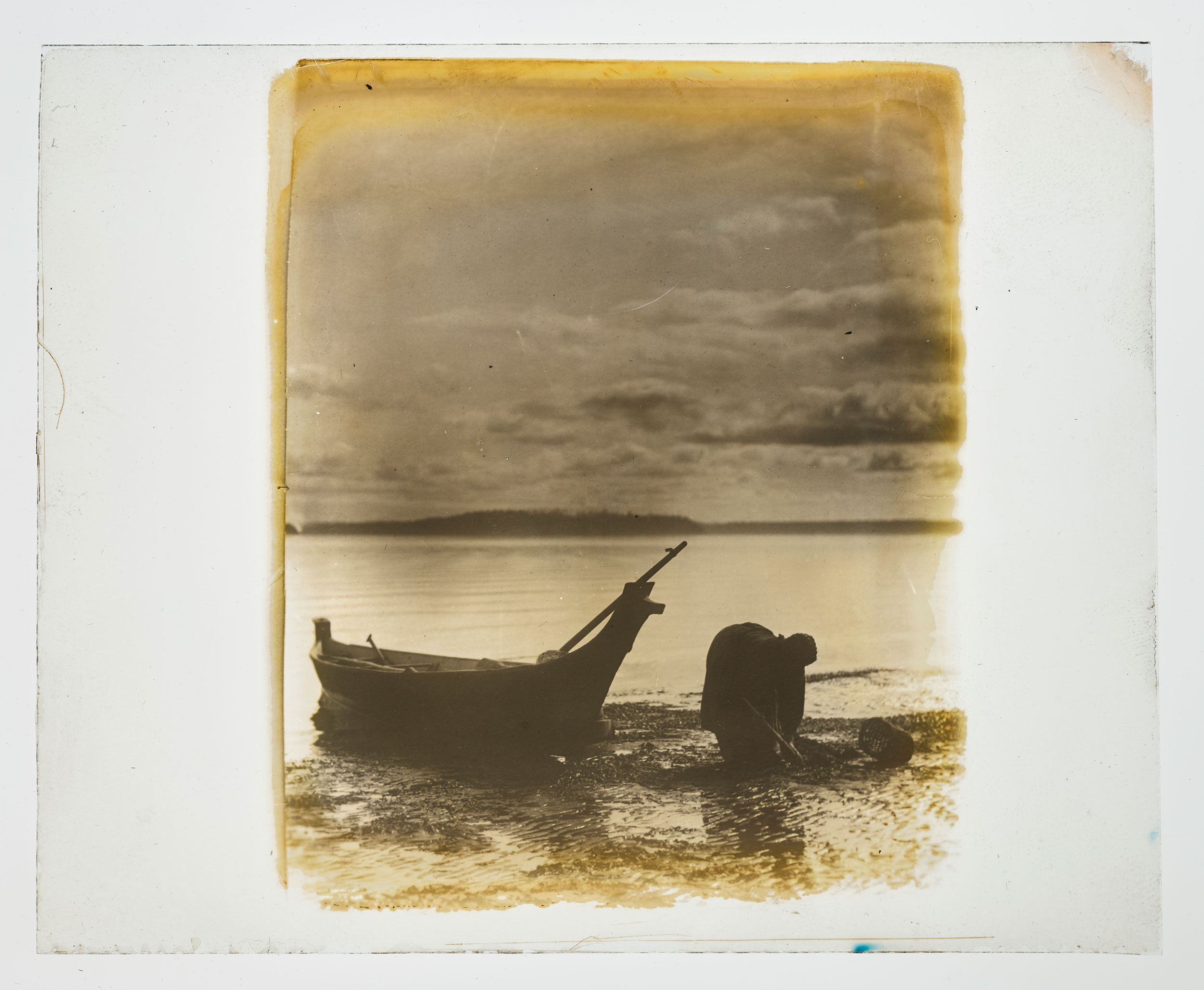
When Kikisam was about fifty, the U.S. government ordered all the Native people of the Duwamish tribe to leave their lands and move to a reservation — a place far from the city. Her father, the famed Chief Seattle, who had once helped the first settlers survive, had already died. Most of her relatives left. But Kikisam looked at her little cabin on the shore of Elliott Bay, where she had lived all her life, and said a firm “no.”
She was not wealthy and had no power. But she had a trade: she washed clothes for settler families. Every day she went to the homes of Chinese merchants, Irish laborers, Scandinavian fishermen and collected their dirty laundry. She washed it in the cold water of the bay, dried it on lines near her cabin, and returned it clean and ironed. People paid her small amounts of money, but, more importantly, they came to know her. She became their neighbor, their acquaintance, a part of their lives.
When the city came with an order
In 1891 city officials decided that the little Indian cabin spoiled the look of a growing modern city. They came to Princess Angeline with an official notice: her home must be torn down, and she must leave. Imagine — one elderly woman against an entire city government. It seemed she had no chance.
But something remarkable happened. When the news spread through the city, the immigrant families for whom she washed began to defend her. Chinese merchants, who themselves faced discrimination and unjust laws, were the first to speak up. Irish families, many of whom had fled famine in their country, knew what it meant to lose a home. Scandinavian fishermen, who had only recently arrived and were building a new life, understood the value of a place to call their own.
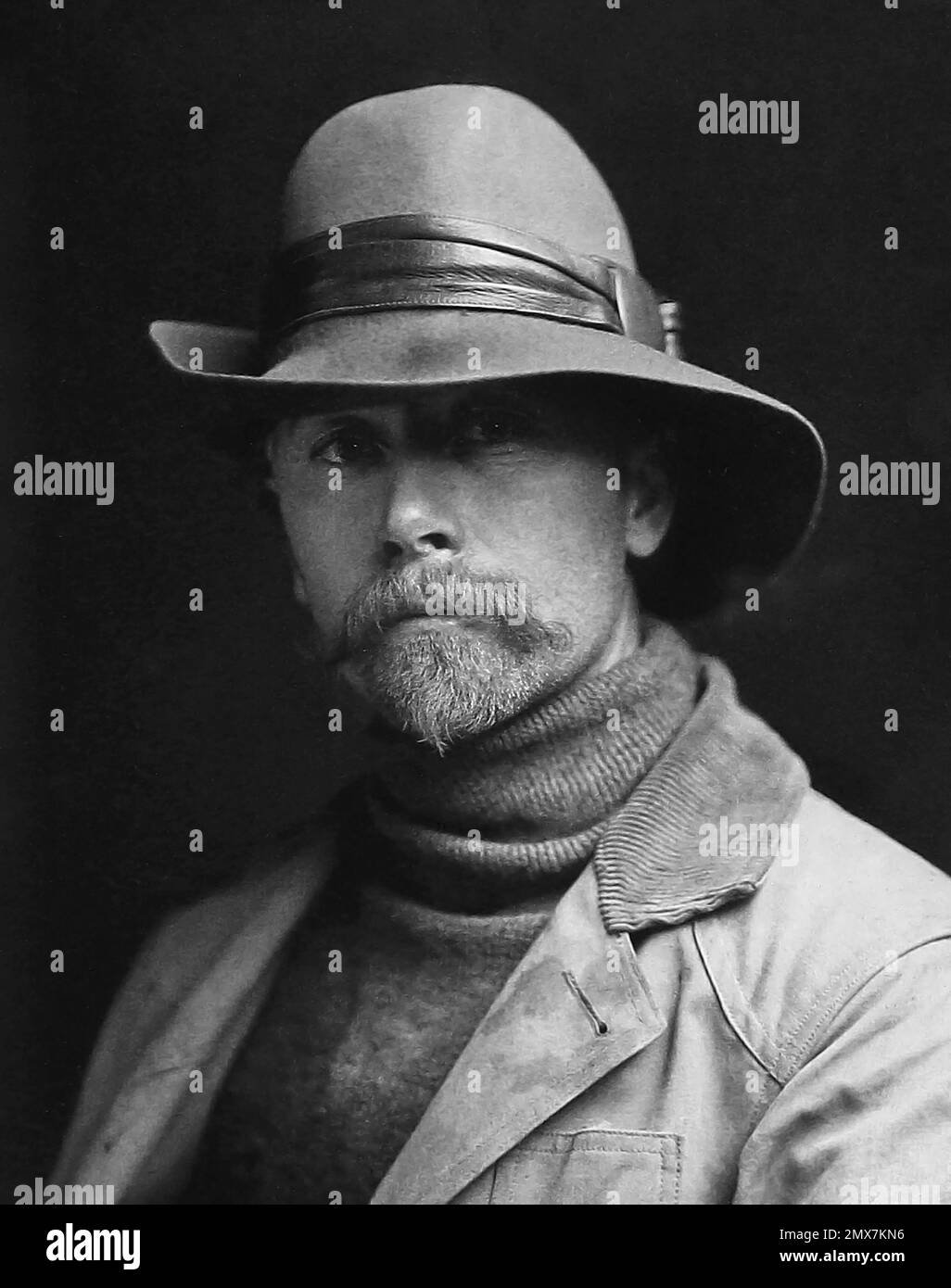
They wrote letters to newspapers. They gathered signatures. They went to city officials and said, “This woman is our neighbor. She helped us when we arrived. Now it’s our turn to help her.” Photographer Edward Curtis, who documented Native life, took portraits of Princess Angeline, and her face appeared in newspapers across the country.
The laundry as a bridge between worlds
What made Princess Angeline so special to these families? She didn’t just wash clothes — she was a living connection to the place’s history. When an Irish mother brought a child’s dress, Angeline could show which plants were used to treat illnesses if the child fell sick. When a Chinese merchant asked about the best fishing spots, she told stories of the routes salmon had taken into the bay for thousands of years.
Her cabin stood on land that had once been a large Duwamish settlement. She remembered what the shore looked like before the first wooden settler houses appeared. She knew the stories her father told about the importance of sharing land and helping one another. And she lived by those principles every day.
The immigrants who defended her themselves understood what it meant to be strangers in a new place. Many Chinese families faced laws that barred them from buying land. Irish were often denied work because of their accents. Scandinavians missed their fjords and forests. In Princess Angeline they saw not just an elderly woman but a symbol that everyone should have a place they can call home, regardless of origin.
Victory and legacy
City officials backed down. Princess Angeline remained in her cabin until her death in 1896. When she died at about eighty years old, hundreds attended her funeral — Native people, Chinese merchants, Irish laborers, Scandinavian fishermen, wealthy businessmen, and ordinary townspeople. The city that had wanted to demolish her home gave her one of the largest funerals in its history.
Today in Seattle there is an elementary school named after Princess Angeline. A monument to her stands in Lakeview Park. Her photographs, taken by Edward Curtis, are displayed in museums. But the most important legacy is the story of how people from different countries and cultures came together to protect one person’s right to stay home.
This story shows us that sometimes the most unexpected friendships are the strongest. Immigrants, who themselves sought a place in a new world, understood the struggle of a Native woman better than anyone else. They saw in her not a “problem” for a growing city, but a person deserving dignity and a home. And their support changed everything.
When you see the name “Princess Angeline” on a school or in a Seattle park, remember: it is not just a name. It is a reminder that real strength lies not in forcing someone to leave, but in defending everyone’s right to remain. And sometimes all that takes is soap, water, and good neighbors willing to stand up for one another.