Imagine all your friends and relatives had to leave your hometown forever because the grown-ups decided so. And you say one word: "No." And you stay. That's what the chief of Seattle's daughter did — a woman named Kikisoblu, whom settlers called Princess Angeline. Her quiet stubbornness changed how an entire city remembers its history.
When "no" turned out stronger than the law
In the 1850s the U.S. government ordered all the Native Americans of the Duwamish tribe to leave the land that became the city of Seattle. They were to be sent to special reservations — places where Indigenous people were supposed to live away from the new towns. Chief Seattle, Kikisoblu's father (after whom the city is named), tried to negotiate peacefully with the settlers. But the law was the law.
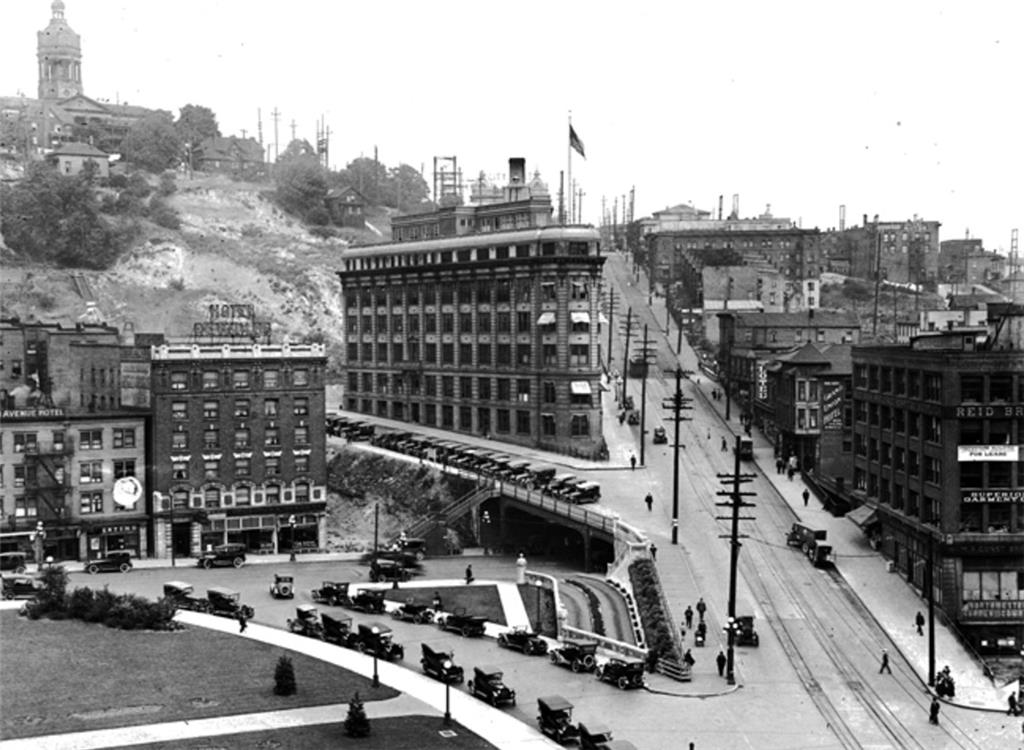
Everyone left. Except one woman. Kikisoblu built a small shack of boards and bark right on the shore of Elliott Bay, where downtown now stands. When officials came and demanded she leave, she just shook her head. She was born here, back when there were only forests and water. This land was hers long before the city appeared. And she had no intention of going anywhere.
Surprisingly, the settlers did not force her out. Maybe because she was the chief's daughter, whose name their city bore. Or perhaps because they saw something special in her.
The shell queen and basket maker
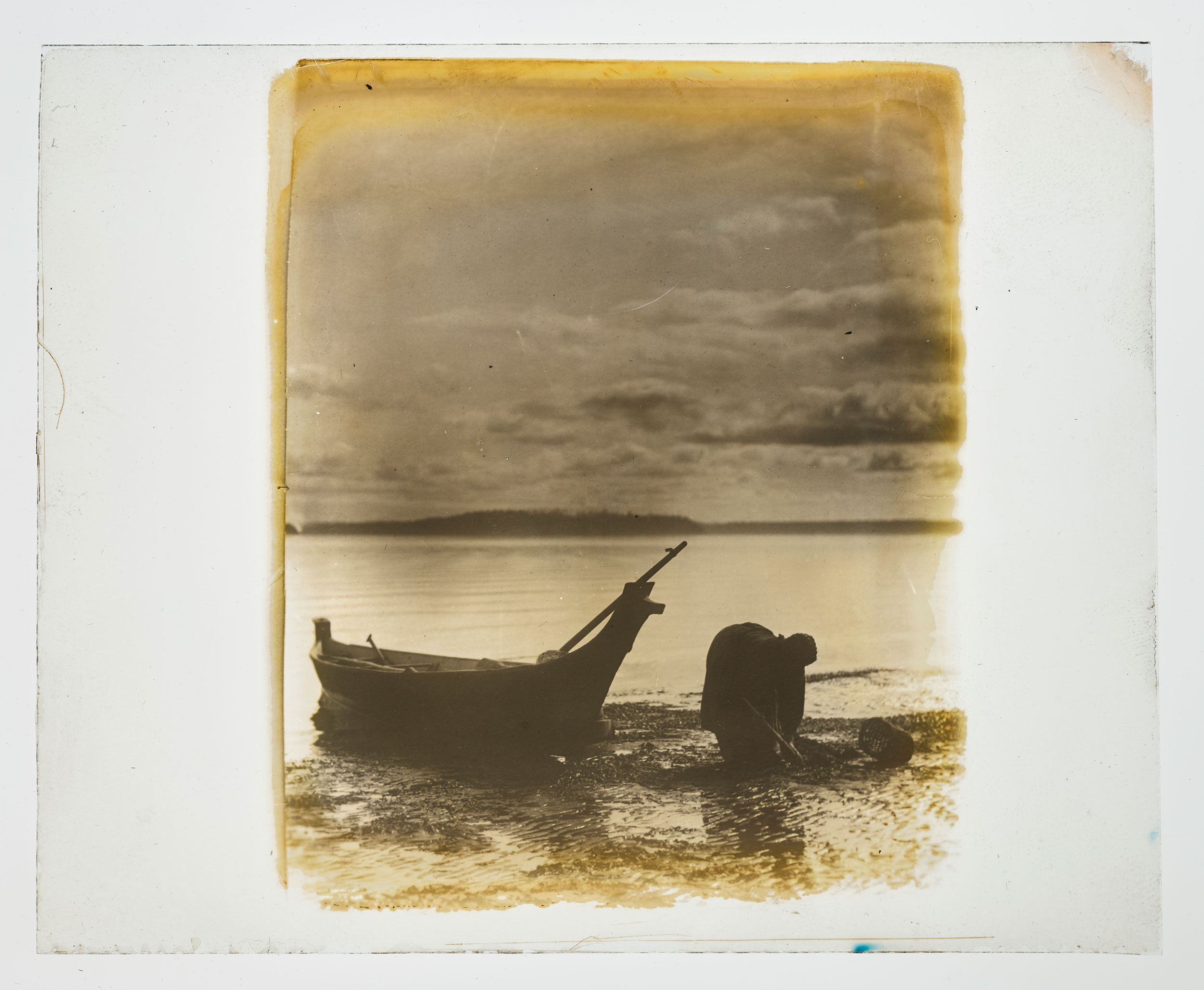
Every morning Princess Angeline went down to the shore to gather shellfish — shells with meat inside you can eat. She knew every rock, every sandbar where the best shellfish hid. Then she walked the streets of the new town and sold them to settlers. She also wove baskets from cedar roots and grass — so sturdy they wouldn't leak even when carrying water.
Settlers began to buy not only her food but her baskets. They watched her work — back bent, hands moving fast, weaving patterns taught to her by her mother, and her mother before that. These were patterns older than any building in Seattle.
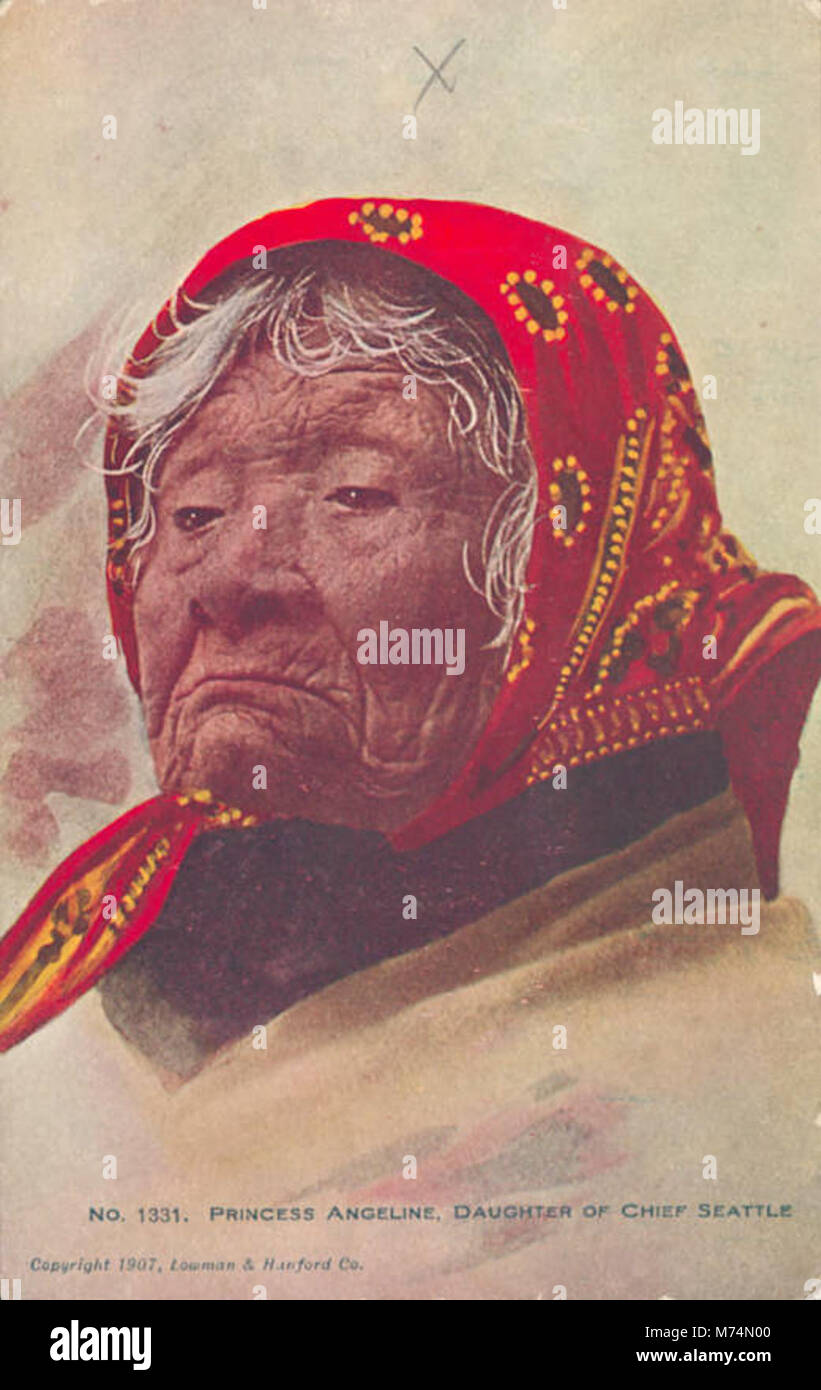
Gradually something changed. People started greeting her on the street. They brought her food when she was ill. Photographers asked her to pose (some of those photos are still kept in the Seattle museum). She became part of the city — a living reminder of who lived here first.
A cemetery where two histories met
When Princess Angeline died in 1896 at about 85 years old, something unusual happened. The settlers collected money and gave her a proper funeral. She was buried in Lake View Cemetery — the very place where Seattle's founders, wealthy merchants, and city mayors lie.
Think about it: a woman who lived in a shack on the shore, whom the law had ordered out of the city, was buried beside Seattle's most important people. A cross with an inscription was placed on her grave. It was as if the city said, "She was one of us too. She helped build this city — in her own way."
Today a new monument to Princess Angeline stands in the cemetery. People bring flowers and small gifts. Schoolchildren visit on field trips and learn her story.
A seed that grew into a tree of memory
Princess Angeline's story is like a seed she planted with her stubbornness. At first it was just one "no" from one woman. But from that seed something large grew.
Today Seattle has streets named in the Duwamish language. Museums tell the story of Indigenous peoples. Duwamish artists create sculptures for parks. Every year the city holds ceremonies honoring Chief Seattle and his people. And it all began with one woman who refused to forget who she was.
Princess Angeline taught Seattle an important thing: you can't build a good city by forgetting those who lived here before. Her quiet courage showed that sometimes the strongest weapon is simply remaining yourself and remembering where you came from. Even when the whole world tells you to leave, your "no" can change a city's future.