Imagine a small settlement on the shore of a cold northern sea. Fishermen head out into the fog every morning, their boats smelling of salt and fish, while in the evenings people speak a language unlike English in their homes. This is not Norway. It is Seattle—more precisely, the Ballard neighborhood—more than a century ago. Thousands of people came here from Norway, Sweden, and Denmark. They were looking for a home like the one they had left behind, and they found one: cold water, fish, and a chance to start over. These people built one of the city’s most remarkable engineering structures with their own hands—and, without intending to, changed nature forever.
Why Ships Needed an Elevator
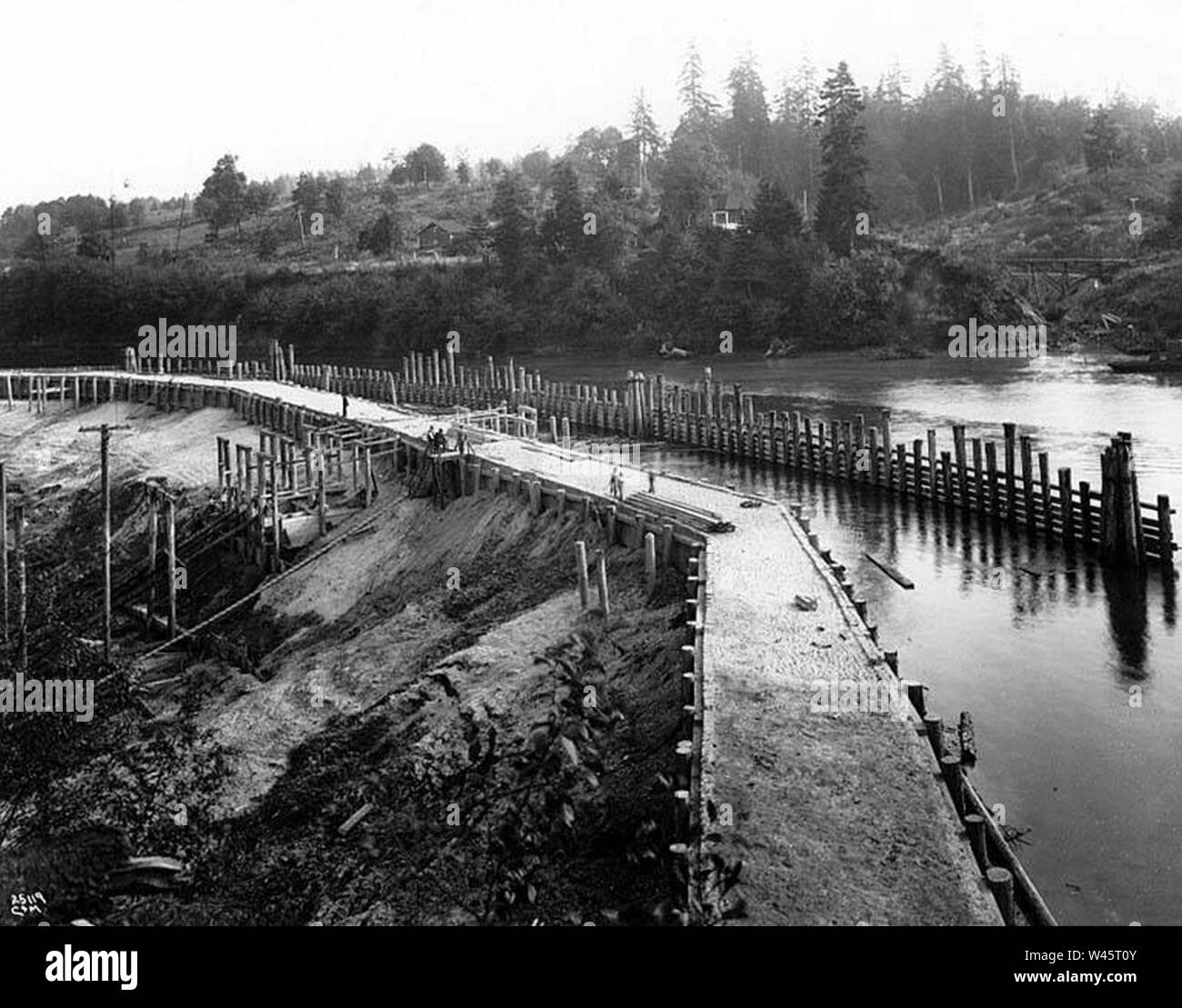
Seattle has two lakes—Lake Union and Lake Washington—and both are above sea level. Nearby is the saltwater inlet of Puget Sound. To allow ships to travel from fresh water to salt water and back, locks were built between 1911 and 1917. They are known as the Ballard Locks, or officially as the Hiram M. Chittenden Locks. A lock works like an elevator: a ship enters a special chamber, the gates close, and the water rises or falls. Then the ship is at the other level, ready to continue its journey. The locks were built largely by Norwegian and Swedish workers—skilled people accustomed to the sea, to working with wood, and to hard physical labor.
The River That Simply Disappeared
Here is a fact that is difficult to believe: when the locks were built, the level of Lake Washington fell by almost 10 feet. The city had once been crossed by an entire river—the Black River—which flowed out of the lake and had been an important part of local Indigenous peoples’ lives for thousands of years. When the water level dropped, the river… simply dried up. Completely. The Duwamish people, who had fished there for centuries, called it one of the saddest days in their history. A river that had flowed for thousands of years disappeared within a few weeks—simply because gates for ships had been built somewhere far away.
The Salmon’s Adventure and the Glass Staircase
Now for the fish. Salmon are born in rivers, then swim out to live in the ocean. Several years later, they return to the very place where they were born to spawn. It is an extraordinary journey spanning thousands of miles. But what is a salmon to do when enormous concrete locks suddenly stand in its path? Fish cannot open gates.
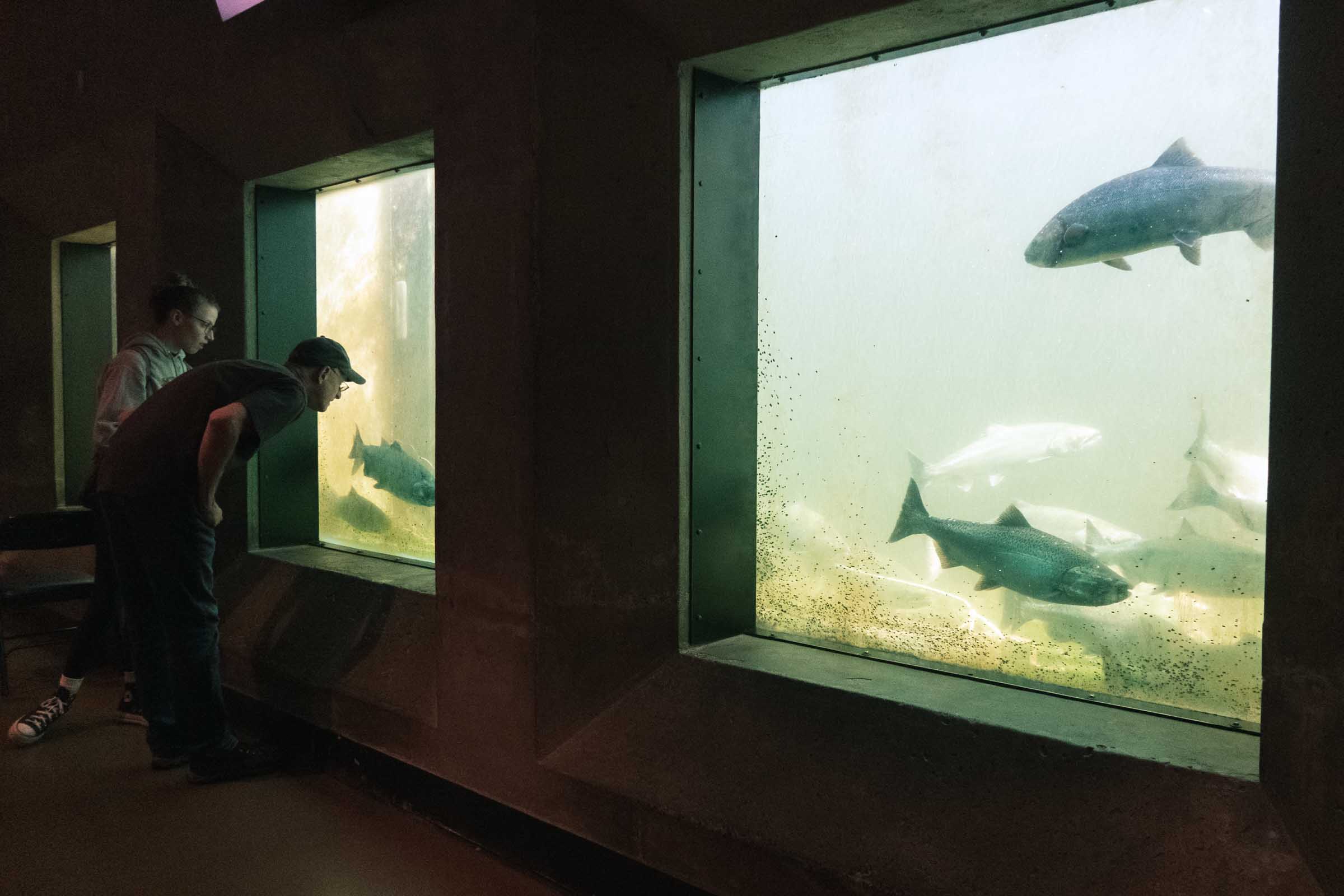
That is why a special fish ladder was built beside the locks—a series of step-like pools that salmon can climb, much like a staircase in a house, overcoming the difference in elevation through a succession of small jumps. Today, Ballard has underwater viewing windows where anyone—even you—can come and watch salmon swim past at close range, literally less than two feet away.
Here is the interesting part: the immigrant fishermen who built the locks depended on salmon themselves. Salmon were their food, their livelihood, and part of their lives in Norway and here in America. They did not want to harm the fish. It was simply that, a hundred years ago, no one fully understood how profoundly a major construction project could alter nature.
What Remains Today
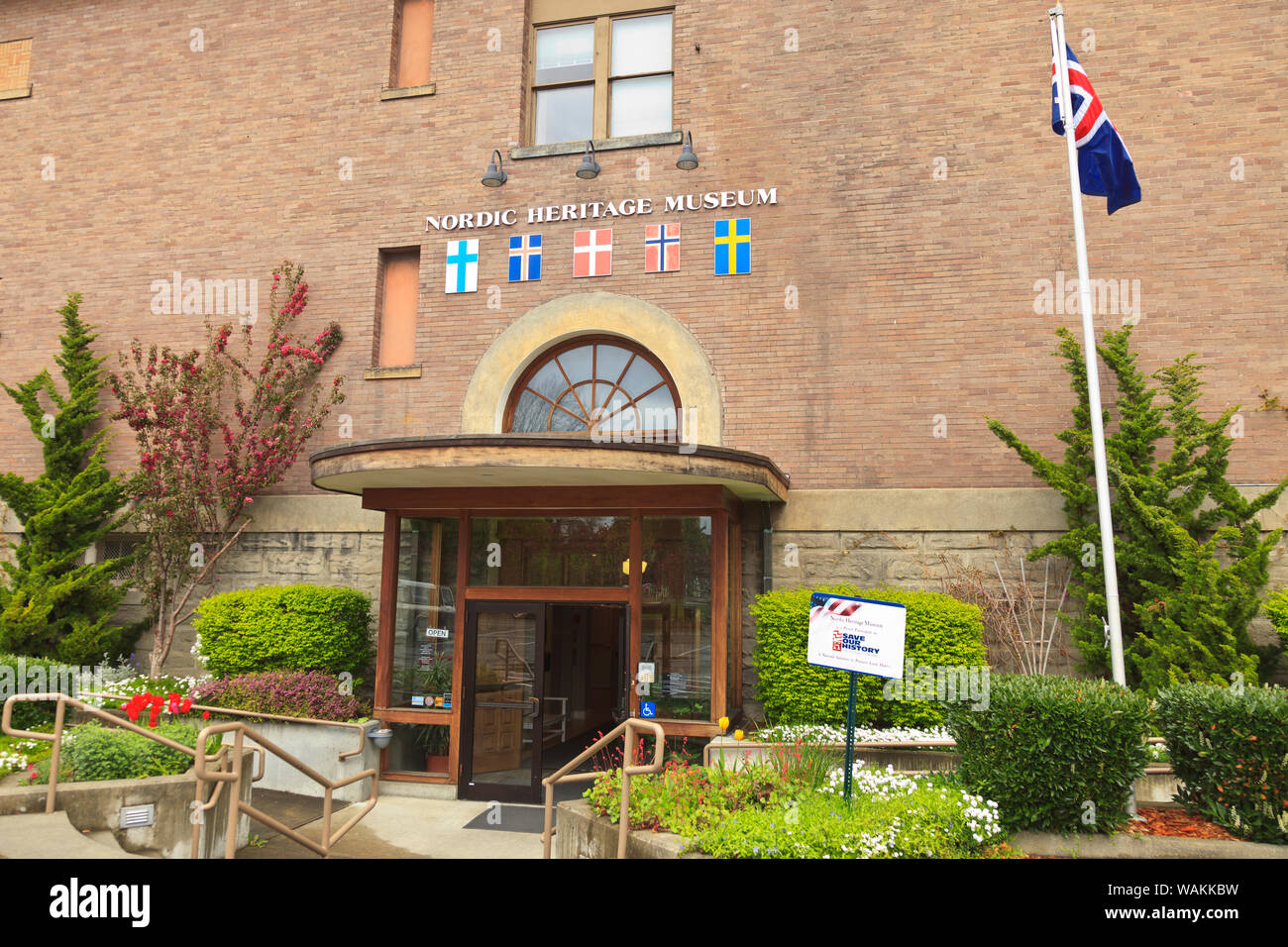
Today, Ballard is a lively Seattle neighborhood. Scandinavian festivals are still held there, a museum dedicated to the history of Norwegian immigrants is open to visitors, and the fish market and boatyards recall the first settlers. But the salmon problem remains as well: despite the fish ladder, populations of some salmon species in the area have declined, and scientists are still searching for ways to make the fish’s journey easier.
| What existed | What happened |
|---|---|
| The Black River flowed freely | The river dried up and disappeared after 1916 |
| Salmon traveled along a natural waterway | Salmon climb an artificial fish ladder |
| Immigrants built locks for ships | Their descendants now care for the environment their ancestors changed |
A Seattle historian once observed: “We rarely think about rivers that no longer exist—but every vanished river was once someone’s home.” That is certainly true of the Black River and the history of Ballard.
Why It Is Important to Remember
The story of Ballard is not simply a story about locks and fish. It is a story about how even the best intentions can lead to unexpected consequences—and how important it is to remember to repair what has been damaged. The people who arrived from a distant, cold country wanted to build a better life, and they created something remarkable: an elevator for ships. But at the same time, without realizing it, they took a home away from a river and made the fish’s journey more difficult. Today, as you watch salmon through a glass viewing window in Ballard, it is worth remembering that behind every great invention lies a whole history of choices—and a price paid by nature.