Imagine finding a note that says, “Yesterday, water suddenly flooded our yard.” But no one knows where it came from. Something similar happened to scientists studying old Japanese records. Those records helped them learn about a huge earthquake off the coast of Seattle more than three hundred years ago. Today, the story reminds city residents how important it is to build strong homes.
A mystery in Japanese chronicles
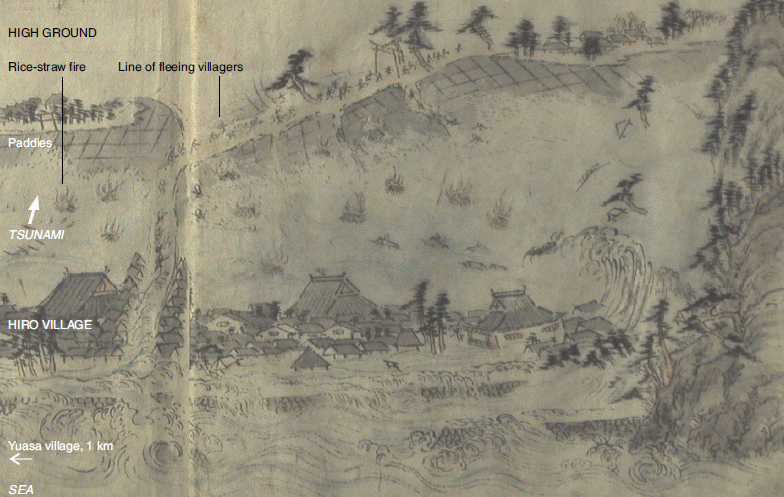
Many years ago, people in Japan recorded everything important in chronicles and family documents: how the year had gone, what the weather was like, what happened at the port. One such record said that on January 27–28, 1700, a wave suddenly surged onto the shores of several Japanese ports. It flooded rice fields and homes.
What was strange was that no one in Japan felt an earthquake on those days. Researchers called the wave an “orphan” because it had no “parents”—no one knew where it had come from. Japanese scientist Kenji Satake and his colleagues examined the records and realized that the wave had come from the other side of the ocean, from the region where Seattle and other cities of the American Northwest now stand. By calculating how long the wave would take to cross the ocean, they worked out that the earthquake had struck on January 26, 1700, at around nine in the evening local time. It was extremely powerful, measuring about magnitude 9.
The ghost forest and stories passed down by word of mouth
The Japanese story had “friends” on this side of the ocean. The first were trees. Dead cedars stand along Washington State’s coast; they are known as the “ghost forest.” The ground suddenly sank, saltwater flooded in, and the trees died. Another researcher, David Yamaguchi, counted the trees’ annual rings and found that they had stopped growing around 1699–1700. This matched the Japanese record.
The second “friends” were people. Indigenous peoples of this coast, including the Quileute and Makah, have told stories for centuries about the earth shaking and the sea rising over its shores. Their traditions carry warnings: don’t settle too close to the water, and remember the great wave. Many once dismissed these stories as mere legends, but today scientists increasingly view them as memories of real events.
That is how a picture emerged from three different sources: Japanese records, dead trees, and oral traditions. Each source on its own could not tell the whole story, but together they solved the mystery.
Why this matters for Seattle’s homes
Here’s the most practical part of the story. If a major earthquake has happened once, it can happen again. Scientists estimate that such events occur off Seattle’s coast every few hundred years. That’s why engineers work to build structures that can withstand powerful shaking.
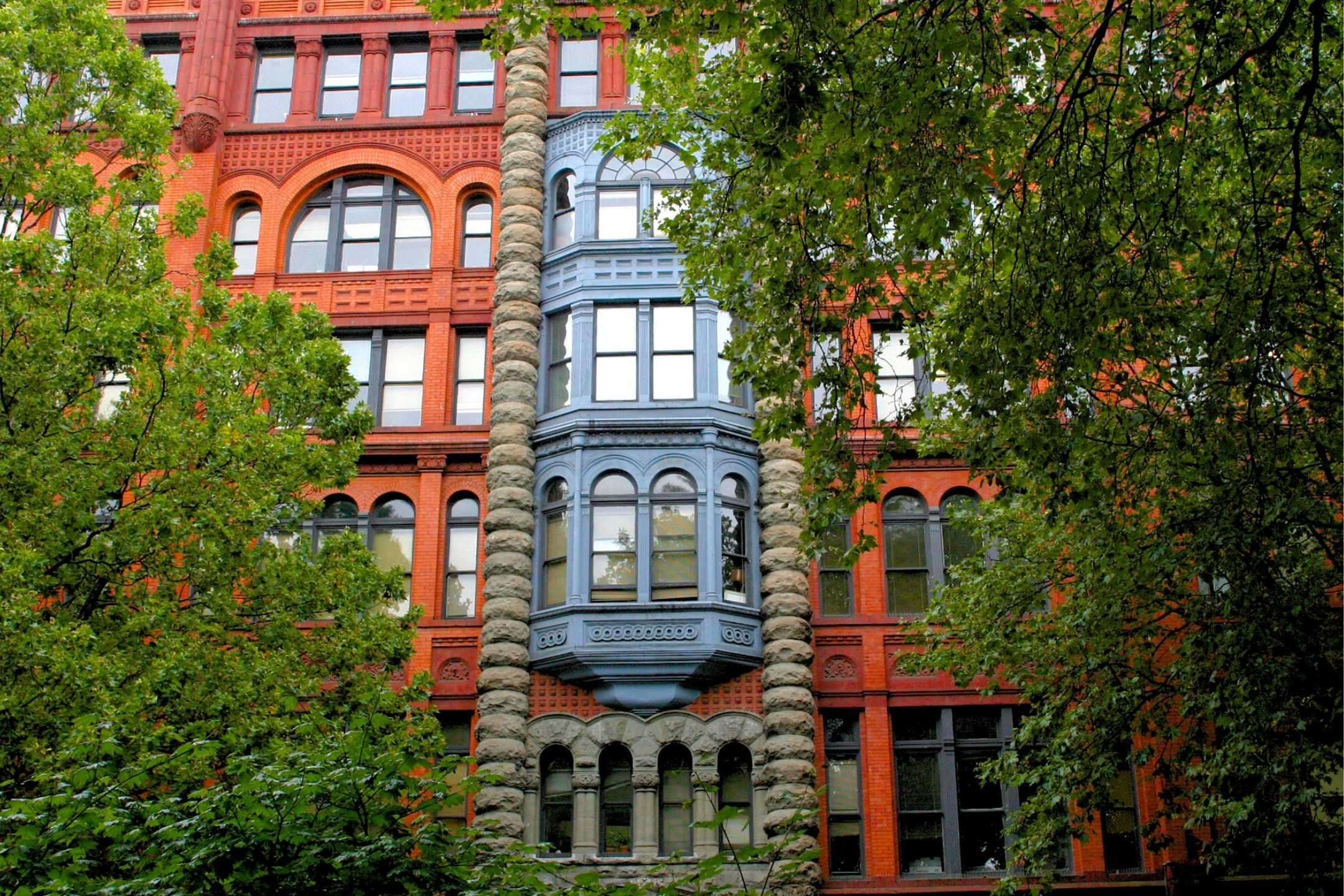
Imagine standing on a train that suddenly brakes. If you’re holding on to a rail, you’ll stay on your feet. If not, you’ll be thrown off balance. Strong buildings also “hold on to the rails”: they have steel frames, sturdy braces, and foundations that keep their walls from pulling apart. The old brick buildings found throughout Seattle, especially in Pioneer Square and the International District, were built without these “rails,” so they are now being gradually reinforced. Many were once built by workers who came to the city from countries around the world.
Seattle has already experienced shaking in the past century. The 1949 earthquake killed eight people in the state and damaged many buildings. The 2001 earthquake, known as Nisqually, also caused damage, but it was weaker than the worst-case scenario. After each event, building codes became stricter, and engineers learned from past mistakes.
It’s important to understand that the rules were not written by one community or one person. Engineers, scientists, officials, and ordinary residents all worked on them. Those who built homes and those who preserved old records and traditions also contributed.
What I think about this story
I like that the answer to an important question about the city’s safety was found in such different places: Japanese chronicles, tree rings, and stories told by people who lived here long before Seattle existed. This story reminds us that useful knowledge isn’t always easy to find. Sometimes you have to ask people who weren’t listened to in the past.
And one more thing: any of us can be a “keeper” of knowledge. If your grandmother tells you something interesting about the past, or you notice a strange mark on an old tree, it might be a small piece of a larger puzzle.
How it all turned out—and what to remember
The orphan wave was orphaned no more. It found a “family”: the massive earthquake off Seattle’s coast that struck on January 26, 1700. Learning about it helped the city take safety seriously. And it brought another lesson: to make a city resilient, we need to hear from everyone who might have something important to share—whether it’s old Japanese records, witness trees, Indigenous traditions, or calculations by today’s engineers.