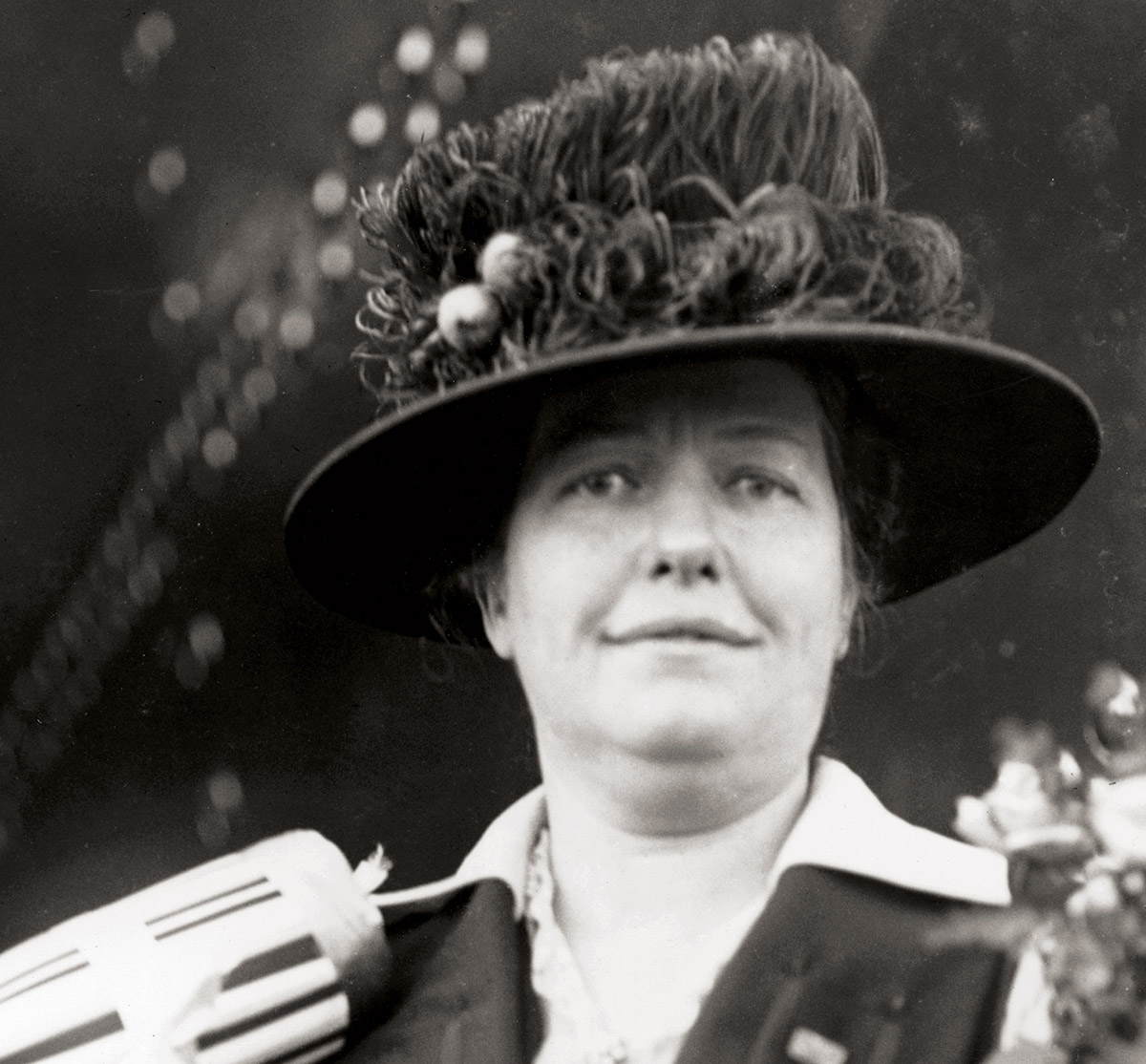
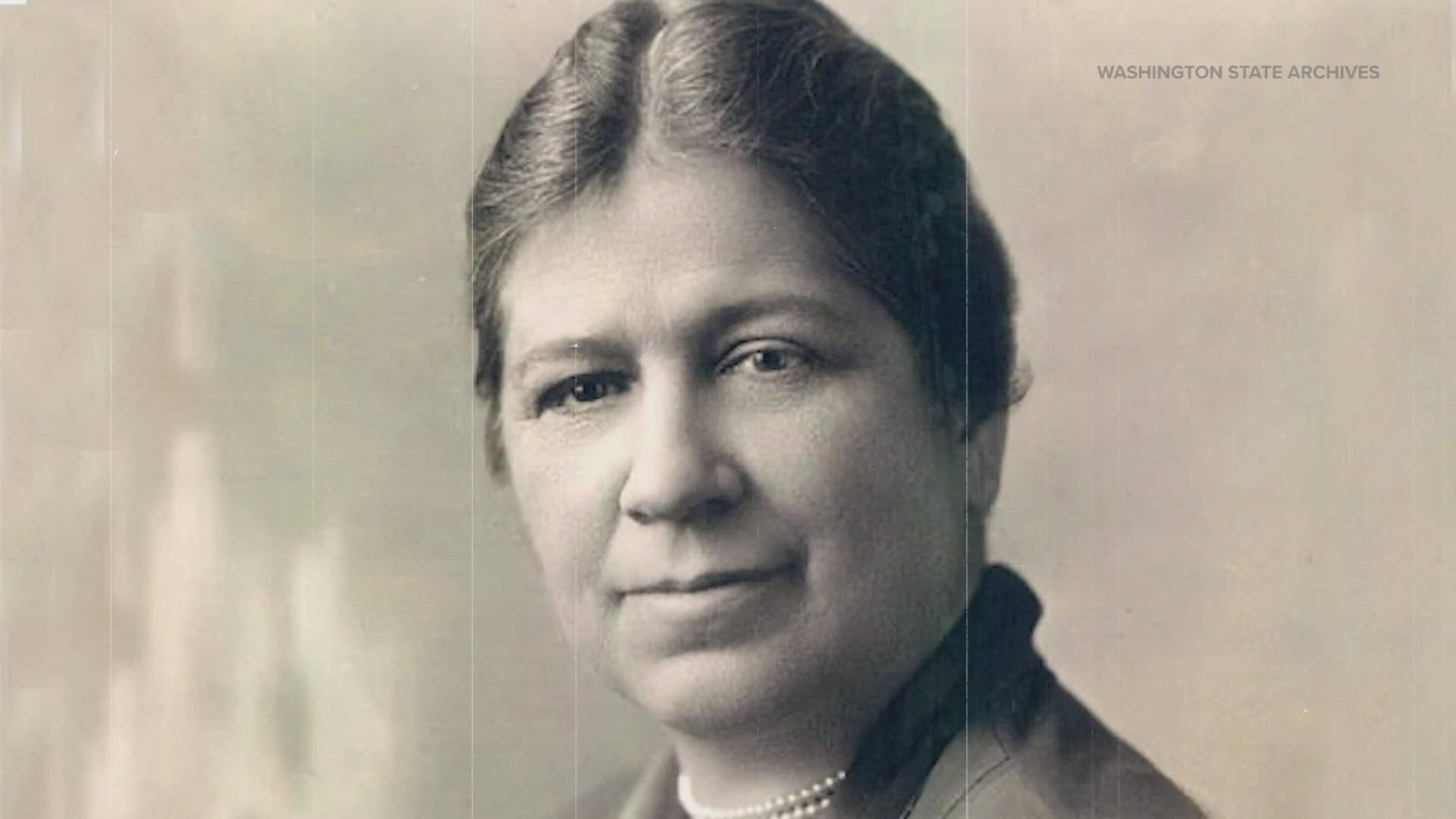
Imagine you're walking home from school and it's completely dark around you. No streetlights, just shadows between houses. Scary, right? In the 1920s Seattle was exactly like that. And one woman, Bertha Knight Landes, decided that wasn't right. She began with a simple idea — let's install more streetlights. She ended up becoming the first woman mayor of a major American city. Not just a mayor, but a mayor who changed how the city made money and how people lived in it.
A city embarrassed by itself
In the early 1920s Seattle had a bad reputation. Tourists were afraid to come because of stories about dark streets where trouble could be found. Police sometimes worked with criminals instead of arresting them. And the streets were messy — trash, puddles, broken sidewalks.
Bertha Knight Landes was an ordinary woman, the wife of a university professor. But she was very observant. She noticed that women and children were afraid to go out in the evening. That shops closed early because customers didn't want to walk home in the dark. That visitors left the city sooner than planned because it seemed unsafe.
Bertha understood a simple thing: if a city looks scary and dirty, people don't want to be in it. And if people don't want to be in the city, they don't spend money there. Shops lose customers, restaurants lose patrons, hotels lose guests.
A women's club that decided to act
Bertha didn't go straight to City Hall with demands. Instead she organized a club of women who cared about the same problems. They simply called themselves the "Seattle Women's Club." And they started small.
First they just counted the streetlights. They walked the streets with notebooks and recorded: three lights on this street, none on that one, and here a lamp exists but it doesn't work. Then they compared Seattle with other cities and discovered: Seattle had three times fewer streetlights than Portland or San Francisco.
They went to the city council with numbers. Not with emotions or complaints, but with facts. "Here is a map of our city. Here are the dark spots. Here is how much it costs to install a lamp. Here is how many shops could stay open longer. Here is how much money the city would get in taxes."
The city council couldn't argue with the math. Streetlights began to appear.
The mayor left town, and the city got a chance
In 1924 something unexpected happened. The mayor of Seattle left town on business for a few weeks. By the rules, when the mayor is absent, his duties are performed by the president of the city council. And the president of the city council was... Bertha Knight Landes. She was the first woman to hold that position.
Bertha decided a few weeks was her chance to show what a capable leader could do. She worked from early morning until late at night. She fired police officers who took bribes. She made city services clean the streets every day instead of once a week. She audited how taxpayers' money was spent and found places where officials were simply stealing.
When the mayor returned, city residents noticed a difference. Streets were cleaner. The police acted more honestly. Money was spent more wisely. And many thought: "What if she became the real mayor?"
The first woman mayor and her economic miracle
In 1926 Bertha Knight Landes won the mayoral election. Newspapers across America wrote about it — a woman had become the mayor of a major city for the first time (Seattle's population then exceeded 300,000).
But Bertha wasn't going to sit in an office and bask in victory. She continued what she had started. In her two years as mayor Seattle experienced real changes:
City lighting. The number of streetlights increased by 40%. That may sound like a dull statistic, but the results were striking. Downtown shops stayed open two hours later. Restaurants saw more evening customers. Crime on lit streets fell by 25%.
Cleanliness and beauty. Bertha believed a beautiful city is a wealthy city. She organized regular street cleaning, tree planting, and park creation. Tourists began coming to Seattle not just on business but to see the city. Tourism revenue rose by 30% over two years.
Fighting corruption. Bertha reviewed all city contracts and found the city was overpaying for many services. For example, snow removal was paid to a company owned by a relative of an official at twice the market price. Bertha canceled such contracts and held fair competitions. The city began saving about $200,000 a year — a huge sum for the time.
Supporting business. Bertha understood that if it was easy to operate in the city, new companies would come. She simplified the permitting process for opening a business. Previously you had to wait months and visit ten offices; under her it took two weeks. During her term 200 more new shops and workshops opened than in the previous period.
Why this matters today
Bertha Knight Landes was mayor for only two years — she lost the next election. Many historians believe she lost because she was too honest and too strict. She fired people who did poor work, even if they had powerful friends. She refused to award contracts to companies that offered campaign support in return.
But in those two years she showed that a city could be run differently. That you could be honest and at the same time make the city wealthier. That small things — streetlights, clean streets, honest police — really matter to the economy.
Today there is a street in Seattle named after Bertha Landes. And when you walk down it in the evening you see bright lamps lighting the way. Those lamps are a reminder of the woman who started with a simple idea: the city should be safe and beautiful for everyone. And that simple idea changed everything.
Sometimes big changes begin when someone notices a small problem and decides to fix it. Bertha noticed the dark streets. What do you notice around you?