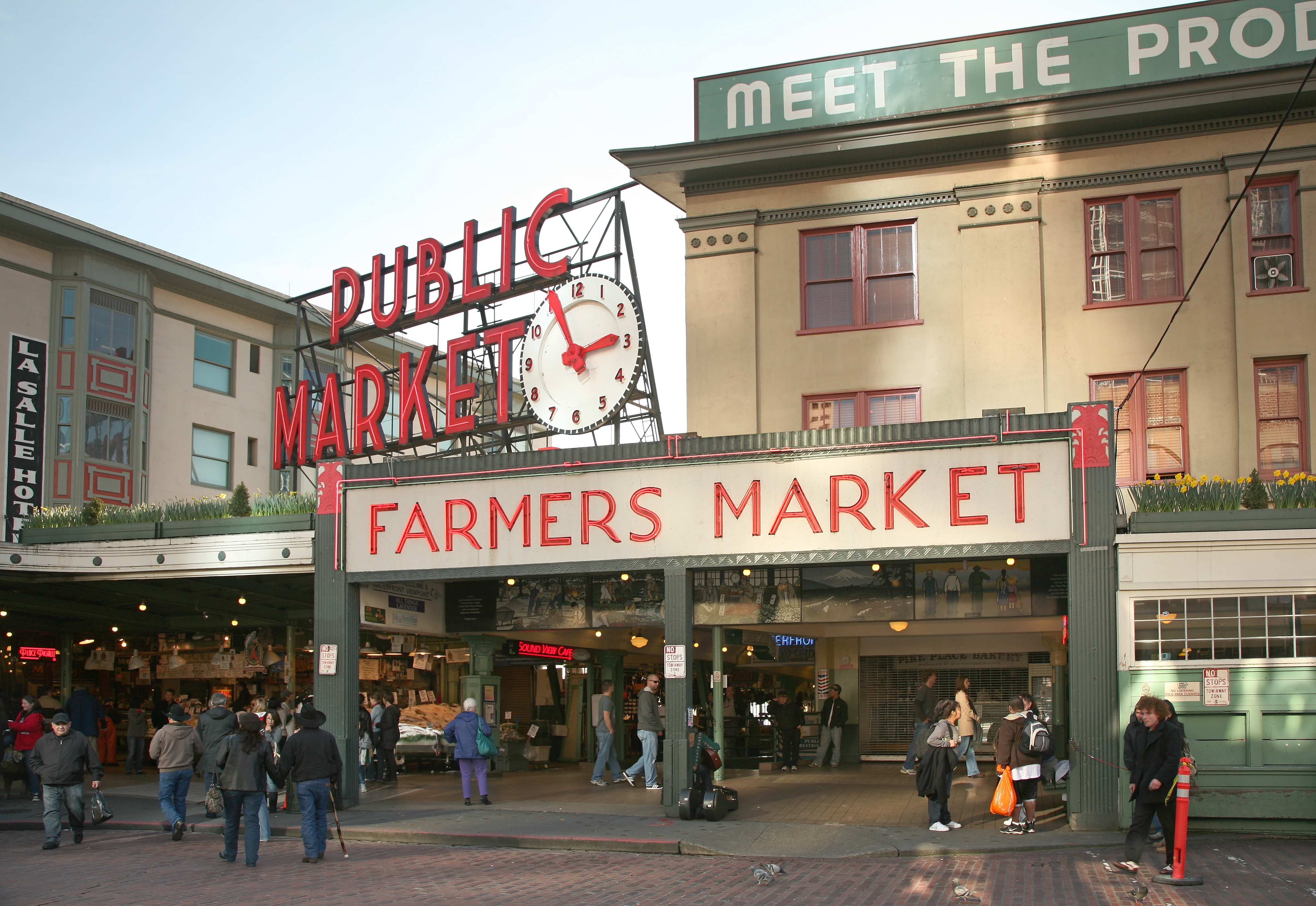
Imagine waking up one morning to find out that your favorite place in the city — where you buy apples from a cheerful farmer, where fish fly over the stalls, where street musicians play songs — will soon disappear forever. In its place they will build gray parking lots and tall hotels. That's what happened in Seattle in 1971 to Pike Place Market.
But this story is not about something disappearing. It's about how ordinary people — moms, dads, grandmothers, students and even children — decided that the city officials were wrong, and changed the future of their city. And you know what? They won.
When the city decided to tear out its heart
In the late 1960s Seattle looked very different from today. Many old buildings seemed ugly and useless to city leaders. Officials looked at Pike Place Market — with its century-old wooden buildings, narrow aisles and noisy vendors — and saw a problem. "This is junk," they said. "We need modern buildings here, parking, big-brand stores."
The plan was ready: demolish almost the entire historic market and build 20-story hotels, office towers and huge parking lots for thousands of cars. They wanted to leave only a tiny piece — like a museum where tourists could take photos. Everything else was to disappear.
For many people it was more than a market. It was a place where farmers from nearby villages had been selling fresh vegetables for 60 years. Where fishermen brought the morning catch straight from their boats. Where poor families could buy food cheaper than in big stores. Where artists sold their paintings and musicians made a living. It was the living heart of the city that beat every day.
But construction companies were already sharpening their pencils, architects were drawing glass tower plans, and it seemed nothing could stop the destruction.
The architect who said "no" (and rallied the whole city)
Victor Steinbrueck was an architect — a person who designs buildings. Architects usually love building something new, but Victor was different. He loved old buildings and understood that when you demolish a historic place, you erase a city's memory. It's like tearing pages out of your favorite book — you can never get them back.
Victor began walking around the market, talking to vendors, farmers and shoppers. He listened to their stories. One grandmother said she had been buying vegetables here for 40 years and knew every farmer by name. A young artist explained that only here could he sell his work because galleries wouldn't accept him. A fisherman showed a photo of his grandfather who had sold in the same spot in the 1920s.
Victor realized: the market had to be saved. But how can one person stop an entire city?
He came up with a plan. In America there's a great rule: if citizens gather enough signatures, they can put an issue to a citywide vote. It's called a "citizen initiative." Victor needed to collect 25,000 signatures — as many as the students in 50 large schools!
An army of volunteers (that even included children)
Victor couldn't collect 25,000 signatures alone. He needed an army of helpers. And you know what? It appeared!
Hundreds of people volunteered. University students, homemakers, retirees, teachers, vendors — everyone who loved the market. They stood on streets with signature sheets. They went door to door across the city, ringing doorbells and explaining to neighbors why the market mattered. Many brought their children, who helped hand out flyers.
Imagine: you walk down the street and a girl your age approaches with a flyer. The flyer shows the market and says: "Help save our market! My grandmother buys the tastiest apples here and my dad plays guitar on weekends. If they tear it down, all this will be gone." Wouldn't you want to help?
People painted signs, wrote letters to newspapers, organized meetings at schools and churches. An artist painted a huge portrait of the market and hung it downtown. Musicians held concerts to raise money for the campaign. Even children in schools made crafts and sold them, donating the proceeds to save the market.
Construction companies and city officials were sure citizens would lose. "Ordinary people don't understand what's good for the city," they said. But ordinary people thought differently.
The day the city made a choice
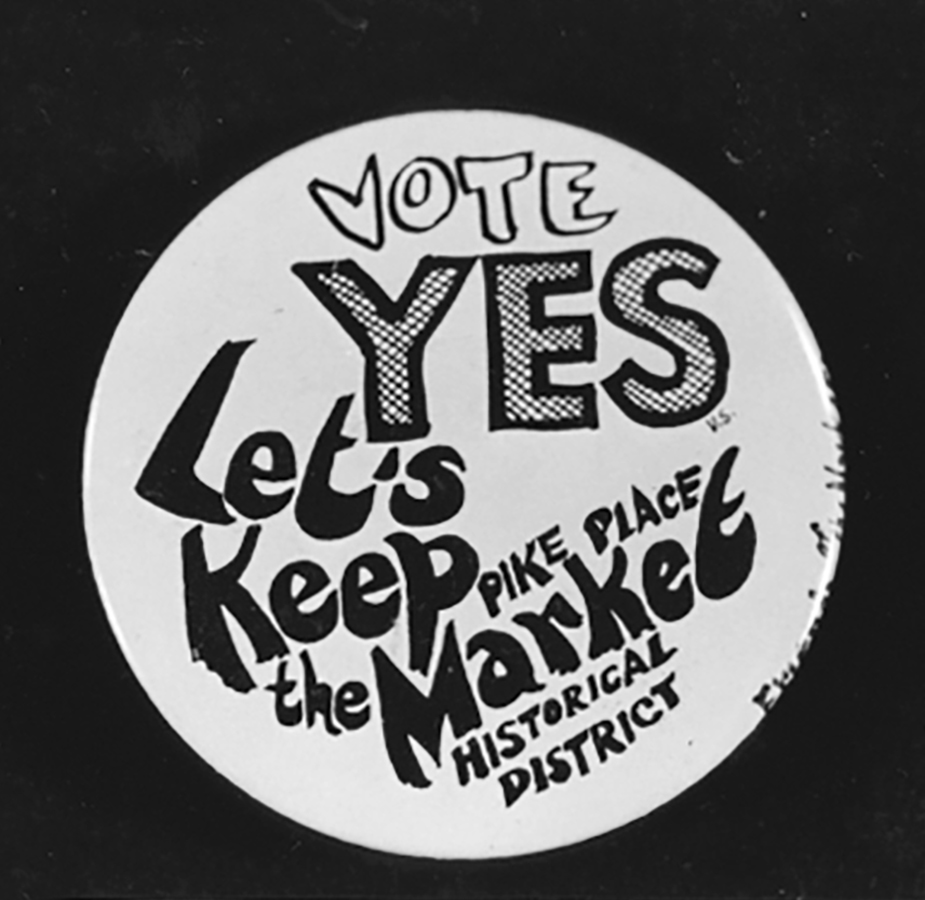
On November 2, 1971, Seattle residents went to the polls. The question was simple: "Should the city preserve the historic Pike Place Market as a special place that cannot be demolished?"
Victor and his helpers were very anxious. They had done everything they could, but no one knew how people would vote. Maybe the majority wanted new hotels and parking lots? Maybe the old market really seemed unnecessary to them?
When the votes were counted, the unbelievable happened. 76% of voters — that means 76 out of every 100 people — voted FOR preserving the market! It was a decisive, loud victory. The city told its officials: "You are wrong. This place matters to us, and we won't let it be destroyed."
Victor and his friends cried with joy. Farmers at the market threw a party. People hugged in the streets. An old fisherman told a reporter: "I thought I'd have to find a new place to work. Now I know — my grandchildren will be able to work here too."
But the victory wasn't only that the market remained standing. The victory was that ordinary citizens proved they could change government decisions when they came together.
How one market changed all of America
The story of saving Pike Place Market spread across the country. In other cities people heard it and thought: "If Seattle residents could save their historic place, maybe we can too?"
And something incredible began. In Boston citizens saved the old Faneuil Hall market district from demolition. In San Francisco historic streetcars were protected. In New York Grand Central Terminal was defended after plans to tear it down emerged. Across America people began to value their history and fight to preserve it.
Today the United States has strong laws protecting historic buildings. Before demolishing an old building, you must prove it cannot be saved. Many cities have special commissions that guard historic sites. And much of this started thanks to the people who in 1971 said "no" to tearing down the market.
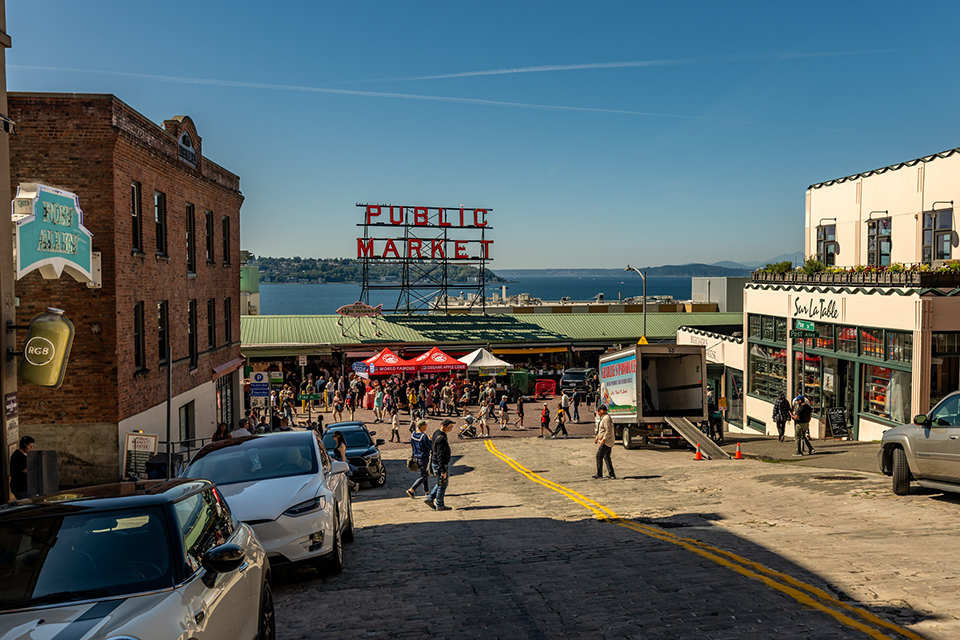
Pike Place Market itself didn't just survive — it got better. The city spent millions restoring it, preserving the historic look while making the buildings safe and functional. Today it's one of Seattle's most popular places. Every year 10 million people visit — as if the entire population of Moscow came to see one market!
Lessons the market taught the world
What can we learn from this story?
First, old things can be more valuable than new ones. When something exists for a long time, it accumulates stories, memories and meaning. A new hotel may be beautiful, but it has no history. Pike Place Market remembers a century of the city's life.
Second, adults and officials don't always know best. Sometimes ordinary people — even children — understand what really matters for their city. If you see someone making a wrong decision, you have the right to speak up.
Third, people together can change the world. One person, even a very smart architect, couldn't have saved the market. But when hundreds of people united, they became an unstoppable force.
And finally, the most important thing: democracy is not just a word in a textbook. It's a real opportunity for citizens to decide what their city, country and future will be like. In 1971 Seattle residents used that opportunity and changed history.
Today, when you stroll through Pike Place Market, watch fish fly over the stalls, taste fresh berries from a farmer, listen to a street musician — remember: all of this could have disappeared. But it didn't. Because people stepped up, said "no," and didn't give up. Maybe someday you'll have to defend something important too. This story will remind you: even children can change the world if they believe in what they're doing and aren't afraid to act.