Imagine standing at a train station a hundred years ago. A steam locomotive is puffing, the platform is filled with noise, suitcases, and cries of “All aboard!”—and suddenly you see a man in a neat white jacket smiling at every passenger, helping carry luggage, and seeming to know everything about the world. He is a train porter. And it was people like him—nearly invisible heroes—who helped build an entire lively, green, and close-knit Seattle neighborhood that still exists today.
A Job Chosen Out of Necessity
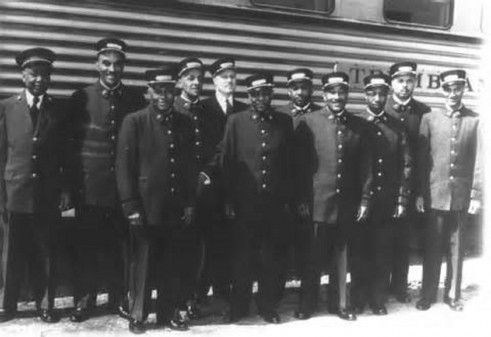
At the beginning of the 20th century, it was extremely difficult for African Americans in the United States to find good jobs. Many doors were closed to them simply because of the color of their skin. It was unjust, but that was how society was structured at the time. One job, however, was almost entirely theirs: sleeping-car porter. The Pullman Company hired only Black men to serve passengers by making beds, shining shoes, bringing food, and making sure the journey was comfortable.
The work was exhausting: shifts lasted for days, porters were given almost no time to sleep, and the pay was low. But porters had something many others did not—they traveled. They saw different cities and different ways of life, bringing home to Seattle stories, ideas, and hope for a better future.
How a Train Gave Rise to an Entire Neighborhood
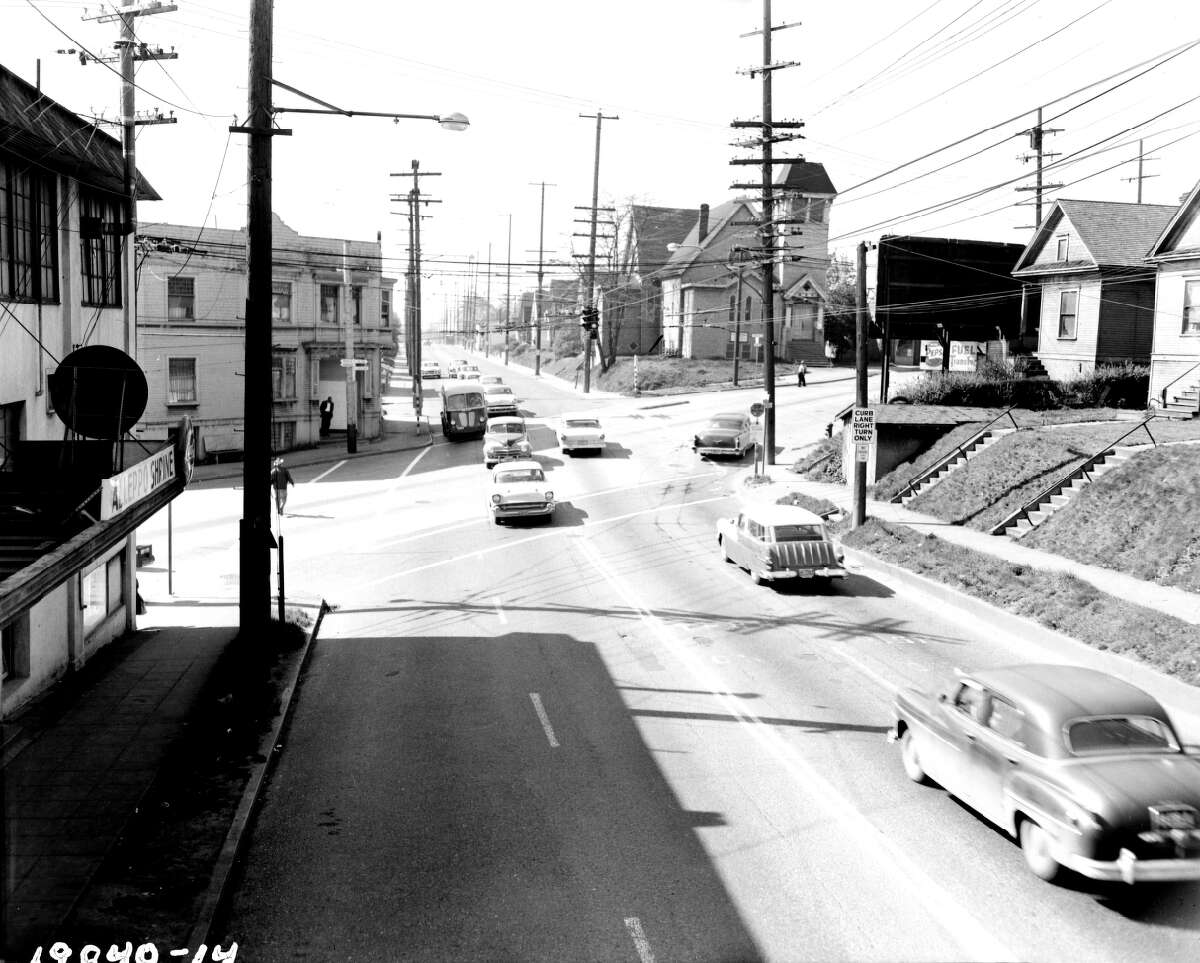
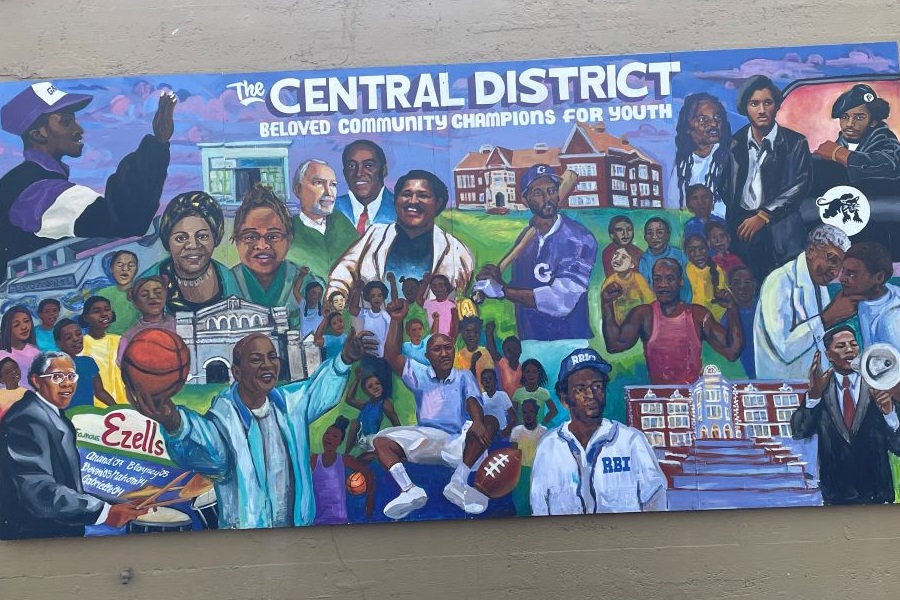
Many porters who came to Seattle decided to stay and start families there. At the time, they, like other African Americans, were largely allowed to live in just one part of the city—an area called the Central District. It might seem that this unfair rule could have ruined people’s lives. But the opposite happened: residents came together and turned the neighborhood into a truly flourishing community.
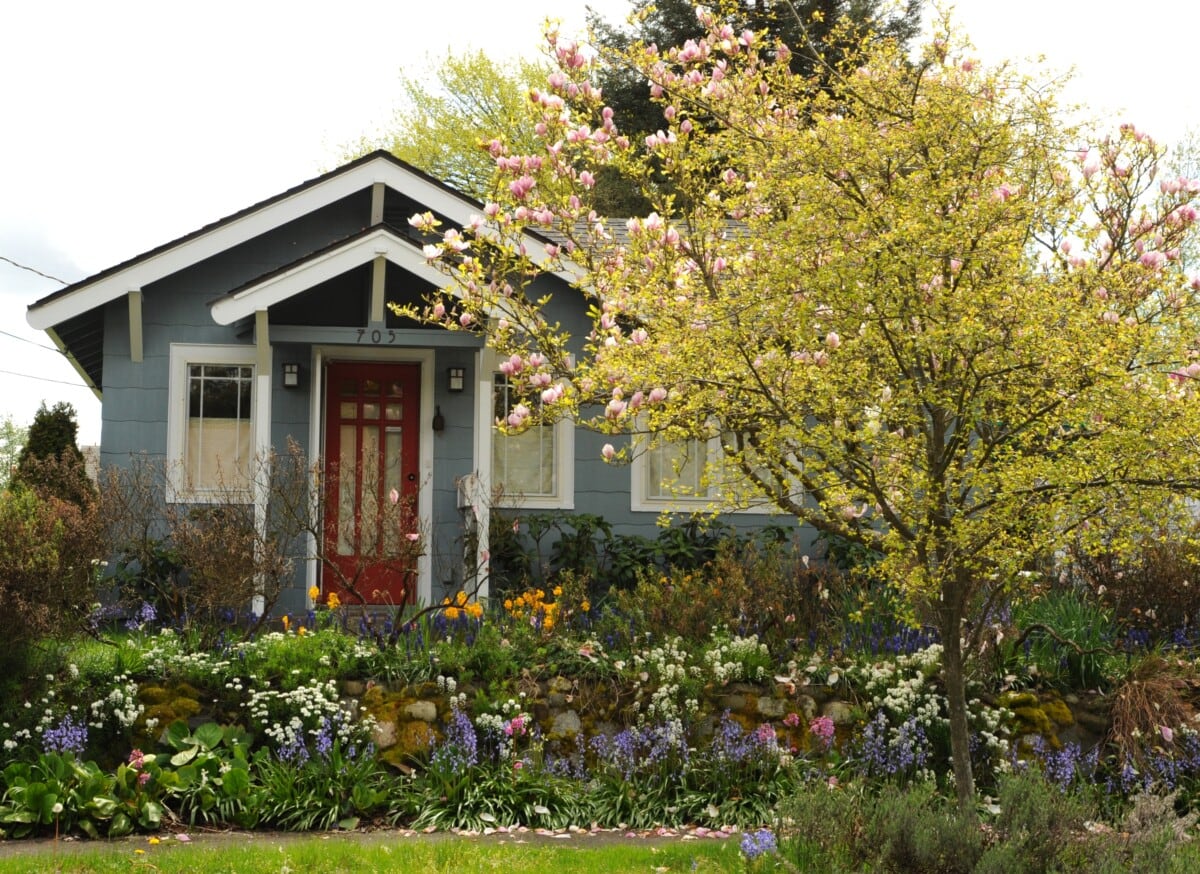
After returning from long trips, porters planted trees and flowers in their yards, created small gardens, and built churches and schools. Gradually, the Central District became the green, vibrant heart of Black Seattle—with parks where children played and streets where neighbors knew one another by name. Environmental experts say that neighborhoods where residents care for the trees and greenery around their homes often remain among the greenest parts of a city even a century later—because care for nature is passed from parents to children, like a family pie recipe.
Courage in a White Jacket
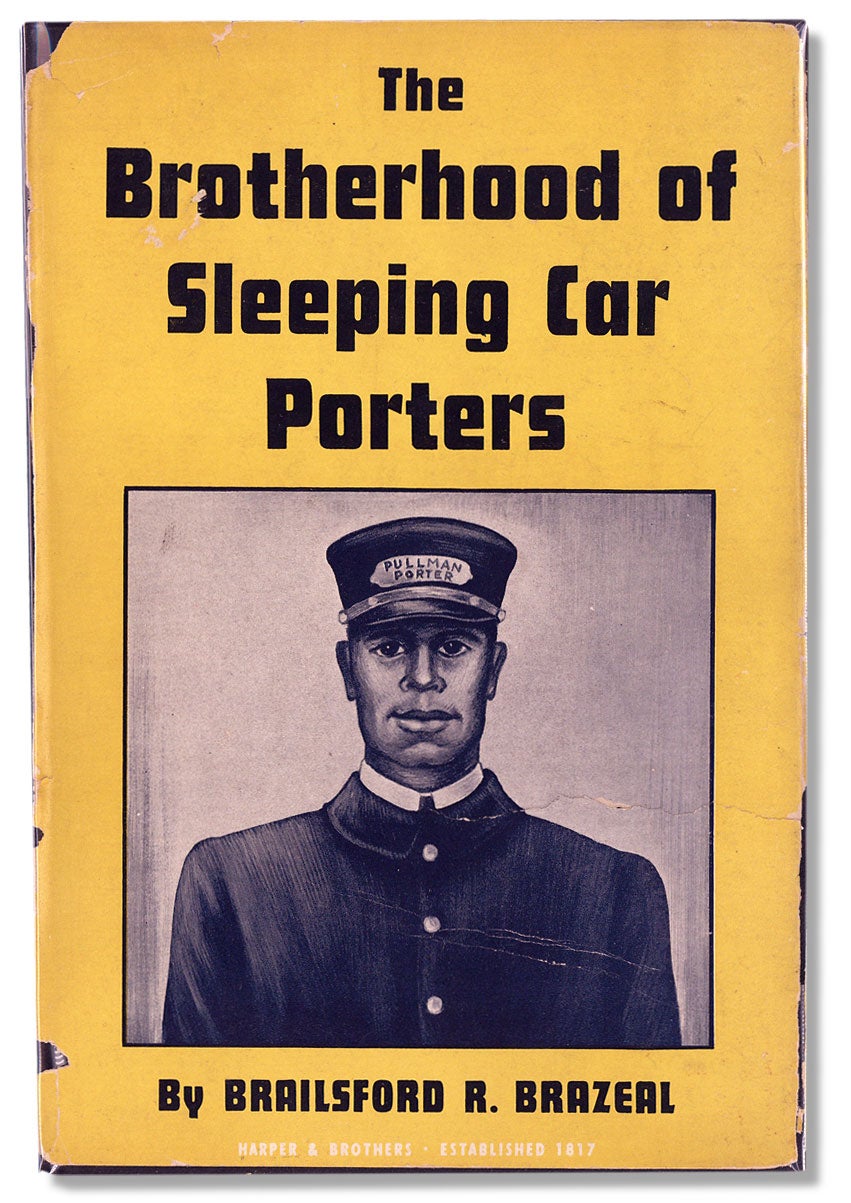
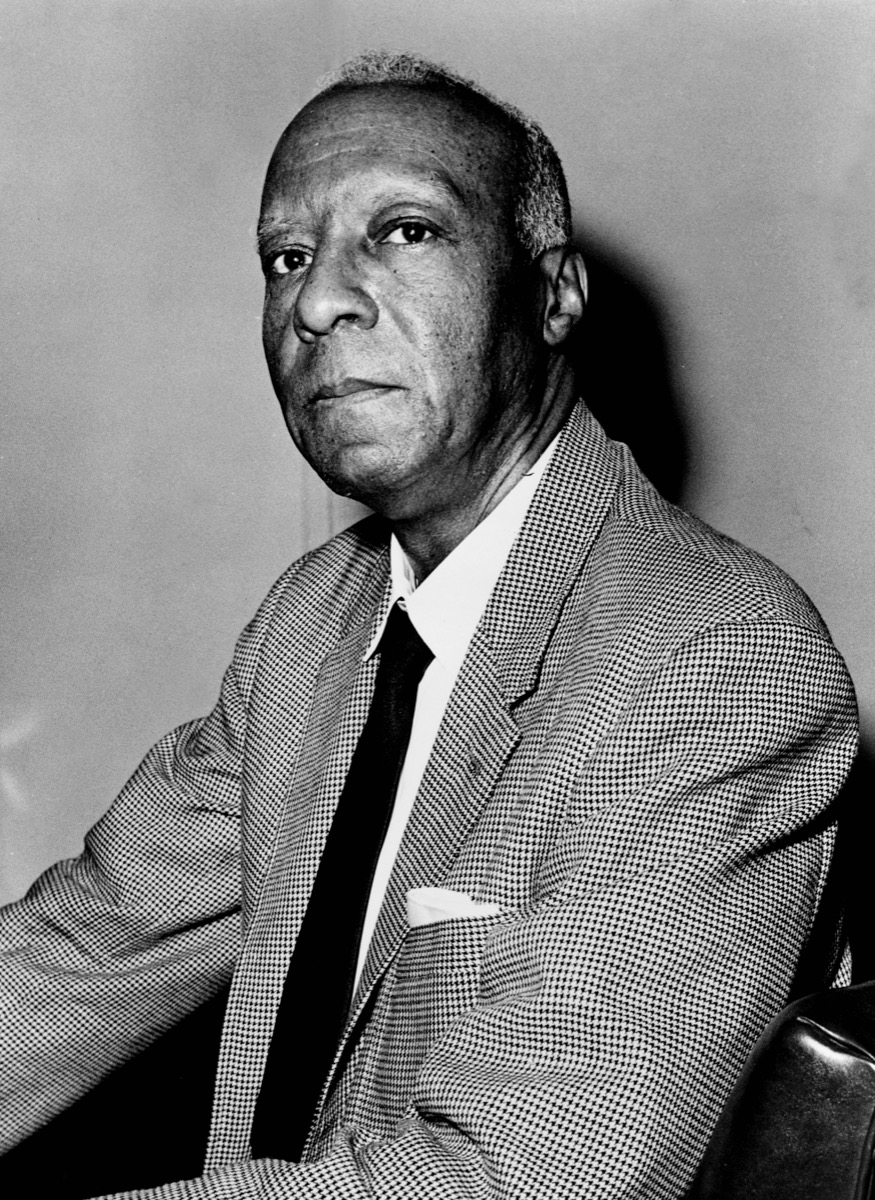
Porters did more than beautify their neighborhood—they fought for justice. In 1925, they created the first union of Black workers in the United States, the Brotherhood of Sleeping Car Porters. It was led by A. Philip Randolph, a man of extraordinary courage. The porters demanded fair wages, proper rest, and respect—and won, even though the struggle lasted more than ten years.
One prominent Black leader in Seattle later said that porters had “taught the city that dignity cannot be bought or taken away—it can only be earned through hard work and patience.” These words perfectly capture the spirit of that era: life was difficult, but people did not give up. They believed their children would live better lives.
The Seattle We See Today
Today, a walk through the Central District reveals the results of their work: old houses with well-tended gardens, parks where trees planted nearly a century ago still grow, and cultural centers named after those same champions of justice. The streets remember the footsteps of people in white jackets who once knew every neighbor by name and every piece of news firsthand.
The story of the porters reminds us that even the most inconspicuous job can change an entire city. Small acts—a tree planted, help offered to a neighbor, the courageous decision to unite—can sometimes grow into something truly great: a vibrant, green neighborhood that continues to breathe with history today.