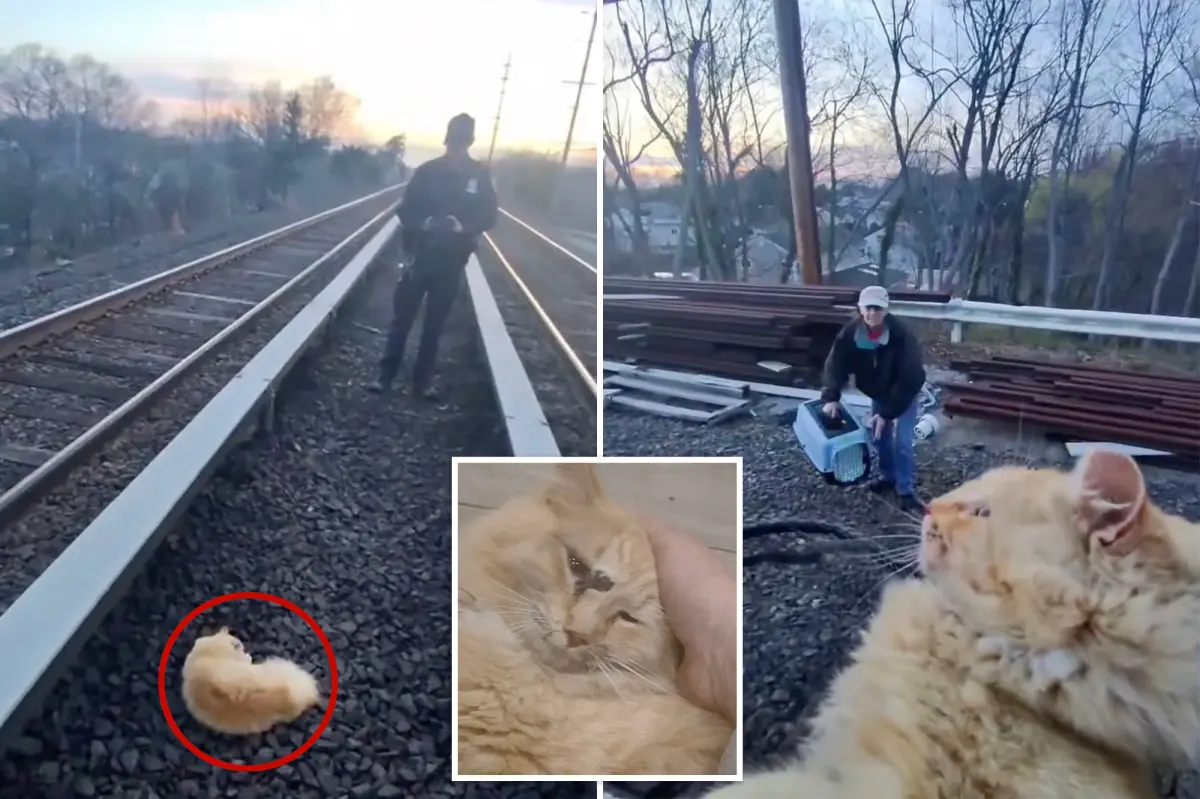
Once upon a time, there was a girl named Mila who had an orange cat called Ugolyok—the most curious cat on all of Yesler Street in Seattle. Ugolyok loved sitting on the windowsill and watching the old yellow streetcar rattle and clang past the house.
“Ding-ding!” the streetcar rang every morning, and Ugolyok would twitch his ears as if greeting it.
Mila knew everything about the streetcar because her grandfather, Mr. Ko, had driven that very streetcar for twenty years. He told her that long ago, Seattle had so many streetcar lines that they wrapped around the entire city like threads on Grandma’s ball of yarn—from Puget Sound Bay to the farthest hills. People rode them to work, to school, to the fish market, and even into the forest to pick mushrooms.
But then buses and cars appeared, and streetcars were no longer needed. The tracks were paved over, and the cars were sent to the scrapyard. Only one small line remained—the very one that passed Mila’s house.
One morning, Grandpa came home looking sad.
“Dear Mila,” he said as he sat down at the table, “the city council is considering closing our line. They say it’s too expensive to repair. The rails are very old and creak so badly that they might fall apart at any moment.”
Mila was frightened. She loved listening to the “ding-ding” every morning! And Ugolyok seemed upset too—he stopped sitting on the windowsill and spent all his time curled up as if the streetcar were his best friend.
That night, Mila couldn’t sleep. She went into the kitchen for a drink of water and noticed that Ugolyok was nowhere to be found. The door to the porch was slightly open—the cat must have slipped outside.
“Ugolyok!” she called softly and ran outside in her slippers.
The cat was sitting right on the tracks, pressing one paw against the cold metal and meowing so plaintively that Mila immediately realized something was wrong. She bent down and saw a crack in the rail—small, but dangerous. If the streetcar had traveled over it the next morning, it could have derailed!
Mila scooped up the cat and ran to wake her grandfather.
“Grandpa, Grandpa! The rail is cracked! Ugolyok found it!”
Mr. Ko rushed outside in his robe, shone his flashlight on the rail, and gasped.
“You’re right, Mila! It’s a good thing you noticed it at night instead of in the morning.”
He immediately called the depot, and workers arrived to repair the rail before dawn. When the city council heard what had happened, something remarkable followed: the story of the cat who saved the streetcar was printed in The Seattle Times. People all over the city suddenly remembered how much they loved the little rattling car that had carried them through the city for so many years.
Residents began collecting signatures to keep the line open and repair it properly. Even the children at Mila’s school held a fair to raise money for new rails. Ugolyok himself was named an “honorary passenger.” From then on, there was always a soft seat for him by the window, where he could sit and watch the city he had once helped save.
After that, every morning when the streetcar approached Mila’s house, Grandpa would slow down for literally one second and open the door. The orange cat would jump inside, settle into his seat, and ride along with everyone else—past the market, past the park, and past the old bakery that smelled of fresh bread.
“Ding-ding!” the streetcar rang.
And it seemed as though it was ringing especially for the little cat who, one night, had prevented an entire page of his hometown’s history from disappearing.